QUOTE FOR WEDNESDAY:
“High blood pressure is the biggest contributor to the risk of stroke in both men and women. Monitoring blood pressure and, if it is elevated, treating it, is probably the biggest difference women can make to their vascular health.”
Dr. Rost – Harvard Medical School
QUOTE FOR TUESDAY:
American Heart Association
QUOTE FOR MONDAY:
“Stroke ranks as the fourth leading killer in the United States”
National Institute of Neurological Disorders and Stroke
QUOTE FOR THE WEEKEND:
“In 2014, the 55 U.S. poison control centers provided telephone guidance for nearly 2.2 million human poison exposures.1 That’s about:
- 6.7 poison exposures/1000 population,
- 42.6 poison exposures in children younger than 6 years/1000 children,
- 1 poison exposure reported to U.S. poison control centers every 15 seconds.”
Poison Control – National Capital Poison Center
QUOTE FOR FRIDAY:
“Acne is the most common skin condition in the United States. Although it’s common, accurate information about acne can be scarce.”
American Academy of Dermatology
ACNE
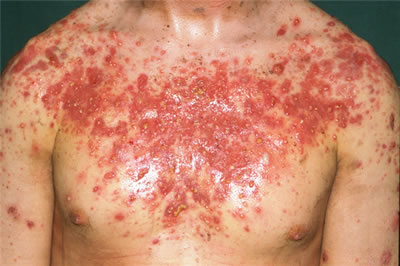
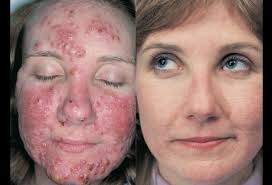
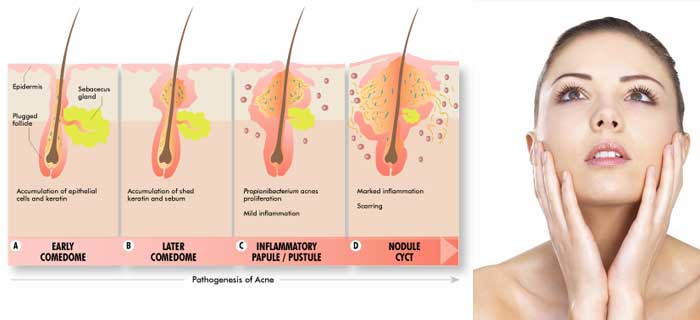

Acne is a skin condition that occurs when your hair follicles become plugged with oil and dead skin cells. Acne usually appears on your face, neck, chest, back and shoulders. Effective treatments are available, but acne can be persistent. The pimples and bumps heal slowly, and when one begins to go away, others seem to crop up.
Acne is most common among teenagers, with a reported prevalence of 70 to 87 percent. Increasingly, younger children are getting acne as well.
Depending on its severity, acne can cause emotional distress and scar the skin. The earlier you start treatment, the lower your risk of lasting physical and emotional damage.
Acne signs and symptoms vary depending on the severity of your condition:
- Whiteheads (closed plugged pores)
- Blackheads (open plugged pores — the oil turns brown when it is exposed to air)
- Small red, tender bumps (papules)
- Pimples (pustules), which are papules with pus at their tips
- Large, solid, painful lumps beneath the surface of the skin (nodules)
- Painful, pus-filled lumps beneath the surface of the skin (cystic lesions) If home care remedies don’t work to clear up your acne, see your primary care doctor. He or she can prescribe stronger medications. If acne persists or is severe, you may want to seek medical treatment from a doctor who specializes in the skin (dermatologist). Seek emergency medical help if after using a nonprescription skin product you experience:
- The Food and Drug Administration warns that some popular nonprescription acne lotions, cleansers and other skin products can cause a serious reaction. This type of reaction is quite rare, so don’t confuse it with the redness, irritation or itchiness where you’ve applied medications or products.
When to see a doctor:
- Faintness
- Difficulty breathing
- Swelling of the eyes, face, lips or tongue
- Tightness of the throat
Four main factors cause acne:
- Oil production
- Dead skin cells
- Clogged pores
- BacteriaHair follicles are connected to oil glands. These glands secrete an oily substance (sebum) to lubricate your hair and skin. Sebum normally travels along the hair shafts and through the openings of the hair follicles onto the surface of your skin.
- Acne typically appears on your face, neck, chest, back and shoulders. These areas of skin have the most oil (sebaceous) glands. Acne occurs when hair follicles become plugged with oil and dead skin cells.
When your body produces an excess amount of sebum and dead skin cells, the two can build up in the hair follicles. They form a soft plug, creating an environment where bacteria can thrive. If the clogged pore becomes infected with bacteria, inflammation results.
The plugged pore may cause the follicle wall to bulge and produce a whitehead. Or the plug may be open to the surface and may darken, causing a blackhead. A blackhead may look like dirt stuck in pores. But actually the pore is congested with bacteria and oil, which turns brown when it’s exposed to the air.
Pimples are raised red spots with a white center that develop when blocked hair follicles become inflamed or infected. Blockages and inflammation that develop deep inside hair follicles produce cyst-like lumps beneath the surface of your skin. Other pores in your skin, which are the openings of the sweat glands, aren’t usually involved in acne.
Factors that may worsen acne.
These factors can trigger or aggravate an existing case of acne:
- Hormones. Androgens are hormones that increase in boys and girls during puberty and cause the sebaceous glands to enlarge and make more sebum. Hormonal changes related to pregnancy and the use of oral contraceptives also can affect sebum production. And low amounts of androgens circulate in the blood of women and can worsen acne.
- Certain medications. Drugs containing corticosteroids, androgens or lithium can worsen acne.
- Diet. Studies indicate that certain dietary factors, including dairy products and carbohydrate-rich foods — such as bread, bagels and chips — may trigger acne. Chocolate has long been suspected of making acne worse. A recent study of 14 men with acne showed that eating chocolate was related to an increase in acne. Further study is needed to examine why this happens or whether acne patients need to follow specific dietary restrictions.
- Stress. Stress can make acne worse.
Acne myths
These factors have little effect on acne:
- Greasy foods. Eating greasy food has little to no effect on acne. Though working in a greasy area, such as a kitchen with fry vats, does because the oil can stick to the skin and block the hair follicles. This further irritates the skin or promotes acne.
- Dirty skin. Acne isn’t caused by dirt. In fact, scrubbing the skin too hard or cleansing with harsh soaps or chemicals irritates the skin and can make acne worse. Though it does help to gently remove oil, dead skin and other substances.
- Cosmetics. Cosmetics don’t necessarily worsen acne, especially if you use oil-free makeup that doesn’t clog pores (non-comedogenics) and remove makeup regularly. Non-oily cosmetics don’t interfere with the effectiveness of acne drugs.
Risk factors for acne include:
- Hormonal changes. Such changes are common in teenagers, women and girls, and people using certain medications, including those containing corticosteroids, androgens or lithium.
- Family history. Genetics plays a role in acne. If both parents had acne, you’re likely to develop it, too.
- Greasy or oily substances. You may develop acne where your skin comes into contact with oily lotions and creams or with grease in a work area, such as a kitchen with fry vats.
- Friction or pressure on your skin. This can be caused by items such as telephones, cellphones, helmets, tight collars and backpacks.
- Stress. This doesn’t cause acne, but if you have acne already, stress may make it worse. Acne is the most common skin condition in the United States.
-
Although it’s common, accurate information about acne can be scarce.
QUOTE FOR THURSDAY:
“Bees, wasps, and hornets can quickly take the fun out of summer activities, especially if an allergy makes an insect encounter a potentially life-threatening event. It’s best to “bee” prepared for whatever buzzes your way.”
Insect allergy expert David B.K. Golden, MD,Guest on MedicineNet.com (when the doctor bring the knowledge to you).
Go to striveforgoodhealth.com and learn in Part 3 about our spring and summer friends who sting especially regarding how to treat it.
QUOTE FOR WEDNESDAY:
“Bees, wasps, and hornets can quickly take the fun out of summer activities, especially if an allergy makes an insect encounter a potentially life-threatening event. It’s best to “bee” prepared for whatever buzzes your way.”
Insect allergy expert David B.K. Golden, MD,Guest on MedicineNet.com (when the doctor bring the knowledge to you).
PART 2 BE ALERT TO SPRING & SUMMER INSECT STINGING VISITORS INCLUDING WHAT TO DO IF STUNG.
Honey Bee Bumble Bee Solitary Bees
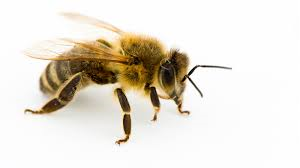
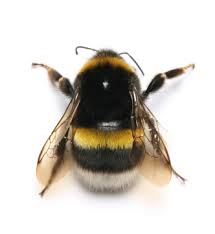
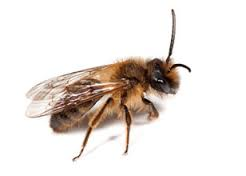
Part II.) Types of Bees
A.) Honeybees
Honey bees have been around longer than humans; there is fossil evidence from 150 million years ago! Honeybees are highly social insects. Honeybees can contain up to 60,000 bees in its colony at its peak. Honeybees can fly up to 15 miles an hour. Worker bees are sexually undeveloped females. They build hives, forage for pollen and nectar for food and circulate air within the hive by beating their wings, among other tasks. The queen’s main job is to lay eggs, though she also directs activity within the hive. Male bees are called drones. In winter months when the hive needs to conserve resources, drones are expelled. Honeybees can only sting once, causing the
bee to die, as the stinger and the venom sack get stuck in the victim’s flesh after use.
Many people are afraid of bees because they think they will be stung by them, but bees are far more interested in going about their business foraging for pollen and nectar than they are in ‘stinging’ human beings. It actually takes a lot to provoke a bee to sting you – and many of our UK bees don’t sting at all.
Honey Bees will sting if defending their honey stores or their queen, or if they think you are threatening their life by standing or sitting on them. Honeybees have a barb at the end of their sting which remains under your skin after they have stung. When a honey bee stings a person, it cannot pull the barbed stinger back out. It leaves behind not only the stinger, but also part of its abdomen and digestive tract, plus muscles and nerves. Honey bees, including killer bees, have barbed stingers that tear off when they try to fly away after stinging, so these bees die after the sting and thus can sting only one time. In this case the stinger and venom sac typically remain embedded in the skin of the victim.This massive abdominal rupture kills the honey bee. Honey bees are the one of the few species of bees to die after stinging. They usually die right after they have stung. It is worth noting that honeybees have a somewhat variable temperament, from extremely docile to quite tetchy. This is down to genetics: certain crosses can be hard to handle, even by experienced beekeepers. The good news is that honeybees almost never sting anyone who is not close to their nest/hive, so don’t worry about being stung whilst gardening or walking through a field.
****You are less likely to be stung when honeybees are swarming than at any other time. Male honeybees have no sting If you have reason to think you may be allergic to bee venom, you should carry an Epipen (A PREPARED EPINEPHRINE DOSE WITH A NEEDLE to prevent anaphylactic reaction.)*****
B.) Bumblebees Like their relatives the honey bees, bumblebees feed on nectar, using the long hairy tongue (proboscis) to lap up the liquid; the proboscis is folded under the head for flight. Bumblebees gather pollen to feed their young
They will only sting if their nest is threatened or if you squeeze them, sit on them or stand on them. They are not naturally aggressive and it takes a lot to provoke them. If they feel threatened by you they will ‘tell’ you. They do this by raising one of their middle legs in the air. When you move away they will put their leg back down again – but if you go closer (and if they are unhappy about this) they will lift another leg in the air. If you go closer still – they will lift two legs up vertically in the air or turn on their back and show you their sting! This is called ‘posturing’ but very rarely leads to them actually stinging you. If bumblebees DO ever sting, their sting has no barb like the honeybee, so they will not die afterwards 🙂
Male bumblebees do not have a sting. You can identify the males of some species quite easily by their pale yellow facial hair and little yellow moustaches. Also, male bumblebees are in less hurry than the females when foraging and have thin hairy legs (females have a wide shiny, smooth top corbicula on their back legs and are often carrying pollen)
C.) Solitary bees
There are over 230 species of solitary bee in the UK and it is VERY rare for anyone to be stung by one of these bees. As solitary bees have no honey stores to protect, there is no reason for nature to have provided them with a good defence weapon like the honeybee. The females are equipped with tiny stings but rarely, if ever, do they use them. You would have to be squashing them to provoke them to sting – and even then, the sting is so insignificant that it cannot pierce human skin. There are just one or two exceptions. Although the effect is not as severe as a honeybee sting, our tiniest species of ground nesting solitary bee, Lasioglossum and Halictus, both have fully functioning stings capable of penetrating human skin. None of the male solitary bees have stings.