
Part I Top 3 degenerative eye diseases – Cataracts/

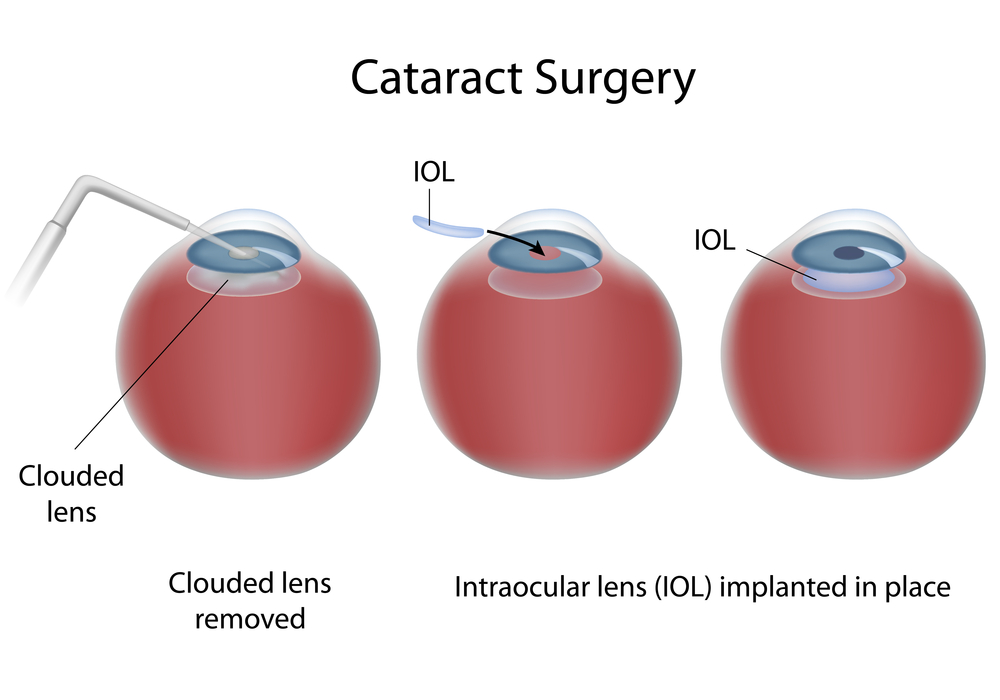
cataract1  Cataract-diagram1 cataract 2 Cataracts-2

The top 3 degenerative eye diseases – cataracts, glaucoma and age-related macular degeneration – can result in vision loss or complete blindness. Fortunately today, effective treatment options are available – and newer treatments are on the horizon. Early diagnosis and treatment can help to prevent or slow vision loss associated with degenerative eye conditions; if you experience any changes to your vision or any unusual eye symptoms, schedule an appointment with an eye-doctor as soon as possible.

Part I Cataracts

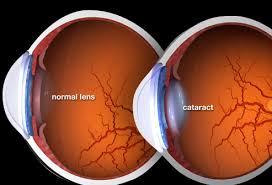
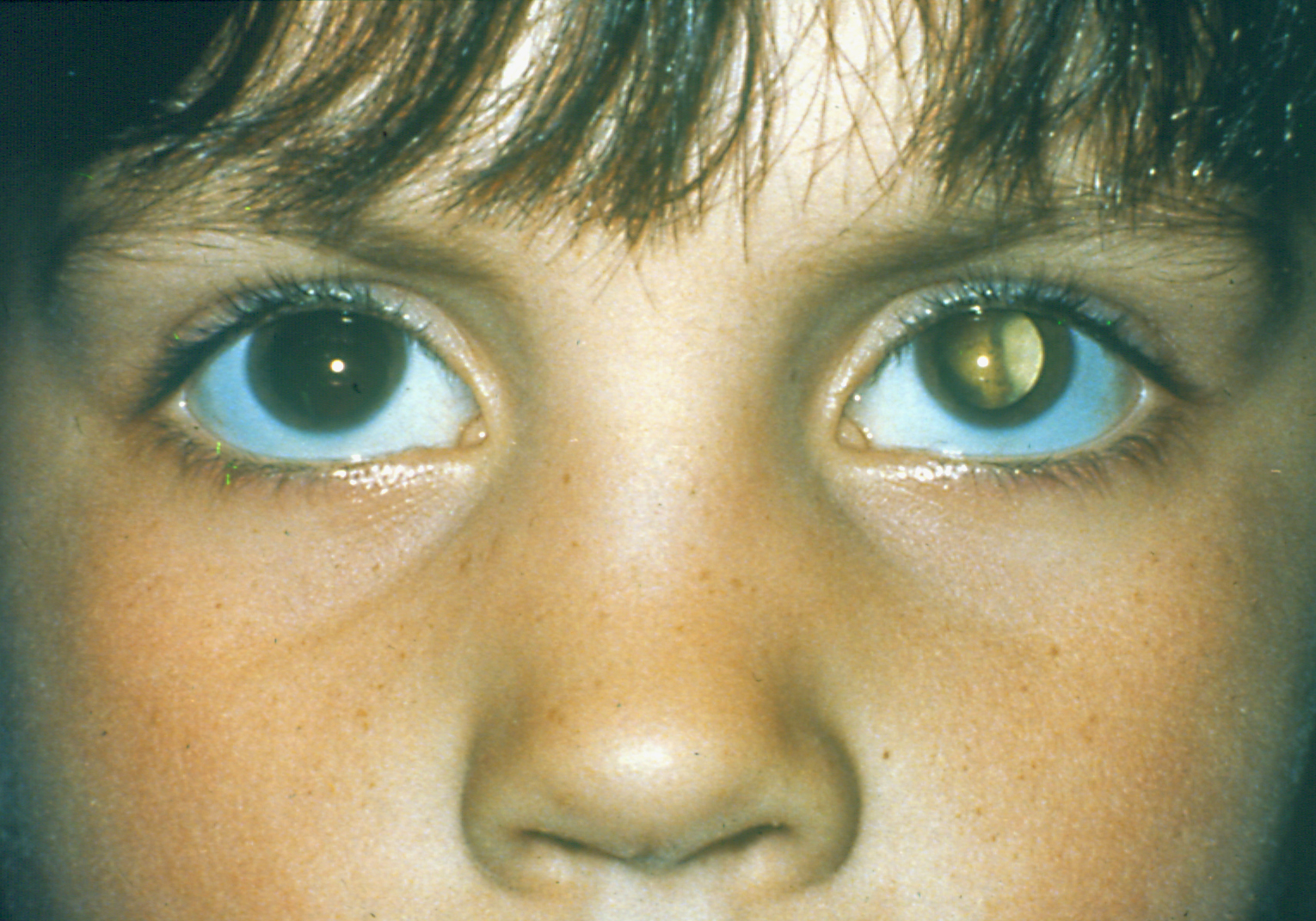
A cataract is a clouding of the lens in the eye that affects vision. Most cataracts are related to aging. Cataracts are very common in older people. By age 80, more than half of all Americans either have a cataract or have had cataract surgery.

A cataract can occur in either or both eyes. It cannot spread from one eye to the other.


Yes. Although most cataracts are related to aging, there are other types of cataract:

-Secondary cataract. Cataracts can form after surgery for other eye problems, such as      glaucoma. Cataracts also can develop in people who have other health problems, such as diabetes. Cataracts are sometimes linked to steroid use.

-Traumatic cataract. Cataracts can develop after an eye injury, sometimes years later.

-Congenital cataract. Some babies are born with cataracts or develop them in childhood, often in both eyes. These cataracts may be so small that they do not affect vision. If they do, the lenses may need to be removed.

-Radiation cataract. Cataracts can develop after exposure to some types of radiation

The most common symptoms of a cataract are:

  • Cloudy or blurry vision.
  • Colors seem faded.
  • Glare. Headlights, lamps, or sunlight may appear too bright. A halo may appear around lights.
  • Poor night vision.
  • Double vision or multiple images in one eye. (This symptom may clear as the cataract gets larger.)
  • Frequent prescription changes in your eyeglasses or contact lenses.
  • These symptoms also can be a sign of other eye problems. If you have any of these symptoms, check with your eye care professional.
  • TREATMENT
  • The symptoms of early cataract may be improved with new eyeglasses, brighter lighting, anti-glare sunglasses, or magnifying lenses. If these measures do not help, surgery is the only effective treatment. Surgery involves removing the cloudy lens and replacing it with an artificial lens.
  • A cataract needs to be removed only when vision loss interferes with your everyday activities, such as driving, reading, or watching TV. You and your eye care professional can make this decision together. Once you understand the benefits and risks of surgery, you can make an informed decision about whether cataract surgery is right for you. In most cases, delaying cataract surgery will not cause long-term damage to your eye or make the surgery more difficult. You do not have to rush into surgery.
  • Sometimes a cataract should be removed even if it does not cause problems with your vision. For example, a cataract should be removed if it prevents examination or treatment of another eye problem, such as age-related macular degeneration or diabetic retinopathy. If your eye care professional finds a cataract, you may not need cataract surgery for several years. In fact, you might never need cataract surgery. By having your vision tested regularly, you and your eye care professional can discuss if and when you might need treatment.
  • If you choose surgery, your eye care professional may refer you to a specialist to remove the cataract.
  • If you have cataracts in both eyes that require surgery, the surgery will be performed on each eye at separate times, usually four to eight weeks apart.
  • Many people who need cataract surgery also have other eye conditions, such as age-related macular degeneration or glaucoma. If you have other eye conditions in addition to cataract, talk with your doctor. Learn about the risks, benefits, alternatives, and expected results of cataract surgery.

Know the risks of cataract eye surgery:

As with any surgery, cataract surgery poses risks, such as infection and bleeding. Before cataract surgery, your doctor may ask you to temporarily stop taking certain medications that increase the risk of bleeding during surgery. After surgery, you must keep your eye clean, wash your hands before touching your eye, and use the prescribed medications to help minimize the risk of infection. Serious infection can result in loss of vision.

Cataract surgery slightly increases your risk of retinal detachment. Other eye disorders, such as high myopia (nearsightedness), can further increase your risk of retinal detachment after cataract surgery. One sign of a retinal detachment is a sudden increase in flashes or floaters. Floaters are little “cobwebs” or specks that seem to float about in your field of vision. If you notice a sudden increase in floaters or flashes, see an eye care professional immediately. A retinal detachment is a medical emergency. If necessary, go to an emergency service or hospital. Your eye must be examined by an eye surgeon as soon as possible. A retinal detachment causes no pain. Early treatment for retinal detachment often can prevent permanent loss of vision. The sooner you get treatment, the more likely you will regain good vision. Even if you are treated promptly, some vision may be lost.

Talk to your eye care professional about these risks. Make sure cataract surgery is right for you.


QUOTE FOR THURSDAY:

“Simply put, enzymes are proteins that participate in cellular metabolic processes with the ability to enhance the rate of reaction between bio-molecules.  Life would not exist without the presence of enzymes.”

thebalance.com.

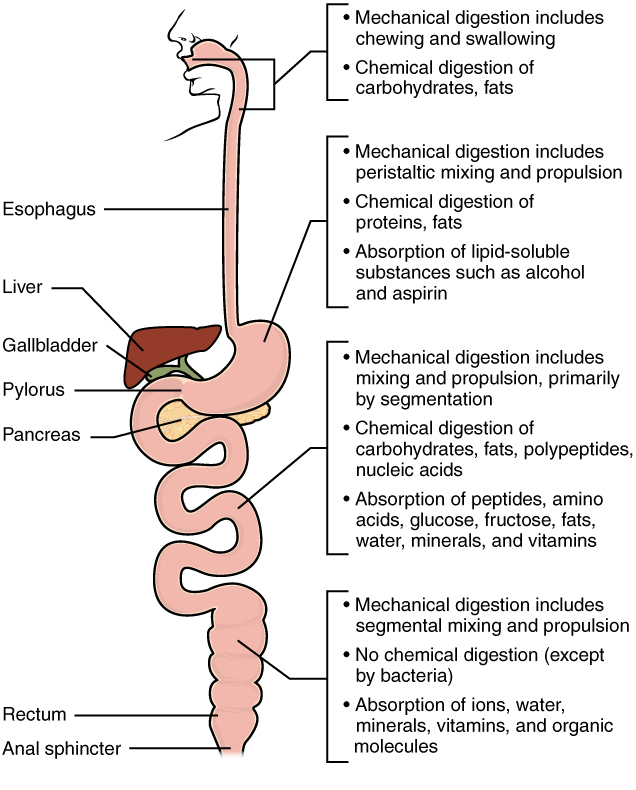
Enzymes and how they break down proteins


Let’s not forget with enzymes they also break proteins down in our body:

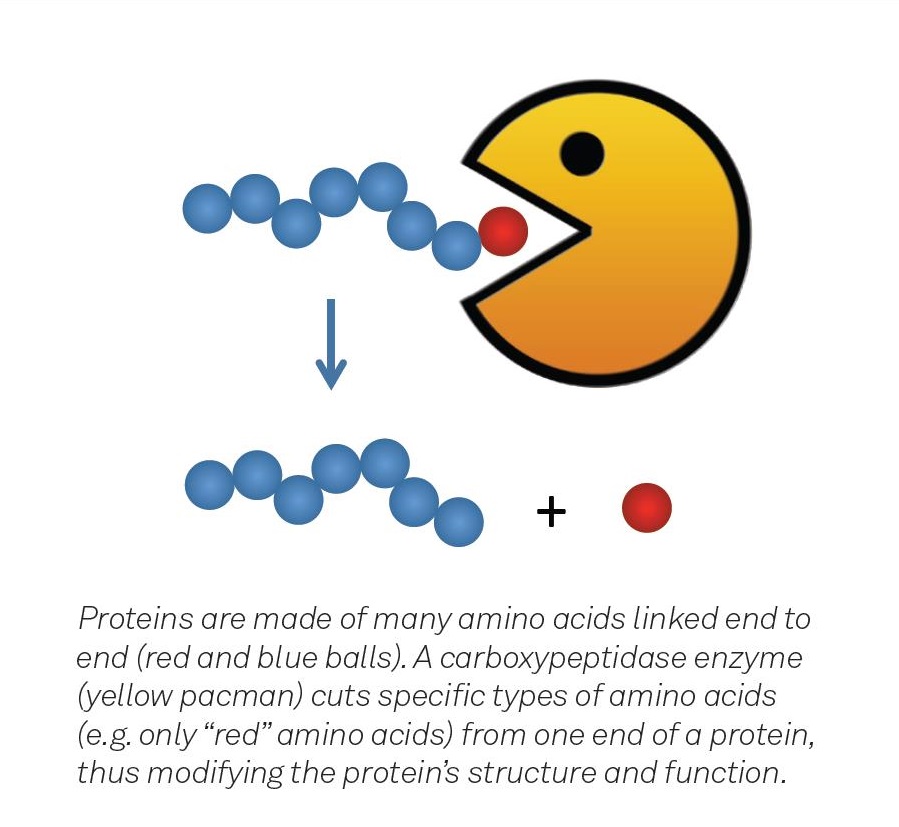
The breaking down of proteins=Trypsin Proteins are large biological molecules consisting of one or more chains of amino acids.  Proteins perform a vast array of functions within living organisms, including catalyzing amino_acidmetabolic reactions, replicating DNA, responding to stimuli, and transporting molecules from one location to another.  Trypsin is a enzyme catalyst, which allows the catalysis of chemical reactions.   The ending product of the break down is amino acids not sugar.  Know high on a protein diet continuously for years can hurt the body also.

Enzymes deal with breaking down our foods because they take a major role in what we call the process digestion in the human body.  but notice what the ending result is of mostly every ingredient in our 4 food groups is; SUGAR.  It because of the food has some sugar in it but also the chemical reaction with the enzyme to allow the food to break down into smaller compounds to be utilized in the body with send through the entire digestion process.

There are risks with eating just high protein diets for long periods of time.  You put yourself at risk for:  Osteoporosis:  Research shows that women who eat high protein diets based on meat have a higher rate of bone density loss than those who don’t. Women who eat meat lose an average of 35% of their bone density by age 65, while women who don’t eat meat lose an average of 18%. In the long run, bone density loss leads to osteoporosis.

Kidneys:  A high protein diet puts strain on the kidneys.  It is well known that patients with kidney problems suffer from eating a high protein diet which is due to the high amino acids levels.   A high-protein diet may worsen kidney function in people with kidney disease because your body may have trouble eliminating all the waste products of protein metabolism.

However, the risks of using a high-protein diet with carbohydrate restriction for the long term are still being studied. Several health problems may result if a high-protein diet is followed for an extended time:

Some high-protein diets restrict carbohydrate intake so much that they can result in nutritional deficiencies or insufficient fiber, which can cause health problems such as constipation and diverticulitis.

Some high-protein diets promote foods such as red meat and full-fat dairy products, which may increase your risk of heart disease.

If you want to follow a high-protein diet, do so only as a short-term weight-loss aid.  Also, choose your protein wisely. Good choices include fish, skinless chicken, lean beef, pork and low-fat dairy products. Choose carbs that are high in fiber, such as whole grains and nutrient-dense vegetables and fruit.

It’s always a good idea to talk with your doctor before starting any weight-loss diet. And that’s especially important in this case if you have kidney disease, diabetes or other chronic health condition (s).

So if you want to continue on high protein diets longer than 6 months know how to alkalize the body chemicals to decrease the proteins and there are supplements that can do that via the pharmacy or look up even online.


QUOTE FOR TUESDAY:

“What women should know about cervical cancer  is Guidelines for the Early Detection of Cervical Cancer. One of the best things you can do so you don’t get cervical cancer is get regular testing for cervical cancer.”

American Cancer Society

QUOTE FOR THE WEEKEND:

 
“New Year’s Day is the deadliest day of the year for pedestrians. For many, New Year’s celebrations can be the among the most fun parties of the year. But there’s a reason police departments and firemen and hospitals brace themselves for the holiday: amidst the revelry is a spike in some legitimate health risks like gun injuries and unsafe intoxication. Enjoy the holiday, but make sure to take care of yourself. “
 
The Times (time.com)

QUOTE FOR FRIDAY:

“With the holiday season upon us, food is everywhere. From festive holiday parties to dinners with friends and family, let’s face it, this time of year tends to center around food. And, it is perfectly OK to indulge on occasion, sans the guilt, without gaining weight. The trick is to enjoy what you are eating, and to eat mindfully while avoiding overindulging and gaining weight in the process.”

Dr. Lisa Young (The Blog)

Watch the junk during the holidays!

holiday junk food2holiday junk foodholiday junk food3

Junk food is simply in what it states; its JUNK. What is consisted in junk food is either food that is too high in fats, trans fat, high sugar contents=high in calories or high in carbohydrates or high in all of these ingredients are present. Also junk food is processed food which is simply this; foods that were processed or refined to make them more consumer-friendly and easier to transport but have been stripped of most — if not all — of their nutrients and fiber along the way. Carbohydrates provide energy for the body, particularly for the brain and the nervous system. An enzyme called amylase (from the liver) that helps break down carbohydrates into blood sugar, or glucose, which the cells of your body absorb for energy (our fuel for the body) that it needs at that time and whatever glucose it doesn’t need at that time we can’t get rid of it as waste but instead it gets stored in the body. Where? Well first the liver but if a large meal or even just a moderate to small meal high in carbs or starches the liver can’t store all that so than it goes to the fat tissue to be stored=weight gain. Remember sugars or calories get broken down to further simple sugars and even some fats depending on its make up. So if sugar is primarily the ending result of what foods are made up of unless fat free food than know the size of the meal plays a part in controlling your weight. Depending on the amount of sugar in the meal your having will determine how much sugar will need to be stored in fat tissue.   First the glucose needs to be utilized by the body by all cells and tissues at that time of digestion than with left over glucose that the body doesn’t need to utilize it has to use other compartments to put it in. Second the sugar goes to the liver where it is being used as a storage unit for the remaining sugar in the blood but it can only fill up so much so it’s limited in the amount that can go in it. Than when the liver gets full it than goes into fat tissue storage. So let us review this again; first the meal is digested and sugar will be dumped in the blood stream where the cells pick up the glucose and deliver it to all tissues that need there fuel=glucose, for at that time. 2ND step is the extra sugar gets stored in the liver than 3rd the extra sugar that can’t be stored in the liver when that organ reaches its max level of storage that it can fit in it in that goes to the fat tissue where that rest of the sugar gets stored=fat deposit in our body. So determined by the size or the portion of the meal you have takes part in determining how healthy it is. If it is fast food than consider it unhealthy especially if fried (no healthy energy). So what is the answer here if you want to look good and eat fast foods at times (from pizza to buffalo wings to onion rings) you have to eat that way in moderation which is saying do this occasionally. If you are in your body mass index weight range with exercising on a regular basis than your even ok to eat fast food 2 times a week but if you eat this food constantly your still building up risk factors to prone yourself to cardiac disease, diabetes, stroke, hypertension, to cancers.

If you don’t know your BMR than Calculate Your BMR

Basal Metabolic Rate Calculator – Free From Fitness® Magazine

www.FitnessMagazine.com

Examples

Examples of processed carbohydrates include most baked goods, white breads, pastas, snack foods, candies and non-diet soft drinks. Other examples of processed carbohydrates are bleached, enriched wheat flour and white sugar. Because these foods have been stripped of their nutrients and fiber, they are often referred to as “empty calories.”

Effect on Health

As our bodies try to digest the huge amounts of starches and simple sugars in a meal that is dominated by processed carbohydrates, hormone production, such as that of insulin, fluctuates dramatically. This causes blood glucose levels to experience spikes and dips, a situation that may increase the risk of developing chronic illnesses such as obesity, diabetes, cancer and heart disease. In addition, our bodies are ill-equipped to handle the array of artificial flavorings, colorings and preservatives that are frequently part of the processing of refined carbohydrates. Know when your glucose levels dip rather than stay at a steady rate by eating 5 to 6 HEALTHY meals a day with one being lean in meat and green in vegetables you put yourself at risk of putting obesity on.   When you eat 5 to 6 small healthy meals a day this won’t allow your sugar to spike and dip causing excess of glucose that doesn’t need to be utilized by the body to store in the liver to freely floating in the blood stream that gets dumped into fat tissue that will cause weight gain by storing it in your fat tissue. If you regularly eat only 3 meals a day you cause the spike and dip of glucose putting yourself at high risk for this to occur in you, unless you have a high metabolism naturally.

Alternatives

Instead of getting your carbohydrates from processed or refined foods, choose to get your carbohydrates from foods like beans, legumes, whole-wheat bread, brown rice, whole-grain pasta and other grains that may be unfamiliar to you, such as quinoa, whole oats and bulgur. These alternatives are becoming easier to find in mainstream grocery stores. Not only will these sources of carbohydrates help to protect you from a range of chronic diseases, but they will also make your meals more enjoyable and interesting.

Need assistance to reach this kind of an eating pattern with learning more about HEALTHY foods for the body that you should be eating out of the 4 food groups (that includes each group letting you know what is lean, leaner, and leanest)?   I found a M.D. who wrote a book that was very helpful.  His name is Dr. Anderson with his book “Dr. A’s healthy habits”.   His book helps you learn how to eat healthy in aiding you to develop healthier habits in your lifestyle forever not just diet for 3 or 6 or 12 months than put the weight all back on again. You learn about all the choices in what you want regarding foods, drinks, snacks and desserts or just learn about healthy foods through Dr. Anderson’s book to get the knowledge in what healthy dieting and healthy habits are that you make a part of your life. If you want to lose weight or prevent disease or illness in your life and even pass it down to your children to be passed down to further generations this is the a good pathway to follow. You reach that goal through learning proper healthy dieting, healthy habits and exercise with balancing it with rest. Hope I have helped you in someway and have given you another aspect of how to look at your health including your friends and family. For if we all thought this way, fast food businesses wouldn’t be the number one place in restaurant industry but at the bottom with our health care system better for all in our society as a whole showing a lot less disease/illness (since a lot of cardiac, obesity, diabetes II, and some cancers with more diseases are self inflicted due to our dieting and activity level of many American citizens.). We can make a change and our society has done so before. As the old saying history repeats itself time and time again, so can our society for the better of everyone. If only excess sugar in the bloodstream after eating could leave our system through our kidneys when filtering our blood dumping it in our urinary bladder and when urinating the extra sugar leaves the body or if it was dumped in our GI tract from our bile duct in our intestines and evacuated in our stool no one in the world would be fat. It doesn’t work that way instead it gets stored in our body. Unfortunately after the meal upon digestion sugar gets dumped in the blood, goes around the whole blood stream pathway being utilized by tissue where it’s needed and the extra sugar gets dumped into the liver but when that organ gets full than the left over sugar gets dumped into our fat tissue. This is how getting Obese happens naturally.


QUOTE FOR THURSDAY:

“The holidays often inspire lots of spending. Whether you’re shopping for presents, decorating your home or preparing a large meal, there are different steps you can take to keep your budget on track this holiday season.”

US NEWS (usnews.com)