
Part II Holiday or not there are shopping alcoholics, the holiday season & prices makes it easier to do.


  Stop and Budget!

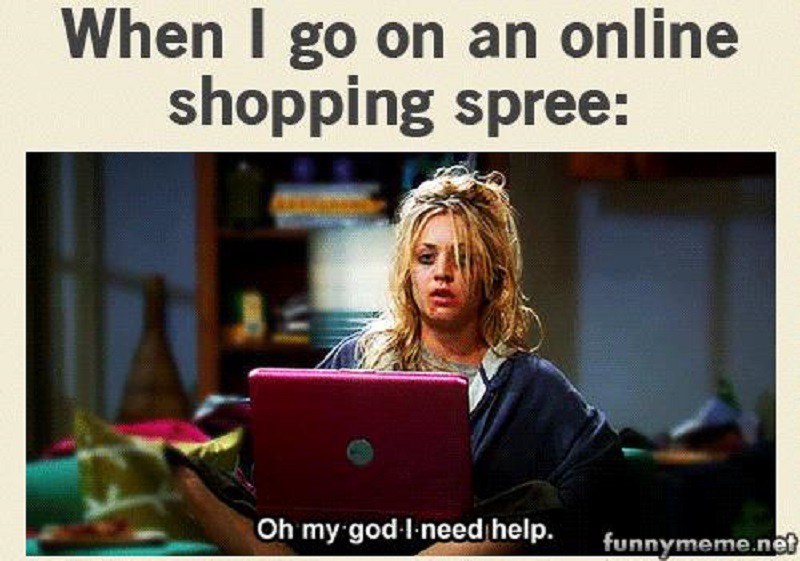
The simple fact is during the holiday season it can be difficult to differentiate between normal shoppers and compulsive spenders. For instance, compulsive spenders often experience a feeling of excitement before going shopping, a deep sense of pleasure and gratification while shopping, and a loss of excitement coupled with guilt, shame, and remorse after shopping. It seems highly likely that at least a few non-compulsive holiday shoppers experience the exact same feelings before, during, and after a Black Friday splurge. However, non-compulsive spenders laugh it off and return the unwanted items, no harm done, whereas compulsive spenders will hide their behavior and suffer through intense feelings of guilt, shame, and remorse. And to relieve these feelings, compulsive spenders will self-medicate with yet another round of compulsive spending.

What to Watch Out For

If you’re worried about your holiday shopping (or your spending in general), consider the following. Behaviors associated with compulsive spending include:

• Reacting to disappointment, stress, anger, and other difficult feelings by shopping.
• Feeling euphoria mixed with anxiety while shopping.
• Feeling like you are getting away with something forbidden while shopping.
• Feeling guilt or remorse after shopping.
• Buying things that are never or almost never used.
• Lying about shopping habits to family or friends.
• Feeling that your spending is out of control.
• Feeling that your spending is causing conflict in the family, especially with a spouse or partner.
• Making (but not keeping) promises to curtail or quit shopping.
• Being preoccupied with credit cards and finances.

For compulsive spenders, one out-of-control shopping spree is never enough. Neighborhood malls and Internet shopping sites are magnets, and they can’t stay away. During the holiday season, they purchase and give expensive gifts, not because they are filled with love but because they need an excuse to spend. Like other types of addicts, compulsive spenders lie about and cover up their behavior. They learn to shop in secret, often online. They hide purchased goods, price tags, and receipts. Sometimes they even destroy their purchases in an attempt to conceal their spending. And their finances are nearly always strained, often past the breaking point.

Sadly, what compulsive spenders are actually attempting to purchase is happiness. They want to be liked and admired and to not feel depressed or anxious. It doesn’t matter how much money spending addicts have or how successful they are; they feel empty inside, and they use shopping to fill the emotional void.

If you recognize any of the aforementioned thoughts, feelings, and behaviors in relation to your holiday (or everyday) spending, you may want to take a deeper look at your purchasing habits. The good news is if you think you have a problem, plenty of help is available. Many certified addiction therapists have experience treating compulsive spending, and there are several 12-step self-help groups, such as Debtors Anonymous and Shopaholics Anonymous, where you can find nonjudgmental support and good, constructive advice. There are even some indications that psychiatric medications can help with this and related compulsive disorders.

Remember, the consequences of compulsive spending usually persist long after a spree. The financial strain can be devastating, but other consequences can be just as troubling, if not more so. The stress of addiction can take a toll on marriages, friendships, careers, and even the compulsive spender’s physical health. Without treatment, compulsive spenders can eventually destroy everything they hold dear.

David Sack, M.D., is board-certified in addiction psychiatry and addiction medicine. As CEO of Elements Behavioral Health he oversees a network of addiction treatment centers that include Promises Treatment Centers, The Ranch outside Nashville, The Recovery Place drug rehab in Florida, and Texas rehabs Right Step and Spirit Lodge.
QUOTE FOR WEDNESDAY:

“Most stores are carefully engineered to get you to overspend. Particularly during the last month of the year, they’ll tug on your emotions with holiday cheer and load the checkout aisle with tempting holiday delights.”

Emmie Martin (The Blog)

QUOTE FOR TUESDAY:

“Take steps to be safe during winter storms and extreme cold.            Stay indoors during the storm, Dress for the weather, Wear a hat, hood, or scarf, as most heat is lost through the head.  Wear layers, as they provide better insulation and warmth.  Keep fingertips, earlobes, and noses covered if you go outside.  Keep clothing dry; if a layer becomes wet, remove it.Recognize the signs and symptoms of frostbite and hypothermia but keep the heart pumping in the cold”

NYC Emergency Management

Snow has hit, stay inside & here are some ideas to get your heart pumping at home!

snowflake2pumping-heart2 sunlight-exposure-part-iii

In winter, bad weather can strike unexpectedly, causing roads to be iced over and snowy. But staying safe at home doesn’t mean you must give up being physically active. Here are some ideas to get your heart pumping at home:

  • Do some activity with the lungs. You ask how in this terrible cold weather; well here are some tips: Take a couple laps around the living room – you’ll engage your thigh and buttock muscles.
  • Try stretching. Stretch your whole body, focusing on legs, then arms, then abdomen and back having music on or wathing T.V.
  • Do pushups and crunches. Do three sets of 10 each while watching a movie or listening to music. Before you know it, you’ll be done!
  • Climb up and down stairs. Start by climbing one step at a time, then move up to two.
  • Enjoy workout videos. Check the Web, websites stream workout videos that you can watch for free.
  • Play holiday charades. Get the whole family involved with a holiday themed game of charades or if passed the holidays do regular charades based on average similar likes from TV to foods to movies, etc… Use characters like reindeer (gallop), Santa (riding his sleigh) or elves (working in the toy shop). Act out.

Ward Off the Sniffles by doing the following:

Cover a cough or sneeze with a tissue instead of your hand. Remember to throw your tissue away and wash your hands with soap and water or an alcohol-based sanitizer.

  • Wash your hands. This is one of the best ways to avoid catching a cold or giving one to someone else.
  • Drink up! Be sure to stay hydrated; drink plenty of water is what I mean by drink up.
  • Get some shut-eye. Stay a step ahead of illness by getting plenty of sleep (about eight hours a night). You’ll see a difference for I surely do when I can get 8 hours sleep.

QUOTE FOR FRIDAY:

“As millions take to the roads and skies leading up to Christmas, rainstorms will drench the East as snowstorms plunge across the West.  According to the American Automobile Association (AAA), one in three Americans will take a trip during the holiday season with the number of travelers expected to top 100 million for the first time on record.  People traveling by vehicle in the mountains of the West will need to have tire chains on hand. Windshield wipers will get a workout along much of the Pacific coast.”

Accuweather.com

Get ready for the cold and flu America even Christmas!

Although winter comes as no surprise, many of us are not ready for its arrival. If you are prepared for the hazards of winter, you will be more likely to stay safe and healthy when temperatures start to fall.

Many people prefer to remain indoors in the winter, but staying inside is no guarantee of safety. Take these steps to keep your home safe and warm during the winter months.

Winterize your home.

Install weather stripping, insulation, and storm windows.

Insulate water lines that run along exterior walls.

Clean out gutters and repair roof leaks.

Check your heating systems.

Have your heating system serviced professionally to make sure that it is clean, working properly and ventilated to the outside.

Inspect and clean fireplaces and chimneys.

Install a smoke detector. Test batteries monthly.

Have a safe alternate heating source and alternate fuels available.

Prevent carbon monoxide (CO) emergencies.

Install a CO detector to alert you of the presence of the deadly, odorless, colorless gas. Check batteries regularly.

Learn symptoms of CO poisoning: headaches, nausea, and disorientation.

Get your car ready for cold weather use before winter arrives.

Service the radiator and maintain antifreeze level; check tire tread or, if necessary, replace tires with all-weather or snow tires

Keep gas tank full to avoid ice in the tank and fuel lines.

Use a wintertime formula in your windshield washer.

Prepare a winter emergency kit to keep in your car in case you become stranded. Include

blankets;

food and water;

booster cables, flares, tire pump, and a bag of sand or cat litter (for traction);

compass and maps;

flashlight, battery-powered radio, and extra batteries;

first-aid kit; and

plastic bags (for sanitation).

Be prepared for weather-related emergencies, including power outages.

Stock food that needs no cooking or refrigeration and water stored in clean containers.

Keep an up-to-date emergency kit, including:

Battery-operated devices, such as a flashlight, a National Oceanic and Atmospheric Administration (NOAA) Weather Radio, and lamps;

extra batteries;

first-aid kit and extra medicine;

baby items; and

cat litter or sand for icy walkways.

Many people spend time outdoors in the winter working, traveling, or enjoying winter sports. Outdoor activities can expose you to several safety hazards, but you can take these steps to prepare for them:

Wear appropriate outdoor clothing: layers of light, warm clothing; mittens; hats; scarves; and waterproof boots.

Sprinkle cat litter or sand on icy patches.

Learn safety precautions to follow when outdoors.

Be aware of the wind chill factor.

Work slowly when doing outside chores.

Take a buddy and an emergency kit when you are participating in outdoor recreation.

Carry a cell phone.

Protect your family from carbon monoxide.

Keep grills, camp stoves, and generators out of the house, basement and garage.

Locate generators at least 20 feet from the house.

Leave your home immediately if the CO detector sounds, and call 911.

When planning travel, be aware of current and forecast weather conditions.

Avoid traveling when the weather service has issued advisories.

If you must travel, inform a friend or relative of your proposed route and expected time of arrival.

Follow these safety rules if you become stranded in your car.

Stay with your car unless safety is no more than 100 yards away, but continue to move arms and legs.

Stay visible by putting bright cloth on the antenna, turning on the inside overhead light (when engine is running), and raising the hood when snow stops falling.

Run the engine and heater only 10 minutes every hour.

Keep a downwind window open.

Make sure the tailpipe is not blocked.

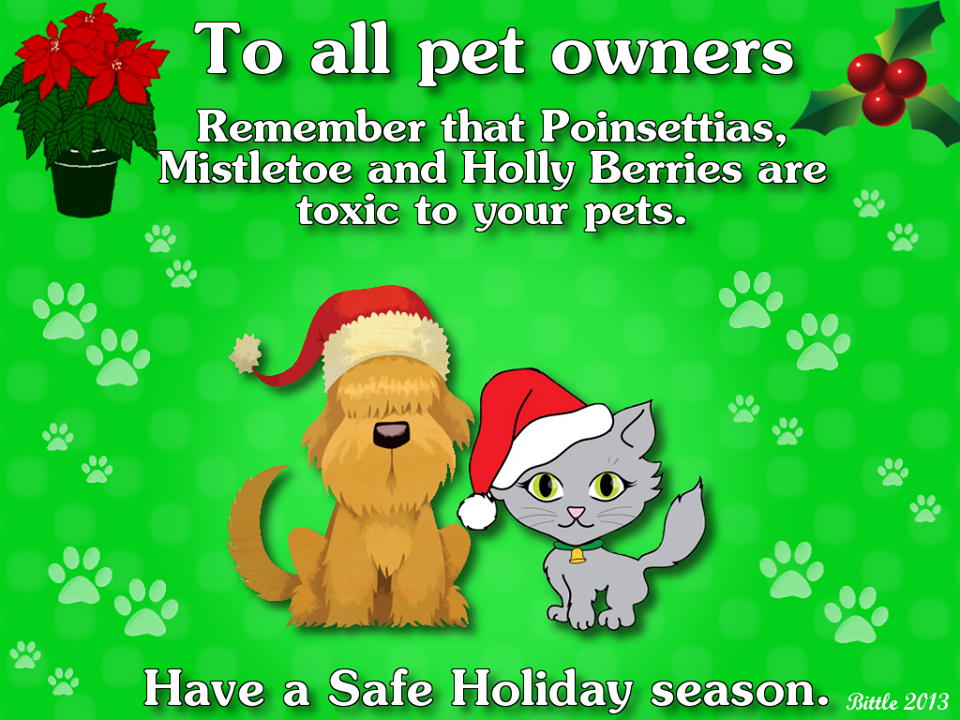
Above all, be prepared to check on family and neighbors who are especially at risk from cold weather hazards: young children, older adults, and the chronically ill. If you have pets, bring them inside. If you cannot bring them inside, provide adequate, warm shelter and unfrozen water to drink.

No one can stop the onset of winter. However, if you follow these suggestions, you will be ready for it when it comes.

Also regarding health lets look at what most people do in the WINTER as opposed to the SUMMER (hot weather):

Winter weight gain isn’t just an urban myth. Research has shown that most of us could gain around a pound (half a kilo) during the winter months. That may not sound like much, but over the course of a decade, it can add up.

“There’s good evidence that people put on weight over the winter,” says dietitian Sian Porter. “The more overweight you are, the more you tend to put on. And the most worrying aspect of this seasonal weight gain is that the pounds tend to stay on. People don’t seem to lose the extra weight.”

The three main reasons that people put on weight in the winter are lack of physical activity, comfort eating and over-indulging at Christmas.

Cold weather and shorter days make it harder to exercise outdoors, so it’s easy not to do any exercise over winter. If you’re not outside as much, there’s more time and temptation to reach into the kitchen cupboard for high-calorie sweet snacks, such as biscuits and cakes.

Then of course there are the festivities that surround Christmas. “What used to be a couple of days of parties and over-eating now seems, for some, to be six weeks of over-doing it,” says Porter.

So what’s the solution? Here are four simple ways to avoid winter weight gain.

1. Stock up your kitchen cupboards

Keep your store cupboard stocked with staples such as cans of tomatoes, spices, beans and pulses, dried wholewheat pasta, wholewheat cereals, noodles, couscous and dried fruit. Keep some extra bread in the freezer if there’s space. That way, you’ll be able to create a quick and nutritious evening meal, such as a lentil or vegetable soup or stew, at short notice. You’ll save money and avoid the temptation to order a high-calorie takeaway.

2. Exercise more

When the outside temperature drops, it’s easy to give up on outdoor exercise. In winter, we stop doing calorie-burning outdoor activities like short walks and gardening. But reducing the amount of physical activity you do is one of the biggest contributors to winter weight gain.

Cold weather and shorter days don’t mean you have to abandon exercise completely. Instead, rearrange your schedule to fit in what you can. You don’t need formal exercise to burn calories.

A brisk walk can be revitalising after being indoors with the central heating on, and it’ll also help boost your circulation. Put on some warm clothes and jog around the neighbourhood or start a snowball fight with the kids. Most leisure centres have heated swimming pools and indoor tennis and badminton courts. If you’d rather stay at home, buy some dance or workout DVDs, and always walk up the stairs at work rather than using the lift. “These little things can make all the difference when it comes to avoiding that pound of weight gain over winter,” says Porter.

3. Drink smart

It’s important to consume hot drinks throughout winter as it will help you keep warm. However, some hot beverages are high in calories. Milky, syrupy coffee shop drinks and hot chocolate with whipped cream can add a lot of calories to your diet. A Starbucks medium caffe mocha, for instance, contains more than 360 calories. Stick to regular coffee or tea, or ask for your drink to be “skinny” (made with skimmed milk). Also,  limit your alcohol intake as much as possible.

4. Get your winter greens

Eating a wide variety of foods ensures you get a range of nutrients, including vitamins and minerals. Don’t get stuck eating the same food every day.

Look out for root vegetables, such as swedes, parsnips and turnips, and winter veggies such as cauliflower, Brussels sprouts, kale and artichokes. They’re filling as well as nutritious so will help you to resist a second helping of trifle.

5. Get the FLU VACCINE!\

Ways you can create a winter wellness plan that works for you:

that works for you.

1. Bring out the crock pot! Emphasis slow cooked, warm, moist meals this season. Soups are a perfect match for the cold, dry days.

2. We gravitate toward richer foods in the winter for good reason — we need to stay warm, lubricated and healthy.  Allow yourself to indulge in high quality dairy, nuts and seeds, dried fruits, organic meats, and healthy fats — you can feel satisfied without jumping on the sugar train.

3. With the increase in heavier foods, be sure to increase spices and foods that help keep digestion lively. Many of these foods and spices have the added benefit of boosting your immune system because they are antibacterial. Try adding dark leafy greens, berries, garlic, onions, ginger, cumin, oregano, and cinnamon to your recipes whenever you can.

4. Pay attention if your skin feels tighter these days; you may need to switch to a hardier natural moisturizer like cocoa butter.

5. Use humidifiers to keep the air you are breathing moist.

6. If you use a neti pot to help keep your sinuses clear,  swab your inner noise with a q-tip dabbed in coconut oil or olive oil when you are done to be sure you don’t over dry that area.

7.  Be proactive about preventing ear infections.  Warm up garlic oil (sold in natural health food stores) to body temperature and put a dropper full into each ear canal.

8. We breathe a lot more indoor air in the winter, so be especially careful to keep it clean and free of toxins. Rotate an air purifier into different rooms.

9. Let indoor green plants help keep your air clean and fresh.

10. Diffuse essential oils to increase the negative ion count in your air (shown to help mitigate the effects of seasonal affective disorder).

11. Prioritize sleep and follow the sun’s lead. As the days get shorter, shift your sleep routine toward going to bed earlier and to allow your body more hours to rest and repair.


Photo by Lynn Lin

12. Keep physically active during the winter to bolster mental health and physical immunity.

13. If you are a walker or runner, invest in a set of cold weather workout clothes so your can keep up your routine as the temperature dips.

14. Shift to indoor activities : yoga, stretching, dance, toning and aerobics can all be done via a DVD in your living room.

15. Join a gym or group workout class to keep connected and accountable to getting your workout in.

16. Get social! Stay connected to others, even as your activities shift more and more indoors. Join a moms’ group or book club that meets regularly.

17. Replace outdoor kid’s outings with indoor ones, like book time at the library or trips to the museum.

18. Strengthen your body’s defenses by keeping your gut healthy.  Consume foods that have natural probiotics (like yogurt, kefir, miso soup, cultured vegetables, sauerkraut), or take a high quality supplement.

19. If you take fish oil supplements, shift to cod liver oil supplements for the winter. These have the added benefit of vitamin A and D (great for months when our access to vitamin D producing sunshine is limited).

20. Finally, make a Feel Good menu specifically for winter. Take a moment to brainstorm all the things you can do in winter that you enjoy, that feel indulgent, and that make you happy. Keep this list posted and draw from it to make your days more special and when you need a little extra pampering.

Need a little help in understanding or knowing how to diet healthy, balance rest with exercise and living healthy habits on a routine schedule with treating yourself now and than to treats than go to healthyusa.tsfl.com and learn through Dr. Anderson and through a health coach on how to reach this goal without starving.  Take a peek you may just like what you see and you make all the choices of what to do and what to eat.  Hope to hear from you.  Stay healthy this winter!

QUOTE FOR THURSDAY:

“The lack of snow in areas where snow usually falls is NOT a good thing. The reasons are Farmers need snow, plain and simple; if agricultural shortages, the end result is often that the prices for food will rise.  Its a natural part of the ecological cycle.”

EnviroDad.com (an environmentalist blog)

QUOTE FOR WEDNESDAY:

I think you will enjoy life better and you will enjoy other people much better by following this rule.   “Never hear what people think of you. Instead, hear what they are feeling and needing at the moment they’re expressing those thoughts.”

Marshall B. Rosenberg, Ph.D. (October 6, 1934 – February 7, 2015 was an American psychologist, mediator, author and teacher).


HOW TO STAY SAFE DURING THE HOLIDAYS:

The holiday Hanukkah is right here and Christmas with the New Year right around the corner, and it’s the time of year that we have to pay close attention to what is going on around us. Immediately following Thanksgiving the Christmas tunes started playing in the stores to match the display of holiday decorations, lights, Christmas trees and gift sets that all seem to miraculously appear overnight. For many of us, the holiday season can be very stressful with the demands of shopping, decorating, planning parties and the lack of money to spend on all these festivities may add up to distraction and anxiety. Predators are very busy this time of year, and they are ready to pounce on anyone who is simultaneously carrying a million shopping bags while searching for car keys and talking on the cell phone.  Well by now we are all set for the holiday, so that is one good positive note in decreasing the stress.  We are all guilty of befalling into the the mad hustle and bustle of the holidays with little focus on anything else. The downturn of the economy, high real unemployment rates, and very politically polarized as a nation which has fueled a negative influence on communities across the nation. That is exactly why a politically polarized nation is not good since there is no agreement with each other;  just look at the news alone.  Violent crimes, especially against innocent people, are on the rise, and the desperation of the times is only going to help influence the numbers to go up which has in NYC besides many other areas.
The following tips from the Los Angeles Police Department Crime Prevention Section can help you be more careful, prepared and aware during the holiday season.

  • Shop during daylight hours whenever possible. If you must shop at night, go with a friend or family member.
  • Dress casually and comfortably.
  • Avoid wearing expensive jewelry.
  • Do not carry a purse or wallet, if possible.
  • Always carry your Driver License or Identification Card along with necessary cash, checks and/or a credit card you expect to use.
  • Even though you are rushed and thinking about a thousand things, stay alert to your surroundings.
  • Avoid carrying large amounts of cash.
  • Pay for purchases with a check or credit card when possible.
  •  Keep cash in your front pocket.
  • Notify the credit card issuer immediately if your credit card is lost, stolen or misused.
  • Keep a record of all of your credit card numbers in a safe place at home.
  • Be extra careful if you do carry a wallet or purse. They are the prime targets of criminals in crowded shopping areas, transportation terminals, bus stops, on buses and other rapid transit.
  • Avoid overloading yourself with packages. It is important to have clear visibility and freedom of motion to avoid mishaps.
  • Beware of strangers approaching you for any reason. At this time of year, “con-artists” may try various methods of distracting you with the intention of taking your money or belongings.

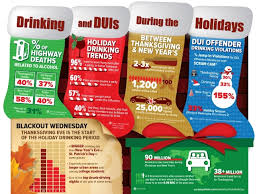
What I am thinking of Christmas is its a time when many people get depressed and stressed, unfortunately. People also drink more. So maybe there are more accidents waiting to happen. Just a caution to keep your defensive driving skills a little sharper perhaps.

When visiting with family and extended it can be stressful and a lot of times people wonder what the distant Aunt or in-law or brother etc… is thinking.  A good rule of thumb is never assume or wonder what the other family person is thinking.

If you want to enjoy your life, particularly during high stress situations, I would strongly recommend you never hear what another person thinks.

I think you will enjoy life better and you will enjoy other people much better by following this rule.   “Never hear what people think of you. Instead, hear what they are feeling and needing at the moment they’re expressing those thoughts.”   words of wisdom by Marshall B. Rosenberg, Ph.D.