QUOTE FOR FRIDAY:

“Tens of thousands of sports and recreation-related eye injuries occur each year. The good news is that 90 percent of serious eye injuries are preventable through use of appropriate protective eyewear. The risk of eye injury can vary depending on the activity. Make sure the level of eye protection you or others in your family use is appropriate for the type of activity. Regular eyeglasses do not offer proper eye protection.”

American Academy of Ophthalmology

Sports eye safety month.

More than 25,000 people seek treatment for sports-related eye injuries each year. The good news is that almost all of these injuries can be prevented. Whatever your game, whatever your age, you need to protect your eyes!

Take the following steps to avoid sports eye injuries:

  • Wear proper safety goggles (lensed polycarbonate protectors) for racquet sports or basketball. In order to be assured that your eyes are protected, it is important that any eye guard or sports protective eyewear are labeled as ASTM F803 approved. This eyewear is performance tested to give you the highest levels of protection.
  • Use batting helmets with polycarbonate face shields for youth baseball.
  • Use helmets and face shields approved by the U.S. Amateur Hockey Association when playing hockey.
  • Know that regular glasses don’t provide enough protection
This publication is copyrighted. This sheet may be reproduced—un altered in hard print (photocopied) for educational purposes only. The Prevent Blindness name, logo, telephone number and copyright information may not be omitted. Electronic reproduction, other reprint, excerption or use is not permitted without written consent. Because of the time-sensitive nature of the information contained in this publication, contact Prevent Blindness for updates.MK09 04/15 © 2015 Prevent Blindness® All rights reserved.
Each year, more than 40,000 people are treated for eye injuries related to sports activities. Using the right kind of eye protection while playing sports can help prevent serious eye injuries and even blindness.For sports use, polycarbonate lenses must be used with protectors that meet or exceed the requirements of the American Society for Testing and Materials (ASTM). Each sport has a specific ASTM code, so look for the ASTM label on the product before making a purchase.
Baseball Type of eye protection:
• Faceguard (attached to helmet) made of polycarbonate material
• Sports eyeguards
Eye injuries prevented:• Scratches on the cornea• Inflamed iris• Blood spilling into the eye’s anterior chamber• Traumatic cataract• Swollen retina
Basketball Type of eye protection:• Sports eyeguards
Eye injuries prevented:• Fracture of the eye socket• Scratches on the cornea• Inflamed iris• Blood spilling into the eye’s anterior chamber
• Swollen retina

Soccer Recommended protection:

  • Sports eyeguards

Injuries prevented:

  • Inflamed iris
  • Blood spilling into the eye’s anterior chamber
  • Swollen retina

Football Recommended protection:

  • Polycarbonate shield attached to a faceguard
  • Sports eyeguards

Injuries prevented:

  • Scratches on the cornea
  • Inflamed iris
  • Blood spilling into the eye’s anterior chamber
  • Swollen retina

Hockey

Recommended protection:

  • Wire or polycarbonate mask
  • Sports eyeguards

Injuries prevented:

  • Scratches on the cornea
  • Inflamed iris
  • Blood spilling into the eye’s anterior chamber
  • Traumatic cataract
  • Swollen retina

QUOTE FOR WEDNESDAY:

“Bees, wasps, and hornets can quickly take the fun out of summer activities, especially if an allergy makes an insect encounter a potentially life-threatening event. It’s best to “bee” prepared for whatever buzzes your way.”

Insect allergy expert David B.K. Golden, MD,Guest on MedicineNet.com (when the doctor bring the knowledge to you).


What do you do if you or your child or family is stung?

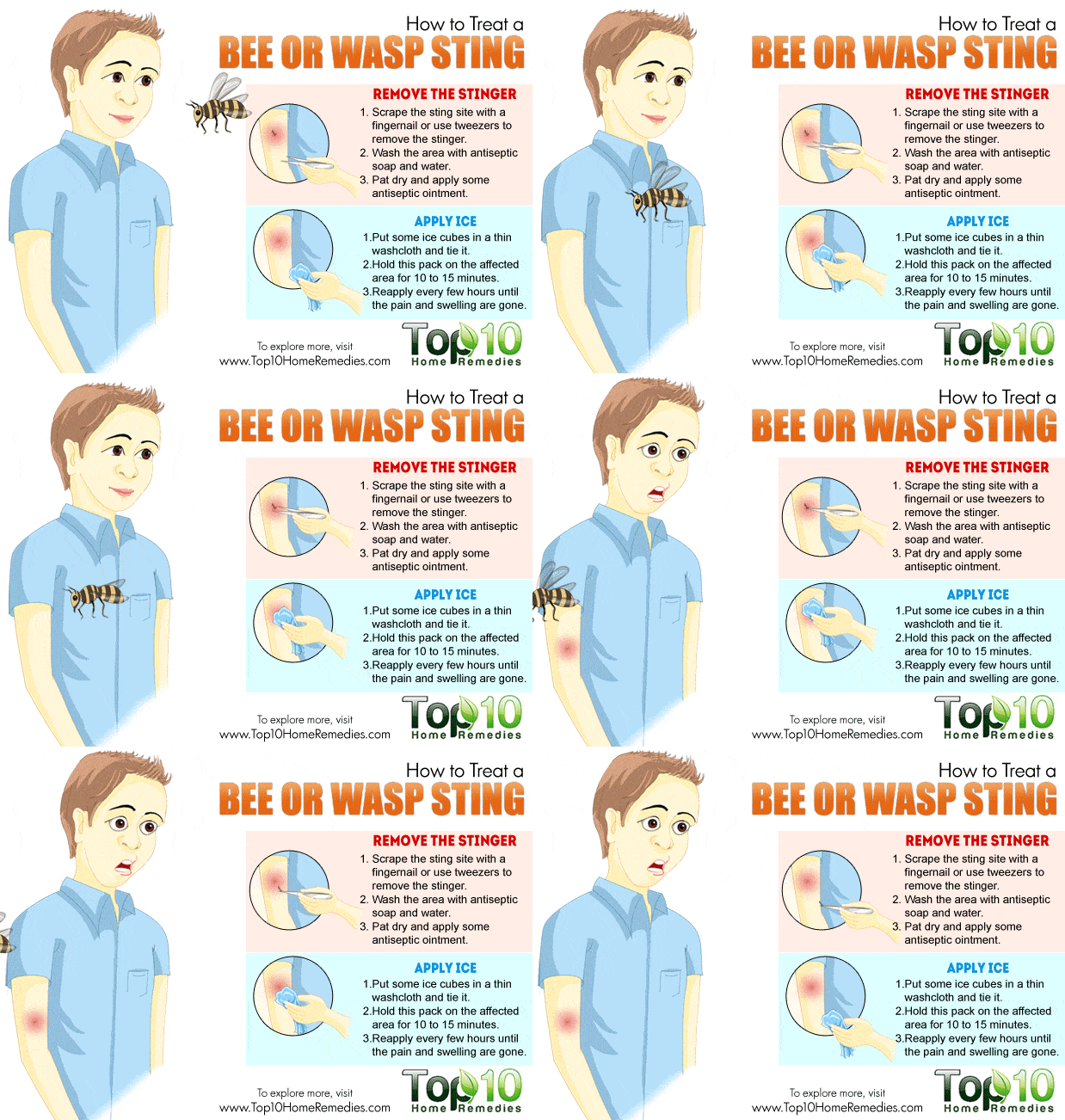
One get into a safe area and away from a hive or outside where more stinging insects can come and attack you.

Two look at the area and if you see the stinger DO NOT SQUEEZE IT OUT since you will squeeze out more venom from the stinger but what you can do is get a tweezer and pull it our or if not available you can attempt to scratch it out with a nail (like if you are out camping and have no tweezers for example).

Three than wash the area out with soap and apply ice if the area is in pain to give the numbing affect to the area and decrease the pain with decreasing the venom from spreading.

If the area is itching apply oatmeal or a antihistamine cream to the area to decrease the itching or maybe even a cool bath.

Most stings will cause a small red bump to the area that got stung.  For most part they can be treated at home depending on the area that was stung (Foot vs EYE for example).  It would also include the reaction the individual has (LOCAL vs SYSTEMIC or even ANAPHYLACTIC=An allergic reaction that needs to be treated immediately or fatal, usually with epinephrine injection.).

Stung in the eye it will get swollen and shut and immediate evaluation from a MD is needed to make sure there is no other injury to the eye or that they didn’t even actually get stung in the eye itself.

If you show hives with DIFFICULTY BREATHING or DIFFICULTY SWALLOWING you NEED TO CALL 911 IMMEDIATELY since this is indicating a ANAPHYLACTIC REACTION most likely that needs treatment ASAP!!  Since this can lead to shock or unconsciousness.

If you have reason to think you may be seriously allergic to bee venom, you should carry an Epipen (further discussed below).

How to determine if your even allergic to stings:

The diagnosis is made by a specialist, an allergist, by interviewing the patient and doing special allergy tests. If someone has had what is described as a systemic reaction, they should have venom skin tests done by an allergist to identify which venoms they are allergic to. The allergist can then recommend, based on the kind of reaction that the patient had, what kind of prevention would be the best idea for that person. For some people, it might be enough to be careful and carry an EpiPen, but for most people with insect skin allergy the best recommendation is to be immunized with venom treatment, because the allergy shots are highly effective to prevent dangerous reactions.  This would all be done after any serious reactions were first taken care of in the ER if you had to call 911.

If you have reason to think you may be seriously allergic to bee venom, you should carry an Epipen (further discussed below).  What it this exactly?  An EpiPen is one kind of injector to deliver epinephrine, also known as adrenaline. It is a spring-loaded injector that makes it easy for somebody to give themselves an emergency injection that can be life-saving when there’s a severe allergic reaction. An EpiPen is useful for someone to carry if they have had a severe allergic reaction in the past. This is true for insect sting allergy and for some food allergies or other causes of anaphylaxis.

Let me point out that there is no other medicine that can counteract a severe allergic reaction, but sometimes even the EpiPen isn’t enough; so when someone needs to use an EpiPen they should call 911, because they may need intravenous fluids or oxygen or other medicines.  BE SAFE RATHER THAN SORRY!

So let us remember it is coming onto summer but their BACK AGAIN!

References For Part I and Part II BE ALERT TO SPRING INSECT STINGERS INCLUDING KNOWING WHAT TO DO IF STUNG! and today’s topic listed above:

1-Read more: http://www.ehow.com/how
2-NEWS4JAX.com Published On: May 30 2014 09:38:22 AM EDT

3-http//beestrawbridge.blogspot.com/2013/03/which- bees-sting and which-don’t.html with Phil Chandler of Biobees.

4-Wikipedia-2013 published Bees

5-MedicineNet.com Bee and Wasp Sting 12/11/2013


QUOTE FOR TUESDAY:

“Bumble bees, hornets, yellow jackets, and wasps are able to sting multiple times, since their stingers are smooth and can be easily withdrawn from the victim’s skin.”

MedicineNet.com 12/11/2013 Bee and Wasp Sting

Part 2 BE ALERT TO SPRING INSECT STINGING VISITORS & KNOWING WHAT TO DO IF STUNG!

  Honey Bees

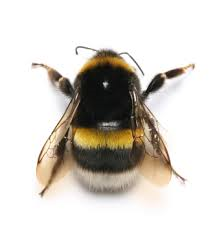
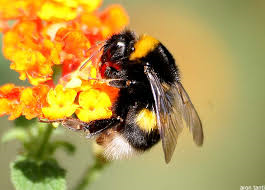
Bumble Bees – Above

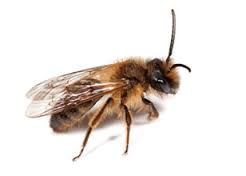
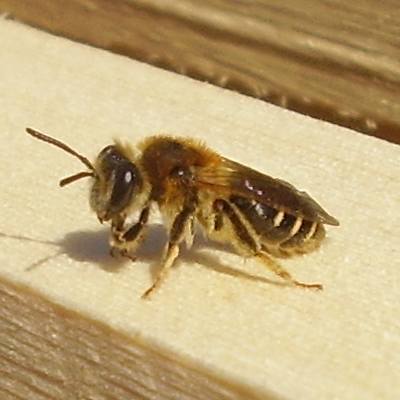
Solitary Bees (Above)

2.)Types of Bees

 A.) Honeybees

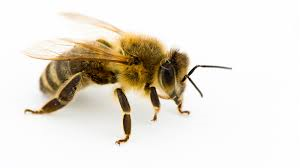
Honey bees have been around longer than humans; there is fossil evidence from 150 million years ago! Honeybees are highly social insects. Honeybees can contain up to 60,000 bees in its colony at its peak.  Honeybees can fly up to 15 miles an hour.  Worker bees are sexually undeveloped females. They build hives, forage for pollen and nectar for food and circulate air within the hive by beating their wings, among other tasks. The queen’s main job is to lay eggs, though she also directs activity within the hive. Male bees are called drones. In winter months when the hive needs to conserve resources, drones are expelled. Honeybees can only sting once, causing the

bee to die, as the stinger and the venom sack get stuck in the victim’s flesh after use.

Many people are afraid of bees because they think they will be stung by them, but bees are far more interested in going about their business foraging for pollen and nectar than they are in ‘stinging’ human beings. It actually takes a lot to provoke a bee to sting you – and many of our UK bees don’t sting at all.

Honeybee (Apis mellifera)

Honeybees…….

will sting if defending their honey stores or their queen, or if they think you are threatening their life by standing or sitting on them.

Honeybees have a barb at the end of their sting which remains under your skin after they have stung.   When a honey bee stings a person, it cannot pull the barbed stinger back out. It leaves behind not only the stinger, but also part of its abdomen and digestive tract, plus muscles and nerves. Honey bees, including killer bees, have barbed stingers that tear off when they try to fly away after stinging, so these bees die after the sting and thus can sting only one time. In this case the stinger and venom sac typically remain embedded in the skin of the victim.This massive abdominal rupture kills the honey bee. Honey bees are the one of the few species of bees to die after stinging.  They usually die right  after they have stung.

It is worth noting that honeybees have a somewhat variable temperament, from extremely docile to quite tetchy. This is down to genetics: certain crosses can be hard to handle, even by experienced beekeepers. The good news is that honeybees almost never sting anyone who is not close to their nest/hive, so don’t worry about being stung whilst gardening or walking through a field.

You are less likely to be stung when honeybees are swarming than at any other time.

Male honeybees have no sting

If you have reason to think you may be allergic to bee venom, you should carry an Epipen (A PREPARED EPINEPHRINE DOSE WITH A NEEDLE to prevent anaphylactic reaction.)

B.) Bumblebees

Like their relatives the honey bees, bumblebees feed on nectar, using the long hairy tongue (proboscis) to lap up the liquid; the proboscis is folded under the head for flight. Bumblebees gather pollen to feed their young

They will only sting if their nest is threatened or if you squeeze them, sit on them or stand on them. They are not naturally aggressive and it takes a lot to provoke them. If they feel threatened by you they will ‘tell’ you. They do this by raising one of their middle legs in the air. When you move away they will put their leg back down again – but if you go closer (and if they are unhappy about this) they will lift another leg in the air. If you go closer still – they will lift two legs up vertically in the air or turn on their back and show you their sting! This is called ‘posturing’ but very rarely leads to them actually stinging you.  If bumblebees DO ever sting, their sting has no barb like the honeybee, so they will not die afterwards 🙂

Male bumblebees do not have a sting.  You can identify the males of some species quite easily by their pale yellow facial hair and little yellow moustaches. Also, male bumblebees are in less hurry than the females when foraging and have thin hairy legs (females have a wide shiny, smooth top corbicula on their back legs and are often carrying pollen)

C.) Solitary bees

There are over 230 species of solitary bee in the UK and it is VERY rare for anyone to be stung by one of these bees. As solitary bees have no honey stores to protect, there is no reason for nature to have provided them with a good defence weapon like the honeybee. The females are equipped with tiny stings but rarely, if ever, do they use them. You would have to be squashing them to provoke them to sting – and even then, the sting is so insignificant that it cannot pierce human skin.

There are just one or two exceptions. Although the effect is not as severe as a honeybee sting, our tiniest species of ground nesting solitary bee, Lasioglossum and Halictus, both have fully functioning stings capable of penetrating human skin.

None of the male solitary bees have stingers.


QUOTE FOR MONDAY:

“Most stings arise because an insect perceives a threat to their colony. Bees and wasps commonly sting because an intruder has neared the hive or nest.”

MEDICINENET.COM 12/11/2013 Bee and Wasp Sting

Part I BE ALERT TO SPRING INSECT STINGER VISITORS INCLUDING KNOWING WHAT TO DO!


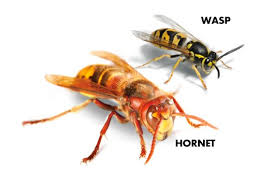
Hornets

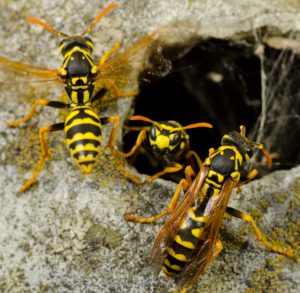
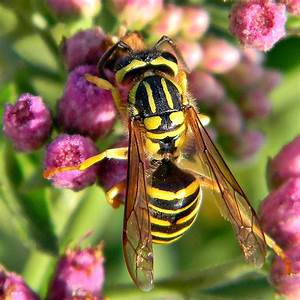
  Yellow Jacket 


Spring with summer around the corner have certain insects coming out of hibernation which are little insects with STINGERS and know how to deal with them.

Yes it’s that time of the year again better weather and getting warmer with certain individual insects waking up and popping into our site again that go BUZZZZZZZZZZZZZZ.  Enjoy the  weather but know these insect stingers and what to do.

At least 40 deaths occur each year in the U.S. as a result of serious anaphylactic sting reactions.

A bee sting is strictly a sting from a bee (honey bee, bumblebee, sweat bee, etc.).

In the vernacular it can mean a sting of a bee, wasp, hornet, or yellow jacket. Some people may even call the bite of a horse-fly a bee sting. The stings of most of these species can be quite painful, and are therefore keenly avoided by many people.

Bee stings differ from insect bites, and the venom or toxin of stinging insects is quite different. Therefore, the body’s reaction to a bee sting may differ significantly from one species to another.

The most aggressive stinging insects are vespid wasps (including bald-faced hornets and other yellow jackets) but not hornets in general (e.g., the European hornet is less harmful). All of these insects aggressively defend their nests.

In people with insect sting allergy, a bee sting may trigger a dangerous anaphylactic reaction that is potentially deadly. Honey bee stings release pheromones that prompt other nearby bees to attack.

There are over 25,000 species of wasps found throughout the world. Some of the most common wasps include:

The yellow jacket and hornet, both of which live in groups, or colonies, in temperate climates.

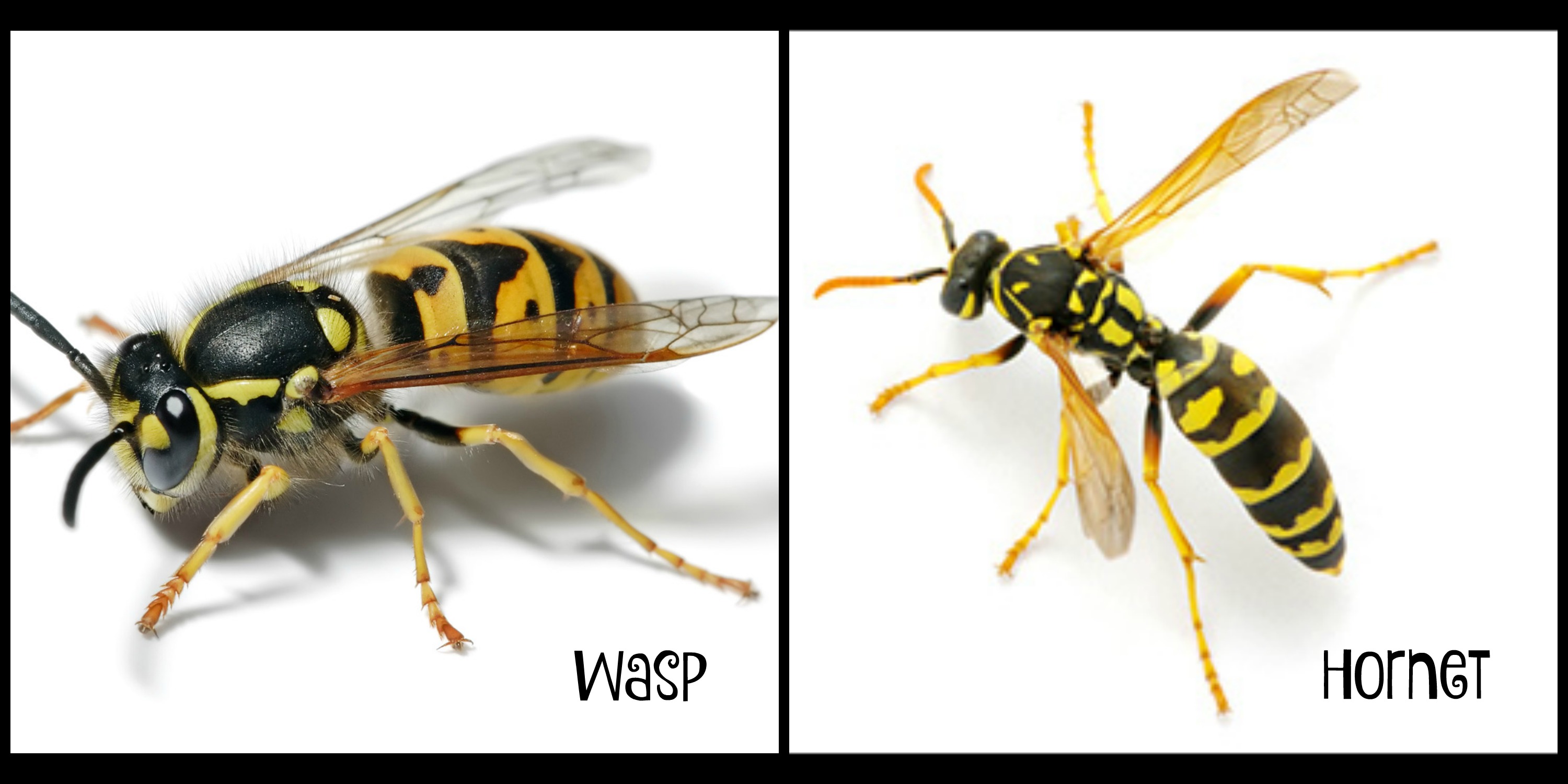
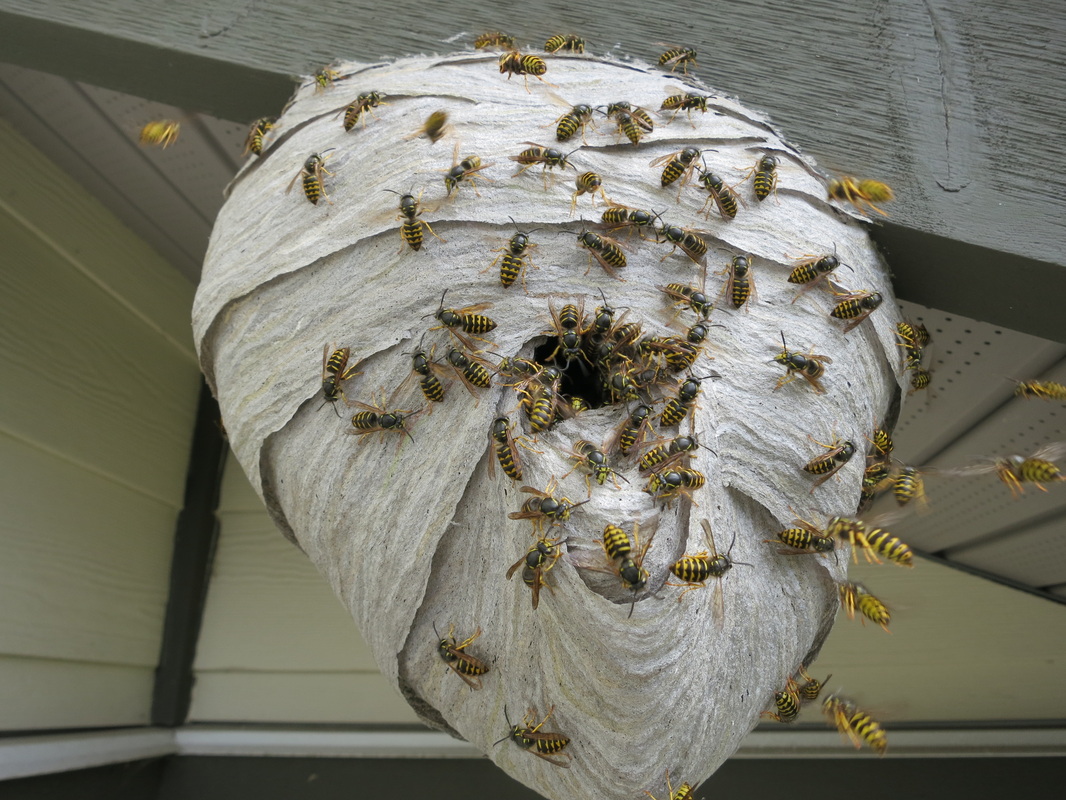
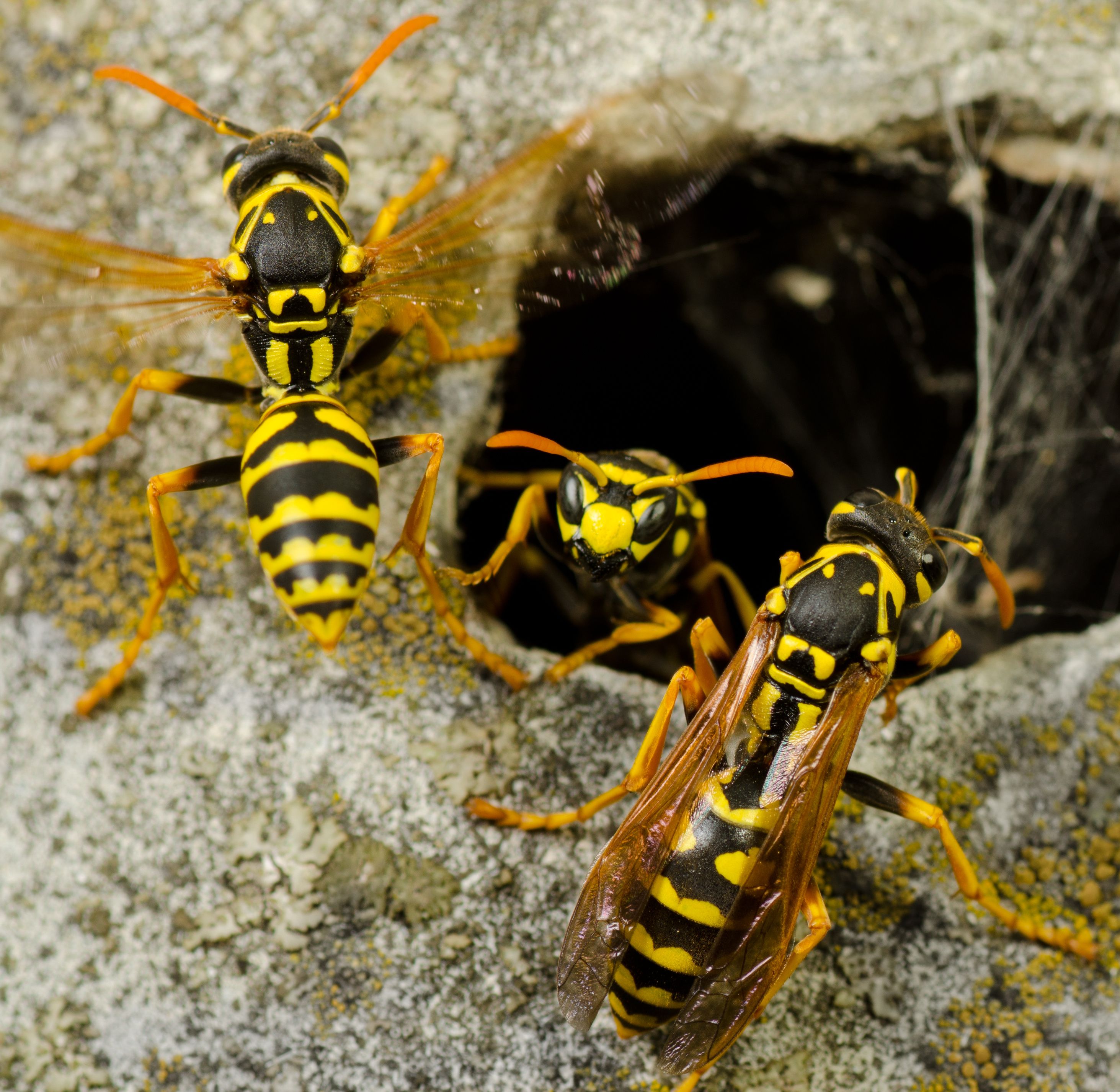
Yellow jackets, which have black and yellow stripes on the abdomen, form underground nests.

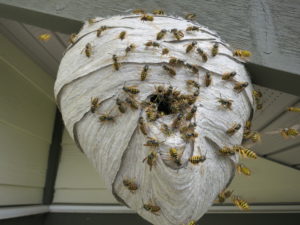
Hornets are predominantly black with some yellow markings on the head and thorax. Hornets form paper-like nests that are attached to trees, bushes, or buildings.

Certain animals have developed stinging as a form of defense or hunting. Venomous stings can have a local reaction, meaning pain, swelling, redness, itching, and possible oozing around the sting site, or a systemic reaction, meaning with local symptoms plus hives or airway and circulatory problems across the whole body. Local symptoms meaning the reaction to the sting is in one local area and systemic meaning the reaction is generalized throughout the body.

For starters let us begin with the types of Wasps.

A-Hornets

Hornets are a type of wasp closely related to and resembling yellow jackets, according to National Geographic. While the majority of the approximately 20 species of hornets are found in tropical parts of Asia, these stinging insects can also be found throughout Europe, Africa and North America. Hornets are social insects that live in community hives dominated by queens.They are considered pests and potentially dangerous by many because they aggressively defend their hives by using their stingers. Reacting quickly after disturbing a hornets’ nest will help you prevent excessive stings and potential allergic reactions.

Hornets are a large species of wasp, growing up to 2 1/2-inches in length. Hornets become aggressive when they feel threatened or must defend their nest. Unlike a bee, hornets can sting multiple times, as their stingers are not barbed. A hornet sting delivers venom beneath the skin that causes a painful reaction for up to three days following. You can treat a hornet sting to relieve some of the pain and swelling, making the healing process tolerable.

Hornets are very, very painful. As soon as you are stung by a Hornet a red welt will develop and the throbbing pain will begin. Before trying to treat a Hornet sting be sure you are safely away from the Hornet and nest. A Hornet will sting many times and if you kill a Hornet their Hornet friends back at the nest will come after you too. When a Hornet is killed it releases a scent and other Hornets will come to investigate. If you are allergic to Hornet stings seek emergency medical attention.

 B.) Yellow Jackets–Stinging Wasps

Overall, stinging wasps have warning colors, either yellow, brown, to even blue or red. Wasps have pointed abdomens attached to the thorax by a thin waist called a petiole. They build papery nests from wood fibers, very common in the northeast. The colonies that live in these nests are led by one egg-laying queen. The female nest-building workers are the only ones with stingers, which are modified egg laying apparatuses. If threatened, they will gather into a stinging swarm to protect the nest. REMEMBER wasps have the ability to sting repeatedly.

Tune into to Part 2 for learning about BEES.  

 

QUOTE FOR FRIDAY:

“It’s not easy to diagnose because depending where the endometrial deposits are, the symptoms can be quite different. It’s an unrecognized problem among teenage girls, and it’s something that every young woman who has painful menstruation should be aware of … it’s a condition that is curable if it’s caught early.

Author Hilary Mantel on being asked about being a writer with endometriosis, Nov 2012 NPR interview.

Endometriosis

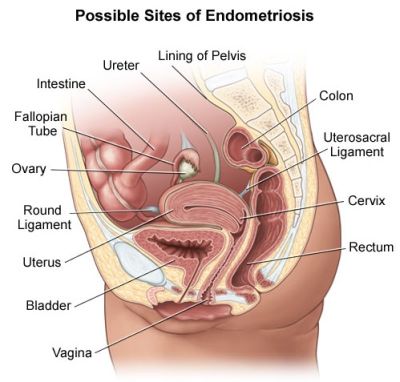
endometriosis2possible-sites-of-endometriosis 

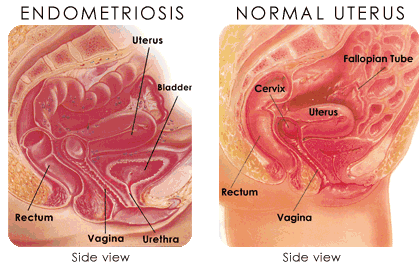
The uterus is a female reproductive organ located between the bladder and the rectum, in the pelvic area. The uterus has three layers: the inner lining (endometrium); the middle muscular layer (myometrium); and the outer layer (perimetrium). The uterus is connected to the fallopian tubes, the cervix and (via the cervix) the vagina.

Endometriosis is a painful, chronic disease that affects at least 6.3 million women and girls in the U.S., 1 million in Canada, and millions more worldwide. It occurs when tissue like that which lines the uterus (tissue called the endometrium) is found outside the uterus — usually in the abdomen on the ovaries, fallopian tubes, and ligaments that support the uterus; the area between the vagina and rectum; the outer surface of the uterus; and the lining of the pelvic cavity. Other sites for these endometrial growths may include the bladder, bowel, vagina, cervix, vulva, and in abdominal surgical scars. Less commonly they are found in the lung, arm, thigh, and other locations.

This misplaced tissue develops into growths or lesions which respond to the menstrual cycle in the same way that the tissue of the uterine lining does: each month the tissue builds up, breaks down, and sheds. Menstrual blood flows from the uterus and out of the body through the vagina, but the blood and tissue shed from endometrial growths has no way of leaving the body. This results in internal bleeding, breakdown of the blood and tissue from the lesions, and inflammation — and can cause pain, infertility, scar tissue formation, adhesions, and bowel problems.

Pain before and during period: Pain with sex, Infertility, Fatigue, Painful urination during periods, Painful bowel movements during periods and Other Gastrointestinal upsets such as diarrhea, constipation, nausea.

In addition, many women with endometriosis suffer from:

  • Allergies
  • Chemical sensitivities
  • Frequent yeast infections

Diagnosis is considered uncertain until proven by laparoscopy, a minor surgical procedure done under anesthesia. A laparoscopy usually shows the location, size, and extent of the growths. This helps the doctor and patient make better treatment choices.

 What Causes Endometriosis?

The cause of endometriosis is unknown. The retrograde menstruation theory (transtubal migration theory) suggests that during menstruation some of the menstrual tissue backs up through the fallopian tubes, implants in the abdomen, and grows.  Some experts believe that all women experience some menstrual tissue backup and that an immune system problem or a hormonal problem allows this tissue to grow in the women who develop endometriosis.

Another theory suggests that endometrial tissue is distributed from the uterus to other parts of the body through the lymph system or through the blood system. A genetic theory suggests that it may be carried in the genes in certain families or that some families may have predisposing factors to endometriosis.

Surgical transplantation has also been cited in many cases where endometriosis is found in abdominal scars, although it has also been found in such scars when accidental implantation seems unlikely.

Another theory suggests that remnants of tissue from when the woman was an embryo may later develop into endometriosis, or that some adult tissues retain the ability they had in the embryo stage to transform reproductive tissue in certain circumstances.

Research by the Endometriosis Association revealed a startling link between dioxin (TCCD) exposure and the development of endometriosis. Dioxin is a toxic chemical byproduct of pesticide manufacturing, bleached pulp and paper products, and medical and municipal waste incineration. The EA discovered a colony of rhesus monkeys that had developed endometriosis after exposure to dioxin. 79% of the monkeys exposed to dioxin developed endometriosis, and, in addition, the more dioxin exposure, the more severe the endometriosis.