Holiday Safety Tips both in and out of the house!

The Electrical Safety Foundation states:

Top 10 Holiday Safety Tips

1. Inspect electrical decorations for damage before use. 
Cracked or damaged sockets, loose or bare wires, and loose connections may cause a serious shock or start a fire.

2. Do not overload electrical outlets. 
Overloaded electrical outlets and faulty wires are a common cause of holiday fires. Avoid overloading outlets and plug only one high-wattage into each outlet at a time.

3. Never connect more than three strings of incandescent lights. 
More than three strands may not only blow a fuse, but can also cause a fire.

4. Keep trees fresh by watering daily.
Dry trees are a serious fire hazard.

5. Use battery-operated candles. 
Candles start almost half of home decoration fires (NFPA).

6. Keep combustibles at least three feet from heat sources. 
A heat sources that was too close to the decoration was a factor in half of home fires that began with decorations (NFPA).

7. Protect cords from damage. 
To avoid shock or fire hazards, cords should never be pinched by furniture, forced into small spaces such as doors and windows, placed under rugs, located near heat sources, or attached by nails or staples.

8. Check decorations for certification label.
Decorations not bearing a label from an independent testing laboratory such as Underwriters Laboratories (UL), Canadian Standards Association (CSA), or Intertek (ETL) have not been tested for safety and could be hazardous.

9. Stay in the kitchen when something is cooking. 
Unattended cooking equipment is the leading cause of home cooking fires (NFPA).

10. Turn off, unplug, and extinguish all decorations when going to sleep or leaving the house. 
Unattended candles are the cause of one in five home candle fires. Half of home fire deaths occur between the hours of 11pm and 7am (NFPA).

Stay safe on the roads over the holidays and every day:

  • Prepare your car for winter and keep an emergency preparedness kit with you
  • Get a good night’s sleep before departing and avoid drowsy driving
  • Leave early, planning ahead for heavy traffic
  • Make sure every person in the vehicle is properly buckled up no matter how long or short the distance traveled
  • Put that cell phone away; many distractions occur while driving, but cell phones are the main culprit
  • Practice defensive driving
  • Designate a sober driver to ensure guests make it home safely after a holiday party; alcohol or over-the-counter, prescription and illegal drugs can cause impairment

QUOTE FOR THE WEEKEND:

The week running up to the Holidays – In the week running up to Christmas, criminals are mainly targeting Auto Dealerships and Warehouses. Criminals target these businesses during their busiest period for the Christmas haul of cash and the valuable stock kept on site. In the week that was leading up to Christmas Day 2016, Netwatch recorded a 33% increase in attempted security breaches, with a third of all activity taking place between the hours of 6pm and 12am.”

netwatchusa.com

QUOTE FOR THURSDAY:

“The holiday season is an exciting time for families, friends, and loved ones. When it comes to toys and gifts, the excitement and desire to get your children their favorite toys could cause shoppers to forget about safety factors associated with them. According to the US Consumer Product Safety Commission, each year hospital emergency rooms treated an estimated 251,700 toy-related injuries throughout the United States. Most of the injuries affect children under the age of 15.
childfamilyservices.org


QUOTE FOR WEDNESDAY:

“In the United States, December is observed as “Safe Toys and Gifts Month” as a means for alerting us to the need to be careful when making our toy and gift choices, and to prompt us to keep in mind their safety and suitability. Knowing what to look out for can make a big difference in preventing possible injuries from well-intentioned gifts.”.

childfamilyservices.org

QUOTE FOR TUESDAY:

“Handwashing can help prevent illness. It involves five simple and effective steps (Wet, Lather, Scrub, Rinse, Dry) you can take to reduce the spread of diarrheal and respiratory illness so you can stay healthy. Regular handwashing, particularly before and after certain activities, is one of the best ways to remove germs, avoid getting sick, and prevent the spread of germs to others. It’s quick, it’s simple, and it can keep us all from getting sick. Handwashing is a win for everyone, except the germs.”

Centers for Disease Control and Prevention (CDC)


CONGESTIVE HEART FAILURE:WHAT IS IT?, TYPES OF CHF & RISK FACTORS.

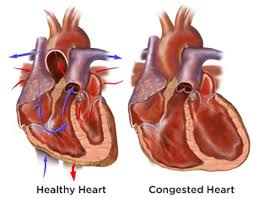
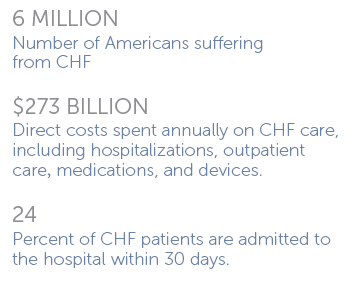
The definition of heart failure, it occurs when the heart loses its ability to pump enough blood through the body.  Usually, the loss in pumping action is a symptom of an underlying heart problem, such as hypertension and CAD = coronary artery disease.  The term heart failure suggests a sudden and complete stop of heart activity but actually the heart does not suddenly or abruptly stop.  Instead the way it works is heart failure usually develops over time, years. The heart first compensates with the disease or illness the individual has but, just like a car, after wear and tear the heart goes into decompensating to heart failure due to the heart decline.  How serious is this condition?  It varies from person to person depending on factors like an individual with obesity & unhealthy versus a person in healthier condition.  All people diagnosed or not diagnosed with heart failure lose a pumping capacity of the heart happens as they age but diagnosed with heart failure makes the engine of the body a challenge in doing its function properly.  The pump loss is more significant in the person with heart failure and often results from a heart attack (actual scaring to the tissue=death to that tissue area) or from other diseases that can damage the heart.  The severity of the condition determines the impact it has on a person’s life.   At the other end, extremes, treatment often helps people lead full lives if the person follows the meds ordered by the doctor including the diet and activity/exercise the doctor orders to the patient with heart failure (compliance so important).  There are different levels of heart failure but even the mildest form is a serious health problem, which must be treated.  If not the pump (the heart) will just get worse in doing its function properly.  To improve the chance of living longer in an individual with heart failure, patients must take care of themselves, see their physician (cardiologist) on a regular basis, and closely follow treatments (as ordered) with knowing what heart failure actually to understanding how the disease works (is the failure on the right side or left side? Which in time will effect the other side in time).  In knowing what side the failure is on will make you understand what signs and symptoms to expect.

Types of Heart Failure

The term congestive heart failure (CHF) is often used to describe all patients with heart failure.  In reality, congestion=the buildup of fluids in the heart for not pumping correctly, just like pipes in a home not working properly=back up of water in the pipes, happens with CHF also to the  fluids (blood) backing up in the lungs.   This is just one feature of the condition and does not occur in all patients.  There are two main categories of heart failure although within each category, symptoms and effects may differ from patient to patient.  The two categories are:     1-Systolic heart failure (systolic is the top number of your blood pressure=the heart at work).  This occurs when the heart’s (muscle-myocardium) ability to contract (pump=being active) decreases, particularly starting on the L side of the heart where the muscle of the heart is greatest (myocardium=heart muscle).  The heart cannot pump blood with enough force to push a sufficient amount out of the heart into the circulation through  the aorta.  The aorta is a artery (vessel) that leaves the L lower chamber of the heart (left side of the heart=highly oxygenated rich blood).  Due to the heart not using enough force pushing the blood forward in the aorta this causes the blood to back up and cause it to go back up into the L lower to the L upper chamber that goes further back up into the pulmonary vein into the lungs=congestion in the lungs due to the heart failure.

2-Diastolic heart failure (diastolic is the bottom number of your blood pressure which is the pressure when the heart is at rest).  This failure occurs when the heart has a problem relaxing.  The heart cannot properly fill with blood because the muscle of the heart due to trying so hard to compensate over a long period of time with disease (ex. High B/P, Obesity, etc…) strains the heart in doing its function that failure finally starts that the muscle of the heart (myocardium) becomes stiff.  This causes the heart to lose its ability to relax to allow proper filling of the heart in upper and lower chambers=back up of the blood.   This failure starts on the right side of the heart causing the blood to back up away from the heart and may lead this blood that is highly concentrated with carbon dioxide to accumulation especially in the feet, ankles and legs.  Some patients may have lung congestion.

Causes of Heart Failure:

As stated, the heart loses some of its blood pumping ability as a natural consequence of aging.  How- ever, a number of other factors can lead to a potentially life-threatening loss of pumping activity.

As a symptom of underlying heart disease, heart failure is closely associated with the major risk factors for coronary heart disease:  smoking, high cholesterol levels, hypertension (persistent high blood pressure), diabetes= abnormal blood sugar levels, and obesity.  A person can change or eliminate those risk factors and thus lower their risk of developing or aggravating their heart disease and heart failure through healthy habits performed routinely, proper dieting, and balancing rest with exercise.

Among prominent risk factors, hypertension-HTN (high blood pressure) and diabetes are PARTICULARLY IMPORTANT.  Uncontrolled HTN increases the risk of heart failure by 200 %, compared to those who do not have hypertension.   Moreover, the degree of risk appears directly related to the severity of the high blood pressure.

Persons with diabetes have about a two to eight fold greater risk of heart failure than those without diabetes.  Women with diabetes have a greater risk of heart failure than men with diabetes.  Part of the risk comes from the diabetes association with other risk factors for heart disease such as high cholesterol or obesity or other risk factors.  However, the disease process of diabetes also damages the heart muscle.

The presence of coronary disease is among the greatest risks for heart failure.  Muscle damage and scarring caused by a heart attack greatly increase the risk of heart failure.  Cardiac arrhythmias, or irregular heartbeats, also raise heart failure risk.  Any disorder that causes abnormal swelling or thickening of the heart sets the stage for heart failure.

In some people, heart failure arises from problems with heart valves, the flap-like structures that help regulate blood flow through the heart.  Infections in the heart are another source of increased risk for heart failure.

A single risk factor may be sufficient to cause heart failure, but a combination of factors dramatically increases the risk.  Advanced age adds to the potential impact of any heart failure risk.

Finally, genetic abnormalities contribute to the risk for certain types of heart disease, which in turn may lead to heart failure.  However, in most instances, a specific genetic link to heart failure has not been identified.

SO LIVE AS HEALTHY AS POSSIBLE IN YOUR ROUTINE HABITS,  YOUR DIETING OF THE 4 FOOD GROUPS, MAINTAINING YOUR WEIGHT IN A THEREPEUTIC RANGE (look as calculating BMI online for free to find out what your weight range for your height is), and BALANCING REST WITH EXERCISE TO HELP DECREASE THE CHANCE OF GETTING HEART FAILURE.  Go to healthyusa.tsfl.com to learn what Dr. Anderson through his book of “Dr. A.’s Healthy Habits” and me as your health coach could provide you within a reachable cost.  To just view what can be offered to you for no price with no hacking go to healthyusa.tsfl.com and take a peek;)

QUOTE FOR MONDAY:

“Influenza is a viral infection that attacks your respiratory system — your nose, throat and lungs. Influenza is commonly called the flu, but it’s not the same as stomach “flu” viruses that cause diarrhea and vomiting.  Initially, the flu may seem like a common cold with a runny nose, sneezing and sore throat. But colds usually develop slowly, whereas the flu tends to come on suddenly.  Flu viruses travel through the air in droplets when someone with the infection coughs, sneezes or talks. You can inhale the droplets directly, or you can pick up the germs from an object — such as a telephone or computer keyboard — and then transfer them to your eyes, nose or mouth.”

MAYO CLINIC

QUOTE FOR THE WEEKEND:

“The pancreas is an organ located in the abdomen. It plays an essential role in converting the food we eat into fuel for the body’s cells. The pancreas has two main functions: an exocrine function that helps in digestion and an endocrine function that regulates blood sugar.”

Columbia University Irving Medical Center

QUOTE FOR FRIDAY:

“It takes days of overeating for accumulated body fat to show up as measurable weight gain.

Once food is digested, its building blocks (such as glucose, amino acids, fatty acids) are absorbed into the bloodstream. Your cells use what they need for fuel and store the rest in fat cells for later use, a process that begins six to eight hours after a meal.  Which is what it takes to digest your meal and now in your bloodstream the breakdown products, ex glucose.

So, yes, consuming more calories than your body needs in one sitting (or over the course of a day) will result in some of them being tucked away as fat. But not enough to move the needle on scale. (Unless you really, really gorge or keep on eating those large meals during the holiday season.).”

TIME and The globe and mail

Turkey versus Tofu?

  OR IS IT 

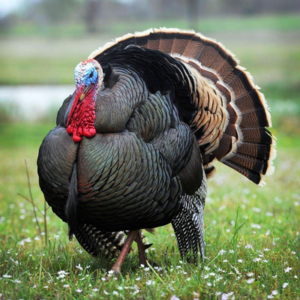
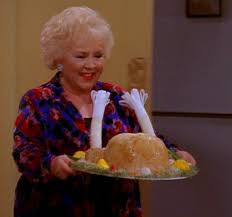
Some meat-eaters just can’t fathom the thought of ingesting tofu. It’s understandable; the juicy, colorless soy substance doesn’t exactly look appetizing. … Know this while turkey contains about 114 calories in a 3-ounce roasted skinless serving, chicken clocks in at 131 calories and is 21 percent higher in cholesterol than tofu.

Working enough protein into your daily diet can prove difficult if you’re a vegetarian or if you’re just not a fan of cooking raw meat. Meat takes a long time to bake thoroughly, can taste bland if you forget to marinade or add spices and might stump you altogether if you’re not crafty in the kitchen. However, protein is an important part of our meals. The average man needs about 56 grams each day while the average woman needs about 46 grams. In this case, tofu and poultry, which includes a range of domesticated birds like chicken, turkey and duck, offers a hefty amount in just one serving.

If you’re thinking about going meatless or sticking to the real stuff, you might want to consider which offers the most vitamins and nutrients. While poultry offers more protein, tofu could win in other daily dietary requirements. And if you’re still stuck in your ways of soy versus meat, you may want to reconsider which section you’re purchasing each option from. Because while organic might take a little more out of your wallet, it may save you from ingesting unneeded additives. So, should you reach for tofu or fowl the next time you’re mixing up a delicious dish?

Tofu

This meatless option is a staple for vegetarians, and rightfully so. It boasts more fiber, calcium, iron, magnesium, zinc and folate than chicken and contains fewer calories, sitting at just 79 calories in a 3-ounce serving. Plus, this meat alternative offers these wonderful little things called isoflavones, which are compounds found in soy products known to give off antioxidant effects that stamp out free radicals and prevent premature aging. Beyond that, studies suggest regularly eating soy-based products can prevent breast cancer, osteoporosis and cardiovascular disease.

If diminishing your chances of developing cancer and other diseases hasn’t swayed your opinion, you might want to consider what else foods high in protein can offer. A study found that eating protein-rich food, like tofu, instead of those high in carbs or fat can make you feel fuller longer and may make it easier for you to stick to a reduced-calorie diet. Other studies show that regularly eating tofu can provide lower total cholesterol and triglyceride levels, so while you might need to eat more of it to equal the same amount of protein consumed by eating chicken (about 290 grams of tofu to 150 grams of lean meat), the anti-inflammatory agents and bone-strengthening benefits are higher than other protein options.

Ok, so now that you’re convinced from a nutritional standpoint, you might be thinking about how to prepare this strange substance. Try adding it to smoothies, soups, stir-fry and salads. To get the most flavor out of it, press out the water before marinating and if you do marinade, choose sauces that aren’t high in oil or soya, which can be high in salt and preservatives.

Poultry

Some meat-eaters just can’t fathom the thought of ingesting tofu. It’s understandable; the juicy, colorless soy substance doesn’t exactly look appetizing. Plus, its poultry alternative of chicken offers more protein, phosphorus, potassium, niacin and vitamin B6 in the same 3-ounce serving. But it falls short in terms of calories and cholesterol. While turkey contains about 114 calories in a 3-ounce roasted skinless serving, chicken clocks in at 131 calories and is 21 percent higher in cholesterol than tofu.

However, that niacin cited above? Well, just one large chicken breast will offer the recommended daily amount you need. This nutrient helps your body produce energy from all, yes all, of the foods you eat and regulates your nervous and digestive systems. Plus, if you’re trying to lose weight or gain lean muscle, chicken helps immensely since it’s low in saturated fat and carbs. It’s also an optimal source of omega-3 fatty acids, a nutrient you can only get through food which helps reduce inflammation and can potentially decrease the risk of heart disease, cancer and arthritis.

If you just can’t put off poultry, consider staying away from the farmed and water-filled breasts. One study found that organic chicken had 38 percent more omega-3 fatty acids than non-organic chicken, while another found that non-organic chicken feathers contained prescription drugs and arsenic. So while it may be slightly more expensive to go organic, it could reap benefits you’ll be thankful for in the future.

The winner

There’s a reason why vegetarians keep tofu on hand. It’s high in calcium, iron and a number of other vitamins and minerals, and it’s low in saturated fat and cholesterol—something chicken and other poultry options can’t say. While it might not contain as much protein as poultry, you can substitute in other options like Greek yogurt, cheese and eggs to jazz up your meals and pack in that much-needed nutrient your body needs. Keep in mind that typical soy and poultry contain GMOs, so whatever you choose, go for the organic variety. Because healthy really is the most delicious.  That’s one thing vegetarians and meat-eaters can agree on.