Archives

QUOTE FOR TUESDAY:

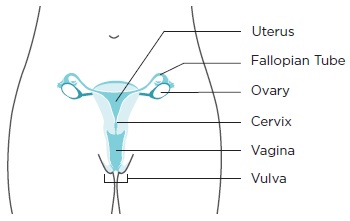
“Gynecologic cancers are cancers of the female reproductive system, including the cervix, ovaries, uterus, vagina, and vulva. Anyone with female reproductive organs is at risk for these cancers.

According to the National Cancer Institute, more than 110,000 women in the United States are expected to be diagnosed with a gynecological cancer and more than 34,000 are estimated to die from one in 2026.”

American Association for Cancer Research – AARC (Gynecologic Cancers | Cancer Awareness Months | AACR)

September is Gynecological Cancer Awareness Month

According to the CDC, uterine cancer (cancer which develops in the uterus) is the most commonly diagnosed gynecological cancer in the U.S. and the fourth most common cancer in U.S. women overall.

Types of Gynecological Cancer

  • Cervical cancer.
  • Ovarian cancer.
  • Uterine cancer.
  • Vaginal cancer.
  • Vulvar cancer.

September is Gynecologic Cancer Awareness


It is estimated that within the past 2 years 98,000 women would be diagnosed with a gynecologic cancer and some 30,000 would die from the disease.

Gynecological Cancer Awareness Month provides an important opportunity to draw attention to this important women’s health issue and offer vital information on risk cancers, warning signs, and prevention strategies.

Uterine Cancer

Uterine cancer forms in the tissues of the uterus, the organ in which a fetus develops. The two types of uterine cancer are endometrial cancer and uterine sarcoma.

Endometrial cancer forms in the tissues of the endometrium – the lining of the uterus. Obesity, high blood pressure, and diabetes may increase the risk of endometrial cancer.

Uterine Sarcoma is a rare type of cancer that forms in the uterine muscles or in tissues that support the uterus. Exposure to X-rays during radiation therapy can increase the risk of uterine sarcoma.

Treatment with the breast cancer drug tamoxifen is a risk factor for both types of uterine cancer.

According to the CDC, uterine cancer (cancer which develops in the uterus) is the most commonly diagnosed gynecological cancer in the U.S. and the fourth most common cancer in U.S. women overall. While any woman can develop uterine cancer, it is most commonly diagnosed in women who have gone through menopause. Risk factors for uterine cancer include age (being age 50 or older), obesity, taking estrogen alone as hormone replacement, and having a family history of uterine, ovarian or colon cancer.

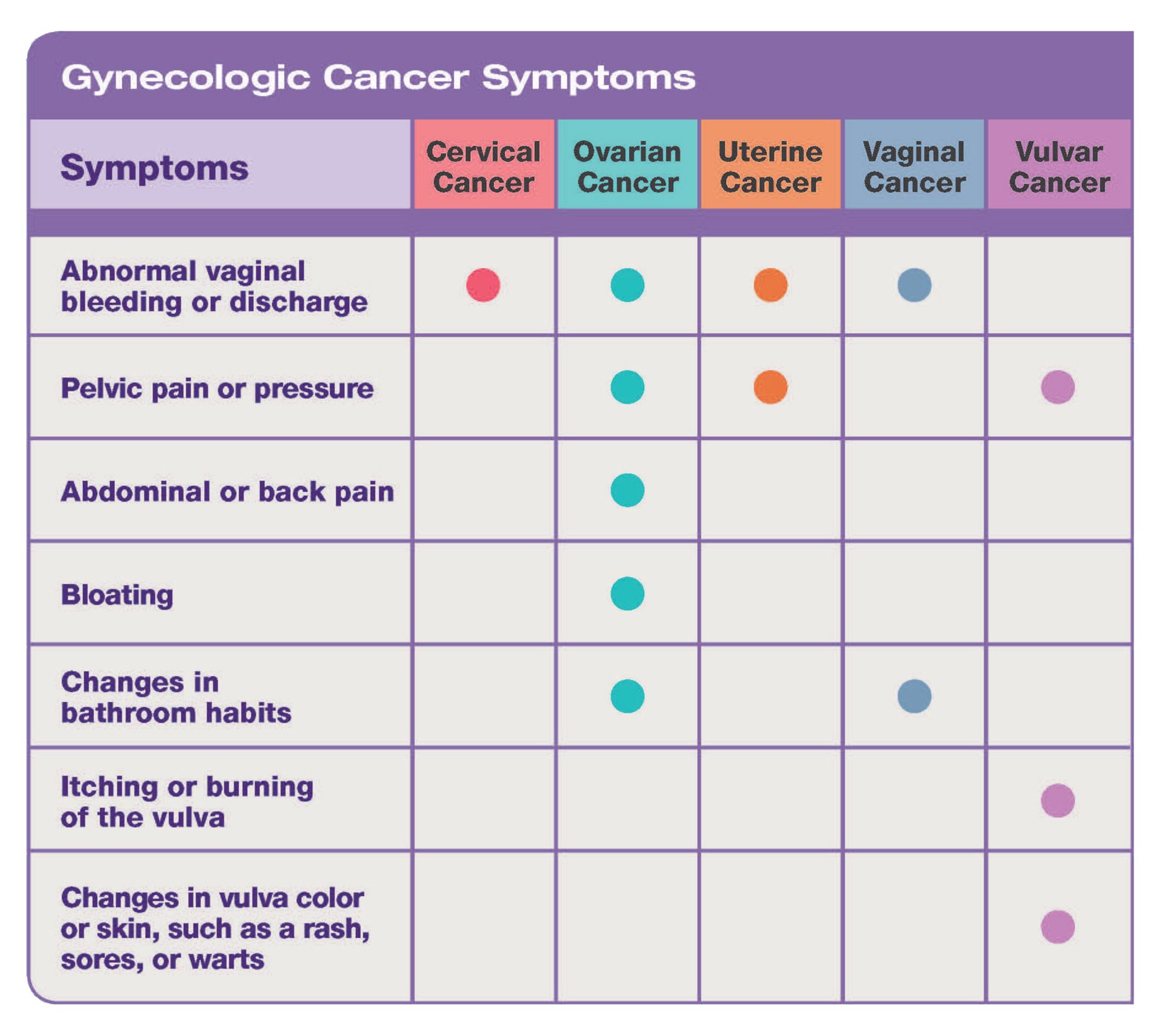
Routine testing is not recommended for uterine cancer, so it is important for women to be aware of symptoms—such as abnormal vaginal discharge or bleeding and/or pain and pressure in the pelvic area—and talk to a healthcare provider if they experience these.

Ovarian Cancer

While ovarian cancer accounts for about 3% of cancers among women, it causes more deaths than any other gynecological cancer, according to the American cancer Society. While the survival rates for ovarian cancer are excellent when the disease is diagnosed early, only about 20% of ovarian cancers are found at this early stage. One reason for this is that there is no recommended routine screening for ovarian cancer on women without symptoms. And the symptoms of ovarian cancer—including abnormal abdominal bloating, abdominal pain or pressure, and feeling full quickly when eating—can also be easily be ignored or mistaken for other problems.

For women who experience these symptoms, or who at at higher risk (including women who have had breast cancer or have a family history of ovarian, breast or colorectal cancer), a healthcare provider may recommending further screening. Testing may include rectovaginal pelvic exam, a transvaginal ultrasound,or a CA-125 blood test.

There are three types of ovarian cancer in adults, including ovarian epithelial cancer, which begins in the tissue covering the ovary, lining of the fallopian tube, or the peritoneum; ovarian germ cell tumors, which start in the egg or germ cells; and ovarian low malignant potential tumors, which begin in the tissue covering the ovary.

Cervical Cancer

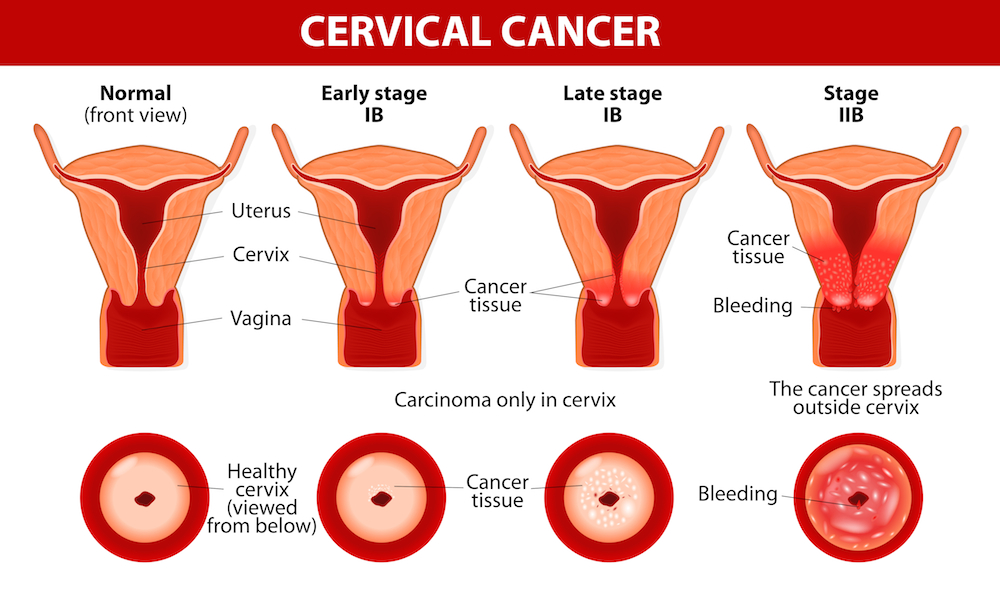
According to the American Sexual Health Organization, the vast majority of cases of cervical cancer—cancer that develops on the cervix, the opening to the uterus—are linked to human papillomavirus (HPV) infection. The majority of women with an HPV infection will not develop cervical cancer, but regular screening is essential. In most cases cervical cancer can be prevented through early detection and treatment of abnormal cell changes that occur in the cervix years before cervical cancer develops. These changes are typically detected through a Pap test or an HPV test. HPV vaccines can also prevent cervical cancer.

In its early stages, cervical cancer typically doesn’t have any symptoms, which is why regular screening is so important. At later stages, symptoms may include abnormal vaginal discharge or bleeding or pain during sex. While these can also be signs of other health issues, if a woman experiences these symptoms, she should report them to her healthcare provider.

Cervical Cancer. Carcinoma of Cervix. Malignant neoplasm arising from cells in the cervix uteri. Vaginal bleeding. Vector diagram

Vaginal and Vulvar Cancer

There are two main types of vaginal cancer: squamous cell carcinoma and adenocarcinoma. Adenocarcinoma is more likely than squamous cell cancer to spread to the lungs and lymph nodes. A rare type of adenocarcinoma is linked to being exposed to diethylstilbestrol (DES) before birth.

Adenocarcinomas not linked with being exposed to DES are most common in women after menopause.

According to the American Sexual Health Organization, vaginal and vulvar cancers are rare—an estimated 1,000 women are diagnosed with vaginal cancer and 3,500 women with vulvar cancer each year. Like cervical cancer, vaginal and vulvar cancers are also associated with HPV infection, with up to 90% of vaginal cancers and pre-cancers and more than 50% of vulvar cancers linked to infection with the high-risk HPV types.

Vulvar cancer forms in a woman’s external genitalia. Vulvar cancer most often affects the outer vaginal lips.

Abnormal cells can grow on the surface of the vulvar skin for a long time. This condition is called vulvar intraepithelial neoplasia (VIN). Because it is possible for VIN to become vulvar cancer, it is important to get treatment.

Risk factors for vulvar cancer include having VIN, HPV infection, and having a history of genital warts.

HPV vaccines, which prevent some of the high-risk types of HPV, can also help prevent vaginal and vulvar cancers.


QUOTE FOR MONDAY:

“Observed the first Monday in September, Labor Day is an annual celebration of the social and economic achievements of American workers. The holiday is rooted in the late nineteenth century, when labor activists pushed for a federal holiday to recognize the many contributions workers have made to America’s strength, prosperity, and well-being.”

U.S. Department of Labor (History of Labor Day | U.S. Department of Labor)

Part 2 How bad is Ebola elsewhere and what are its signs & symptoms?

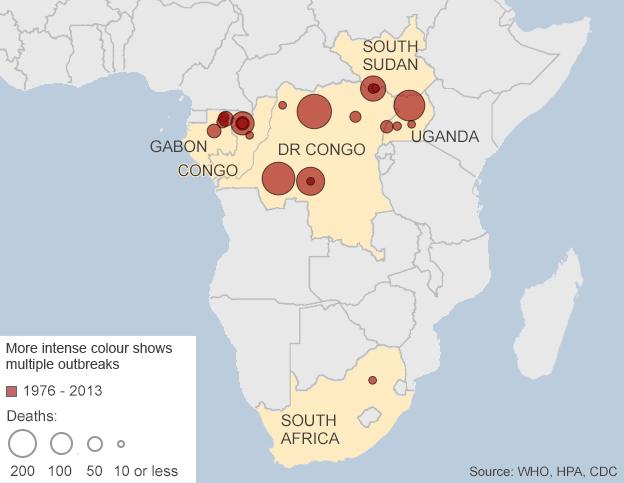
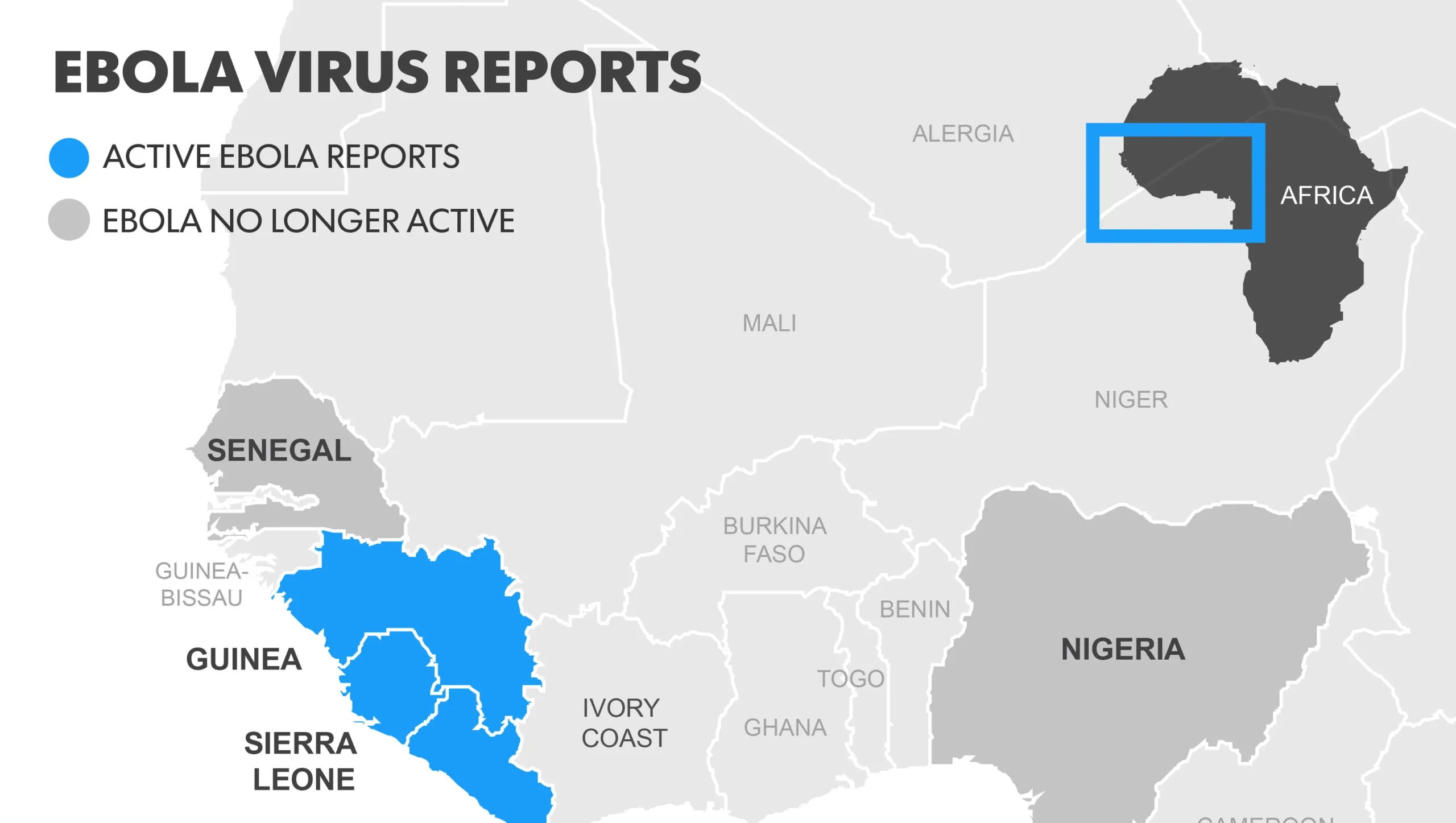
How bad is it elsewhere? In West Africa, pretty bad. Lack of resources and a slow global response has let the virus run wild. Over at Nature, they used WHO data to illustrate just how terrifying it’s getting. For an on-the-ground perspective, see what Karin Huster, a healthcare worker who just got back from treating Ebola in Liberia’s clinics, told R29. We’re also beginning to feel the first economic effects of the crisis.

What is the CDC doing to stop the spread of Ebola? Well, the first thing to remember is that the U.S. is not in the middle of the same kind of outbreak those in Guinea, Sierra Leone, and Liberia have been dealing with for months now. Ebola has not spread to the general American population, and those who have contracted the virus here have been in close contact with someone who was already severely infected. Complicating matters, the nurses who cared for Duncan report that they were forced to do so without proper training or equipment. And, Vinson says that she called the CDC before getting on her flight with a low-grade fever, but was told her temperature did not surpass the dangerous threshold (100.4 degrees Fahrenheit). However, the CDC has learned from its slow response to Dallas and has vowed to dispatch an Ebola response team to any hospital in the country with a confirmed case of the

How contagious is Ebola? Compared to other diseases you are more likely to get (such as enterovirus D68, the measles, and the flu), Ebola is not very contagious. It has a long incubation period (21 days) during which an infected person may begin to show symptoms. But, as far as we know, that person is not contagious until he or she is symptomatic. Ebola can only be spread by: direct contact with the bodily fluids of someone who is contagious (e.g., blood, urine, vomit); objects that have been contaminated with those fluids; or infected mammals, such as bats.

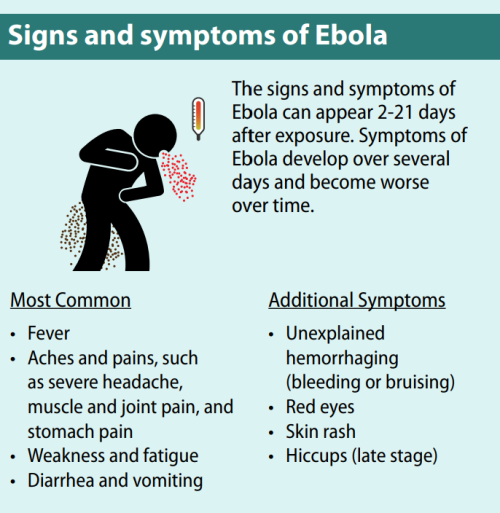
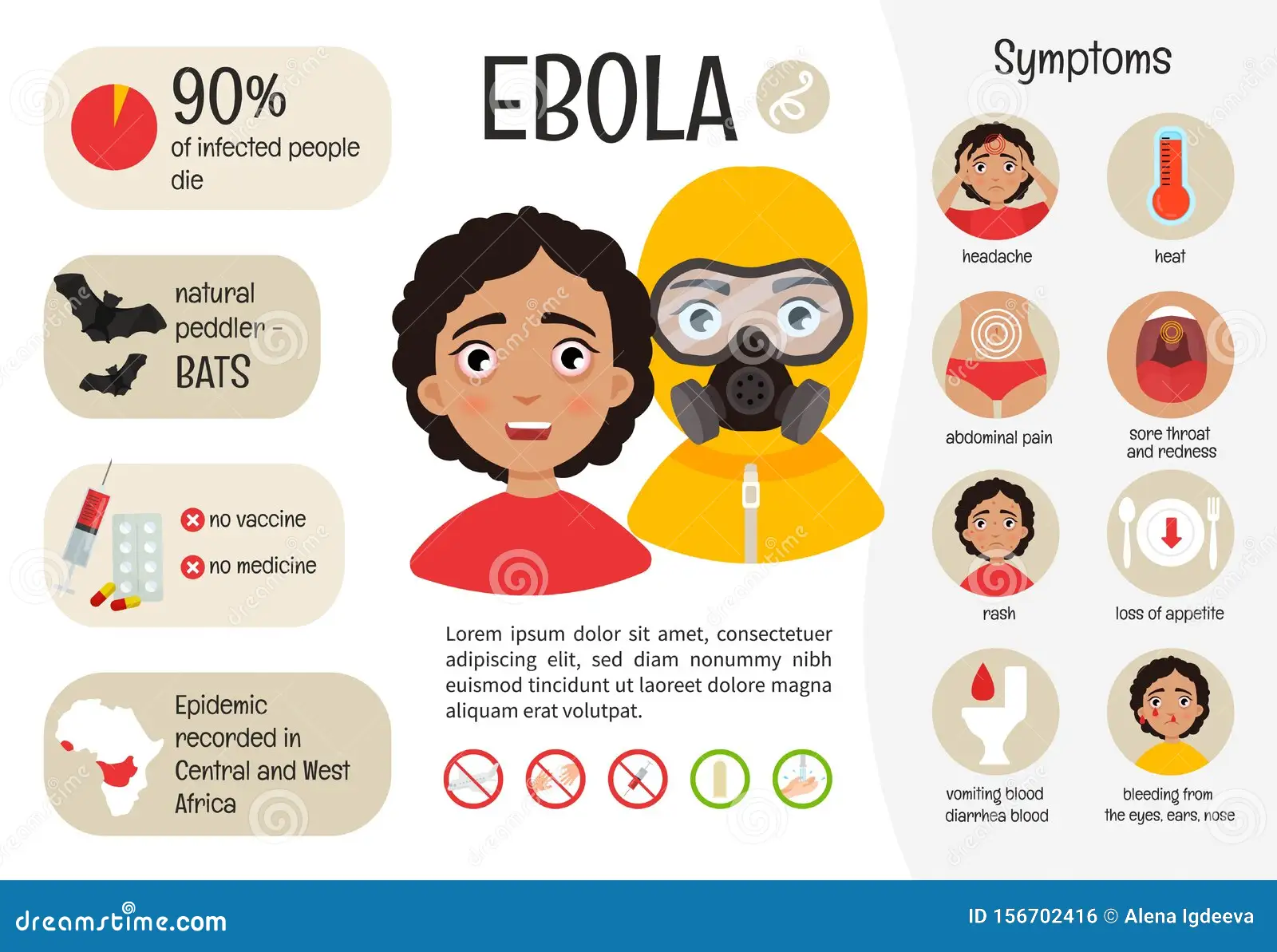
What are the symptoms of Ebola? Fever, headache, muscle pain, severe vomiting, and bloody diarrhea, among other unpleasant things. These symptoms hit hard and and they hit fast. They also get worse the longer you’re infected. So, if you feel kind of icky but are still dragging yourself to work, you’re probably Ebola-free BUT GO TO THE M.D.

Can we treat it? Not in every case. We have several experimental options, such as ZMapp, that have worked for some human cases or in animals. But, American scientists are still working on a cure that can save as many people as possible — and get approved by the FDA, too. Chinese and Russian scientists are on the case too, reportedly working on a cure and vaccine, respectively. But, Ebola is not necessarily a death sentence. About half of the people who have contracted it worldwide have lived to tell the tale. The CDC says whether or not you survive depends on your immune system and the quality of care you’re getting. And, when a person recovers from the virus, he or she will have antibodies that will protect against Ebola infection for at least 10 years.

Can we protect against it? Yes — with proper hand hygiene, basic public health tactics, a vaccine on the way, and a ramped-up CDC response.

Finally, I reinforce that unless you have had direct contact with the bodily fluids of someone with Ebola when that person was contagious (or if you’ve eaten some bushmeat recently), then your risk for Ebola are low and you don’t need to worry about getting it. Really, even Fox News says so. Instead, you should probably just get yourself a flu shot with how much higher you are at risk of getting the flu as opposed to the disease Ebola but our country should take strict action in preventing a disease epidemic in travelers coming back or from Africa to the US or any other country that has this disease in their country, safety for the people in America.

How is Ebola so deadly:

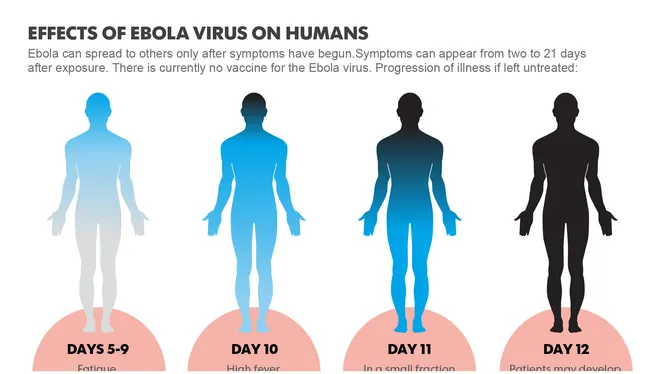
Lets look here on how it works: Symptoms start in two days to three weeks after contracting the virus, with a fever, sore throat, muscle pain, and headaches. Typically, vomiting, diarrhea, and rash follow, along with decreased function of the liver and kidneys. Looking at a car the engine of the human body is the heart, the liver Are we absolutely sure it’s not airborne? Pretty much.

Some of these fears can be traced to a 2012 paper in which researchers found that one strain of Ebola in pigs could be transmitted to macaque monkeys housed in separate cages. But, this effect has only been shown in animals. Although some scientists have suggested that the virus may have mutated into a more contagious (i.e. airborne) form, this has not been confirmed and remains extremely unlikely. Plenty of other scientists have proclaimed their disagreement.

Symptoms start two days to three weeks after contracting the virus, with a fever, sore throat, muscle pain, and headaches. Typically, vomiting, diarrhea, and rash follow, along with decreased function of the liver and kidneys. Which means in English your organs, the kidney and the liver go in decreased function and not resolved will go into failure and with the these 2 organs doing that it effects the rest of your organs. Just like a car if your oil or transmission or both aren’t functioning properly it will affect your engine (and the heart is our engine to the human body where your oil and transmission are like the kidneys and liver for example as a metaphor). Ending line one system affected with multiple systems failing with no treatment death occurs whether a car or human body.

QUOTE FOR THE WEEKEND:

“Facts on Ebola

  • Ebola disease is a severe, often fatal illness in humans.
  • Three different viruses are known to cause large Ebola disease outbreaks: Ebola virus, Sudan virus and Bundibugyo virus.
  • The average Ebola disease case fatality rate is around 50%. Case fatality rates have varied from 25–90% in past outbreaks.
  • Early intensive supportive care with rehydration and the treatment of symptoms improves survival.
  • Approved vaccines and treatments are only available for one of the viruses (Ebola virus) and are under development for the others.
  • Outbreak control relies on a package of interventions including intensive supportive care of patients, infection prevention and control, disease surveillance and contact tracing, laboratory services, safe and dignified burials, vaccination if relevant, and social mobilization.”

World Health Organization – WHO (Ebola disease)

Lets see the facts of Ebola, healthcare workers & previous epidemics!

10Years Ago

Lets see the facts Ebola:

 First signs / symptoms range from

  • Fever (greater than 38.6°C or 101.5°F)
  • Severe headache
  • Muscle pain
  • Weakness
  • Diarrhea
  • Vomiting
  • Abdominal (stomach) pain
  • Unexplained hemorrhage (bleeding or bruising)

Symptoms may appear anywhere from 2 to 21 days after exposure to Ebola, but the average is 8 to 10 days.

Recovery from Ebola depends on good supportive clinical care and the patient’s immune response. People who recover from Ebola infection develop antibodies that last for at least 10 years.

Reference on symptoms of Eboli: (http://www.cdc.gov/vhf/ebola/symptoms/index.html).

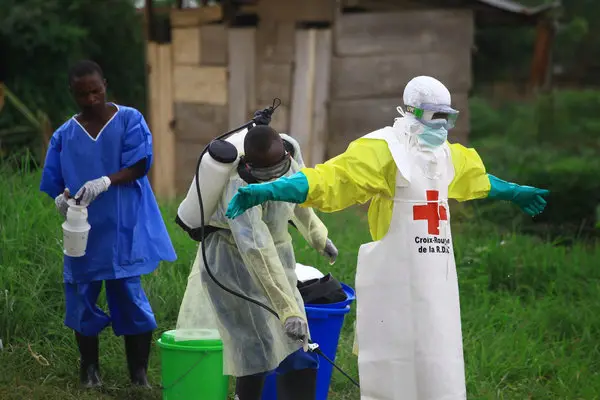
Healthcare workers who may be exposed to people with Ebola should follow these steps:

  • Wear protective clothing, including masks, gloves, gowns, and eye protection.
  • Practice proper infection control and sterilization measures. For more information, see “Infection Control for Viral Hemorrhagic Fevers in the African Health Care Setting”.
  • Isolate patients with Ebola from other patients.
  • Avoid direct contact with the bodies of people who have died from Ebola.
  • Notify health officials if you have had direct contact with the blood or body fluids, such as but not limited to, feces, saliva, urine, vomit, and semen of a person who is sick with Ebola. The virus can enter the body through broken skin or unprotected mucous membranes in, for example, the eyes, nose, or mouth.

Looking at some of the history is as follows:

In 1995, an outbreak of Ebola hemorrhagic fever (Ebola HF) affected more than 300 people in and around the city of Kikwit, Democratic Republic of the Congo (formerly, Zaire); approximately 80% of the patients died. More than one-fourth of all the patients were health care workers. After the outbreak, the DRC Ministry of Health, the Centers for Disease Control and Prevention (CDC) and the World Health Organization (WHO) developed practical recommendations for carrying out viral hemorrhagic fever (VHF) isolation precautions in rural health facilities in Africa. These recommendations have been consolidated in a manual for the local health community but something needs to be put into play in getting this epidemic under control if not history noted for repeating itself would be a shame in see results like the following:

The Black Death, 1918 Spanish Flu, HIV/AIDS (As of 2011 at least 60 million people had been infected by AIDS and 25 million had died. while in 2008 an estimated 1.2 million Americans had HIV, Sub-Saharan Africa alone was home to 22.9 million cases, with one in five adults infected. About 35.3 million people were believed to have HIV in 2012.), The Plague of Justinian (ultimately killed 25 million people dead), The Antonine Plague, Cholera, reference to this information is at http://www.rwjf.org/en/blogs/new-public-health/2013/12/the_five_deadliesto.html to go further into details about them.

Other epidemics are Polio, Typhus (camp fever), Malaria, Small Pox, Yellow Fever, The Flu in 1918 before the vaccine. The flu only survived for a year, this strain of virus was responsible for the deaths of 50 to 100 million people, as it was able to quickly spread from country to country as troops and soldiers returned home from WWI from all around the globe. Symptoms were common to those in today’s influenza virus. Also the death for many was the complication of the flu in causing fluid build up in the lungs causing the death (from probably putting the pt into the complication septicemia or or those with or without congestive heart failure going into a exacerbation without having effectively removing the fluids by getting better and ending result drowning in their own lungs).

This is not a pretty picture in having to repeat in history for some Epidemic to occur in our time; which could be Ebola.

Although there is still a great deal to learn about Ebola HF, two observations from the Kikwit outbreak strongly indicate that future outbreaks of this magnitude could be prevented:

  • The first case occurred in January 1995, but went unrecognized as Ebola HF by health-care workers. This one case started a chain of transmission of the virus that finally was recognized in April of that year, when many more cases appeared. The outbreak peaked in May. Thus, between January and April, there was a window of opportunity that could have allowed early detection and proper management of patients; the early response might have prevented widespread transmission of the virus.
  • After an international investigation team arrived in May 1995 and worked with Kikwit medical community to introduce VHF isolation precautions as well as standard precautions, no further nosocomial transmission of the virus was documented, indicating that although Ebola HF is highly infectious, the use of these measures is effective in preventing the spread of disease. Questionable by many since we have it in our country starting an epidemic and it is already an active one in Africa now.
  • The observations sent a strong message to the public health and medical communities in Africa and internationally: combining early suspicion of VHF and isolation precautions can help to prevent another serious outbreak of Ebola HF or other VHF in the future. The only question remaining was how these goals could be achieved in a region where resources are scarce and the health care infrastructure is either underdeveloped or deteriorating. This manual, prepared collaboratively by CDC and WHO, attempts to address the issues of early provisional diagnosis and response within a limited infrastructure. It is designed for the following uses:  For prevention through preparedness–to help African health facilities make advance preparations for responding with appropriate precautions when a VHF case is suspect.
  • For planning and conducting in-service training to strengthen standard precautions and VHF isolation precautions. With follow up by superiors of the facility, from floor managers to nursing education depts.
  • As a rapid reference when a VHF case appears at a health facility where no previous VHF preparations have been made give the following by CDC:     The recommendations in the manual make use of common, low-cost supplies, such as household bleach, water, cotton cloth, and plastic sheeting. Step-by-step instructions for implementing the recommendations are presented along with instructional aids for easy reference in health centers. For further information on this go to http://www.cdc.gov/vhf/abroad/vhf-manual.html.
  • God willing this becomes no epidemic in our country with our government taking better and stronger actions in prevention of diseases spreading in this country. In carrying out stricter rules and regulations which should have been laid down awhile ago regarding people living here or just visiting that travel to and from different countries. This is should have taken place already just by looking at our history of epidemics that have occurred from spread diseases that came some other than United States.

QUOTE FOR FRIDAY:

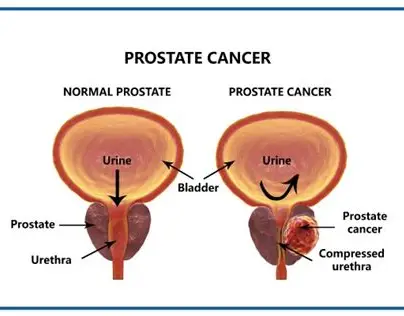
” Prostate cancer results from the uncontrolled growth of abnormal cells in the prostate gland. This gland produces part of the fluid in semen. It is located below the bladder and in front of the rectum, near the base of the penis.

Prostate cancer is one of the most commonly diagnosed cancers in American men. Many other men have the disease, but have not been diagnosed. This is because prostate cancer has few symptoms early on.

Prostate cancer is common, but it is not always dangerous. This is because it usually grows very slowly. It affects older men; the average age at diagnosis is 70.”

Harvard Health Publishing (Prostate Cancer – Harvard Health)

Prostate Cancer: Key Statistics, How common is this Dx, the risk factors, and deaths from prostate cancer!

Prostate Cancer:

Prostate cancer is the second most common cancer among men, first is skin cancer.

African-American men are at the greatest risk to develop prostate cancer. 

The American Cancer Society recommends men with an average risk of prostate cancer should begin the discussion about screening at age 50, while men with higher risk of prostate cancer should begin earlier.

Key statistics on Prostate Cancer from the American Cancer Society:

“Other than skin cancer, prostate cancer is the most common cancer in men in the United States.

Prostate cancer can be a serious disease, but most men diagnosed with prostate cancer do not die from it. In fact, more than 3.5 million men in the United States who have been diagnosed with prostate cancer at some point are still alive today.

The prostate cancer death rate declined by about half from 1993 to 2022, most likely due to earlier detection and advances in treatment. In recent years, the decline in the death rate has slowed, likely reflecting the rise in cancers being found at an advanced stage.”

Again, its still the 2nd most common cancer for men!”

How common is prostate cancer?

The American Cancer Society’s estimates for prostate cancer in the United States for 2025 are:

  • About 313,780 new cases of prostate cancer
  • About 35,770 deaths from prostate cancer

The number of prostate cancers diagnosed each year declined sharply from 2007 to 2014, coinciding with fewer men being screened because of changes in screening recommendations. Since 2014, however, the incidence rate has increased by 3% per year.

Risk of getting prostate cancer

About 1 in 8 men will be diagnosed with prostate cancer during their lifetime. But each man’s risk of prostate cancer can vary, based on his age, race/ethnicity, and other factors.

For example, prostate cancer is more likely to develop in older men. About 6 in 10 prostate cancers are diagnosed in men who are 65 or older, and it is rare in men under 40. The average age of men when they are first diagnosed is about 67.

Prostate cancer risk is also higher in African American men and in Caribbean men of African ancestry than in men of other races.

What is a risk factor?

A risk factor is anything that raises your chances of getting a disease such as cancer.

Different cancers have different risk factors. Some risk factors, like smoking, can be changed. Others, like a person’s age or family history, can’t be changed.

But having a risk factor, or even several, does not mean that you will get the disease. Many people with one or more risk factors never get cancer, while others who get cancer may have had few or no known risk factors.

Researchers have found some factors that can affect prostate cancer risk.

Deaths from prostate cancer

Prostate cancer is the second-leading cause of cancer death in American men, behind only lung cancer. About 1 in 44 men will die of prostate cancer.

Prostate cancer can be a serious disease, but most men diagnosed with prostate cancer do not die from it. In fact, more than 3.5 million men in the United States who have been diagnosed with prostate cancer at some point are still alive today.

The prostate cancer death rate declined by about half from 1993 to 2022, most likely due to earlier detection and advances in treatment. In recent years, the decline in the death rate has slowed, likely reflecting the rise in cancers being found at an advanced stage.

QUOTE FOR THURSDAY:

September is National Sickle Cell Disease (SCD) Awareness Month, and Mount Sinai Health System is reminding the community of the importance of newborn screening performed soon after birth with a blood test, education for families with this inherited condition and comprehensive care for children and adults including regular visits with a specialist can reduce complications of this illness.

Mount Sinai Hospital NYC

Sickle Cell Disease (SCD) – what it is, tips for staying healthy with SCD, signs, diagnosis and treatment.

tsickle cell disease 2


September is National Sickle Cell Awareness Month, a time to recognize the perseverance of patients living with sickle cell disease (SCD) and to recommit ourselves to improving the quality of life and health outcomes for all individuals living with SCD.

Mount Sinai Health System is reminding the community of the importance of newborn screening performed soon after birth with a blood test, education for families with this inherited condition and comprehensive care for children and adults including regular visits with a specialist can reduce complications of this illness.

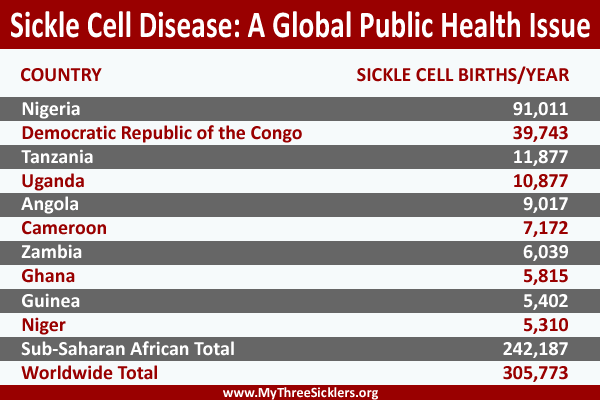
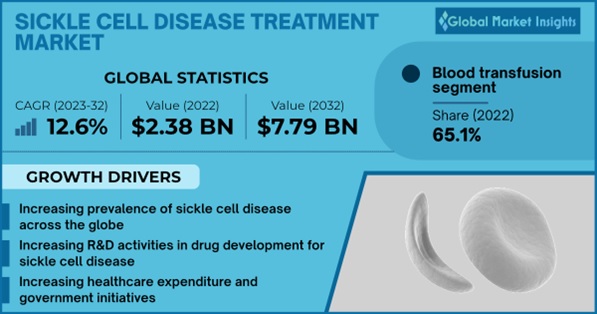
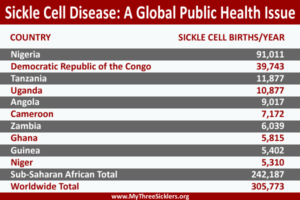
SCD is the most commonly inherited blood disorder in the United States, affecting 100,000 people, and millions more worldwide. The disease primarily affects people of African, Hispanic, Mediterranean, Middle Eastern and South Asian ancestry.

What is sickle cell disease (SCD) actually?

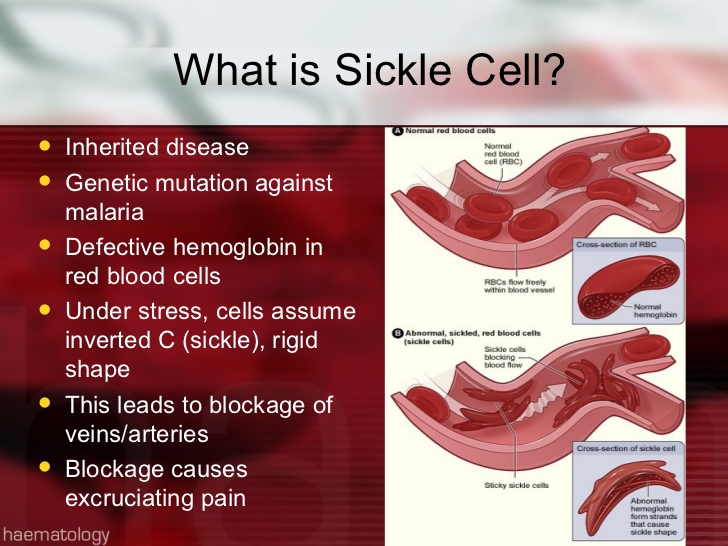
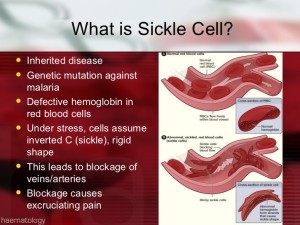
The term sickle cell disease (SCD) describes a group of inherited red blood cell disorders. People with SCD have abnormal hemoglobin, called hemoglobin S or sickle hemoglobin, in their red blood cells.

Hemoglobin is a protein in red blood cells that carries oxygen throughout the body.

“Inherited” means that the disease is passed by genes from parents to their children. SCD is not contagious. A person cannot catch it, like a cold or infection, from someone else.

People who have SCD inherit two abnormal hemoglobin genes, one from each parent. In all forms of SCD, at least one of the two abnormal genes causes a person’s body to make hemoglobin S. When a person has two hemoglobin S genes, Hemoglobin SS, the disease is called sickle cell anemia. This is the most common and often most severe kind of SCD.

Hemoglobin SC disease and hemoglobin Sβ thalassemia (thal-uh-SEE-me-uh) are two other common forms of SCD.

Cells in tissues need a steady supply of oxygen to work well. Normally, hemoglobin in red blood cells takes up oxygen in the lungs and carries it to all the tissues of the body.

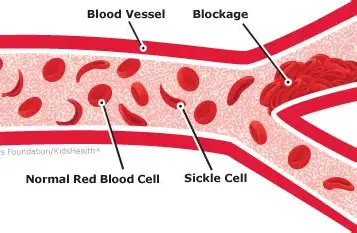
Red blood cells that contain normal hemoglobin are disc shaped (like a doughnut without a hole). This shape allows the cells to be flexible so that they can move through large and small blood vessels to deliver oxygen.

Sickle hemoglobin is not like normal hemoglobin. It can form stiff rods within the red cell, changing it into a crescent, or sickle shape.

Sickle-shaped cells are not flexible and can stick to vessel walls, causing a blockage that slows or stops the flow of blood. When this happens, oxygen can’t reach nearby tissues.
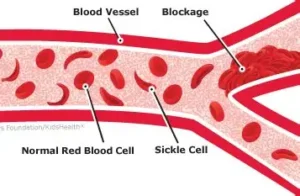
The lack of tissue oxygen can cause attacks of sudden, severe pain, called pain crisis. These pain attacks can occur without warning, and a person often needs to go to the hospital for effective treatment.

Most children with SCD are pain free between painful crises, but adolescents and adults may also suffer with chronic ongoing pain.

The red cell sickling and poor oxygen delivery can also cause organ damage. Over a lifetime, SCD can harm a person’s spleen, brain, eyes, lungs, liver, heart, kidneys, penis, joints, bones, or skin.

Sickle cells can’t change shape easily, so they tend to burst apart or hemolyze. Normal red blood cells live about 90 to 120 days, but sickle cells last only 10 to 20 days.

The body is always making new red blood cells to replace the old cells; however, in SCD the body may have trouble keeping up with how fast the cells are being destroyed. Because of this, the number of red blood cells is usually lower than normal. This condition, called anemia, can make a person have less energy.  Anemia ending line is lack of oxygen to the tissue body parts all over.

“Sickle cell disease is devastating for patients and their families,” said Jeffrey Glassberg, MD, MA, Assistant Professor of Emergency Medicine, Hematology and Medical Oncology, Icahn School of Medicine at Mount Sinai. “It’s a chronic disorder causing pain in the extremities and back, infections, organ failure and other tissue damage, skin infections, loss of eyesight, severe blood clots and strokes. Patients learn to function in a constant state of pain and when that pain becomes debilitating, they often end up in the emergency room,” said Dr. Glassberg, also Associate Director of the Comprehensive Sickle Cell Program at The Mount Sinai Hospital.

“Patients with SCD are more likely to live full lives if they undergo regular checkups, prevent infections and develop healthy habits,” said Jena Simon, MS, FNP-BC, RN, also of the Comprehensive Sickle Cell Program.

Tips to Staying Healthy for SCD patients:

  • Get regular checkups. Regular health checkups can help prevent some serious problems.
  • Prevent infections. Common illnesses, like influenza quickly can become dangerous for both children and adults with SCD. The best defense is to get a flu shot every fall and to stay up-to-date on other immunizations.
  • People with SCD should drink 8 to 10 glasses of water every day and eat healthy food. They also should try not to get too hot, too cold, or too tired.
  • Look for clinical studies. New clinical research studies are beginning all the time at Mount Sinai and elsewhere, with the goal of finding better treatments for SCD. Study participants gain early access to experimental medicines and treatments.
  • Get support. People with SCD should find a patient support group or other organization in the community that can provide information, assistance, and support.

Sickle Cell Disease Facts & Figures:

  • SCD is an inherited blood disorder that can cause severe pain and permanent damage to the brain, heart, lungs, kidneys, liver, bones and spleen.
  • SCD is most common in Africans and African-Americans. It is also found in other ethnic and racial groups, including people from South and Central America, the Caribbean, Mediterranean countries, and India.
  • More than 2 million people carry the sickle cell gene that allows them potentially to pass the disease on to their children. People of African, Hispanic, Mediterranean, Middle Eastern, and Indian descent may want to be tested for the gene before having children. You can carry the gene and not have any signs or symptoms of SCD. Both parents have to have the gene to have a child with SCD.

DIAGNOSIS & TREATMENT for SCD:

Minnesota Department of Health states the following about treatment:

“Sickle cell disease is usually diagnosed at birth through a blood spot test, which is part of the Newborn Screening Program. A blood test can also be performed at any time for those not screened at birth.

Treatment can help relieve symptoms and complications of SCD, which vary and can range from mild to severe. Treatment will be different for each person based on what symptoms they have. The goals of treating SCD are to prevent and relieve SCD complications, including pain, infections, organ damage, and strokes. Treatments can include:

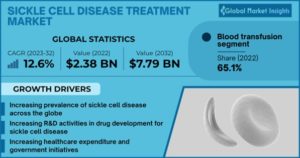
  • Receiving blood transfusions
  • Drinking lots of water (8 to 10 glasses of water each day)
  • Receiving IV (intravenous) therapy (fluids given into a vein)
  • Taking pain relievers
  • Gene therapy
  • medications
  • Taking an FDA-approved medication, such as hydroxyurea, crizalizumah, L-glutamine, or voxeletor

Currently, the only known cure for SCD is a blood or marrow transplant (BMT). A blood or marrow transplant is a procedure that takes healthy stem cells from a donor and puts them into someone else. These healthy stem cells cause the bone marrow to make new cells that are not in the sickle shape. Many people do well after a BMT and experience significant improvement in their quality of life. However, there are risks associated with transplants. Discuss eligibility for transplant and associated risks and benefits with a transplant doctor.”.