QUOTE FOR WEDNESDAY:

“On August 6, 2011, the USBC officially declared August as National Breastfeeding Month. Read the Proclamation.

​In recognition of National Breastfeeding Month (NBM), each August the U.S. Breastfeeding Committee hosts a social media advocacy and outreach campaign inviting member organizations, breastfeeding coalitions, partner organizations, and individuals to participate in online action and conversation about the policy and practice changes needed to build a landscape of support for babies and families. It’s a time where we Learn, Connect, and Act together to build momentum that sustains our movement through the coming year!”

U.S. Breastefeeding Commitee – USBC

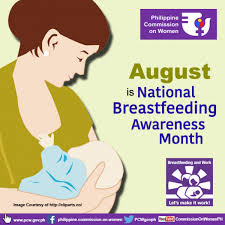
National Breastfeeding Awareness Month

World Breastfeeding Week is celebrated every year from 1 to 7 August to encourage breastfeeding and improve the health of babies around the world.

It commemorates the Innocenti Declaration signed in August 1990 by government policymakers, WHO, UNICEF and other organizations to protect, promote and support breastfeeding.

Breastfeeding is the best way to provide infants with the nutrients they need. WHO recommends exclusive breastfeeding starting within one hour after birth until a baby is 6 months old. Nutritious complementary foods should then be added while continuing to breastfeed for up to 2 years or beyond.

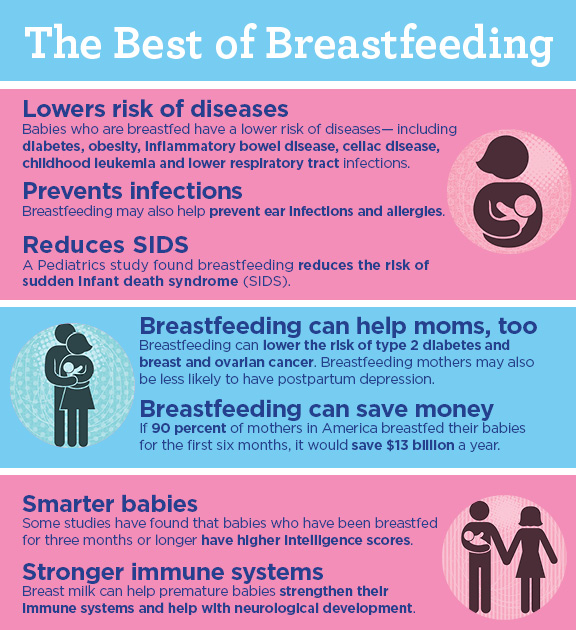
August is National Breastfeeding Awareness Month. The breastfeeding campaign, funded by the U.S. Department of Health and Human Services, hopes to empower women to commit to breastfeeding by highlighting new research showing that babies who are exclusively breastfed for six months are less likely to develop ear infections, diarrhea and respiratory illnesses, and may be less likely to develop childhood obesity.

WHO has worked with UNICEF and partners to promote the importance of helping mothers breastfeed their babies within that crucial first hour of life. Skin-to-skin contact along with suckling at the breast stimulate the production of breastmilk, including colostrum, also called the baby’s ‘first vaccine’, which is extremely rich in nutrients and antibodies.  Breastfeeding your baby can lower the risk of SIDS by as much as 50%, though experts aren’t sure why. Sudden infant death syndrome (SIDS) is the unexplained death, usually during sleep, of a seemingly healthy baby less than a year old. SIDS is sometimes known as crib death because the infants often die in their cribs.  Some think breast milk may protect babies from infections that raise their SIDS risk. Do not drink alcohol if you breastfeed, because that raises your baby’s risk of SIDS. In addition, the simple touch is helpful. Skin-to-skin contact is important for your baby’s development.

Breastfeeding: it’s one of the most natural and intimate of all human interactions. But, just because it’s natural doesn’t mean it’s easy—especially in those first few overwhelming weeks with your newborn.  Breastfeeding takes knowledge and practice.


QUOTE FOR THE WEEKEND:

“You might think your vision is fine or that your eyes are healthy, but visiting your eye care professional for a comprehensive dilated eye exam is the only
way to really be sure.  Talk to your family members about their eye health
history. It’s important to know if anyone has been diagnosed with a disease
or condition since many are hereditary.  You’ve heard carrots are good for your eyes. But eating a diet rich in fruits and vegetables, particularly dark leafy greens such as spinach, kale, or collard greens, is important for keeping your eyes healthy, too.”

National Eye Institute (Simple Tips for Healthy Eyes)

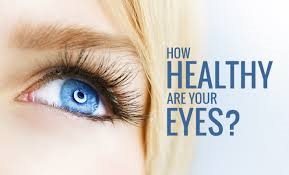
Healthy Eyes are vital! Learn how to keep them working EFFECTIVELY and factors that influence how your eyes turn out!

                                                       eyes

EYES and how our health is vital in keeping the eyes working EFFECTIVELY.

Like all organs if your diet is not healthy you’ll effect their functioning, including your eyes. Take for example the ingredients you include in the foods & fluids you eat. Just like how some drink from one up to three thousand cc’s of water a day to help prevent dehydration in their tissues if they work out daily from a gym to running miles outside OR take someone who simply includes calcium in their diet for their bones. Well what is good for the eyes and what can you do to help both your eyes?

Get an annual comprehensive dilated eye exam. Why?  During a comprehensive dilated eye exam, your eye care professional places drops in your eyes to dilate, or widen, the pupil to allow more light to enter the eye the same way an open door lets more light into a dark room. This dilation enables
your eye care professional to get a good look at the back of the eyes and examine them for any signs of damage or disease. Your eye care professional is the only one who can determine if your eyes are healthy and if you are seeing your best.  That is why a yearly comprehensive eye exam is vital!

You should know your families eye history since many eye diseases are through heredity, eat an eye healthy & well-balanced diet rich in salmon, tuna, dark leafy greens, colored vegetables and fruits, wear sunglasses with UV protection and avoid smoking (which effects the body everywhere, including the eyes).

So talk to your family members about their eye health history. It’s important to know if anyone has been diagnosed with a disease or condition since many are hereditary. This information will help to determine if you are at higher risk for developing an eye disease or condition.

What ingredients do we need in our dieting that is so vital for the eyes to stay at their healthiest level?

You’ve heard carrots are good for your eyes. But eating a diet rich in fruits and vegetables, particularly dark leafy greens such as spinach, kale, or collard greens, is important for keeping your eyes healthy, too. Research has also shown there are eye health benefits from eating fish high in omega-3 fatty acids, such as salmon, tuna, and halibut.

Well Lutein and Zeaxanthin (Pronounced loo’teen and Zee’-a-zan-thin)-Powerful antioxidants naturally present in the macula (the part of the retina that is responsible for central vision). Remember damage to the retina causes some degree of lack of vision to 100% blind. Lutein and Zeaxanthin are critical for helping to filter out harmful blue light, which can damage the macula. These vital antioxidants cannot be produced by our bodies on their own, so they must be obtained through diet and/or supplements (ex. Ocuvite Supplements in the store).

Another ingredient we need in our diet is Omega 3 Fatty Acids which is a family of fatty acids that help protect our eyes by keeping them healthy. Omega 3 is an important structural lipid in the retina and helps support proper function; and is vital for the health of your eyes as you age. Lastly it helps promote healthy tear production necessary for healthy and comfortable eyes.

Other Nutrients Antioxidants Vitamins C and E, Zinc and beta carotene. They help protect eyes from oxidative stress (Oxidative stress reflects an imbalance between the systemic manifestation of reactive oxygen species and a biological system’s ability to readily detoxify the reactive intermediates or to repair the resulting damage and oxidative stress can cause disruptions in normal mechanisms of cellular signaling. It is thought to be involved in the development of many diseases.)

What Your Diet or Daily Health Habits May Be Missing:

Many dark leafy greens and brightly colored vegetables (including orange foods) are rich in Lutein and Zeaxanthin. We all heard about carrots (to get Beta-carotene)

Oil-rich fish such as tuna and salmon along with nuts and fortified eggs are an excellent source of omega-3s. Omega-3s: A family of fatty acids that help protect the eye to keep it healthy, another important nutrient for your eyes

Unfortunately, many of us do not consume enough of these eye-healthy foods in our daily diets. What should you have in your diet to eat per day to equal the amount of Lutein and Zeaxanthin you should have daily:   5 cups of broccoli, 6 cups of corn, 1 ounce of salmon or 4 ounces of tuna. A lot of vegetables in cups but if you mix your foods in the 4 food groups that are healthy for the eye or just simply take supplements that your doctor recommends for eye health you won’t be eating cups and cups of vegetables if you don’t like the taste.

*Know other foods high in omega 3 are halibut, spinach, collard and kale.

VITAL NUTRIENTS FOR GETTING THE EYES HEALTHY.

Many eye diseases can’t be avoided (like born blind) but there are many diseases that could have been avoided through prevention tactics in what you eat and in what you practice as your daily habits. For example some that could be prevented if not slowed down or suppressed in the intensity of the disease can be Age-Related Macular Degeneration, Cataracts, Dry Eye Syndrome and more.                                                                                                                

Factors that also influence how our eyes turn out are:

Being overweight or obese is a factor that increases your risk of developing diabetes and other systemic conditions which can lead to vision loss, such as diabetic eye disease (macular degeneration) or even glaucoma. If you’re having trouble maintaining a healthy weight, talk to your doctor or go to my website with Dr. Anderson available to help you understand how the body works with calories/sugars, carbohydrates, starches, fats, and sugars; with understanding how portions of meals work with digestion and how it can put weight on the body.

If you do a lot of work daily on a computer or on any one thing, your eyes may forget to blink or get very fatigued, so attempt to do every 20 minutes looking away from the computer or one thing your focused on for hours (like at work) for 20 seconds. This helps your eyes in reducing eyestrain (it is an actually an exercise for the eye).

Clean your hands and your contact lenses properly. This is to avoid local infection in the eye. Always wash your hands before putting in and taking out the contact lenses. Follow your doctors and contact lenses website in keeping your eyes healthy and safe with using their service for your lenses.

Practice workplace eye safety as their organization policy and procedure states but also use common sense with wearing eye goggles when doing work around the house that puts you at risk for eye damage (like weed whacking, painting, using saws etc…) Wear protective eyewear when playing sports or doing activities around the home. Protective eyewear includes safety glasses and goggles, safety shields, and eye guards specially designed to provide the correct protection for a certain activity. Most protective eyewear lenses are made of polycarbonate, which is 10 times stronger than other plastics. Many eye care providers sell protective eyewear, as do some sporting goods stores.

Also know at home to be protective and wear protective eyewear when playing sports or doing activities around the home. Protective eyewear includes safety glasses and goggles, safety shields, and eye guards specially designed to provide the correct protection for a certain activity. Most protective eyewear lenses are made of polycarbonate, which is 10 times stronger than other plastics. Many eye care providers sell protective eyewear, as do some sporting goods stores.

Our health care system is in a disaster but gradually improving and lets add to improving it for us now and ten years from now and for future generations to decrease the amount of disease and illness in our country with giving our government a reason to decrease the price in our health care system (including insurances). Please if you have any diseases or illnesses on your mind with questions that you have let me know in my comment section and I will personally try to make it the next article if not sometime that week. Thank you for reading my post.

References: 1.)http://www.ocuvite.com

Updated on 7/27/25
QUOTE FOR FRIDAY:

“In the United States, there is no program that specifically addresses children’s vision and eye health. The EDVI Act would change that by providing grants for states and communities to improve systems of care that will ensure that every child in the United States has the chance for early identification and intervention for potential vision problems.

Passing this important legislation would signal a national commitment to prevent blindness and preserve sight in our nation’s children and acknowledge that vision and eye health is an important aspect of children’s health, development, and wellbeing that will set the foundation for a child to grow into adulthood with healthy eyesight.”

Prevent Blindness-eyes on capitol hill (Prevent Blindness Legislative Action Center – advocacy)

QUOTE FOR THURSDAY:

“Hepatitis D is a liver infection caused by HDV. HDV is known as a “satellite virus” because it can only infect people who are also infected by the hepatitis B virus (HBV). HDV can cause severe symptoms and serious illness that can lead to liver damage and even death.

Because hepatitis D is not a nationally notifiable condition, the actual number of hepatitis D cases in the US is unknown.

People with hepatitis D can become infected with both HBV and HDV at the same time or get hepatitis D after first being infected with HBV. These two types of HDV infection are defined below.

People who get infected with both HBV and HDV at the same time are considered coinfected. Coinfection with HBV and HDV can cause serious short-term health problems and even liver failure, but it usually does not lead to lifelong illness.

Superinfection happens when people get hepatitis D after first having been infected with HBV. This type of infection is more likely to result in long-term illness, including rapid development of liver fibrosis, liver failure, and even death.”

Centers for Disease Control and Prevention – CDC (Hepatitis D Basics | Hepatitis D | CDC)

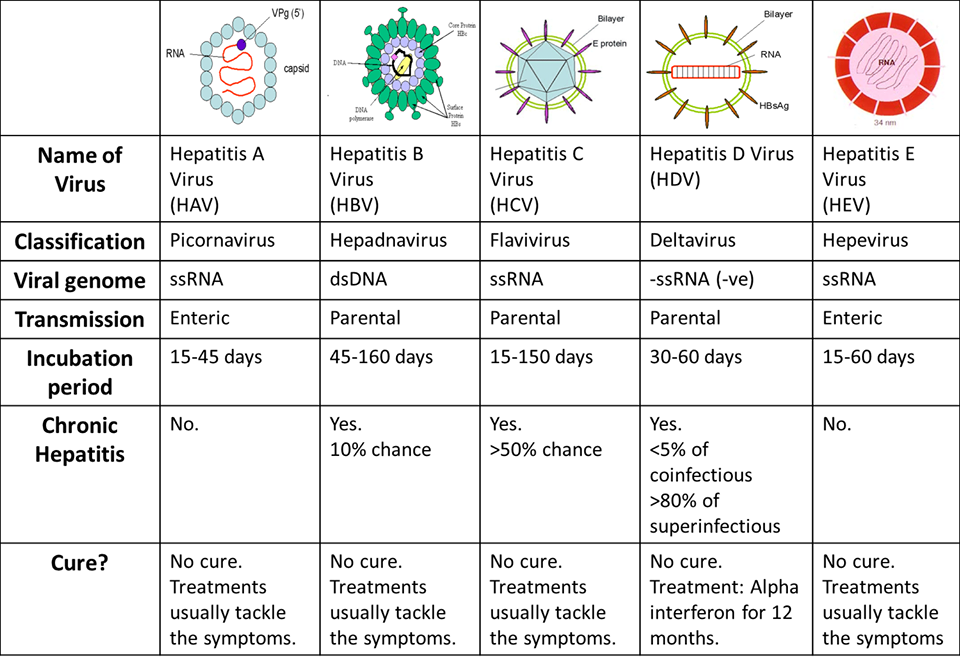
PART III Hepatitis D and E -what they are, how both are transmitted, diagnosed, & treated!

HEPATITIS D:

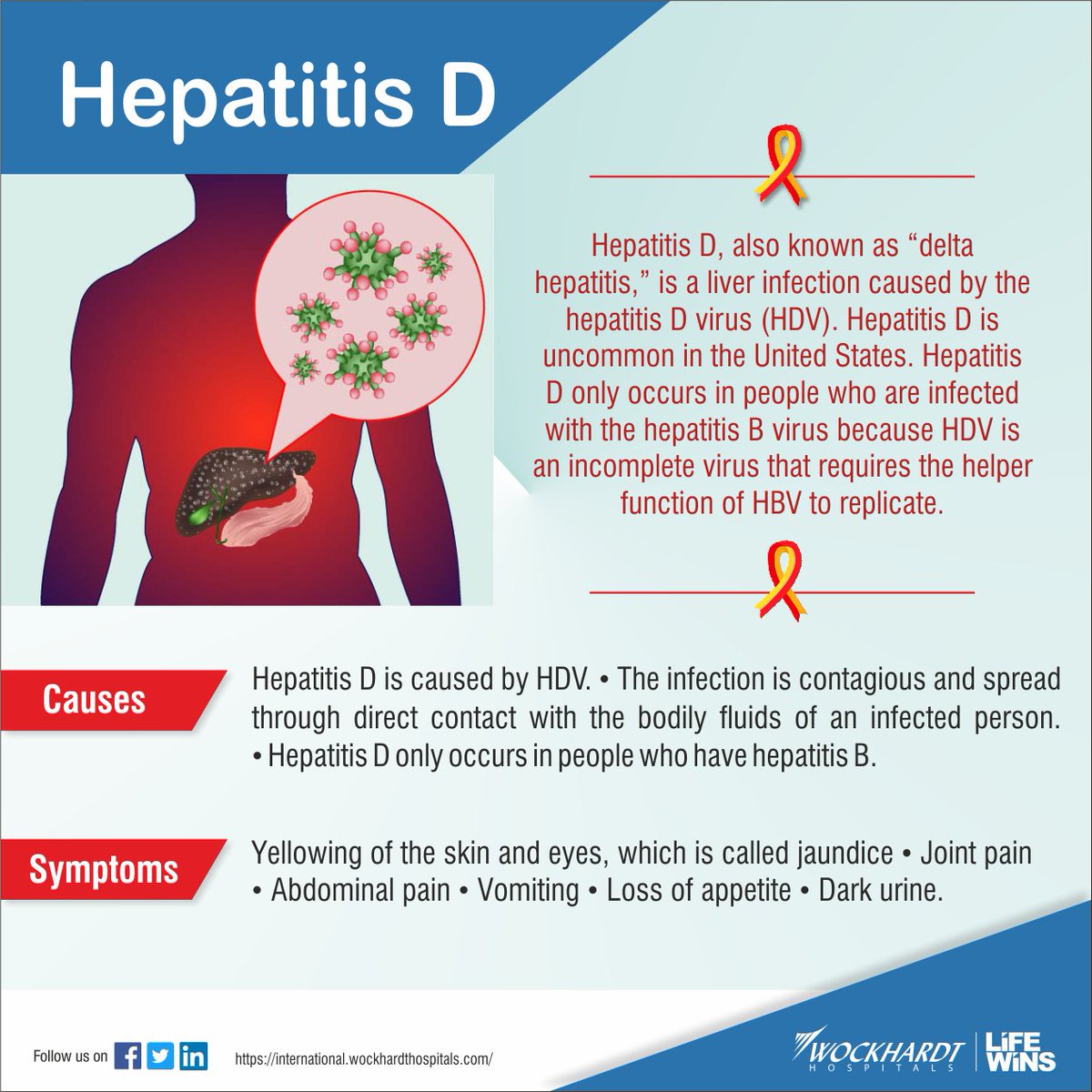
Hepatitis D (hepatitis delta) is a disease caused by the hepatitis D virus (HDV), a small circular enveloped RNA virus. This is one of five known hepatitis viruses: A, B, C, D, and E. HDV is considered to be a sub-viral satellite because it can propagate only in the presence of the hepatitis B virus (HBV).

How its transmitted:

Transmission of HDV can occur either be via simultaneous infection with HBV (coinfection) or superimposed on chronic hepatitis B or hepatitis B carrier state (superinfection).

Both superinfection and coinfection with HDV results in more severe complications compared to infection with HBV alone. These complications include a greater likelihood of experiencing liver failure in acute infections and a rapid progression to liver cirrhosis, with an increased chance of developing liver cancer in chronic infections. In combination with hepatitis B virus, hepatitis D has the highest fatality rate of all the hepatitis infections, at 20%.

The routes of transmission of hepatitis D are similar to those for hepatitis B. Infection is largely restricted to persons at high risk of hepatitis B infection, particularly injecting drug users and persons receiving clotting factor concentrates. Worldwide more than 15 million people are co-infected. HDV is rare in most developed countries, and is mostly associated with intravenous drug use.

How its diagnosed:

HDV infection is diagnosed by high levels of anti-HDV immunoglobulin G (IgG) and immunoglobulin M (IgM), and confirmed by detection of HDV RNA in serum.

However, HDV diagnostics are not widely available and there is no standardization for HDV RNA assays, which are used for monitoring response to antiviral therapy.

How it’s treated:

The vaccine for hepatitis B protects against hepatitis D virus because of the latter’s dependence on the presence of hepatitis B virus for it to replicate.

Low quality evidence suggests that interferon alpha can be effective in reducing the severity of the infection and the effect of the disease during the time the drug is given, but the benefit generally stops when the drug is discontinued, indicating that it does not cure the disease. Interferon is effective only in ~20% of cases.

The drug myrcludex B, which inhibits virus entry into hepatocytes, is in clinical trials as of October 2015


Hepatitis E:

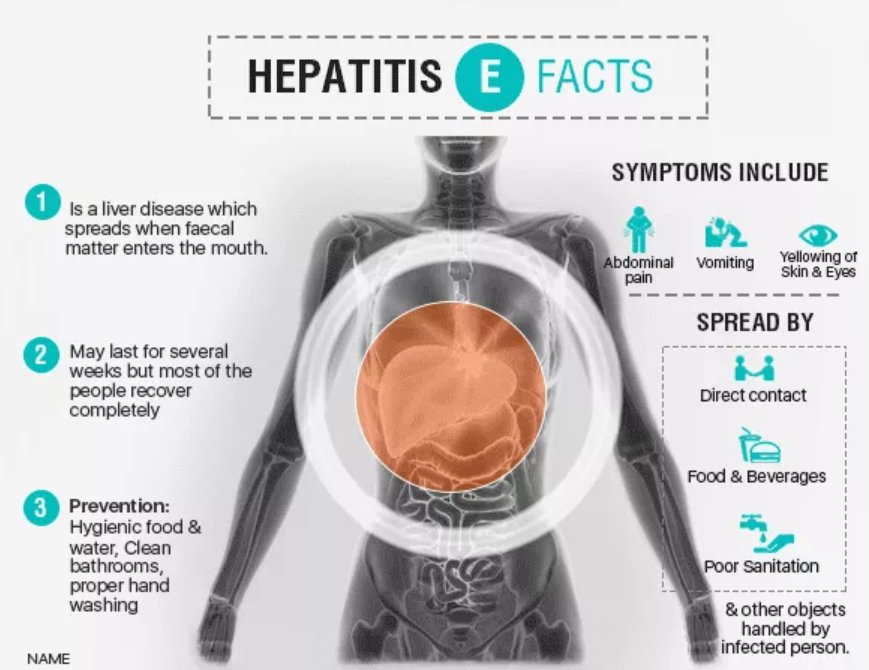
Hepatitis E infection is found worldwide and is common in low- and middle-income countries with limited access to essential water, sanitation, hygiene and health services.

How it’s transmitted:

In these areas, the disease occurs both as outbreaks and as sporadic cases. The outbreaks usually follow periods of fecal contamination of drinking water supplies and may affect several hundred to several thousand persons. Some of these outbreaks have occurred in areas of conflict and humanitarian emergencies such as war zones and camps for refugees or internally displaced populations, where sanitation and safe water supply pose special challenges.

Sporadic cases are also believed to be related to contamination of water, albeit at a smaller scale. The cases in these areas are caused mostly by infection with genotype 1 virus, and much less frequently by genotype 2 virus.

In areas with better sanitation and water supply, hepatitis E infection is infrequent, with only occasional sporadic cases. Most of these cases are caused by genotype 3 virus and are triggered by infection with virus originating in animals, usually through ingestion of undercooked animal meat (including animal liver, particularly pork). These cases are not related to contamination of water or other foods.

How its diagnosed:

Definitive diagnosis of hepatitis E infection is usually based on the detection of specific anti-HEV immunoglobulin M (IgM) antibodies to the virus in a person’s blood; this is usually adequate in areas where the disease is common.

How it’s treated:

There is no specific antiviral therapy for acute hepatitis E. Physicians should offer supportive therapy. Patients are typically advised to rest, get adequate nutrition and fluids, avoid alcohol, and check with their physician before taking any medications that can damage the liver, especially acetaminophen.  If any form of treatment, NIH NIDDK recommends this:  “Treatment for acute hepatitis E includes resting, drinking plenty of liquids, and eating healthy foods to help relieve symptoms. Talk with your doctor before taking any prescription or over-the-counter medicines, vitamins or other dietary supplements NIH external link, or complementary or alternative NIH external link medicines—any of these could damage your liver. You should avoid alcohol until your doctor tells you that you have completely recovered from hepatitis E.”


QUOTE FOR WEDNESDAY:

“Hepatitis C is a viral infection that causes liver swelling, called inflammation. Hepatitis C can lead to serious liver damage. The hepatitis C virus (HCV) spreads through contact with blood that has the virus in it.

Hepatitis C infection is caused by the hepatitis C virus (HCV). The infection spreads when blood that has the virus enters the bloodstream of a person who isn’t affected.

Around the world, hepatitis C infection exists in several forms, called genotypes. There are seven genotypes and 67 subtypes. The most common hepatitis C genotype in the United States is type 1.”

MAYO CLINIC (Hepatitis C – Symptoms and causes – Mayo Clinic)

Part II Awareness on Hepatitis C-What it is, how its transmitted, how its diagnosed & treated with those at risk!

                          Hepatitis II


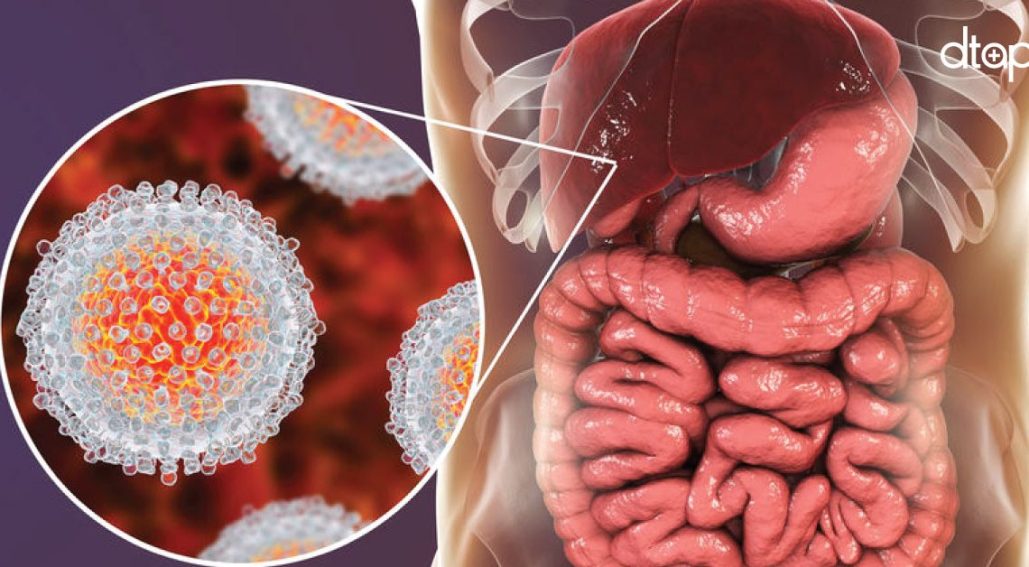
Hepatitis C is an infectious disease affecting primarily the liver, caused by the hepatitis C virus (HCV). The infection is often asymptomatic, but chronic infection can lead to scarring of the liver and ultimately to cirrhosis, which is generally apparent after many years. In some cases, those with cirrhosis will go on to develop liver failure, liver cancer, or life-threatening esophageal and gastric varices.

HCV is spread primarily by blood-to-blood contact associated with intravenous drug use, poorly sterilized medical equipment, and transfusions. An estimated 150–200 million people worldwide are infected with hepatitis C. The existence of hepatitis C – originally identifiable only as a type of non-A non-B hepatitis – was suggested in the 1970s and proven in 1989.  Hepatitis C infects only humans and chimpanzees. It is one of five known hepatitis viruses: A, B, C, D, and E.

The virus persists in the liver in about 85% of those infected. This infection of the liver is caused by the hepatitis virus. About 3.2 million people in the U.S. have the disease. But it causes few symptoms, so most of them don’t know.

There are many forms of the hepatitis C virus. The most common in the U.S. is type 1. None is more serious than any other, but they respond differently to treatment.

Jaundice (a condition that causes yellow eyes and skin, as well as dark urine), Stomach pain, Loss of appetite, Nausea, and Fatigue.

HOW IT’S TRANSMITTED

The virus spreads through the blood or body fluids of an infected person.

You can catch it from:

-Sharing drugs and needles

-Having sex, especially if you have an STD, an HIV infection, several partners, or have rough sex.

-Being stuck by infected needles

-Birth — a mother can pass it to a child

Hepatitis C isn’t spread through food, water, or by casual contact.

HOW IT’S DIAGNOSED

You can get a blood test to see if you have the hepatitis C virus.

Are There Any Long-Term Effects?

Yes. About 75% to 85% of people who have it develop a long-term infection called chronic hepatitis C. It can lead to conditions like liver cancer and cirrhosis, or scarring of the liver. This is one of the top reasons people get liver transplants.

WHAT’S THE TREATMENT:

Hepatitis C treatments have changed a lot in recent years. The latest is a once-daily pill called Harvoni that cures the disease in most people in 8-12 weeks. It combines two drugs: sofosbuvir (Sovaldi) and ledipasvir. In clinical trials, the most common side effects were fatigue and headache. However, the medicine is expensive.  Interferon and ribavirin used to be the main treatments for hepatitis C. They can have side effects like fatigue, flu-like symptoms, anemia, skin rash, mild anxiety, depression, nausea, and diarrhea.

THOSE AT HIGHEST RISK:

Certain things may increase your risk of becoming infected with the hepatitis C virus. Just because you are at risk for getting hepatitis C does not mean that you have the virus.

Many people do not know how they became infected with hepatitis C.

Recommended Related to Hepatitis

Tips to Deal With Hepatitis C Fatigue

When you have hepatitis C, being tired — really tired — can be a fact of life. But there are ways you can boost your energy. Here, three people who have experience with fatigue from the disease share their tips.

You can get hepatitis from:                                                           

Sharing needles and other equipment (such as cotton, spoons, and water) used to inject drugs.              

-Having your ears or another body part pierced, getting a tattoo, or having acupuncture with needles that have not been sterilized properly. The risk of getting hepatitis C in these ways is very low.                          

-Working in a health care environment where you are exposed to fresh blood or where you may be pricked with a used needle. Following standard precautions for health care workers makes this risk very low.


QUOTE FOR TUESDAY:

“With five different types of viral hepatitis, it can be difficult to understand the differences between them. Some forms of hepatitis get more attention than others, but it is still important to know how they are transmitted, what they do, and the steps that you can take to protect yourself and your liver!

While hepatitis A and B both impact the liver, the two viruses differ greatly from one another. Hepatitis B is a blood-borne pathogen; its primary mode of transmission is through direct blood-to-blood contact with an infected person. In contrast, hepatitis A can be spread by fecal-oral transmission or by consuming food or water that has been contaminated.”

Hepatitis B Foundation (What’s the Difference: Hepatitis A vs Hepatitis B – Hepatitis B Foundation)