Know the 5 worst epidemics about Influenza and how the vaccine impacts keeping epidemics down in history!

Influenza A (H1N1), Influenza A (H3N2), and one or two influenza B viruses (depending on the vaccine) are included in each year’s influenza vaccine now.

Learn how influenza got started:

 The 20th century alone 3 influenza pandemics occurred:

Spanish influenza in 1918 (~50+ million deaths),

Asian influenza in 1957 (two million deaths) and

Hong Kong influenza in 1968 (one million deaths).

FLU Pandemics – The 5 worst FLU outbreaks:

1- “The Russian Flu” -1889

Known as the “Russian Flu,” this influenza outbreak is believed to have begun in St. Petersburg but it soon spread across Europe and the world. It was one of the first epidemics that was covered regularly by the developing daily press. Newspapers wrote about the local spread of the disease and also discussed the situation in other distant European cities thanks to telegraph reports. It is estimated that around 1 million people died of the Russian Flu.

2-“The Spanish Flu” 1918-1919

Influenza was discovered not by a direct study of the disease in humans, but rather from studies on animal diseases. In 1918, J.S. Koen, a veterinarian, observed a disease in pigs which was believed to be the same disease as the now famous “Spanish” influenza pandemic of 1918.  If not the most severe pandemic than one of the most severe pandemics in history was the 1918 influenza virus, often called “the Spanish Flu.” The virus infected roughly 500 million people—one-third of the world’s population—and caused 50 million deaths worldwide (double the number of deaths in World War I). In the United States, a quarter of the population caught the virus, 675,000 died, and life expectancy dropped by 12 years. With no vaccine to protect against the virus, people were urged to isolate, quarantine, practice good personal hygiene, and limit social interaction.  The World Health Organization declared an outbreak of a new type of influenza A/H1N1 to be a pandemic in June 2009=Swine FluSwine flu (H1N1) is a type of viral infection.  Swine flu it resembles a respiratory infection that pigs can get. Influenza—more specifically the Spanish flu—left its devastating mark in both world and American history that year. The microscopic killer circled the entire globe in four months, claiming the lives of more than 21 million people. The United States lost 675,000 people to the Spanish flu in 1918-more casualties possibly compared to World War I,  the Korean War and the Vietnam War combined not World War 2.   Pharmaceutical companies worked around the clock to come up with a vaccine to fight the Spanish flu, but they were too late. The virus disappeared before they could even isolate it.  It took 1/3 of the lives on earth.

Until February 2020, the 1918 epidemic was largely overlooked in the teaching of American history, despite the ample documentation at the National Archives and elsewhere of the disease and its devastation.

Over 100-years-old, from 1918, that just months ago seemed quaint and dated now seem oddly prescient. We make these records more widely available in hopes that they contain lessons about what to expect over the coming months and ideas about ways to avoid a repeat and prepare for what may follow.  H1N1-RX=VACCINE is the answer!

3-“Asian Flu”1957-1958

In February 1957, a new influenza A (H2N2) virus emerged in East Asia, triggering a pandemic (“Asian Flu”). This H2N2 virus was comprised of three different genes from an H2N2 virus that originated from an avian influenza A virus, including the H2 hemagglutinin and the N2 neuraminidase genes. It was first reported in Singapore in February 1957, Hong Kong in April 1957, and in coastal cities in the United States in summer 1957. The estimated number of deaths was 1.1 million worldwide and 116,000 in the United States.

Asian flu pandemic was a global pandemic of influenza A virus subtype H2N2 that originated in Guizhou in Southern China. The number of excess deaths caused by the pandemic is estimated to be 1–4 million around the world (1957–1958 and probably beyond), making it one of the deadliest pandemics in history.

4-“Hong Kong H3N2 Flu” 1968

The Hong Kong flu, also known as the 1968 flu pandemic, was a flu pandemic that occurred in 1968 and 1969-70 which killed between one and four million people globally.  It is among the deadliest pandemics in history, and was caused by an H3N2 strain of the influenza A virus. The virus was descended from H2N2 (which caused the Asian flu pandemic in 1957–1958) through antigenic shift, a genetic process in which genes from multiple subtypes are reassorted to form a new virus.  The first recorded instance of the outbreak appeared on 13 July 1968 in British Hong Kong. It has been speculated that the outbreak began in mainland China before it spread to Hong Kong;[10] On 11 July, before the outbreak in the colony was first noted, the Hong Kong newspaper Ming Pao reported an outbreak of respiratory illness in Guangdong Province, and the next day, The Times issued a similar report of an epidemic in southeastern China.[13] Later reporting suggested that the flu had spread from the central provinces of Sichuan, Gansu, Shaanxi, and Shanxi, which had experienced epidemics in the spring.  However, due to a lack of etiological information on the outbreak and a strained relationship between Chinese health authorities and those in other countries at the time, it cannot be ascertained whether the Hong Kong virus was to blame.  The outbreak lasted around six weeks, affecting about 15% of the population (some 500,000 people infected), but the mortality rate was low and the clinical symptoms were mild.

There were two waves of the flu in mainland China, one between July–September in 1968 and the other between June–December in 1970.  The reported data were very limited due to the Cultural Revolution, but retrospective analysis of flu activity between 1968 and 1992 shows that flu infection was the most serious in 1968, implying that most areas in China were affected at the time.

The epidemic became widespread in December, involving all 50 states before the end of the year.  Outbreaks occurred in colleges and hospitals, in some places the disease attacking upwards of 40% of their populations. Reports of absenteeism among students and nurses grew. Schools in Los Angeles, for example, reported rates ranging from 10 to 25%, compared to a typical 5 or 6%.  The Greater New York Hospital Association reported absenteeism of 15 to 20% among staff and urged its members to impose visitor restrictions to safeguard patients.  Economic activity was also hampered by high levels of industrial absenteeism.

Peak influenza activity for most states most likely occurred in the latter half of December or early January, but the exact week was impossible to determine due to the holiday season. Activity declined throughout January. Excess pneumonia-influenza mortality passed the epidemic threshold during the first week of December and increased rapidly over the next month, peaking in the first half of January. It took until late March for mortality to return to normal levels. There was no second wave during this season.  Following the epidemic of influenza A, outbreaks of influenza B began in late January and continued until late March. Mostly elementary-school children were affected.  This influenza B activity fit within the pattern of epidemics every three to six years, but the 1968–1969 flu season became the first documented instance of two major influenza A epidemics to occur in successive seasons.  Given the widespread epidemic levels of influenza A activity in 1968–1969, the CDC in June 1969 predicted little more than “sporadic cases” of influenza A in the 1969–1970 season.

The Hong Kong flu was the first known outbreak of the H3N2 strain, but there is serologic evidence of H3N1 infections in the late 19th century. The virus was isolated in Queen Mary Hospital located in Poc Fu Lam on Hong Kong Island of Hong Kong.

The estimates of the total death toll due to Hong Kong flu (from its beginning in July 1968 until the outbreak faded during the winter of 1969–70 vary:

  • The World Health Organization and Encyclopaedia Britannica estimated the number of deaths due to Hong Kong flu to be between 1 and 4 million globally.
  • The United States Centers for Disease Control and Prevention (CDC) estimated that, in total, the virus caused the deaths of 1 million people worldwide

However, the death rate from the Hong Kong flu was lower than most other 20th-century pandemics.

5-2009 H1N1 FLU

The 2009 swine flu pandemic, caused by the H1N1/swine flu/influenza virus and declared by the World Health Organization (WHO) from June 2009 to August 2010, was the third recent flu pandemic involving the H1N1 virus (the first being the 1918–1920 Spanish flu pandemic and the second being the 1977 Russian flu).   The first identified human case was in La Gloria, Mexico, a rural town in Veracruz. The virus appeared to be a new strain of H1N1 that resulted from a previous triple reassortment of bird, swine, and human flu viruses which further combined with a Eurasian pig flu virus,  leading to the term “swine flu” in this pandemic.

In 2009, an H1N1 pandemic infected millions of people worldwide.

Today, you can prevent H1N1 with an annual flu shot. You can treat it with rest, fluids and antiviral medications.  The 2009 H1N1 flu pandemic, also known as the swine flu, was the first major influenza outbreak of the 21st century.

Swine flu first appeared in Mexico and the United States in March and April 2009 and has swept the globe with unprecedented speed as a result of airline travel.

On June 11, 2009, the World Health Organization raised its pandemic level to the highest level, Phase 6, indicating widespread community transmission on at least two continents. The 2009 H1N1 virus contains a unique combination of gene segments from human, swine and avian influenza. This new H1N1 virus contained a unique combination of influenza genes not previously identified in animals or people. This virus was designated as influenza A (H1N1) virus. Ten years later work continued to better understand influenza, prevent disease, and prepare for the next pandemic.

Influenza may also affect other wild life which are horses, chickens and birds along with the pigs. In late 1917, military pathologists reported the onset of a new disease with high mortality that they later recognized as the flu. The overcrowded camp and hospital — which treated thousands of victims of chemical attacks and other casualties of war — was an ideal site for the spreading of a respiratory virus; 100,000 soldiers were in transit every day. It also was home to a live piggery, and poultry were regularly brought in for food supplies from surrounding villages. Oxford and his team postulated that a significant precursor virus, harbored in birds, mutated so it could migrate to pigs that were kept near the front.

Influenza A virus subtype H5N1, also known as A(H5N1) or simply H5N1, is a subtype of the influenza A virus which can cause illness in humans and many other animal species.  A bird-adapted strain of H5N1, called HPAI A(H5N1) for highly pathogenic avian influenza virus of type A of subtype H5N1, is the highly pathogenic causative agent of H5N1 flu, commonly known as avian influenza (“bird flu“).  It is enzootic (maintained in the population) in many bird populations, especially in Southeast Asia.

CDC Centers for Disease Control blog site states, “There are four types of influenza viruses: A, B, C and D. Human influenza A and B viruses cause seasonal epidemics of disease almost every winter in the United States. The emergence of a new and very different influenza A virus to infect people can cause an influenza pandemic. Influenza type C infections generally cause a mild respiratory illness and are not thought to cause epidemics. Influenza D viruses primarily affect cattle and are not known to infect or cause illness in people.

Influenza A viruses can be further broken down into different strains. Current subtypes of influenza A viruses found in people are influenza A (H1N1) and influenza A (H3N2) viruses. In the spring of 2009, a new influenza A (H1N1) virus (CDC 2009 H1N1 Flu website) emerged to cause illness in people. This virus was very different from the human influenza A (H1N1) viruses circulating at that time. The new virus caused the first influenza pandemic in more than 40 years. That virus (often called “2009 H1N1”) has now replaced the H1N1 virus that was previously circulating in humans.

Influenza B viruses are not divided into subtypes, but can be further broken down into lineages and strains. Currently circulating influenza B viruses belong to one of two lineages: B/Yamagata and B/Victoria. Unlike type A flu viruses, type B flu is found only in humans. Type B flu may cause a less severe reaction than type A flu virus, but occasionally, type B flu can still be extremely harmful. Influenza type B viruses are not classified by subtype. However, influenza B viruses do not cause pandemics.

CDC follows an internationally accepted naming convention for influenza viruses. This convention was accepted by WHO in 1979 and published in February 1980 in the Bulletin of the World Health Organization, 58(4):585-591 (1980) (see A revision of the system of nomenclature for influenza viruses: a WHO Memorandum[854 KB, 7 pages]). The approach uses the following components:

  • The antigenic type (e.g., A, B, C)
  • The host of origin (e.g., swine, equine, chicken, etc. For human-origin viruses, no host of origin designation is given.)
  • Geographical origin (e.g., Denver, Taiwan, etc.)
  • Strain number (e.g., 15, 7, etc.)
  • Year of isolation (e.g., 57, 2009, etc.)
  • For influenza A viruses, the hemagglutinin and neuraminidase antigen description in parentheses (e.g., (H1N1), (H5N1)

For example:

  • A/duck/Alberta/35/76 (H1N1) for a virus from duck origin
  • A/Perth/16/2009 (H3N2) for a virus from human origin

Getting a flu vaccine can protect against flu viruses that are the same or related to the viruses in the vaccine. Information about this season’s vaccine can be found at Preventing Seasonal Flu with Vaccination. The seasonal flu vaccine does not protect against influenza C viruses. Additionally, flu vaccines will NOT protect against infection and illness caused by other viruses that also can cause influenza-like symptoms. There are many other non-flu viruses that can result in influenza-like illness (ILI) that spread during flu season.  If people got vaccines high odds there would be less influenza spreading throughout the country you live in or globally with travelers for both pleasure and business.

  • Flu vaccines have been updated to better match circulating viruses [the B/Victoria component was changed and the influenza A(H3N2) component was updated].
  • For the 2018-2019 season, the nasal spray flu vaccine (live attenuated influenza vaccine or “LAIV”) is again a recommended option for influenza vaccination of persons for whom it is otherwise appropriate. The nasal spray is approved for use in non-pregnant individuals, 2 to 49 years old. There is a precaution against the use of LAIV for people with certain underlying medical conditions. All LAIV will be quadrivalent (four-component).”

PMC U.S. National Library of Medicine (National Institutes of Health) states, “the announcement in 2005 that a virus causing fatal influenza during the great influenza pandemic of 1918–1919 had been sequenced in its entirety [], in the laboratory of co-author JKT, has prompted renewed interest in the 1918 virus. The ongoing H5N1 avian influenza epizootic, and the possibility that it might also cause a pandemic [], increase the importance of understanding what happened in 1918. However, in reviewing the scientific approach to unlocking an old puzzle, it is important to note that the sequencing of the 1918 virus took place after more than century of exhaustive and sometimes disheartening efforts to discover the cause of influenza (Figure 1). Indeed, the influenza search not only pre-dated the great pandemic of 1918, but also attracted the efforts of some of the greatest researchers of the 19th and 20th centuries. Along the way, the new fields of bacteriology and virology were advanced, and a productive marriage between microbiology, epidemiology and experimental science began. In describing here the 10-year effort (1995–2005) to sequence the genome of the 1918 pandemic influenza virus, we attempt also to place it within this important historical perspective.”

Influenza virus C is a genus in the virus family Orthomyxoviridae, which includes the viruses that cause influenza.  Nearly all adults have been infected with influenza C virus, which causes mild upper respiratory infections. Cold-like symptoms are associated with the virus including fever (38-40ᵒC=100.4 to 104F), dry cough, rhinorrhea (nasal discharge), headache, muscle pain, and achiness. The virus may lead to more severe infections such as bronchitis and pneumonia.  Lower tract complications are rare.  There is no vaccine against influenza C virus.

The species in this genus is called Influenza C virus. Influenza C viruses are known to infect humans and pigs.

Influenza D viruses primarily affect cattle and are not known to infect or cause illness in people.

QUOTE FOR MONDAY:

THE CDC STATES:

  • “The week ending January 25, 2024, was the first time that the percent of deaths for influenza (1.7%) was higher than the percent of deaths for COVID-19. The percent of deaths for influenza has continued to increase and is 2.6% for the week ending February 8, 2025.
  • Eleven pediatric deaths associated with seasonal influenza virus infection were reported this week, bringing the 2024-2025 season total to 68 pediatric deaths.
  • CDC estimates that there have been at least 29 million illnesses, 370,000 hospitalizations, and 16,000 deaths from flu so far this season.
  • CDC recommends that everyone ages 6 months and older get an annual influenza (flu) vaccine.1
  • There are prescription flu antiviral drugs that can treat flu illness; those should be started as early as possible and are especially important for patients at higher risk for severe illness.2
  • Influenza viruses are among several viruses contributing to respiratory disease activity. CDC is providing updated, integrated information about COVID-19, flu.”

Center for Disease Control and Prevention – CDC (Weekly US Influenza Surveillance Report: Key Updates for Week 6, ending February 8, 2025 | FluView | CDC)

How the flu can be dangerous to your health to deadly.

As of January 2018 here is what was factual about the flu:
Flu season January 2018 was off to an early — and severe — start, with rates of hospitalizations and deaths from flu higher than what’s typical for this time of year.
December 14, 2018 by Steven Reinberg, Healthday Reporter. (HealthDay)—Flu season is getting off to a slow but steady start, a U.S. health official said that year and will it be the same at the end of 2020.

“Flu activity now is still fairly low, but as expected we have been seeing activity slowly increasing over the last few weeks,” said Alicia Budd, an epidemiologist at the U.S. Centers for Disease Control and Prevention.

“Unfortunately, we don’t have a crystal ball to know how badly we are going to fare during this flu season,” Budd said.

Peak activity can occur anytime between December and February, she said.  So we are not out of the clinch with the Flu time at its time of peak.  The most common type of flu around now is influenza A H1N1, which is accounting for about 80 percent of the flu viruses being reported, Budd said.

In addition, another A strain, H3N2, is also being seen, making up about 20 percent of the viruses reported 2019, she said.

“H3N2 is out there and was 2019, but at much lower levels than we saw 2018,” Budd said. It was that strain that made flu so severe last year, when 1 million people were hospitalized and 80,000 died.

Both of these types of flu are included in this season’s flu vaccine, as well as one or two influenza B strains. This year’s vaccine seems well matched to these strains, so it will most likely be more effective than last year’s vaccine, Budd said.

Because H1N1 is the predominant flu strain around now, she thinks the vaccine’s effectiveness could be as high as 65 percent.

It’s not too late to get vaccinated, Budd said. If you haven’t gotten a flu shot, it’s time, she said. It can take up to two weeks for your body to mount a protective immune response.

The most common type of flu around 2019 is influenza A H1N1, which is accounting for about 80 percent of the flu viruses being reported, Budd said.

Influenza A still is the most common type of flu!

But why was the flu so bad 2019 year?

During the week that ended Dec. 30 2017 (the most recent period for which data is available), 46 states reported widespread flu activity, up from 36 states the week before, according to the U.S. Centers for Disease Control and Prevention (CDC). At this time 2017 last year, just 12 states reported widespread flu activity.

What’s more, the rate of flu hospitalizations from the beginning of October to the end of December 2017 was about 14 hospitalizations per 100,000 people, according to CDC data. The rate was highest among adults ages 65 and older, at about 57 hospitalizations per 100,000 people. At the time Jan 2017, the rate of flu hospitalizations was just 5 hospitalizations per 100,000 people.

The flu is notoriously unpredictable, with the timing, severity and length of flu season varying from year to year, according to the CDC.

But the relatively harsh season 2019 the U.S. was having is likely related to the particular flu strains that are circulating, said Dr. Amesh Adalja, a senior scholar at the Johns Hopkins Center for Health Security.

“The year 2019 was particularly bad because it’s dominated by the H3N2 [flu strain], which tends to be more severe and causes more severe symptoms than other strains of flu,” Adalja told Live Science. Indeed, flu seasons in which the H3N2 strain predominates tend to have higher overall flu hospitalization and death rates, according to the CDC.

Officials can’t predict what the final outcome for flu season will be this year in terms of illnesses, hospitalizations and deaths, but Adalja suspects it will be a notable one.

“I don’t know what the final tally will be in this flu season 2019, [but] I suspect it will be one of the worst ones we’ve had in recent years,” Adalja said.  Just like every year someone states it will be the worst year.

Another factor that may affect the severity of a flu season is whether the flu strains included in the yearly flu shot match the ones circulating in the public. So far this year, the circulating flu strains do appear to match the flu strains that were selected for the vaccine, according to a recent CDC report.

However, to make the flu vaccine, manufacturers typically use chicken eggs to “grow” the flu virus strains. During this process, the flu strains may acquire genetic changes that make the strains slightly different from those in circulation.

“You don’t end up with the same vaccine viruses that you started with” because of these genetic changes, Adalja said. This appears to have happened with the H3N2 component of this year’s flu vaccine, according to the CDC, and the changes may lower the effectiveness of the vaccine.

Researchers are finding that yearly flu shots are typically less effective against H3N2, compared with other strains of flu. A study published in 2016 found that, from 2004 to 2015, the flu shot was only 33 percent effective against H3N2 viruses, compared with 61 percent effective against H1N1 and 54 percent effective against influenza B viruses, which are another strain. This may be because, compared with other flu viruses, H3N2 viruses are more likely to acquire genetic changes that impact the effectiveness of the vaccine, the CDC said.

Health officials still recommend a yearly flu vaccine for everyone ages 6 months and older, because it’s still the best way to prevent flu. And studies have found that, even if a person does catch the flu, their illness is milder if they’ve been vaccinated. “Even lower levels of protection” are better than none, Adalja said.

The virus can directly cause death, Dr. Amesh Adalja, a senior scholar at the Johns Hopkins Center for Health Security in Baltimore, told Live Science in 2016. This occurs when the flu virus causes such overwhelming inflammation in a person’s lungs that they die due to respiratory failure. Severe damage to the lungs makes it impossible for enough oxygen to pass through the lung tissue into the blood, leading to death. [Flu Shot Facts & Side Effects (Updated for 2017-2018)]

When someone dies directly from the flu, it happens very quickly, Adalja added.

The flu can also kill indirectly, meaning that the virus makes a person more susceptible to other health problems, and these health problems lead to death. For example, getting sick with the flu can make certain groups of people, such as older adults and people with chronic illnesses, more susceptible to bacteria that cause pneumonia, according to the Mayo Clinic. “Pneumonia is the most serious complication” of the flu and can be deadly, the Mayo Clinic says.

When a person with the flu gets pneumonia, the pneumonia is considered a secondary bacterial infection, Adalja said. (Pneumonia can be caused by either a virus or bacteria; in the case of a secondary infection after flu, it is caused by bacteria.) Death from such secondary infections usually occurs about a week or so after the person first got sick, because it takes time for the secondary infection to set in, Adalja said.

The flu can lead to death in other ways as well. People with the flu can experience “multiple organ failure” throughout their body (in order words, multiple organs stop working properly), which can be deadly, Adalja said.

The flu can also trigger other serious complications, including inflammation of the heart, brain or muscle tissues, according to the CDC. Infection can also lead to an extreme, body-wide inflammatory response known as sepsis, which can be life-threatening, the CDC says.

The 2017–2018 flu season has been particularly harsh, partially because the predominant strain of flu that’s spreading, H3N2, tends to cause more severe symptoms than other strains, Live Science reported the month of January 2018. And although the flu strains circulating this 2019 do match up with those covered in the season’s flu vaccine, an odd phenomenon may have occurred during the vaccine-making process inside chicken eggs. During that process, flu strains can acquire genetic changes, and this may have happened for the H3N2 component of the vaccine, Adalja said previously.

When we had not reached the end of February 2019 yet, we reached a point by CDC stating the following:

“Influenza activity in the United States during the 2017–2018 season began to increase in November and remained at high levels for several weeks during January–February. While influenza A(H3N2) viruses predominated through February, and were predominant overall for the season, influenza B viruses were more commonly reported starting in March, 2018. The season had high severity with unusually high levels of outpatient influenza-like illness, hospitalizations rates, and proportions of pneumonia and influenza-associated deaths.

CDC estimates that the burden of illness during the 2017–2018 season was also high with an estimated 48.8 million people getting sick with influenza, 22.7 million people going to a health care provider, 959,000 hospitalizations, and 79,400 deaths from influenza. The number of cases of influenza-associated illness that occurred last season was the highest since the 2009 H1N1 pandemic, when an estimated 60 million people were sick with influenza.

The 2017–2018 influenza season was additionally atypical in that it was severe for all ages of the population. The burden of influenza and the rates of influenza-associated hospitalization are generally higher for the very young and the very old, and while this was also true during the 2017–2018 season, rates of hospitalization in all age groups were the highest seasonal rates seen since hospital-based surveillance was expanded in 2005 to include all ages. This translated into an estimated 11.5 million cases of influenza in children, 30 million cases of influenza in working age adults (aged 18-64 years), and more than 7.3 million cases in adults aged 65 years and older.

Our estimates of hospitalizations and mortality associated with the 2017–2018 influenza season continue to demonstrate how severe influenza virus infection can be. We estimate overall, there were 959,000 hospitalizations and 79,400 deaths during the 2017–2018 season. More than 48,000 hospitalizations occurred in children (aged < 18 years); however, 70% of hospitalizations occurred in older adults aged ≥65 years. Older adults also accounted for 90% of deaths, highlighting that older adults are particularly vulnerable to severe disease with influenza virus infection. An estimated 10,300 deaths occurred among working age adults (aged 18–64 years), an age group that often has low influenza vaccination.”

CDC further states for 2024 and today the following:

  • “The week ending January 25, 2024, was the first time that the percent of deaths for influenza (1.7%) was higher than the percent of deaths for COVID-19. The percent of deaths for influenza has continued to increase and is 2.6% for the week ending February 8, 2025.
  • Eleven pediatric deaths associated with seasonal influenza virus infection were reported this week, bringing the 2024-2025 season total to 68 pediatric deaths.
  • CDC estimates that there have been at least 29 million illnesses, 370,000 hospitalizations, and 16,000 deaths from flu so far this season.
  • CDC recommends that everyone ages 6 months and older get an annual influenza (flu) vaccine.1
  • There are prescription flu antiviral drugs that can treat flu illness; those should be started as early as possible and are especially important for patients at higher risk for severe illness.2
  • Influenza viruses are among several viruses contributing to respiratory disease activity. CDC is providing updated, integrated information about COVID-19, flu, and respiratory syncytial virus (RSV) activity on a weekly basis.”

What does this all mean?  Get the Influenza Vaccine for PREVENTION of the flu and Prevention of an Epidemic rising.  Help yourself and community!

References: CDC Centers for Disease Control and Prevention & Health Day


QUOTE FOR THE WEEKEND:

“A significant challenge for diagnosing women with heart disease is the lack of recognition of symptoms that might be related to heart disease, or that don’t fit into classic definitions. Women can develop symptoms that are subtler and harder to detect as a heart attack, especially if the physician is only looking for the “usual” heart attack symptoms.

“Women are much more likely to have atypical heart attack symptoms,” says Dr. Lili Barouch, director of the Johns Hopkins Columbia Heart Failure Clinic. “So while the classical symptoms, such as chest pains, apply to both men and women, women are much more likely to get less common symptoms such as indigestion, shortness of breath, and back pain, sometimes even in the absence of obvious chest discomfort.

The first step to lowering cardiovascular risk is to raise your awareness of the risk factors and symptoms that are particular to women. The next step is to take actions and practice daily behaviors that lower the risk factors you can control.”

John Hopkins Medicine (Heart Disease: Differences in Men and Women | Johns Hopkins Medicine)


QUOTE FOR FRIDAY:

It shouldn’t come as a surprise that there are several deadly diseases that strike Blacks harder and more often than they do other groups, particularly whites.  There are reasons like genetic, lifestyle, diet with activities of daily living.

“Here are some of the diseases affecting African Americans the most:

1-60% more common in Blacks than in whites. Blacks are up to 2.5 times more likely to suffer a limb amputation and up to 5.6 times more likely to suffer kidney disease than other people with diabetes.

2-The death reflected a harsh reality in the United States: Asthma hits African-Americans particularly hard, and the health care system often fails them. An estimated 15.3 percent of black children have the disease compared with 7.1 percent of white children, according to the Centers for Disease Control and Prevention. Overall, African-Americans are nearly three times as likely to die from asthma as white people.

3-You may not hear it much, but deaths from lung scarring — sarcoidosis — are 16 times more common among Blacks than among whites.

4-Strokes kill 4 times more 35- to 54-year-old Black Americans than white Americans. Blacks have nearly twice the first-time stroke risk of whites.

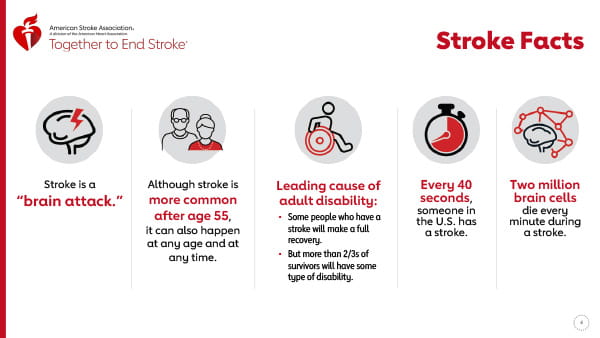
Black Americans have a higher prevalence of stroke and higher death rate from stroke than any other racial group. Stroke is a “brain attack” that most often occurs when blood that brings oxygen to your brain stops flowing and brain cells die.

5-One of the significant risk factors for heart disease is high blood pressure. Blacks develop high blood pressure earlier in life — and with much higher blood pressure levels — than whites. According to The American Heart Association, the prevalence of high blood pressure in African Americans is the highest in the world. African American adults are 40% more likely to have high blood pressure than non-Hispanic whites.

The National Institutes of Health is changing this situation. One reason for this change — as research into lung disease, heart disease, and diabetes shows — is the growing realization that the health of Black Americans isn’t a racial issue, but a human issue.”

BlackDoctor.org

(The 7 Deadliest Diseases in the Black Community – BlackDoctor.org – Where Wellness & Culture Connect)

Part I Black History Month — Read about common diseases in this ethnic group.

Figure 2: Black Population, by State, 2010-2011

The majority of Americans black or white under 67.5 have to work to have medical coverage (unless under disability), if not the majority of Americans would be rich.

Health care disparities heighten disease differences between African-Americans and white Americans.

  • African-Americans are three times more likely to die of asthma than white Americans.
  • Diabetes is 60% more common in black Americans than in white Americans. Blacks are up to 2.5 times more likely to suffer a limb amputation and up to 5.6 times more likely to suffer kidney disease than other people with diabetes.
  • Deaths from lung scarring — sarcoidosis — are 16 times more common among blacks than among whites. The disease recently killed former NFL star Reggie White at age 43.
  • Despite lower tobacco exposure, black men are 50% more likely than white men to get lung cancer.
  • Strokes kill 4 times more 35- to 54-year-old black Americans than white Americans. Blacks have nearly twice the first-time stroke risk of whites.
  • Blacks develop high blood pressure earlier in life — and with much higher blood pressure levels — than whites. Nearly 42% of black men and more than 45% of black women aged 20 and older have high blood pressure.
  • Cancer treatment is equally successful for all races. Yet black men have a 40% higher cancer death rate than white men. African-American women have a 20% higher cancer death rate than white women.

Why?

Factor 1 – Genes definitely play a role. So does the environment in which people live, socioeconomic status,  says Clyde W. Yancy, MD, associate dean of clinical affairs and medical director for heart failure/transplantation at the University of Texas Southwestern Medical Center.

Living in a low socioeconomic environment puts you at risk to eating fast foods or deli food (especially in the cities) and increasing, over long term eating fast foods, causing disease (DM, Obesity, Heart Disease and could go on).

Factor 2 – Another reason is that a higher percentage of black Americans than white Americans live close to toxic waste dumps — and to the factories that produce this waste.

Addressing socioeconomic groups first, Dr. Yancy says that all humans have the same physiology, are vulnerable to the same illnesses, and respond to the same medicines. Naturally, diseases and responses to treatment do vary from person to person. But, he says, there are unique issues that affect black Americans.

Like Yancy, LeRoy M. Graham Jr., MD, says the time is ripe for Americans to come to grips with these issues. Graham, a pediatric lung expert, serves on the American Lung Association’s board of directors, is associate clinical professor of pediatrics at Morehouse School of Medicine in Atlanta, and serves as staff physician for Children’s Healthcare of Atlanta.

“I just think we as physicians need to get more impassioned,” Graham tells WebMD. “There are health disparities. There are things that may have more sinister origins in institutionalized racism. But we as doctors need to spend more time recognizing these disparities and addressing them — together with our patients — on a very individual level.”

A 2005 report from the American Lung Association shows that black Americans suffer far more lung disease than white Americans do.

Some of the findings:

  • Black Americans have more asthma than any racial or ethnic group in America. And blacks are 3 times more likely to die of asthma than whites.
  • Black Americans are 3 times more likely to suffer sarcoidosis than white Americans. The lung-scarring disease is 16 times more deadly for blacks than for whites.
  • Black American children are 3 times as likely as white American children to have sleep apnea.
  • Black American babies die of sudden infant death syndrome (SIDS) 2.5 times as often as white American babies.
  • Black American men are 50% more likely to get lung cancer than white American men.  For starters this race is highier overall than caucasians in smoking in the U.S.A.
  • Black Americans are half as likely to get flu and pneumonia vaccinations as white Americans.

“The environment is involved, and there is potential genetic susceptibility — but we also have to talk about the fact that African-Americans’ social and economic status lags behind that of Caucasians,” Graham says. “And low socioeconomic status is linked to more disease.”

Of course these 2 factors put you at risk for disease, but you want to live in a better environment do your research.   Some may say it due to blacks being treated poorly or the word “racism”.  Is this the case, No not at all.  You need the facts why you blacks are highier in living in a toxic or low socioeconomic group.  One, that is where they can afford and decide to live their. Two is because they feel they can not or they decide not to move due to personal reasons like lack to apply self to get in a better environment (whether it be due to fear, lack of knowing their success in the move/challenge so they don’t want to take the chance or not wanting change and decide to stay in that toxic or low socio-economic area.  No one puts a magnum 45 to anyone’s head telling them they have to stay in these areas.  In America you can live where you want.  So its up to the individual with the family having the will to make the move in their life to be less exposed to areas poor for you health.  Its up to them to research areas less expensive or better enviroment exposure areas in America; no one else is going to do that for them or any one else.  Than there are those that simply don’t mind living in areas like toxic or low socioeconomic exposed but many don’t understand that thinking.  The risk is that individual and their family put themselves at risk for a higher chance of getting these diseases like lung cancer, heart disease, etc…   Make the move and get out of those places and live a better quality of life for you and all in your family.  Its all up to you to make the move.  Keep in mind disease is not just environmental related.  You need to look at all factors like genetic, the diet you are on, how active you are; its not just one factor in most cases.  You have to take a holistic approach on seeing what diseases you could be exposed to and why.  Don’t wait till symptoms start finding out its possibly too late.  Think PREVENTION over treatment.  Its your life and up to you!

Part II tomorrow

QUOTE FOR THURSDAY:

“In April 1999, a hush fell over the nation as we learned about the tragic massacre of 10 students and one teacher at Columbine High School. At the time, it was the deadliest mass shooting at a school in the United States.

Since then, gun violence has only gotten worse. In 2017, firearm violence became the leading cause of death for children aged 1–19 years, overtaking motor vehicle accidents. In 2021–2022, the rate of gunfire incidents on school grounds reached its all-time high of 328 shootings—93 of which resulted in fatalities.

The results are sobering:

  • 1453 school shootings occurred from 1997 to 2022, with the number of shootings each year increasing to a maximum of 328 in the 2021–2022 school year.
  • There were 11 total mass shootings during the study period, resulting in 122 children killed and 126 others injured.
  • Though the rate of mass shootings has not increased over time, they have become deadlier—from 7.6 deaths per shooting in 1997–2012 to 14.0 deaths per shooting in 2013–2022.

Unfortunately, these interventions have not worked. There were 135 more school shootings in the study’s final five years than the prior 20 years combined. In fact, these interventions may inadvertently be harming children by inducing trauma and unnecessarily entangling young students with law enforcement.

Despite school shootings dominating the American psyche since the 1999 Columbine massacre, our schoolchildren are still being shot and killed at historic rates. Current interventions do not work. Our children need comprehensive, evidence-backed, and effective solutions to keep them safe.”

March 6, 2024- American Academy of Pediatrics

Why still many school shootings? Gun control safety in all schools with illegal gun control, & stricter rules on permits would help decrease these shootings!!


As of October 15, 58 incidents of school shootings were recorded in the United States in 2024, impacting K-12 school grounds and college campuses nationwide.

School shootings—terrifying to students, educators, parents, and communities—always reignite polarizing debates about gun rights and school safety. To bring context to these debates, Education Week journalists began tracking shootings on K-12 school property that resulted in firearm-related injuries or deaths.

In 2025, we continue this heartbreaking, but important work. More information about this tracker and our methodology is below.

There have been 2 school shootings this year that resulted in injuries or deaths, according to an Education Week analysis. There have been 223 such shootings since 2018. There were 39 school shootings with injuries or deaths last year. There were 38 in 2023, 51 in 2022, 35 in 2021, 10 in 2020, and 24 each in 2019 and 2018.

Attack on a Florida high school 2018 is the eighth shooting to have resulted in death or injury during the first seven weeks of that year!

Wednesday’s school shooting 2018 Valentine’s day at Marjory Stoneman Douglas High School in Parkland, Fla., was the 18th school shooting of 2018 — a year that’s not even two months old.

While many of these incidents — including the Wednesday’s shooting 2018, one on Feb. 8 at New York City’s Metropolitan High School — did not result in any fatalities or injuries, schools nationwide have been rocked by gun violence in recent days. There have been school shootings in 13 states so far that year.

Gun control needs metal detectors in all schools and all states having the same heavy prerequisites to getting a permit.

In NY requisites are being a NY resident or your business is in NY, (a) twenty-one years of age or older, provided, however,  that where  such  applicant  has  been  honorably  discharged from the United States army, navy, marine corps,  air  force  or  coast  guard,  or  the national  guard  of the state of New York, no such age restriction shall apply; (b) of good moral character;  (c)  who  has  not  been  convicted anywhere of a felony or a serious offense; (d) who has stated whether he or  she  has  ever  suffered  any mental illness or been confined to any hospital or institution, public or private, for mental illness; (e)  who has  not had a license revoked or who is not under a suspension or ineligibility order issued pursuant to the provisions of section  530.14  of the  criminal  procedure law or section eight hundred forty-two-a of the family court act;(f)  in  the  county  of  Westchester, … , (i), … (ii), … (g) …

NYS also requires the following:

Reference Letters Currently, I am told you are asked to supply 3 reference letters from people that have known you for at least 2 years (mine had to be from people that knew me at least 5 years, YMMV). The letter should state that you are “of good moral character.” The more detailed and personal it is, the better. This is a basic sample of a Reference Letter (PDF).  This is to prove your are of good moral character.

The Interview It’s really no big deal. Look presentable, and be prepared. One individual’s questioning went something like this (my experience was similar):

Q: Why do you want a gun? A: Home defense & target shooting.

Q: Where will you store the gun? A: Unloaded, in a locked box or safe, with a trigger lock.

Q: Where will you store the ammo? A: In a different locked box or safe.

Q: Have you ever owned a gun? A: Yes or No, if yes be ready to supply details.

Q: Is your housemate aware you are applying for this permit? A: Yes, he/she has already signed an affidavit to that end or “I live alone.”

Q: Will you be transporting the firearm? A: Yes, to and from the gun range with no stops.

Q: How will you transport the firearm to and from the range? A: Pistol in a locked box, unloaded and trigger locked. Ammunition in a separate container. Both the pistol and the ammo will be carried in a way so as to obscure their presence on my person.

Q: Have you ever been assaulted? A: Yes or No. Provide details and dates if answer is yes.

Q: Has your domicile ever been robbed? A: Yes or No. Provide details and dates if answer is yes.

Q: When is the use of deadly force permissible? A: When someone has broken into my home and has demonstrated their intention to kill myself or someone else in my home.

You are being given a evaluation on if your mentally stable or not to be even thought of given a gun in NY.

It is not so hard in getting guns in certain other states where others are just as difficult as NY.  Consistency on rules could help a lot.

If illegal guns where wiped away in America and not available in this country except legally getting a gun a lot of shooting would be decreased.  The man who did the shooting in Florida Monday was not emotionally stable.  This man was no way stable enough to carry a gun and if he was checked by NY or other states like it he would never have got a permit or license with his school history problems, no references probably with how the students talked about him on the internet, on top of getting suspended/expelled from a the school.  This would set off a red light in NY or other states like NY with the requisites in getting access of a permit for a gun.

God help these students, families, friends, people in all the states of America and those that have been hit with unfortunate gun shootings that put a big shock to America and the people of it!  Please lets make a change in making schools safer and President Trump come through with the statement he made on making the schools safer that February month, on 2/15/18!  Now back in office as President of the United States who will hopefully do better in getting rid of illegal guns as he is illegals in this country.  He has been improving our border without question since Former Bidon was in office!

QUOTE FOR WEDNESDAY:

“Although the terms “mind” and “brain” are sometimes used interchangeably, they are distinct entities. The brain is a physical organ that is responsible for coordinating our bodily functions, while the mind is a collection of mental processes that encompasses our thoughts, emotions, memories, and beliefs. The brain is the hardware that powers the mind, while the mind is the software that runs on the brain.

Kindness makes us happier and also protects against depression. That’s what the science says.

In a typical ‘kindness study’, people are asked to carry out a certain number of acts of kindness over the course of a day, a week, a month, or longer, and their happiness levels are either compared against people not doing the kindnesses or against their own happiness before they began the study.

In every version of these sorts of studies, the results are clear. Being kind makes us happy.

In longer studies, of the type that examine people’s volunteering habits, rates of depression are lower than in the general population. One of the reasons is that volunteering creates beneficial social connections. It could also be, as some have argued, that kind people are drawn to volunteering, which almost certainly contributes. But the evidence suggests that kindness itself protects against depression.

So why is this so? Why does kindness make us happier and protect our mental health? There are a few reasons.

One, is that deep in the human psyche is the sense that helping others is the right thing to do. For some, it’s spiritual. Kindness aligns us with a deep sense of spiritual purpose.

Secondly, helping others simply feels satisfying. For many, no explanation is necessary. It’s just the way it is. Kindness feels right and it feels good. The end!

In science, there’s also the fact that we have ‘kindness genes’. The main gene associated with kindness is actually one of the oldest in the human genome, at around 500 million years old. This means it has played a role in our survival over eons. As a result, we are drawn to help others and we get an intuitive sense that kindness matters.

Either way, there’s no question that kindness is good for mental health. In the brain, it produces oxytocin, the bonding hormone – aka, the love drug / hugging hormone / cuddle chemical / kindness hormone – when it involves a positive interaction between people. It also produces dopamine and serotonin. There’s even a suggestion that it might also produce endogenous opioids, the brain’s own morphine.

Another reason might be the fact that kindness can actually cause physical changes in brain matter. This is to do with both the focus on kindness and having kind thoughts, but also because of how kindness feels.

Evidence comes from kindness-based meditations, like the Buddhists’ Loving Kindness meditation, where we wish others happiness, good health, and freedom from suffering. A regular practice impacts brain regions associated with empathy and happiness.

In the long term, consistent activation of the same regions strengthens circuits there. What this means is that, just as working out muscles makes them stronger and makes it easier to lift heavy objects, so strengthening brain circuits makes it easier to access what those brain circuits do.

With consistent kindness, therefore, we come to genuinely care for others more and find it easier to access happiness. In other words, extracting happiness from the everyday backdrop of events and circumstances in our lives becomes more natural. Smiles become easier and more natural too.

This may be one of the main reasons why kindness is so protective against depression in the long term.

Another factor at play here is the fact that oxytocin – the main kindness hormone – turns down activity in the amygdala – a brain region involved in stress, depression, worry, fear, anxiety. In research where people were invited to lie inside MRI scanners and had their amygdala activated, when they were then give a dose of this kindness hormone, activation dropped considerably.

You might think of it like a dimmer switch being turned down just as you might turn down a thermostat when your home is too warm or turn down a light when the room is too bright. Only it’s kindness hormones that turn down the stress dimmer switch.

Other research backs this up. When volunteers were asked to report on their daily acts of kindness as well as their daily stress scores over a three week period, on days when kindness was high, stress was low. It wasn’t that when we’re being kind that stressful things don’t happen because experience tells us this is not the case. Instead, it’s that kindness buffers the effects of stress because of how it feels, and likely how it then affects brain circuits.

In other words, the same things can happen that might happen on any other day, but when we’re being kind, they don’t ‘sting’ quite the same.

In the long term, this stress buffering effect has enormous benefits for our mental health because we become less affected by seemingly negative circumstances that befall us.

So the moral of the story today is this: Be kind. It’s almost always the right thing to do, and it will probably make you feel better.”

Dr. David Hamilton PhD

How kindness impacts the brain and benefits mental health – David R Hamilton PHD

Part II It’s interesting how the mind works in order to allow a person to be nice to others.

Empathy and love both seem to be related to oxytocin. Dr. Zak thinks this is why we want to hear those sad love songs over and over. There is a soothing to sadness. Remember that when suffering moves us to engage with others then we get the pleasure and reduction of anxiety from the HOME system. Helping others is important to humans. He recalls last time one of his daughters had the stomach flu and he stayed up with her all night while she vomited and at one point she apologized to me. Dr. Zak told her he couldn’t think of a more important thing to do than hold the bucket and be with her. It was her suffering that moved him to help her, even though he, too, suffered with her, he felt good that I could help her.

Everything we do draws on our metabolic resources though oxytocin synthesis is metabolically cheap so we can’t love too much. Actually, eating mildly stimulates oxytocin release so that’s why we take dates (and hold meetings) at meals–it makes it easier to connect to someone.

The more oxytocin is released, the lower the threshold for its release. In other words, the more we love, the more we can love. My research has shown that those who release the most oxytocin after being trusted are happier in their lives. They are happier because they have better relationships of all types: romantic, with family, they have more close friends, and are even kinder to strangers. We’ve also shown that oxytocin release improves the immune system by reducing stress. So, love freely!

Dr. Zak recently studied loving kindness (metta) meditation and compared this to mindfulness meditation. This was for people who had never meditated before and received a month of training. Both kinds of meditation lead to greater altruism, but metta did this to a greater extent. Metta meditation was more valuable to those who received it than mindfulness meditation, and the metta group had a larger reduction in brain activity in regions associated with anxiety and self-focused attention than the mindfulness group did.

Oxytocin receptors live in areas of the brain associated with social memories (animals that cannot produce oxytocin get “social amnesia”). So, we are laying down memory tracks using oxytocin on who is safe, trustworthy, and kind. These memories are being rehearsed each time we have a positive interaction and so it can lead to us being kinder to more people more of the time. Practice is the key to activate this effect.

Based on what was previously mentioned one can make a habit of practicing loving-kindness, so that it seems to come naturally and automatically in your personal interactions. Also is seems that oxytocin circuit work below the level of conscious awareness.

Psychopaths just don’t feel the empathy, the love, and are permanently in selfish, survival mode.

One of the potent inhibitors of oxytocin release is stress, and one of those stresses is survival stress…If your body is not facing survival stress, then you sort of have the luxury of connecting to others. That connection is always costly in time or resources and not everyone can do that. All of us don’t do it all the time. As average incomes rises, there’s a pretty strong gradient of better behavior occurring on average.

Research increasingly supports the long-held belief that kindness is good not only for others, but also for ourselves. While religions have also taught the importance of kindness for millennia, we see that kindness is not a religious matter; it is a basic human value. It belongs to what both the Dalai Lama and the World Happiness Report have called a universal secular ethics.

Kindness has layers of complexity even at a conceptual level. If someone asks for something that might be harmful for them, for instance an alcoholic asking for a drink, is it kind to give it to them? Which economic policies or political agendas are the kindest? When does kindness to oneself mean pushing past one’s pre-conceived limits and when does it mean giving oneself a much-needed break?

If we look at these complex questions, we can see that kindness is supported by discernment and by empathy. In some cases, you may want to be kind to someone, but because of a failure to understand their perspective or resonate with them emotionally, you may end up saying something hurtful or insensitive.

Naturally, kindness is also supported by compassion. If you are inclined to wish another person to be happy, protected and relieved of suffering–in other words, if you are compassionate towards them–you will not want to harm them. In such a case, your actions towards them are more likely to be characterised by kindness.

From this, we can see that the cultivation of many other skills and dispositions–such as compassion, empathy and discernment–will enhance kindness. Since kindness is vital for us on both biological and social levels, we should invest in methods that help us cultivate kindness as well as the skills and dispositions that support it. This includes introducing the science, theory and practice of kindness in educational settings so that children can benefit from this knowledge and can begin the practice of self-care and care for others from an early age.

In order to have a fully formed capacity for kindness, one must first learn to be kind to oneself and practice self-compassion. When we are not emotionally aware or are unkind towards ourselves, it is very difficult to be kind to another. Learning to have greater self-compassion can put us in the right physiological, emotional and mental state to be kind to others.

We have established that kindness is supported by related skills and dispositions, such as forgiveness, empathy, compassion and discernment. Further, to develop kindness for the greatest number of people, these practices should rest on a foundation of impartiality, where we learn to see our common humanity. In other words, we must realise that what all human beings have in common vastly outweighs our differences, and that all human beings naturally seek to experience greater well-being and less suffering.

What do you think?