Get better sleep – let’s look at night shift people regarding their work hours, how it effects the body and more!

Sleep isn’t just a time to rest and give your body and brain a break. It’s a critical biological function that restores and replenishes important body systems. Now, yet another study on shift workers shows that their unusual hours may be cutting their lives short—and that’s especially true for those who have rotating night shifts, rather than permanent graveyard duty.

You wake up, feel hungry, and fall asleep each day around repeating 24-hour “circadian” cycles controlled by your body’s internal clocks. These clocks are synchronized by a central pacemaker in the brain. Cycles of light and dark are important for the function of the brain’s master clock. Other cycles, such as the behavioral activities of eating and fasting or sleeping and waking, are important for peripheral clocks in the liver, gut, and other tissues.

When you stay awake all night or otherwise go against natural light cycles, your health may suffer. Long-term disruption of circadian rhythms has been linked to obesity, diabetes, and other health problems related to the body’s metabolism.

In a study published in the American Journal of Preventive Medicine, scientists led by Dr. Eva Schernhammer, an epidemiologist at Brigham and Women’s Hospital, studied 74,862 nurses enrolled in the Nurses’ Health Study since 1976. The nurses were an ideal group for studying the effects of rotating night shifts on the body, since RNs tend to have changing night shift obligations over an average month rather than set schedules.

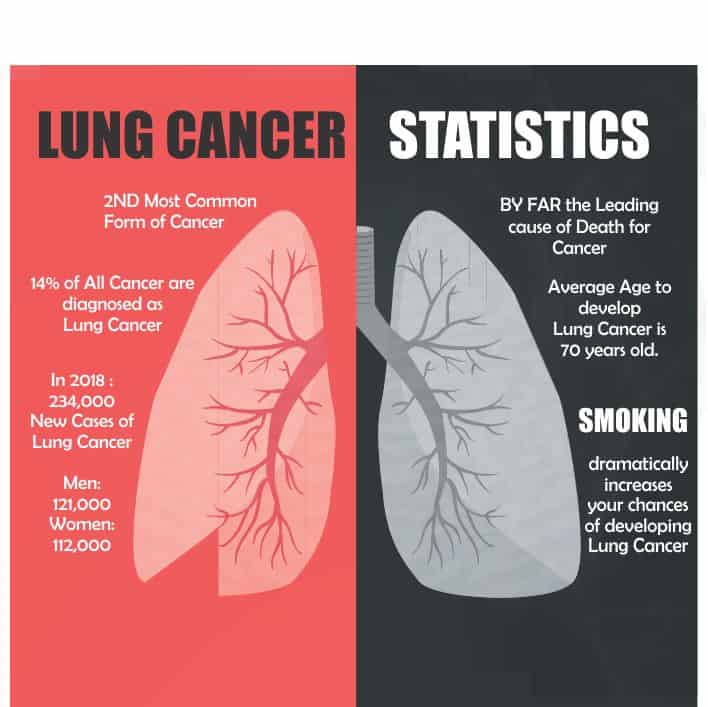
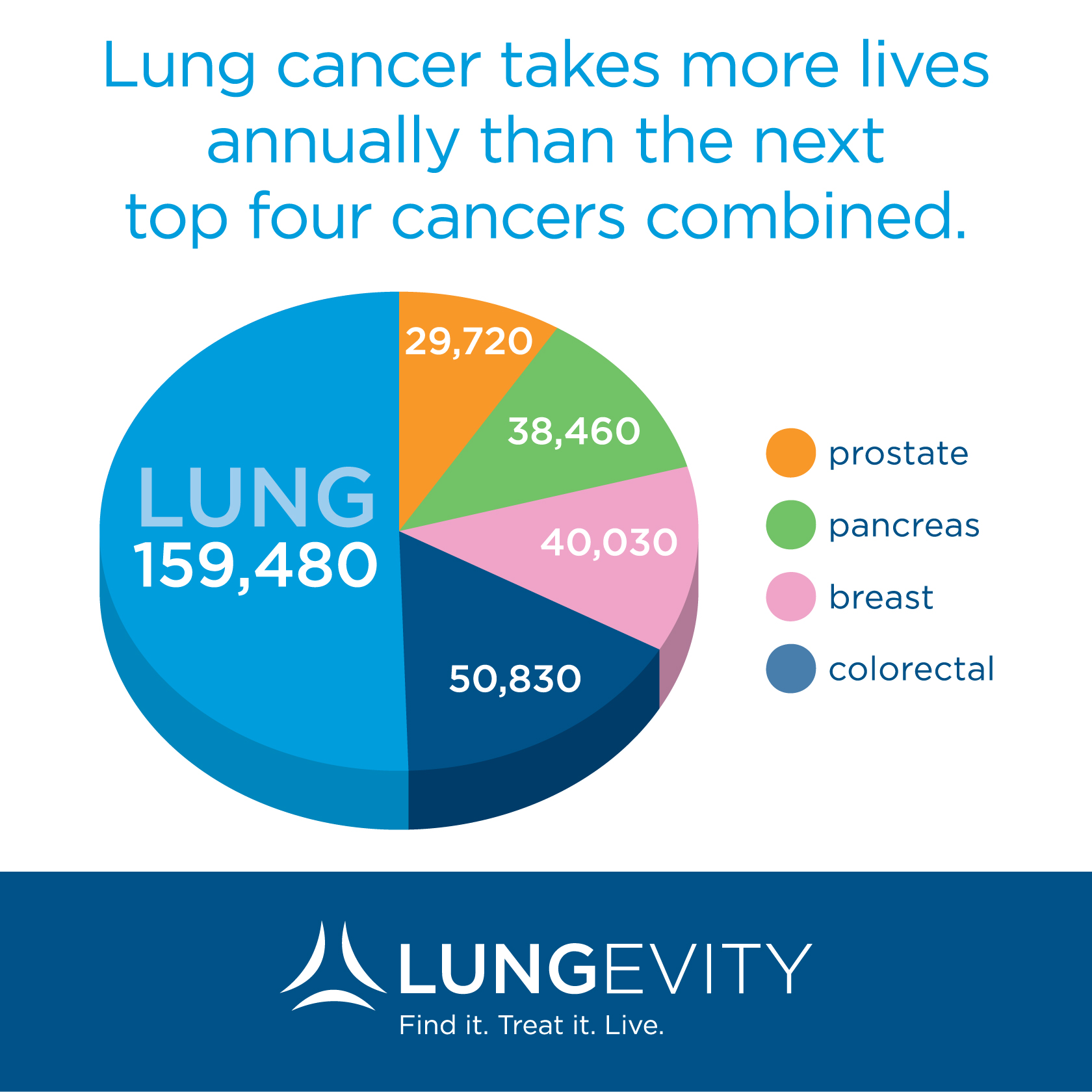
After 22 years, researchers found that the women who worked on rotating night shifts for more than five years were up to 11% more likely to have died early compared to those who never worked these shifts. In fact, those working for more than 15 years on rotating night shifts had a 38% higher risk of dying from heart disease than nurses who only worked during the day. Surprisingly, rotating night shifts were also linked to a 25% higher risk of dying from lung cancer and 33% greater risk of colon cancer death. The increased risk of lung cancer could be attributed to a higher rate of smoking among night shift workers, says Schernhammer.

The population of nurses with the longest rotating night shifts also shared risk factors that endangered their health: they were heavier on average than their day-working counterparts, more likely to smoke and have high blood pressure, and more likely to have diabetes and elevated cholesterol. But the connection between more rotating night shift hours and higher death rates remained strong after the scientists adjusted for them.

You wake up, feel hungry, and fall asleep each day around repeating 24-hour “circadian” cycles controlled by your body’s internal clocks. These clocks are synchronized by a central pacemaker in the brain. Cycles of light and dark are important for the function of the brain’s master clock. Other cycles, such as the behavioral activities of eating and fasting or sleeping and waking, are important for peripheral clocks in the liver, gut, and other tissues.

When you stay awake all night or otherwise go against natural light cycles, your health may suffer. Long-term disruption of circadian rhythms has been linked to obesity, diabetes, and other health problems related to the body’s metabolism.

Previous studies have shown that some metabolites—the products of metabolism—in blood can have daily rhythms. An international research team led by Drs. Hans P. A. Van Dongen and Shobhan Gaddameedhi at Washington State University investigated whether disruptions in these rhythms are influenced by the central pacemaker in the brain or reflect behavioral activities, such as working the night shift. The study was funded in part by NIH’s National Institute of Environmental Health Sciences (NIEHS). Results were published online in the Proceedings of the National Academy of Sciences on July 10, 2018.

Ten men and four women, aged 22 to 34 years, stayed at a research lab for one week. Half had a night-shift sleep pattern for three days and half had a day-shift pattern. The night-shift pattern causes the central pacemaker and behavioral rhythms to be at odds. After three days, the volunteers were kept awake for one day in a constant routine with a constant level of temperature and light. They received identical snacks every hour and provided blood samples every three hours.

The research team found only small differences in the day-shift and night-shift patterns for melatonin and cortisol, which mark the activity of the brain’s master clock. This finding suggests that the master clock is resistant to influence from the night-shift pattern.

The team analyzed the levels of 132 metabolites during the 24-hour constant routine. About half (65) of the metabolites had a significant daily rhythm. Of these, 27 had a significant 24-hour rhythm for both sleep patterns. Only three of these metabolites (taurine, serotonin, and sarcosine) kept the same peak time, similar to the master clock markers melatonin and cortisol. The other 24 showed a 12-hour shift in rhythm for the night-shift pattern.

The researchers noted that the particular metabolites and pathways affected by the night-shift sleep pattern relate to the liver, pancreas, and digestive tract. These findings suggest that night-shift sleep patterns can disrupt certain metabolite rhythms and the peripheral clocks of the digestive system without affecting the brain’s master clock.

“No one knew that biological clocks in people’s digestive organs are so profoundly and quickly changed by shift work schedules, even though the brain’s master clock barely adapts to such schedules,” Van Dongen says. “As a result, some biological signals in shift workers’ bodies are saying it’s day while other signals are saying it’s night, which causes disruption of metabolism.”

Further research is needed to better understand the role of these metabolic pathways in obesity, diabetes, and other medical conditions for which shift workers are at increased risk.

Nearly 15 million Americans work a permanent night shift or regularly rotate in and out of night shifts, according to the Bureau of Labor Statistics. That means a significant sector of the nation’s work force is exposed to the hazards of working nights, which include restlessness, sleepiness on the job, fatigue, decreased attention and disruption of the body’s metabolic process.

Those effects extend beyond the workers themselves, as many of us share the road with night-driving truckers, count on the precision of emergency-room workers and rely on the protection of police and national security personnel at all hours.

Now, psychologists are gaining a better understanding of how exactly night and shift work affect cognitive performance and which interventions and policies could keep shift workers and the public safer.

“The basic take-home is that fatigue decreases safety,” says Bryan Vila, PhD, a sleep expert and criminal justice researcher at Washington State University–Spokane. Learning healthy sleeping practices is “just as important as occupational training,” he says.

Poor scheduling, combined with unhealthy attitudes about the need for sleep, can cause major problems for night workers. That’s because working at night runs counter to the body’s natural circadian rhythm, says Charmane Eastman, PhD, a physiological psychologist at Rush University in Chicago. The circadian clock is essentially a timer that lets various glands know when to release hormones and also controls mood, alertness, body temperature and other aspects of the body’s daily cycle.

Possible solutions

Of course, many workers can’t give up the night shift entirely. So the question is, how can night shift workers adapt to their schedules?

Charmane Eastman, PhD. Founding Director, Biological Rhythms Research Lab.  Her education is PhD, University of Chicago / BS, State University of New York at Albany.  Her Research Areas are:  Shift work, jet lag, human circadian rhythms (especially effects of bright light and melatonin), social jet lag, circadian misalignment

There are two ways, says Rush University’s Eastman. One is through symptomatic relief by using such stimulants as coffee and caffeine pills to stay awake during the night, then taking sedatives to sleep in the morning. The other way is to shift the body’s circadian clock so that it better tolerates working at night and sleeping during the day.

Eastman and her team are exploring the latter approach. “The circadian clock is very stubborn and hard to push around,” she says.

Previous research has established that you can delay the circadian clock by about one or two hours per day. To determine that, researchers measure the body’s circadian rhythm by monitoring “dim-light melatonin onset,” or the time at which the pineal gland begins to secrete melatonin, which is triggered by the circadian clock. Normally, it kicks in a couple hours before people are ready to sleep. “It’s an output that’s a way of seeing what the circadian clock is doing,” Eastman says. “It’s a very good marker of the phase of the time of the clock.”

By exposing experimental subjects to intermittent bright light during their night shifts and having them wear sunglasses on their way home and sleeping in very dark bedrooms, Eastman and her team have found that within about a week, they can shift someone’s circadian rhythm to align perfectly with working a night shift and sleeping during the day.

Through WebMD.com it points out March 2010 the following:   In terms of lifestyle, working odd hours leads to some obvious problems. People who do shift work tend to have sleep disturbances and sleep loss. They might feel isolated, since their jobs cut them off from their friends and families. They might find it harder to exercise regularly, and may be prone to eat junk food out of a handy vending machine, says Scheer.

Including in this note, I myself, being a RN 35 years basically, who has worked all shifts (mostly 12 hr shifts than driving home and for the past 4.5 years a 2 hr drive to and back to the hospital) disagree with this statement in that preventing junk food and of course exercise in your week you need discipline in obtaining right foods, exercise and habits.  It is a challenge with no question but can be obtained if the right mind is set to it.

As WebMD points out, “The long-term effects of shift work are harder to measure. But researchers have found compelling connections between shift workers and an increased risk of serious health conditions and diseases.”.  It really depends on what where you prior to going into night shift, is it 12 hr shifts or 8 hr shifts or part time or perdiem.  It messes up the circadium cycle but you can bounce back depending on often you work night shift. ”

Remember, I point out night shift is not 3 to 11 pm but 11pm and on till am in long hours.  Since many don’t fall asleep till after 10pm and on.  Another major ingredient I would like to point out is, what is your medically history? Is this a worker with no medical history/in shape/ and great health habits? What is your age? Is this worker someone who is with diabetes?, cardiac disease?, overweight? etc…  We need to look at the whole picture always!

Scheer backs my statement up with the following: “”There is strong evidence that shift work is related to a number of serious health conditions, like cardiovascular disease, diabetes, and obesity,” says Frank Scheer PhD,. “These differences we’re seeing can’t just be explained by lifestyle or socioeconomic status.”

Scheer in Web MD states “It’s important to keep the risks in perspective. Even if performing shift work is a risk factor for some diseases, it’s only one of many — just like not getting enough sleep or eating too many sweets. If you’re in good health to begin with, the overall risks to any given person performing shift work remain low.  Scheer states he cautions that the implications of the study, which was published in the Proceedings of the National Academy of Sciences in 2009, are limited. A small laboratory experiment can’t fully reflect what’s happening to actual shift workers. It’s also possible that some of these health effects might improve as people get used to shift work. On the other hand, it’s also possible that these effects would just worsen over time. For now, we don’t know.

Keep in mind the things listed in books, internet and etc… are all based on experiments with including theory/principle based on knowing how the anatomy and physiology of the body works under stress or not stressed and how the body is taken care of by that individual is a major role in the turn out of night shift working.

QUOTE FOR TUESDAY:

“Since 1984, the Asthma and Allergy Foundation of America (AAFA) has designated May to be National Asthma and Allergy Awareness Month. It’s a time to focus on respiratory and immune health.

AAFA emphasizes it is critical to ensure people with asthma and allergic conditions can access essential life-saving medicines that (1) treat the underlying disease and (2) stop symptoms.

Asthma, allergies, atopic dermatitis, and other related allergic conditions cause significant distress and emotional, social, and financial burden on the people with these conditions. In the United States, there are about 4,000 deaths per year due to asthma and allergies. Most of these deaths are preventable.”

Asthma and Allergy Foundation of America
(May Is Asthma and Allergy Awareness Month | AAFA)

May is asthma and allergy month!

More than 65 million Americans overall have asthma and allergies. Some people may have one or both of these conditions.  About 25 million Americans have asthma (20 million adults and 5 million children)  About 32 million Americans have food allergies (26 million adults and 6 million children).  About 24 million Americans have rhinitis (hay fever), or nasal allergies (19.2 million adults and 5.2 million children)  There is no cure for asthma or allergies.

Rates of asthma are highest among African Americans and Puerto Ricans, young boys, and people living below the poverty line. Each year, asthma leads to more than 1.6 million emergency department visits and 170,000 hospital stays. For many, the change in seasons—with more allergens in the environment—can increase wheezing, chest tightness, shortness of breath, coughing, or severe asthma attacks.

Asthma is a chronic (long-term) condition that affects the airways in the lungs. The airways are tubes that carry air in and out of your lungs. If you have asthma, the airways can become inflamed and narrowed at times. This makes it harder for air to flow out of your airways when you breathe out.  Many of those affected with Covid 19 with asthma have a harder time with dealing with it compared to those with no asthma due to the condition affecting breathing to begin with.

Normally, the body’s immune system helps fight infections. But it may also respond to other things you breathe in, such as pollen or mold.  These are things that trigger symptoms of asthma to come on.   In some people, the immune system reacts strongly by creating inflation.  Ending result is the airways narrow causing it more difficult to breath. Over time, the airway walls can become thicker again making oxygen and carbon dioxide exchange not be as effective as someone without asthma.

Symptoms of asthma may include:

  • Chest tightness
  • Coughing, especially at night or early morning
  • Shortness of breath
  • Wheezing, which is a whistling sound when you breathe out

Other conditions can cause these symptoms. but in asthma, the symptoms often follow a pattern:

  • They come and go over time or within the same day.
  • They start or get worse with viral infections, such as a cold.
  • They are triggered by exercise, allergies, cold air, or breathing too fast from laughing or crying.
  • They are worse at night or in the morning.

About 1 in 13 people in the United States has asthma, according to the Centers for Disease Control and Prevention external link . It affects people of all ages and often starts during childhood. Certain things can set off or worsen asthma symptoms, such as pollen, exercise, viral infections, or cold air. These are called asthma triggers. When symptoms get worse, it is called an asthma attack.

There is no cure for asthma, but treatment and an asthma action plan can help you manage it.

ALLERGY MONTH TOO:

Seasonal allergies often get lumped into one category. However, each season has its own unique allergens. Follow the guide below to see which months you can expect to see a flare up of which allergens.

For spring allergy sufferers, the joys of warmer weather, birds chirping and flowers blooming come at a price. Bothersome nose and eye symptoms, breathing difficulties and skin allergies can set in as trees begin to pollinate. Tree pollen season occurs between February and May.

Season length and timing varies each year depending on weather.  Look at this winter this year how long it has lasted and finally spring has started this month.  Due to a long, harsh winter, trees did not begin pollinating until March. Because pollen is microscopic, we cannot see it in the air and often do not know when the season has started until symptoms begin.

A common myth regarding spring allergies is that because symptoms often start in correlation with blooming flowers, the flower pollens contribute to the problem. Our allergies are due to plants that spread pollen by wind (anemophilous plants), which is how the pollen enters our eyes, noses, mouths or skin. These plants are not showy or eye-catching because they do not need to be. The plants we typically notice are usually flowering plants that are pretty for the purpose of catching the attention of pollinators like bees and other insects. These plant pollens are spread from plant to plant by the insects that visit them (entomophilous plants). For this reason, most of our pollen exposure is due to pollen in the air outdoors, and thus our allergies are to wind-pollinated plants.

Many trees are primarily pollinated by wind, and tree pollens are the main springtime allergen. Mold spores also contribute to spring allergies but are most bothersome in the fall. Common trees in the northwest Ohio region that contribute to allergy symptoms include oak, cottonwood, birch, maple, sycamore, ash, elm, hickory, walnut, beech and mulberry. There is limited cross-reactivity between tree pollens. This means that while some trees are related and pollens are somewhat similar, many tree pollens have unique features that prevent the ability to create a single treatment for tree pollen allergy. Allergists are specially trained physicians who can test patients to multiple different tree pollens and treat each patient uniquely for their specific tree pollen allergies.

For seasonal allergy sufferers, it is important to meet with a board-certified allergist to identify which allergens are most bothersome and to allow for more focused attention on avoidance measures and treatment options.

QUOTE FOR MONDAY:

“The benefits of asparagus:

1-Many nutrients but few calories

2-Good source of antioxidants

Antioxidants are compounds that help protect your cells from the harmful effects of free radicals and oxidative stress.

Oxidative stress contributes to aging, chronic inflammation, and many diseases, including cancer.

3-May improve digestive health

Dietary fiber is essential for good digestive health. Just half a cup of asparagus contains 1.8 g of fiberTrusted Source, which is 7% of your daily needs.

In addition, researchTrusted Source on the different parts of the asparagus plant found that they’re all rich in essential minerals, antioxidants, and natural probiotics like inulin, which may help promote the growth of healthy gut bacteria.

4-May help lower blood sugar

High blood sugar levels, also known as hyperglycemia, can cause serious health problems such as diabetes.

5-May reduce cholesterol and blood pressure

Bile acids are important in cholesterol metabolism and are linked to diseases like heart disease and cancer.

Research has found that asparagus may help reduce cholesterol levels by improving the binding capacity of bile acids during digestion. In fact, asparagus appears to have a significantly higher bile acid-binding capacity than other fresh vegetables like eggplant, mung bean, carrot, and broccoli.

6-May support immunity

The immune system recognizes and fights off harmful substances and cells. Research has shown that asparagus extracts may help boost immunity in various ways, such as improving the activity of red and white blood cells and the production of antibodies.

In addition, studies suggest that asparagus spears have some antimicrobial properties, which may help protect against certain infections. For example, research has found that films created from asparagus residue appeared to have good antimicrobial properties against the bacteria Escherichia coli and Staphylococcus aureus.”

Healthline (Top 7 Health Benefits of Asparagus)

May is National Asparagus Month!

Why?  Here are some reasons asparagus is a health topic for May!

1- Asparagus is a low-calorie vegetable that is an excellent source of essential vitamins and minerals, especially folate and vitamins A, C and K.

2- Asparagus is a good source of antioxidants!

3- Antioxidants are compounds that help protect your cells from the harmful effects of free radicals and oxidative stress.

Oxidative stress contributes to aging, chronic inflammation and many diseases, including cancer.

Asparagus, like other green vegetables, is high in antioxidants. These include vitamin E, vitamin C and glutathione, as well as various flavonoids and polyphenols.

Asparagus is particularly high in the flavonoids quercetin, isorhamnetin and kaempferol.  These substances have been found to have blood pressure-lowering, anti-inflammatory, antiviral and anticancer effects in a number of human, test-tube and animal studies.

Purple asparagus contains powerful pigments called anthocyanins, which give the vegetable its vibrant color and have antioxidant effects in the body.  This increasing anthocyanin intake has been shown to reduce blood pressure and the risk of heart attacks and heart disease. So eating asparagus along with other fruits and vegetables can provide your body with a range of antioxidants to promote good health.

4- Dietary fiber is essential for good digestive health.

Taking a half a cup of asparagus contains 1.8 grams of fiber, which is 7% of your daily needs.

Studies suggest that a diet high in fiber-rich fruits and vegetables may help reduce the risk of high blood pressure, heart disease and diabetes!

Asparagus is particularly high in insoluble fiber, which adds bulk to stool and supports regular bowel movements.

It also contains a small amount of soluble fiber, which dissolves in water and forms a gel-like substance in the digestive tract.  Soluble fiber feeds the friendly bacteria in the gut.  Examples of friendly bacteria like Bifidobacteria and Lactobacillus.  Increasing the number of these beneficial bacteria plays a role in strengthening the immune system and producing essential nutrients like vitamins B12 and K2.  Eating asparagus as part of a fiber-rich diet is an excellent way to help meet your fiber needs and keep your digestive system healthy.

Endling line asparagus helps your digestive system by promoting regularity, digestive health and may aid in reducing your risk of heart disease, high blood pressure and diabetes.

5- It helps to support a healthy pregnancy!  How?  Asparagus is an excellent source of folate, also known as vitamin B9.  Just half a cup of asparagus provides adults with 34% of their daily folate needs and pregnant women with 22% of their daily needs.  Getting enough folate from sources like asparagus, green leafy vegetables and fruit can protect against neural tube defects, including spina bifida (both happening during fetal developement).  Folate is so vital during pre-pregnancy and early pregnancy that folate supplements are recommended to ensure women meet their requirements. Folate is an essential nutrient that helps form red blood cells and produce DNA for healthy growth and development. It’s especially important during the early stages of pregnancy to ensure the healthy development of the baby.

6- It helps lower the blood pressure!  High blood pressure affects more than 1.3 billion people worldwide and is a major risk factor for heart disease and stroke.  Research suggests that increasing potassium intake while reducing salt intake is an effective way to lower high blood pressure.  Potassium lowers blood pressure in two ways: by relaxing the walls of blood vessels and excreting excess salt through urine.

Asparagus is a good source of potassium, providing 6% of your daily requirement in a half-cup serving.

What’s more, research in rats with high blood pressure suggests that asparagus may have other blood pressure-lowering properties. In one study, rats were fed either a diet with 5% asparagus or a standard diet without asparagus.

After 10 weeks, the rats on the asparagus diet had 17% lower blood pressure than the rats on the standard diet.

Ending line, eating more potassium-rich vegetables, such as asparagus, is a great way to help keep your blood pressure in a healthy range.

7- It can help if your dieting to lose weight.  How?  First asparagus is about 94% water. Research suggests that consuming low-calorie, water-rich foods is associated with weight loss.  It can definitely help in dieting!

8- It’s inexpensive!


QUOTE FOR WEEKEND:

“Sufficient oxygenation is vital to maintain life. When prioritizing nursing interventions, we often refer to using the “ABCs,” an acronym used to signify the importance of maintaining a client’s airway, breathing, and circulation. Several body systems work collaboratively during the oxygenation process to take in oxygen from the air, carry it through the bloodstream, and adequately oxygenate tissues. It is important that all parts of the system work together to ensure that oxygen is delivered appropriately to tissues within each system. Any alteration in these systems can have catastrophic implications on a client’s health.”

National Library of Medicine – NIH (OXYGENATION – Nursing Fundamentals – NCBI Bookshelf)

Raising awareness of both pros and cons of oxygenation medically and in our environment!

oxygenationparti3 part-i-oxygenation

oxygenationpart14 oxygenation1a oxygenation1

Now don’t get me wrong oxygen is an element that is a must for most creatures that live in the world both now and since it began but there is dangers to any element especially if mixed with some other element causing a negative result in the end. So you wonder how oxygenation can have pros and cons and why oxygen would ever have dangers to it, well let’s take a deeper look.

Oxygenation may refer to:

Oxygen saturation (medicine), the process by which concentrations of oxygen increase within a tissue

Oxygenation (environmental), a measurement of dissolved oxygen concentration in soil or water

Great Oxygenation Event, an ancient event that led to the rise of oxygen within our atmosphere

Water oxygenation, the process of increasing the oxygen saturation of the water

Dioxygen complex, the chemical details of how metals bind oxygen

Of course, oxygen has its good points. Besides being necessary for respiration and the reliable combustion engine, it can be liquefied and used as rocket fuel. Oxygen is also widely used in the world of medicine as a means to imbue the body with a greater amount of the needed gas. But recent studies indicate that administering oxygen might be doing less good than hoped—and in fact be causing harm. No one is immune to the dangers of oxygen, but the people who might most suffer the ill effects are infants newly introduced to breathing, and those who are clinically deceased.

Oxygen regarding the medical view:

There are a variety of injuries and ailments for which modern medicine dictates oxygen therapy. Look at the medical aspect, the common wisdom is that by filling the lungs with pure O2, one is pushing more of the vital gas into the blood, and thus to organs that are weakened and in need of support. It has also long been known that even at partial pressures, pure oxygen can be toxic—a fact with which scuba divers and astronauts are intimately familiar. Recent studies have indicated that the human body responds to pure oxygen, even at normal pressures, in a negative way.

When pure O2 is introduced to the lungs, autonomic reflex increases respiration. The increased rate of breathing means that a much larger load of carbon dioxide is released from the body, which causes the blood vessels to constrict. Despite the increased amount of available oxygen in the lungs, the circulatory system is hampered, and cannot deliver precious O2 as well as it could when breathing normal atmosphere.

Ronald Harper, a neurobiology professor at UCLA, conducted observations on a group of healthy teenagers breathing various gas mixes using functional magnetic resonance imaging (fMRI). His findings showed that in some subjects the pure O2 caused the brain to go clinically bonkers. Brain structures such as the hippocampus, the insula, and the cingulate cortex all displayed an adverse reaction; they in turn spurred the hypothalamus, the body’s main regulatory gland, into a fervor. The hypothalamus regulates a myriad of things, including heart rate, body temperature, and is the master of a variety of other glands. The introduction of pure oxygen prompts the hypothalamus to flood the body with a cocktail of hormones and neurotransmitters which serve to hamper heart rate, and further reduce the circulatory system’s effectiveness. But Harper also found that by adding a mere 5% CO2, all the detrimental effects found in pure oxygen are negated.

There are circumstances, however, where even the proper mix of gases would prove inadequate. Modern medicine has long taught that after respiration stops, the brain can only survive for six to seven minutes without oxygen before its cells begin to die in droves. In order to combat this, standard procedure has been to aggressively attempted to restore breathing and heartbeat immediately upon cessation, CPR. The base premise on which this protocol is designed may be in error but only if continuing longer than the AHA guides us to do CPR. For there is more than just to lack of oxygen in patients who die having CPR done to them for death (Ex Exacerbation of a disease, multi – organ failure, years of CHF, etc… Even thought lack of 02 is part of the reason for the death in the end. There was a cause for it happening and leading to lack of 02 is the prime entity to death of all diseases leading up to this in a human.).

Upon examining heart cells and neurons deprived of oxygen under a microscope, Dr Lance Becker of the University of Pennsylvania found there was no indication that the cells were dying after five or six minutes. In fact, they seemed to endure the state for up to an hour without adverse affect. Given this unexpected observation, the researchers were forced to investigate why human resuscitation becomes impossible after only a few minutes of clinical death. The answer they uncovered was that the body’s cells were not dying of oxygen starvation; they were expiring due to Reperfusion—the sudden reintroduction of oxygen to a dormant cell = Programmed cell death! The cells reintroducing oxygen back into the cell from outside the cell in the bloodstream caused the destruction of the red blood cells, the RBCs carry oxygen to all our tissues sites. You would think that would save the cells in sending more oxygen out to the tissues but like we’re told from childhood too much of almost anything can hurt or kill you (Ex. Food/work/stress…)

Take a patient with severe emphysema they do get oxygen in their body but the problem is that oxygen gets air spaced elsewhere rather than all the 02 breathed in going in the red blood cells at the lungs exchange for 02 at the bottom of the lungs with CO2 (carbon dioxide) sent from the cells to the lungs to leave the body. Than the cells go off throughout the bloodstream having our tissues utilize from the red blood cells the oxygen it needs (a transfer of 02 to our tissues).   Upon return of the red blood cells that took the CO2 from the tissues to keep the tissues more oxygenated, so they can do their function as an organ. Oxygen deprivation to a severe state is Oxygen Starvation to our bodies leading to death, if not reversed. Also, with the severe COPD emphysema pt their body adjusts to having high C02 levels compared to a person without emphysema. A normal person’s brain functions to sending messages out to cause us to breath when our 02 level is low but to a severe emphysema pt the low C02 levels causes their brain to send out messages to breath, so if you give an emphysema pt over 2L of 02 for several hours if will turn the brain off and the pt deceases (except when a emphysema pt is in respiratory distress, example due to cardiac arrest, since it is needed and temporary support of higher oxygen levels than when stable and out of respiratory distress their at 2L of 02 again).

Inside the cells, the culprit seems to be in the mitochondria, which is the cell’s power plant where sugar and oxygen are converted to usable energy. Mitochondria are also responsible for apoptosis—the organized, controlled self-destruction of a cell. Normally apoptosis occurs in situations such as the cell being damaged beyond repair, infected by a virus, an attempt to prevent cancer, or aiding in initial tissue development. The process effectively kills and dismantles the cell allowing the body’s usual waste management functions to carry the cell’s remains away. For reasons not entirely clear, reperfusion triggers apoptosis—the oxygen intended to save the cell actually causes cellular suicide.

Armed with this new information about how cells react to oxygen, it is clear that current emergency care is not altogether ideal, and new protocols are under investigation. Dr Becker proposes that induced hypothermia may slow cell degradation, and if a means can be found to safely reintroduce oxygen to tissues, a clinically dead person—who still has trillions of living cells—could be resuscitated after being an hour dead.

This glorious future is still on the horizon, but to imagine the practical application leads one to ponder the multitude of accidents and injuries that are currently fatal, but will one day be treatable. Emergency Medical Personnel could arrive on the scene, and inject the patient with a slurry of ice and salt that lowers the body temperature to about 92° F. In a hypothermic state, the patient is hauled to the hospital, where instead of frantically trying to restart the heart, doctors patch up the problem, prevent apoptosis , and then restart the heart. Though it won’t save everyone, these findings may lead to a future where a person made up of perfectly good human cells is not written off as dead merely because their heart has stopped beating. The miracle of modern medicine, it seems, is on the cusp of determining the true distinction between dead and mostly dead.


QUOTE FOR FRIDAY:

“Gout most commonly affects your big toe joint. But it can affect other joints, including your:

Knees.
Ankles.
Feet.
Hands and wrists.
Elbows.
Gout symptoms come and go (recur) in episodes called flares or gout attacks. A healthcare provider will suggest medications and changes to your diet that will lower your uric acid levels and minimize how often you experience gout attacks in the future.”

Cleveland Clinic (https://my.clevelandclinic.org/health/diseases/4755-gout)

Part II What is Gout? Knowing what can increase uric acid in the body causing gout & what severe conditions can develop with gout & what risk factors puts you at risk for gout.


The diagnosis gout, a prevalent form of inflammatory arthritis that affects over 9 million Americans. It highlights the condition’s primary cause—uric acid buildup in joints, which leads to painful attacks.

May 22 is recognized as Gout Awareness Day, an initiative led by the Alliance for Gout Awareness to spread knowledge about the condition and its impact.

You’re more likely to develop gout if you have high levels of uric acid in your body.

Factors that increase the uric acid level in your body include:

  • Medical conditions. Certain diseases and conditions make it more likely that you’ll develop gout. These include untreated high blood pressure and chronic conditions such as diabetes, metabolic syndrome, and heart and kidney diseases.
  • Family history of gout. If other members of your family have had gout, you’re more likely to develop the disease.
  • Age and sex. Gout occurs more often in men, primarily because women tend to have lower uric acid levels. After menopause, however, women’s uric acid levels approach those of men. Men also are more likely to develop gout earlier — usually between the ages of 30 and 50 — whereas women generally develop signs and symptoms after menopause.

People with gout can develop more-severe conditions, such as:

  • Recurrent gout.

    Some people may never experience gout signs and symptoms again. But others may experience gout several times each year. Medications may help prevent gout attacks in people with recurrent gout. If left untreated, gout can cause erosion and destruction of a joint.

  • Advanced gout.

    Untreated gout may cause deposits of urate crystals to form under the skin in nodules called tophi (TOE-fie). Tophi can develop in several areas such as your fingers, hands, feet, elbows or Achilles tendons along the backs of your ankles. Tophi usually aren’t painful, but they can become swollen and tender during gout attacks.

  • Kidney stones.

    Urate crystals may collect in the urinary tract of people with gout, causing kidney stones. Medications can help reduce the risk of kidney stones.

Too much uric acid in the blood can result in uric acid crystals being formed and deposited in and around joints = gout.

Risk Factors for the Development of Gout:

1 – Diet can play a big factor when eating a diet that’s high in meat and seafood and high in beverages sweetened with fruit sugar (fructose) promotes higher levels of uric acid, which increases your risk of gout.

Beer (including nonalcoholic beer) and liquor

Foods and drinks containing high fructose corn syrup

Certain foods and drinks containing high fructose corn syrup

Certain foods (such as anchovies, asparagus, consomme, herring, meat gravies and broths, mushrooms, mussels, all organ meats, sardines, and sweetbreads)  High proteins in the blood stream is the ending digestion result.

Low dairy intake

Other  risk factors putting you at risk for gout:

2 – Certain cancers and blood disorders (such as lymphoma, leukemia, and hemolytic anemia)

Certain drugs (such as thiazides diuretics – commonly used to treat hypertension and low-dose aspirin also can increase uric acid levels – commonly in geriatrics the 81mg oral of Bayer given for pt with Atrial Fibrillation or a heart condition to thin the blood to make the heart pump easier and less stress to that organ which is the engine of the human body.  Another certain medications that can increase uric acid in the blood stream are cyclosporine, pyrazinamide, ethambutal, nictotinic acid and so can the use of anti-rejection drugs prescribed for people who have undergone an organ transplant.

3 – An under-active thyroid=hypothyroidism

4 – Lead poisoning

5 – If you are overweight, your body produces more uric acid and your kidneys have a more difficult time eliminating uric acid, which greatly increases your risk of gout.

6 -Psoriasis

7 – Radiation therapy

8 – Cancer chemotherapy

9 – Certain Chronic kidney disease

10 – Certain rare enzyme abnormalities

11 – Starvation.

12 – For unknown reasons, not all people who have hyperuricemia develop gout.

13 – Recent trauma and surgery – Experiencing recent surgery or trauma has been associated with an increased risk of developing gout.

In may not be just one factor but a many or few you have or simply go to your MD and get checked on your uric acid level and see if it is high and see how high it is and what factors you could stop of decrease in making the uric acid level go down.  See your doctor and do a preventative measure before any symptoms like Gout even occur.  Take care of your self no one else will do it for you unless your a child with a mom and dad or just one parent.

Revised on 5/05/25 by Elizabeth Lynch RN BSN

QUOTE FOR THURSDAY:

“Gout is a form of inflammatory arthritis that causes pain and swelling in your joints. Gout happens when there’s a buildup of uric acid in your body.

You’re more likely to experience gout if you:

  • Have a biological parent or grandparent who has gout.
  • Eat a lot of animal proteins — especially animal flesh, shellfish and foods that contain organ meat.
  • Drink alcohol regularly.
  • Take a diuretic medication (water pills).”

Cleveland Clinic (Gout: Symptoms, Treatment & Prevention)