What is Junk Food?

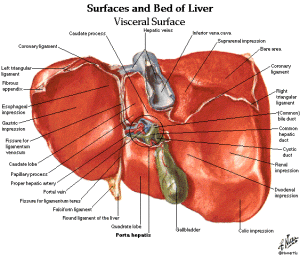
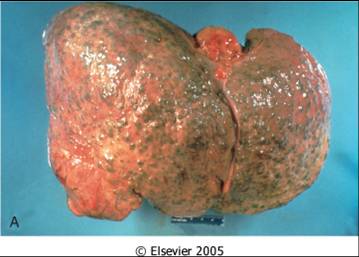
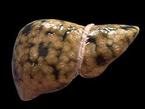
Junk food is simply in what it states; its JUNK. What is consisted in junk food is either food that is too high in fats, trans fat, high sugar contents=high in calories or high in carbohydrates or high in all of these ingredients are present. Also junk food is processed food which is simply this; foods that were processed or refined to make them more consumer-friendly and easier to transport but have been stripped of most — if not all — of their nutrients and fiber along the way. Carbohydrates provide energy for the body, particularly for the brain and the nervous system. An enzyme called amylase (from the liver) that helps break down carbohydrates into blood sugar, or glucose, which the cells of your body absorb for energy (our fuel for the body) that it needs at that time and whatever glucose it doesn’t need at that time we can’t get rid of it as waste but instead it gets stored in the body. Where? Well first the liver but if a large meal or even just a moderate to small meal high in carbs or starches the liver can’t store all that so than it goes to the fat tissue to be stored=weight gain. Remember sugars or calories get broken down to further simple sugars and even some fats depending on its make up. So if sugar is primarily the ending result of what foods are made up of unless fat free food than know the size of the meal plays a part in controlling your weight. Depending on the amount of sugar in the meal your having will determine how much sugar will need to be stored in fat tissue.   First the glucose needs to be utilized by the body by all cells and tissues at that time of digestion than with left over glucose that the body doesn’t need to utilize it has to use other compartments to put it in.   Second the sugar goes to the liver where it is being used as a storage unit for the remaining sugar in the blood but it can only fill up so much so it’s limited in the amount that can go in it. Than when the liver gets full it than goes into fat tissue storage. So let us review this again; first the meal is digested and sugar will be dumped in the blood stream where the cells pick up the glucose and deliver it to all tissues that need there fuel=glucose, for at that time. 2ND step is the extra sugar gets stored in the liver than 3rd the extra sugar that can’t be stored in the liver when that organ reaches its max level of storage that it can fit in it in that goes to the fat tissue where that rest of the sugar gets stored=fat deposit in our body. So determined by the size or the portion of the meal you have takes part in determining how healthy it is. If it is fast food than consider it unhealthy especially if fried (no healthy energy). So what is the answer here if you want to look good and eat fast foods at times (from pizza to buffalo wings to onion rings) you have to eat that way in moderation which is saying do this occasionally. If you are in your body mass index weight range with exercising on a regular basis than your even ok to eat fast food 2 times a week but if you eat this food constantly your still building up risk factors to prone yourself to cardiac disease, diabetes, stroke, hypertension, to cancers.


If you don’t know your BMR than Calculate Your BMR

Basal Metabolic Rate Calculator – Free From Fitness® Magazine

www.FitnessMagazine.com

Examples

Examples of processed carbohydrates include most baked goods, white breads, pastas, snack foods, candies and non-diet soft drinks. Other examples of processed carbohydrates are bleached, enriched wheat flour and white sugar. Because these foods have been stripped of their nutrients and fiber, they are often referred to as “empty calories.”

Effect on Health

As our bodies try to digest the huge amounts of starches and simple sugars in a meal that is dominated by processed carbohydrates, hormone production, such as that of insulin, fluctuates dramatically. This causes blood glucose levels to experience spikes and dips, a situation that may increase the risk of developing chronic illnesses such as obesity, diabetes, cancer and heart disease. In addition, our bodies are ill-equipped to handle the array of artificial flavorings, colorings and preservatives that are frequently part of the processing of refined carbohydrates. Know when your glucose levels dip rather than stay at a steady rate by eating 5 to 6 HEALTHY meals a day with one being lean in meat and green in vegetables you put yourself at risk of putting obesity on.   When you eat 5 to 6 small healthy meals a day this won’t allow your sugar to spike and dip causing excess of glucose that doesn’t need to be utilized by the body to store in the liver to freely floating in the blood stream that gets dumped into fat tissue that will cause weight gain by storing it in your fat tissue. If you regularly eat only 3 meals a day you cause the spike and dip of glucose putting yourself at high risk for this to occur in you, unless you have a high metabolism naturally.

Alternatives

Instead of getting your carbohydrates from processed or refined foods, choose to get your carbohydrates from foods like beans, legumes, whole-wheat bread, brown rice, whole-grain pasta and other grains that may be unfamiliar to you, such as quinoa, whole oats and bulgur. These alternatives are becoming easier to find in mainstream grocery stores. Not only will these sources of carbohydrates help to protect you from a range of chronic diseases, but they will also make your meals more enjoyable and interesting.

Need assistance to reach this kind of an eating pattern with learning more about HEALTHY foods for the body that you should be eating out of the 4 food groups (that includes each group letting you know what is lean, leaner, and leanest)?   You than have come to the right blog; go to healthyusa.tsfl.com and peek at what they can provide for you at no fee/charge, no donation, no obligation with guaranteed no hacking. You will see what Dr. Anderson with his book “Dr. A’s healthy habits” along with health coachs in assisting you in any way you need. They help you learn how to eat healthy in aiding you to develop healthier habits in your lifestyle forever not just diet for 3 or 6 or 12 months than put the weight all back on again. You make all the choices in what you want regarding foods, drinks, snacks and desserts or just learn about healthy foods through Dr. Anderson’s book to get the knowledge in what healthy dieting and healthy habits are that you make a part of your life. If you want to lose weight or prevent disease or illness in your life and even pass it down to your children to be passed down to further generations this is the a good pathway to follow. You reach that goal through learning proper healthy dieting, healthy habits and exercise with balancing it with rest. Hope I have helped you in someway and have given you another aspect of how to look at your health including your friends and family. For if we all thought this way, fast food businesses wouldn’t be the number one place in restaurant industry but at the bottom with our health care system better for all in our society as a whole showing a lot less disease/illness (since a lot of cardiac, obesity, diabetes II, and some cancers with more diseases are self inflicted due to our dieting and activity level of many American citizens.). We can make a change and our society has done so before. As the old saying history repeats itself time and time again, so can our society for the better of everyone. If only excess sugar in the bloodstream after eating could leave our system through our kidneys when filtering our blood dumping it in our urinary bladder and when urinating the extra sugar leaves the body or if it was dumped in our GI tract from our bile duct in our intestines and evacuated in our stool no one in the world would be fat. It doesn’t work that way instead it gets stored in our body. Unfortunately after the meal upon digestion sugar gets dumped in the blood, goes around the whole blood stream pathway being utilized by tissue where it’s needed and the extra sugar gets dumped into the liver but when that organ gets full than the left over sugar gets dumped into our fat tissue. This is how getting Obese happens naturally.

QUOTE FOR FRIDAY

“When we study the history of humanity we realize that the intensity and severity of human violence and aggression has increased over the centuries. Only in the 20th century millions of humans have been killed by other humans by pre-meditated murder, including the use of nuclear weapons.  If we review human murders we can classify them into the seven groups based on emotional, social, religious, economic or political motivation.”
DrK.Sohail (http://www.drsohail.com/essays.aspx/essays/seven_reasons_to_kill)
Man is the only species that is a mass murderer, the
only misfit in his own society. Why should this be so?
                                                                 N. Tribergen.

What makes a person kill someone else?

People are often confronted with feelings of disappointment, frustration and anger as they interact with government officials, co-workers, family and even fellow commuters to people just in society. Most can control their actions to the extent that relatively few of these interactions end in a radical action like being racist to violence.

What help build a individuals feelings to turn out in a negative result (like bullying someone to protesting to worse rioting to violence or killing) is factors.

Factors being:

  1. YOUR CHILDHOOD UPBRINGING. Your childhood builds the foundation of how you turn out as an adult. If you have good upbringing where there are good morals, values, ethics with limitations or rules and regulations in what you can and cannot do with mommy and daddy overlooking from a distance in watching the child’s actions/interests/who they play with/what they’re doing on the computer or watching on T.V or even listening to music will help give direction for their child to be effective in society. Including, as the child shows good choices than more independence in getting older with still guidance and direction as needed. Remember your a young adult at 17 and a full fledged adult at 21 years of age to make all decisions in your life.
  2. BEING AN ADULT.   This includes accepting the turn outs of how a situation finally results; before the final result if you did everything you could legally try to reach your hope of a turn out and did reach it great, it makes you a stronger person. Now let’s say you didn’t than acceptance is necessary of what the result turned out as which also makes you a stronger person with being an asset in the community. Than your next step whether it be alone or in society overall move on without being an insult to the community where it effects the society in a negative way (like killing 2 innocent police officers just for wearing the color blue in uniform, prejudice=a radical action).   Being able to allow acceptance in your life which doesn’t always turn out the way you want it to helps you move on in life making you less out to be radical in your behavior. Take the riots (which they call protesting a radical approach from Missouri to New York) and see what their results turned out to be. Stopping people from getting to a destination point who had nothing to do with what the protestors were protesting about, to damage of property of innocent people’s business to the worse DEATH. Like this radical move did anything productive for humans in society. It obviously didn’t.

First let’s look at what turns anger into action? The answer to this is mostly cognitive control or to use a less technical term, self-control.   University of Michigan professor of social psychology, Richard Nisbett, the world’s greatest authority on intelligence, plainly said that he’d rather have his son being high in self-control than intelligence, one year ago. Self-control is the key to a well-functioning life, because our brain makes us easily [susceptible] to all sorts of influences. Watching a movie showing violent acts predisposes us to act violently. Even just listening to violent rhetoric makes us prone or more inclined to be violent. Ironically, the same mirror neurons that make us empathic make us also very vulnerable to all sorts of influences. This is why control mechanisms are so important. If you think about it, there must be control mechanisms for mirror neurons. Mirror neurons are cells that fire when you grab a cup of coffee (to give you an example) as well as when you see someone else grabbing a cup of coffee. So, how come you don’t imitate all the time? The idea is that there are systems in the brain that help us by imitating only “internally”—they dampen the activity of mirror neurons when we simply watch, so that we can still have the sort of “inner imitation” that allows us to empathize with others, without any overt imitation. The key issue is the balance of power between these control mechanisms that we call top-down—because they are all like executives that control from the top down to the employees—and bottom-up mechanisms, in the opposite direction, like mirror neurons. This is whereby perception—watching somebody making an action—influences decisions—making the same action ourselves.

Neuroscience uncovered why people behave so violently looking into the Virginia Tech Massacre in 2007 with many other like incidents also which were still a small percentage of people. What happens in these individuals is that their cognitive control mechanisms are deranged. Mind you, these individuals are not out-of-control, enraged people. They just use their cognitive control mechanisms in the service of a disturbed goal. There are probably a multitude of factors at play here. The subject is exposed to influences that lead him or her to violent acts—including, unfortunately, not only the violent political rhetoric but also the media coverage of similar acts, as we are doing here. A variety of issues, especially mental health problems that lead to social isolation, lead the subject to a mental state that alters his or her ability to exercise cognitive control in a healthy manner. Again also childhood plays a big role.   The cognitive control capacities of the subject get somewhat redirected—we don’t quite understand how—toward goals and activities that are violent in a very specific way. Not the violent outburst of somebody who has “lost it” in a bar, punching people right and left. The violence is channeled in a very specific plan, with a very specific target—generally fed by the media (like take the protesting that has gone on from Missouri to New York for a month or more with media showing every news flash each day)through some sort of rhetoric, political or otherwise—with very specific tools, in the Giffords case, a 9-millimeter Glock.

Now lets look at what are the signs of a person who is disturbed enough to take some form of action to killing.   The signs are quite visible, although difficult to interpret without a context—and unfortunately they unfold very quickly , and people can rarely witness them before the action is taken (which happened with Brinsley in New York killing officers in Brooklyn on duty just doing their job), . The action itself is a sign, a desperate form of communication from a disturbed individual (Brinsley did put on the internet a warning the day it was going to be done, Sat 12/20/14. Unfortunately, nobody was chatting with the guy when he left his final messages on Internet before getting into action. But I bet that if somebody was communicating with him before the act and saw those signs and read those messages on social network he was using, that person could have done something, could have engaged him in a sort of conversation that might have redirected his deranged plans. Indeed, by connecting with the subject, that person might have redirected some of the activity of mirror neurons toward a truly empathic behavior, rather than in the service of the deranged imitative violence leading to action.

My readers I tell you this information not to persecute a person dead not even a race or politicians but this LEARN HOW THE BRAIN WORKS.   Most importantly to PARENTS bring your children up AS A CHILD not as an adult until they reach adulthood with giving good direction and guidance as their primary mentor. You the parents make our next generation who are now children and even for future parents learn so they will have a more productive working society. For now the society in America works as a   nonproductive unit of people to all races, creeds, genders, sex preferences, & nationalities of all kinds. Especially in being compared to the 1980’s; yes they had their problems but not like today’s with people treating each other with more respect even if things didn’t go their way. Our nation went off the deep end in allowing us to have freedom of everything without limitations or better rules/regulations legally in place not followed which we are paying a good price for and will take a very long time to fix. Remember when someone or now a group of people get hurt you can forgive but healing is like a wound it takes time to heal. Example: Look at Hitler, people still haven’t forgiven him, those that did have not forgotten it and they shouldn’t. Protesting can be effective where its peaceful, quiet, and not bothering other people in the area who aren’t involved. Look at Missouri and New York City this past 6 months, MUCH DAMAGE due to not thinking first but acting out first.

QUOTE FOR THURSDAY:

“Diagnosis as early as possible can help prevent further organ damage. Precise diagnosis is important because treatment varies with amyloidosis.”

Mayo Clinic

The tests and treatment for Amyloidosis Part 2

You may go to your general practitioner first depending on your insurance coverage but if it is questionable or your GP thinks it amyloidosis you should be referred to a doctor who specializes in blood disorders (hematologist).  Be prepared with questions already written out at home when you see your doctor so you don’t walk out of the office knocking your head saying “I forgot to ask him…”.   That could be from signs and symptoms, causes, risk factors, tests, treatments/medications, etc…

Diagnosis and Tests for Amyloidosis:

*1. First your doctor would do a thorough medical exam with blood/urine tests searching for clues of high protein where it shouldn’t belong or certain liver or thyroid abnormal findings. The MD will follow with further diagnostic tooling especially if these findings show up in blood/urine tests. Common blood exams used are BNP (basic natriuretic peptide). BNP is a substance secreted from the ventricles or lower chambers of the heart in response to stress and changes in pressure that occur when to heart failure develops and worsens. The level of BNP in the blood increases when heart failure symptoms worsen, and decreases when heart failure condition is stable. It is not so much elevated over the norm but more with this disease patients the MD will see where the BNP level was at last visit & compare.

Another blood test is troponin and this gets released into the bloodstream when your heart is affected by amyloids.

*2. Second your MD may want to further diagnose for this disease through getting a tissue biopsy where the MD’s intent is to check for signs indicating this is highly possible for amyloidosis. The biopsy could be taken from your abdominal fat, bone marrow, or an organ such as your liver or kidney. Tissue analysis can help determine the type of amyloid deposit.

*3. Imaging Tests. Images taken of the organs that are affected by amloidosis can help the MD establish the intensity or stage your disease is at. There are 2 most commonly imaging tests used and can diagnose the disease early. There is the echocardiogram test, sound wave imaging of the heart, that will be used to assess the size and functioning capability level of the heart. Another test is a MRI of the heart (magnetic residence imaging). Other imaging tests can evaluate the extent of amyloidosis in the liver or spleen.

When the heart chambers become filled with amyloids it thickens the walls of those chambers especially the lower chambers which can be picked up by the echocardiogram through the different angles of sound waves that go via the heart during this exam. Another thing that can be measured through the echocardiogram is your diagnostic function; that represents a measure of how stiff your heart is and how well is your heart actually functioning.

Another technique that can be used is strain imaging. This is also done through echocardiogram. This tells the doctor in more detail how much the muscle fibers in the heart are actually shortening and contracting. It measures certain parts of the heart in actually contracting and function. This is actually better in help diagnosing compared to just looking at ejection fraction, which is the amount of blood pumped out of the left ventricle chamber upon contraction of the heart (When he hear lub dub of the heart with a stethoscope that is the heart actually contracting. First the upper chamber on lub is contracting and on dub is the lower chambers contracting). This test is a specializing test and is not widely used but it is available in certain hospitals.

Ending line amyloidosis is a group of diseases in which one or more organ systems in the body accumulate abnormal proteins known as amyloid. The name amyloidosis was first used more than 150 years ago, but cases were described over 300 years ago. However, only in the past ¼ of a century have MD’s understood the specific make up and structure of amyloid proteins. Although amyloidosis is not a cancer but it is a serious condition. It is disabilitating and gets to life threatening. However, growing awareness of the condition seems to be leading to substantial new research and Rx alternatives.

There’s unfortunately no cure for amyloidosis. But treatments can help you manage your symptoms and limit the production of amyloid protein but to do that you need diagnostic tooling; the earlier you get diagnosed the sooner the doctor will start treating you!  Get diagnostic testing.

Through “The Amyloidosis Foundation” they provide over the world medical facilities/hospitals that major in this disease at http://www.amyloidosis.org/PatientPrograms/physiciansusa.html.

Hope I have helped you in someway for yourself or family or friend in better understanding about the disease, knowing tests for it, and places majored with this unfortunate disease an expert can treat in a medical facility.

QUOTE FOR WEDNESDAY:

“Without major treatment intervention, survival after amy-loidosis disease onset is 5-15 years.”  There is varying degrees of amyloidosis it depends on what type you have.

Amyloidosis Foundation

What is Amyloidosis? Part 1

What is Amyloidosis?  Amyloidosis (am-uh-loi-DO-sis) is a rare disease that occurs when a substance called amyloid builds up in your organs. Amyloid is an abnormal protein that is usually produced in your bone marrow and can be deposited in any tissue or organ.

The cause of primary amyloidosis is unknown. The condition is related to abnormal and excess production of antibodies by a type of immune cell called plasma cells. Clumps of abnormal proteins build up in certain organs. This reduces their ability to work correctly.

Symptoms depend on the organs affected.  Amyloidosis frequently affects the heart, kidneys, liver, spleen, nervous system and digestive tract. Severe amyloidosis can lead to life-threatening organ failure. This disease can affect the tongue, intestines, skeletal and smooth muscles, nerves, skin, ligaments, heart, liver, spleen, and kidneys.  Skin changes, such as thickening or easy bruising, and purplish patches around the eyes, difficulty swallowing,

Symptoms include: enlarged tongue, difficulty swallowing, feeling full quickly when eating, and significant weight loss, diarrhea possibly with blood or constipation, abnormal heart rhythm, fatigue, numbness of hands or feet, shortness of breath, hoarseness or changing voice, swelling of your ankles and legs and joint pain.

Amyloid is produced in your bone marrow and can be deposited in any tissue or organ affecting the tissue and organs like stated previously. The specific cause of this condition depends on the type of amyloidosis present.

Unfortunately, there are many different types of amyloidosis.  Here are the types:

Immunoglobulin light chain (AL) amyloidosis.  This is the most common type, can affect your heart, kidneys, skin, nerves and liver. It was previously known as primary amyloidosis. It occurs when your bone marrow produces abnormal antibodies that can’t be broken down. The antibodies are deposited in your tissues as amyloid, interfering with normal function.   Most people diagnosed with AL amyloidosis, the most common type, are age 50 or older, although earlier onset can occur.  This is  hard in preventing this disease from occurring.  Nearly 70 percent of people with AL amyloidosis are men.

AA amyloidosis, mostly affects your kidneys but occasionally your digestive tract, liver or heart. It was previously known as secondary amyloidosis. It occurs along with chronic infectious or inflammatory diseases, such as rheumatoid arthritis or inflammatory bowel disease.  One way to prevent this is through good health to prevent chronic infections, possibly rheumatoid arthritis or inflammatory bowel disease.

Hereditary (familial) amyloidosis, is an inherited disorder that often affects the liver, nerves, heart and kidneys. One type is caused by a certain amyloid (transthyretin amyloid) that can affect the nervous system or the heart.  This is hereditary and unlikely to prevent but see your MD regularly to be checked for it every 6 months or yearly.  See what your MD suggests if you know this is in your family. African-Americans have a greater risk of this type than do Caucasians. It is thought to be a significant cause of heart failure in African-American men.

Dialysis-related amyloidosis, develops when proteins in blood are deposited in joints and tendons which end up causing pain, stiffness and fluid in the joints, as well as carpal tunnel syndrome. This type generally affects people on long-term dialysis.  Dialysis can’t always remove large proteins from the blood. If you’re on dialysis, abnormal proteins can build up in your blood and eventually be deposited in tissue. The good news regarding this type of amyloidosis is this condition is less common with modern dialysis techniques.

IN THE END WHAT THIS CONDITION LEAVES AS AN END RESULT TO INTEFERE WITH NORMAL FUNCTION OF TISSUES/ORGANS IN THE HUMAN BODY:

1.) Amyloid can harm the kidneys’ filtering system=our toileting system of the human body which takes toxics out of the bloodstream dumping them into the urinary bladder that our body voids out of the body through urinating.  If this organ, the kidneys are affected, this ends up causing protein to leak from your blood into your urine. The kidneys’ ability to remove waste products from your body is lowered, which may eventually lead to kidney failure (if 100% failure occurs now hemodialysis starts causing the amyloidosis to be at risk for just getting worse, see above dialysis-related amyloidosis).

2.) Amyloid can harm the nervous system, which affects our electrical system of the human body.  You may experience pain, numbness or tingling of the fingers or numbness, lack of feeling or a burning sensation in your toes or the soles of your feet. If amyloid affects the nerves that control your bowel function, you may experience periods of alternating constipation and diarrhea. Sometimes amyloidosis affects nerves that control blood pressure, and you may experience dizziness or near fainting when standing too quickly, as a result of a drop in your blood pressure due to orthostatic hypotension occurring secondary to the nerves affecting the B/P.

3.) Amyloid if it affects the engine of the human body it will cause reduction of that organ’s function being the heart.  It causes your heart’s ability to fill with blood between heartbeats. Less blood is filled up in each chamber of the heart at the normal level an this causes the heart to pump out less cardiac output with each beat, especially the left ventricle of the heart that pumps out oxygenated blood throughout the body.  This causes less oxygenated blood to our tissues and like plumbing when the pipes (in this case the arteries with veins) cause back up in the running of blood which go back to the lungs first (does not take long) all the way down to the feet (this takes time).  This in the end can make you experience shortness of breath due to fluid build up in the lungs. If amyloidosis affects your heart’s electrical system, your heart rhythm may be disturbed.  This can put you into arrhythmias the longer you don’t take care of the situation the worse the rhythm will get.

Too little sodium in the human body and what occurs.

Hyponatremia is a condition that occurs when the level of sodium in your blood is abnormally low. Sodium is an electrolyte, and it helps regulate the amount of water that’s in and around your cells.

In hyponatremia, one or more factors — ranging from an underlying medical condition to drinking too much water during endurance sports causes the sodium in your body to become diluted. When this happens, your body’s water levels rise, and your cells begin to swell. This swelling can cause many health problems, from mild to life-threatening.

Hyponatremia treatment is aimed at resolving the underlying condition. Depending on the cause of hyponatremia, you may simply need to cut back on how much you drink. In other cases of hyponatremia, you may need intravenous fluids and medications.

Sodium we know what systems it effects from yesterday’s article on sodium in general of how it works in the human body.  If you don’t know and didn’t get a chance to read it yesterday stop this article going to yesterday’s to read over the general information of how sodium works and effects the human body.  This will help you understand the signs and symptoms easier.

Hyponatremia signs and symptoms may include:

  • Nausea and vomiting
  • Headache
  • Confusion
  • Loss of energy and fatigue
  • Restlessness and irritability
  • Muscle weakness, spasms or cramps
  • Seizures
  • All the way to a Coma

Sodium plays a key role in your body. It helps maintain normal blood pressure, supports the work of your nerves and muscles, and regulates your body’s fluid balance playing a particular role in acid and base balances inside our blood stream working with in particular potassium.

A normal sodium level is between 135 and 145 milliequivalents per liter (mEq/L) of sodium. Hyponatremia occurs when the sodium in your blood falls below 135 mEq/L.

Many possible conditions and lifestyle factors can lead to hyponatremia, including:

  • Certain medications. Some medications, such as some water pills (diuretics), antidepressants and pain medications, can cause you to urinate or perspire more than normal.  Medications that increase your risk of hyponatremia include thiazide diuretics as well as some antidepressants and pain medications. In addition to the recreational drug Ecstasy has been linked to fatal cases of hyponatremia.
  • Heart, kidney and liver problems. Congestive heart failure and certain diseases affecting the kidneys or liver can cause fluids to accumulate in your body, which dilutes the sodium in your body, lowering the overall level.
  • Syndrome of inappropriate anti-diuretic hormone (SIADH). In this condition, high levels of the anti-diuretic hormone (ADH) are produced, causing your body to retain water instead of excreting it normally in your urine.
  • Chronic, severe vomiting or diarrhea. This causes your body to lose fluids and electrolytes, such as sodium.
  • Drinking too much water. Because you lose sodium through sweat, drinking too much water during endurance activities, such as marathons and triathlons, can dilute the sodium content of your blood. Drinking too much water at other times can also cause low sodium.
  • Dehydration. Taking in too little fluid can also be a problem. If you get dehydrated, your body loses fluids and electrolytes.
  • Hormonal changes. Adrenal gland insufficiency (Addison’s disease) affects your adrenal glands’ ability to produce hormones that help maintain your body’s balance of sodium, potassium and water. Low levels of thyroid hormone also can cause a low blood-sodium level.
  • The recreational drug Ecstasy. This amphetamine increases the risk of severe and even fatal cases of hyponatremia.
Also for older adults they may have more contributing factors for hyponatremia, including age-related changes, taking certain medications and a greater likelihood of developing a chronic disease that alters the body’s sodium balance.
In chronic hyponatremia, sodium levels drop gradually over 48 hours or longer — and symptoms and complications are typically more moderate.

In acute hyponatremia, sodium levels drop rapidly — resulting in potentially dangerous effects, such as rapid brain swelling, which can result in coma and death.

Premenopausal women appear to be at the greatest risk of hyponatremia-related brain damage. This may be related to the effect of women’s sex hormones on the body’s ability to balance sodium levels.

Seek emergency care for anyone who develops severe signs and symptoms of hyponatremia, such as nausea and vomiting, confusion, seizures, or lost consciousness.

Call your doctor if you know you are at risk of hyponatremia and are experiencing nausea, headache, cramping or weakness. Depending on the extent and duration of these signs and symptoms, your doctor may recommend seeking immediate medical care.

QUOTE FOR MONDAY:

“Your body regulates sodium levels carefully to prevent levels from getting too high or too low. The kidneys are responsible for controlling sodium concentrations and retain sodium when your levels are low and excrete sodium in the urine when levels are high. However, people with kidney problems may be more susceptible to dangerous changes in their health.”

Adam Cloe, Healthy Eating sfgate.com

Sodium — Why the body needs it, how it works & why not too much in your diet.

First we’ll cover how water, electrolytes, proteins work in the body to understand how sodium (being a electrolyte) is so important with our health. Then we will cover how to use sodium therapeutically in our diet with knowing how it impacts how your future health and how it prevents with even help you in managing certain diseases or illnesses you already have.

Let us first understand the basics of the human body: a large percentage of body weight is composed of water that is containing dissolved particles of organic and inorganic substances vital to life. A young adult male is about 60% water whereas a female is 50%. Than the percentage of the body weight, that is WATER, declines with age. Since fat contains little water, the more obese a person gets the smaller the percentage of water weight is in that person.   Salt is what we call sodium (NA) + chloride (Cl)=Sodium chloride =NaCl, which are both an electrolytes. Water is distributed throughout the body, but in compartments that are inside our cells, outside of our cells (being plasma), and in our tissues. In these compartments with the water are electrolytes but in varying amounts. The largest percentage of water in our body is inside the cells. The body fluid in us is constantly being lost and replaced for normal body processes to occur.   If we eat daily food and fluids the body easily maintains the compartments in balancing the water and electrolytes in our body (remember the compartments are in the cells, outside of cells, and in the tissues).   We know the body receives water to these different compartments through our diet in what we eat (foods & liquids) and through the metabolism (break down) of the those foods & liquids=nutrition that we eat and through the body tissues. There are ending products from the metabolism (break down) of tissues in our body and our foods and fluids through digestion causing our body to have an ending result of toxins in the body but are body gets rid of them if functioning within normal limits. Two vital processes that do this which demand continual expenditure of water in removal of toxins is: 1.) removal of body heat by vaporization of water via the lungs and the skin(perspiration).                         2.)excretion of urea and other metabolic wastes by the kidneys dumping them in our urinary bladder; the stool also in our GI tract plays a role in this removal of metabolic wastes in evacuation.                                                                                                                                                                                    Solid foods such as meats and vegetables contain 60 to 90% water . Note the normal daily replacement of water roughly equals the normal daily loss with an entire body functioning properly. The volume of water used in these processes varies greatly with external influences such as temperature and humidity.

All body fluids contain chemical compounds. Chemical compounds in solution may be classified as electrolytes or nonelectrolytes based on their ability to conduct an electric current in the solution. Electrolytes are either positive, which is a charged particle called an cation (electric current=Na+); or negative which is not a charged particle called an anion (no electric current=Cl-). This is why you’ll see an electrolyte banner or board up in the front of chemistry class or just in your chemistry book (a positive or negative sign after every abbreviation of each element). It’s letting you know if it is + or -. Proteins are special types of charged molecules. They both have a charge that is dependent on the pH of the body fluids. A normal pH in our plasma is 7.35 to 7.45 and at this level your proteins exist with a net negative charge. In our bodies compartments, when imbalances happen regarding fluids, electrolytes or proteins problems occur; acidity and alkalinity distribution in the body becomes effected.

What does this all mean?                                         There are 3 main mechanisms for fluid and electrolyte movement in the body to help in maintenance of acid and base balances throughout the human body which are diffusion, osmosis, and filtration. Through these mechanisms transfer of water and electrolytes take place dispensing them in the body where they are needed.

Electrolytes account for most of the osmotic pressure of the body fluids (this pressure is the concentration of solids in a compartment—example inside your cells is a compartment). Electrolytes are VITALLY important in the maintenance of acid and base (alkaline) balancing in all cells to all the plasma (outside the cell) to every tissue region of the body. These 3 mechanisms of delivery that balance the fluids and electrolytes in our body you need to have working correctly; but when the body ends up getting imbalances of electrolytes or fluids over a long period of time certain illnesses or diseases can arise. If a system fails in our body, this can put the electrolyte and fluid balance off causing health problems in our body; take for example. kidneys that play a major role in removing toxins from our bloodstream by pulling them out of the blood vessels that filter through the kidneys and allows the organ to dump the toxins into our urinary bladder where we excrete them.   When we void, the more yellow the urine means the higher the amount or concentration of toxins is in the urine and that was dumped in the urinary bladder by proper kidney function.   So if disease like renal (kidneys )failure occurs than this messes up the entire process of balancing the acid and base fluids in the body by allowing the toxics to stay in our body which causes them to be dumped elsewhere, like in our tissues=the body is trying to compensate. This will cause yellowing to the sclera, skin, etc… which we call jaundice and if not repaired you will die sooner in life.

Now, let us get in the specifics of the electrolyte sodium chloride and health. Table salt is made up of the elements sodium and chloride – the technical name for salt is sodium chloride. Your body needs some sodium to work properly. Na in our body plays important roles and works with potassium. It helps with the function of nerves and muscles. It also helps to keep the right balance of fluids in your body. When Na gets high concentrated (in blood=hypernatremia) our body reacts by allowing more water in that compartment (ex. Plasma) to balance out the electrolyte and fluids in that compartment to prevent complications. Your kidneys control how much sodium is in your body. If you have too much and your kidneys can’t get rid of it, sodium builds up in your blood (hypernatremia). This can lead to health problems. In healthy individuals, the kidneys respond to excess sodium by flushing it out in the urine. Unfortunately, this also removes potassium. If potassium levels are low, the body tries to hoard it, which also means hanging onto sodium. Water follows sodium, leading to an increase in the amount of water in the body and the volume of blood in circulation. Excess sodium blunts the ability of blood vessels to relax and contract with ease causing your vessels to vasoconstrict which increases pressure in your vessels=high blood pressure (B/P)and may also overstimulate the growth of heart tissue. Blood pressure climbs, and the heart must work harder=stress to the heart. When we stress the heart out=overworked, lack of oxygen to the heart tissue happens=pain (we call it Angina that can be reversed) and if it continues can lead to a heart attack (scarring to the heart=damage done to the heart that’s not reversible). Also with constant high B/P with constriction of vessels in the brain this can cause the same stress=headache which if not resolved can lead to a stroke (scarring to the brain, again not reversible).   All of these responses are made worse by low potassium intake.

In some people, especially those already diagnosed with high blood pressure, heart failure, or impaired kidney functioning, the kidneys hang onto sodium no matter what, further complicating the disease they have and worsening their health.

One way to flush sodium out of the body is by getting more potassium. An interesting report from the Trials of Hypertension Prevention suggests that changing the balance between these two minerals can help the heart and arteries.

High blood pressure can lead to other health problems, especially uncontrolled.

Most people in the U.S. get more sodium in their diets than they need. A key to healthy eating is choosing foods low in salt and sodium. Doctors recommend you eat less than 2.4 grams per day. That equals about 1 teaspoon of table salt a day. Reading food labels can help you immensely in seeing accurately how much sodium is in prepared foods of your meals you eat.

Most of the focus on sodium and potassium centers on their effects on the kidneys, blood vessels, and heart.  But these minerals affect every part of the body, including the relentless breakdown and buildup of bone.  A diet high in sodium increases the amount of calcium excreted in the urine. This loss is especially prominent when calcium intake is low, as it is for so many Americans. Loss of calcium can contribute to osteoporosis, the age-related weakening of bones=easier fractures and brakes in bones.

One way to combat the problem is by taking in more calcium from food or supplements. Getting more potassium, in the range of the recommended 4,700 mg a day, can also help.

To be sure, there is more to bone health than sodium and potassium. Heredity, lack of exercise, hormone levels (low testosterone in men, low estrogen in women), and a dearth of vitamin D and vitamin K can also weaken bones. But it’s good to know that a positive change made for your heart is doing good things elsewhere in the body.

One way to prevent or fight high blood pressure and keep the heart healthy is to boost the amount of potassium you get while at the same time reducing your sodium intake. (Note: Check with your doctor before boosting your intake of potassium. Although it’s a good strategy for many, it can be harmful to people with kidney disease or heart failure, or those who are taking certain kinds of diuretics, or “water pills.”) Recommended if with any disease get clearance from your m.d. before making changes in your diet, activity, and any health habits (especially if a cardiac, renal, diabetes diagnosis)

The best way to get more potassium and less sodium is by eating more fresh fruits and vegetables, beans, fish, homemade foods, and low-salt versions of prepared foods. You can top the 4,700-milligram mark for potassium and stay under 800 mg of sodium by having regular oatmeal, orange juice, and coffee for breakfast; a peanut butter and jelly sandwich and milk for lunch; baked halibut, a baked potato with the skin, and a spinach salad with half an avocado for dinner; and some peanuts, raisins, a banana, and low-sodium V8 in between. The potassium-to-sodium ratio of this menu is 14 to 1. Best way to figure out the amount of sodium or potassium in your diet is count what the label of the food your eating states is in a serving and document it up in 24hrs and add it up. Add in some exercise and, though you aren’t living like people in the Stone Age, you might have arteries as healthy as they had.


To know what primary (prevention) or secondary management of diseases or illnesses caused by or effected by sodium blood levels in the body with learning how to control and take proper sodium intake as best as possible this can be accomplished by eating a healthy diet (low sodium), practice healthy habits, and even lose weight if necessary. Doing this will let you reach your optimal level of health. Need a little help than go on to my website healthierusa.tsfl.com/ and let Dr. Anderson with his book “Dr. A’s habits of health” and myself as your health coach in directing you and giving you the knowledge in how to eat sodium healthy, how to lose weight by living healthy habits and eating healthy not just 3 mths or a year but for life with being able to treat yourself to treats and foods occasionally not the healthiest. Through Dr. Anderson’s book you will learn about all 4 food groups in how to eat the foods (including sodium), when to eat the foods, what portion sizes to use, with learning even about diseases and illnesses that can occur through poor habits in diet, activity, and more. This program is giving you the steps that can lead you in the right pathway of how to control your life with reaching your optimal level of heath. You make the choices of what changes you want to make, no one else. There is no fee, no donations, no hacking, and no obligation on your part other than just to take a peek and see if what we can provide is what you would like. It can help you with keeping your sodium low or within normal limits and reaching a healthier life which could impact even others around you especially your family and friends. If this occurs and this news spreads throughout America it would make our country much healthier which we could use for now and in the future. This is not a recruiting organization but a company that can help you and many others live a better and possibly longer life. Hope I have helped you in someway dealing with sodium in your diet. Also, I hope to hear from you both with your comments on the articles you read on my blog with visiting the website in taking the right step to reach the optimal level of your heath including learning methods that help you deal the best with maintaining a good sodium blood level in your body.