QUOTE FOR TUESDAY:

“Current theories about the onset and progression of sepsis and SIRS focus on dysregulation of the inflammatory response, including the possibility that a massive and uncontrolled release of proinflammatory mediators initiates a chain of events that lead to widespread tissue injury.”

Dr. Remi Neviere, MD/Professor/Author of Sepsis and the systemic inflammatory response syndrome: Definitions, epidemiology, and prognosis  http://www.uptodate.com/contents/sepsis-and-the-systemic-inflammatory-response-syndrome-definitions-epidemiology-and-prognosis & http://circ.ahajournals.org/content/111/20/2596

MD Department of Physiology, Univ. Droit et Sante – Lille II

QUOTE FOR MONDAY:

“If you regularly experience a rapid or irregular heartbeat, you may be experiencing atrial fibrillation. Atrial fibrillation is a condition that occurs when the upper chambers of your heart receive irregular electrical signals. The chamber responds by quivering, which in turn overloads the AV node between the atria and the ventricles. The result is the irregular heartbeat called atrial fibrillation.”

alot.com “Understanding Atrial Fibrillation”

Atrial Fibrillation and Rapid Ventricular Rate/Response

After reviewing the anatomy and physiology of the human heart and seeing how it functions with the lungs, and blood for carrying oxygen and dispensing carbon dioxide from other areas of the human body to ending spot the lungs in exhaling, now lets learn how cardiac disease effects the heart to function in doing this process.  Today lets talk about atrial fibrillation and Rapid Ventricular Rate/Response.

Some people in the US have this cardiac condition called Atrial Fibrillation where some with this condition even experience Rapid Ventricular Rate or Response with it.

Atrial fibrillation is an irregular and often rapid heart rate that commonly causes poor blood flow to the body.

During atrial fibrillation, the heart’s two upper chambers (the atria) beat chaotically and irregularly — out of coordination with the two lower chambers (the ventricles) of the heart causing your pulse to be irregular. We know now how the blood flows through the heart but due to the irregularity of the atriums which is not allowing the chambers to fill up to the maximal level they normally did when they didn’t have Atrial Fibrillation is decreasing the cardiac output (blood volume) from the left ventricle to be decreased.   This means the heart and all other tissus aren’t getting the regular amount of oxygen they got when they were in a regular normal rhythm.  Atrial fibrillation symptoms often include heart palpitations, shortness of breath and weakness.  Atrial fibrillation (also called AFib or AF) is a quivering or irregular heartbeat (arrhythmia) that can lead to blood clots, stroke, heart failure and other heart-related complications. Some people refer to AF as a quivering heart.  What happens here is primarily the ventricles take over.   With the atriums quivering and the ventricles going at their rate this causes an irregular heart rate HR.  Another problem with an irregular heart rate is this allows blood to pool in the heart putting the patient at risk for clot formation.  As this HR gets more irregular it puts the patient at a higher risk of allowing the clot to break off inside the heart now flowing freely in the blood stream.  If it reaches the lungs and stays there a pulmonary thrombus can occur causing breathing difficulties; if it bypasses the lungs the next place it goes to is the brain putting the person at risk for a stroke and if it reaches back to the heart the patient can have a heart attack.  This why you commonly see patients with atrial fibrillation on the med Coumadin or some form of anticoagulant drug to prevent clots from occurring.

An estimated 2.7 million Americans are living with Afib.

Episodes of atrial fibrillation can come and go, or you may develop atrial fibrillation that doesn’t go away and may require treatment. Although atrial fibrillation itself usually isn’t life-threatening, it is a serious medical condition that sometimes requires emergency treatment. It can lead to complications. Atrial fibrillation may lead to blood clots forming in the heart that may circulate to other organs and lead to blocked blood flow (ischemia) to even stroke/heart attack to pulmonary thrombus as stated earlier.

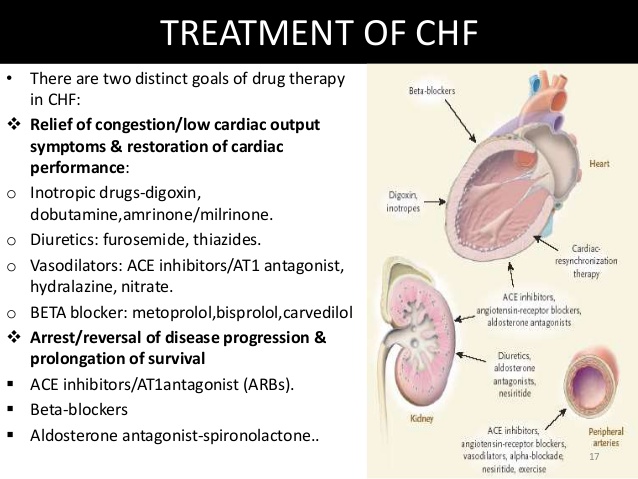
Treatments for atrial fibrillation may include medications like anticoagulants primarily=usually Coumadin,  antiplatelets= aspirin (platelets are responsible for clotting in our bloodstream) with and other interventions to try to alter the heart’s electrical system such as cardioversion-shocking the heart at low level voltage, more common in newly diagnosed afib. in hope to knock the afib into a regular rhythm called normal sinus rhythm (the best rhythm to be in).

Various studies have reported that electrical cardioversion is over 90 percent effective in converting to a normal sinus rhythm though many people revert back into afib shortly thereafter. Success has been shown to be enhanced when patients are on an antiarrhythmic drug beforehand, which helps prevent reverting back to atrial fibrillation.

Success depends on the size of the left atrium as well as how long the patient has been in afib. Patients with a very large left atrium, one greater than 5 cm, or who have been in constant afib for a year or two, may find that electrical cardioversion is not effective in converting to or maintaining a normal sinus rhythm.

Following a successful electrical cardioversion, the goal is to maintain a normal sinus rhythm, which only happens with about 20–30 percent of patients within the first year if they are not on antiarrhythmic drugs for rhythm control. Overall, the likelihood is quite high that you will revert back into atrial fibrillation, regardless of whether you stay on rhythm control drugs.

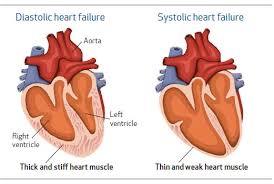
When the ventricles beat too rapidly they don’t fill completely with blood from the atria. As a result, they cannot efficiently pump blood out to meet the needs of the body. This can ultimately lead to heart failure in time if not treated.  Just like us running from NY to California most will end up not being able to do it just like the heart can’t run in atrial fibrillation in a high heart rate for a long time,  it also will give out going into failure.  The heart can only compensate in atrial fibrillation in a rapid high heart rate for so long.

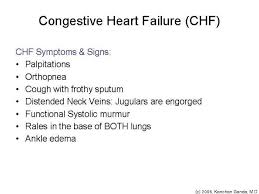
A cardiac condition called Rapid Ventricular Rate or Response which is seen sometimes with Atrial Fibrillation which is the heart is overloaded.  Our heart beats lub dub which is first the atriums opening and closing (lub) and than the ventricles opening and closing (dub).  When the heart gets overworked and tries to compensate the atriums can give up and just allow the ventricles to take over to beat which affects the heart and all other tissues to get proper amount of blood with oxygen in time.  Since you loose the atriums (the upper chambers of the heart) and they don’t fill up with the amount of blood volume like they use to.  You loose a lot of blood volume(RBC’s); what the heart pumps out in the left ventricle to our tissues with oxygen get’s decreased in what we call your cardiac output=the volume of oxygenated blood pumped out of the left ventricle.  Well with atrial fibrillation this gets compensated.  In time if this is not repaired the blood goes backwards in how the heart pumps the blood.  It is regurgitating blood back in the heart back in the pulmonary vein back to the lungs putting fluid in the lungs even going further back into the Rt side of the heart and the superior vena cava and even further depending how long this hasn’t been treated.  Heart failure is set up, if not already.

Heart failure as a result of Atrial Fibrillation with RVR is most common in those who already have another type of heart disease like CAD (Coronary Heart Disease, CHF, etc…).

RVR can cause chest pains and make conditions like congestive heart failure worse.   RVR is simply having a high heart rate with the ventricles only pumping.  The HR can be like 140 or 160.  You need to get to an ER to be treated immediately.  This is where you would be started on a IV drip like Cardizem to bring the HR down to get you in controlled atrial fibrillation or some type of medication in bringing the HR down.  HR meaning the heart rate.

There are 2 types of atrial fibrillations controlled and uncontrolled.  If you are seen every 6 months or sooner with atrial fibrillation keeping your pulse under 100, which is controlled atrial fibrillation that is effective in treating it.

If you are with a pulse over 100 your in Uncontrolled Atrial Fibrillation and need your cardiologist to evaluate what needs to be done to bring the pulse under 100 so that it is less stressful for your heart to beat.  Than would be ideal under 100 as opposed to over 100.  It your over 100 higher odds you could go into RVR or just another rhythm more complicated than atrial fibrillation.  The more stressed out your heart is in doing its function the higher the odds your heart will go into problems.  So keep the pulse under 100 if you have afib and if not get checked out by your cardiologist or any doctor now not 2 mths or 2 weeks from now.

Always check with your doctor when you question anything medical about your self but at any time if you feel chest pain, chest discomfort, headache, palpatations, dizziness, shortness of breath or difficulty breathing call your doctor and be resting in hopes that the symptoms decrease to disappear.

If you have chronic atrial fibrillation you can live a completely normal life only with keeping the pulse under 100 and following up with your cardiologist as he/she orders.


QUOTE FOR FRIDAY

“Anything that raises your heart rate and gets your blood pumping is a workout for your heart and circulatory system,” .

Stuart Amory personal trainer

According to the Stroke Association, walking briskly for up to 30 minutes can help prevent and control the high blood pressure that can cause strokes – reducing your risk by up to 27 per cent.

American Stroke Association

Proper dieting and regular walking – How it helps the human body stay healthy.

First diet doesn’t necessarily mean you’re on a struggle eating special foods. Diet can simply mean that the foods that your eating and if done regularly eating foods HIGH in FAT, CHO (carbohydrates), CALORIES, and SUGAR you will also be high in your weight count unless you are working out extensively since it allows you to burn off the excess in FAT, CHO, CALORIES and SUGAR that the body doesn’t need. What also plays a role is your activity and this does not include your regular activities of daily living (so work doesn’t count even if you are in a job constantly on your feet, like possibly a Doctor, a traffic controller, or even a Nurse, like myself for over 27 years, in hospital settings…).   So some form of exercise, not having to be aerobic but if you do more power to you, it has to be done daily or every 2 to 3 times a day. Why and how does this help the body?

Is there anyone out there like myself that had nice legs but in time became bigger where you went from having 2 tone frankfurter legs ( nice and juicy) to 2 fat sausages looking well done (cellulite kicking in) causing you to cover them up with only fitting into dark leggings. Well I resolved this problem and it didn’t take vigorous working out either. It took discipline with the understanding of how the body works in creating pounds of additional fat/cellulite on the body due to diet and not doing routine or any exercise. My arms, abdomen, face with the neck (to some degree) started looking better through my diet change.   I increased my metabolism and kept it at a steady rate=6 small low glycemic meals a day which takes into account the amount of fats, CHOs, sugars, calories and small HIGH PROTEIN meal sizes that you eat.   The ending result when eating high glycemic meals and even large portion low glycemic meals causes fat storage in the body=cellulite, which we see in time. This is due to meals that are too high in calories, fat, sugars, CHO’s. Most adult Americans are overweight (over 60%) this is because many eat more than what the body needs for energy at that one time. After the energy that is needed by the body at that time is used from that meal then the extra energy=free circulating glucose in the bloodstream gets stored somewhere in the body causing an increase in fat storage on the body=Increase in the body weight.   Keep in mind ladies after 40 y/o pre and actual menopause occurs at sometime. This causes the metabolism to slow down even more which in turn causes an increase in the chance of putting weight on at the abdomen, legs, & hips. Our fuel for the body is FOOD&one of the ending products making up our fuel is glucose & when used in excess=a large meal, you store a lot of glucose away=fat storage=Wt. gain.   For further info go to my web page. 1

Another key in keeping healthy and even toning up muscles, especially in the legs is WALKING. This activity helps the body in 2 major ways (without doing major work-outs). One it helps the human body in both toning it (particularly the legs) and losing weight. Than 2 it helps prevent certain diseases, especially if you are still young adolescence or a young adult aged without disease at this time .

What physical activity does (even just walking briskly for 1-2 miles a day or 2-3x a week on a routine basis) will help in weight and health. Other than regular activities of daily living, like walking, burns calories, increases your good cholesterol (HDL) and decreases your unhealthy triglycerides. This helps prevent certain cardiac diseases; like blockages in the arteries=arthrosclerosis or strokes due to blockages or even helping someone already diagnosed with it by maintaining it with other RX methods (Ex. Meds, diet, etc…). Walking and even jogging improve circulation in the legs, and proper circulation helps ward off the development of varicose veins. Exercise also reduces overall high blood pressure and strengthens your entire circulatory system. The higher in the intensity of the activity the higher in number of calories you burn which includes CHO’s.   Activity/Exercise causes your metabolism to increase giving you an extra boost of energy (can even boost up the sex life, you have that extra energy) I have even increased my activity outside at home using the pool and walking with my sweetheart & dogs on our 2+ acres which makes a nice walk for all. It has proven to me that it has improved my sleep from doing the activity at least 4 to 6 hours, if not earlier, before sleeping, since it does increase your metabolism causing you to be more awake at first. Activity in your life can only benefit you, Remember to check with your general practitioner before starting any new exercise program, especially if you have any health concerns/diseases.  If you want to learn more about how to diet with exercise (not necessarily intense workout) and make yourself healthier with even getting others involved to do the same than join me at my website healthyusa.tsfl.com and read the information it provides and see if this is something you would want. No fee, no charge, no donations or hacking. I hope you join me; if I can do it, you can do it. All it takes is a little drive in wanting to feel and even look better for yourself and others being a good mentor (for children, spouse, family, and friends, etc…) to spread healthiness in the USA.   It would benefit everyone (even our healthcare) in time=less disease/illness for the next era and even generation to come. Thank you for your reading striveforgoodhealth.com.

Violence and the mind in the world today.

photodune-4439753-domestic-violence-l-1920x714

The world is very scary today in all age groups but the saddest is people still doing violence as a seasoned adult; which should be by 30 or 36.   9 to 15 years being an adult from the legal age 21 but still we see all types of violence everywhere.

People are often confronted with feelings of disappointment, frustration and anger as they interact with government officials, co-workers, family and even fellow commuters to people just in society. Most can control their actions to the extent that relatively few of these interactions end in a radical action like being racist to violence.

What help build a individuals feelings to turn out in a negative result (like bullying someone to protesting to worse rioting to violence or killing) is factors.

Factors being:

  1. YOUR CHILDHOOD UPBRINGING. Your childhood builds the foundation of how you turn out as an adult. If you have good upbringing where there are good morals, values, ethics with limitations or rules and regulations in what you can and cannot do with mommy and daddy overlooking from a distance in watching the child’s actions/interests/who they play with/what they’re doing on the computer or watching on T.V or even listening to music will help give direction for their child to be effective in society. Including, as the child shows good choices than more independence in getting older with still guidance and direction as needed. Remember your a young adult at 17 and a full fledged adult at 21 years of age to make all decisions in your life.
  2. BEING AN ADULT.   This includes accepting the turn outs of how a situation finally results; before the final result if you did everything you could legally try to reach your hope of a turn out and did reach it great, it makes you a stronger person. Now let’s say you didn’t than acceptance is necessary of what the result turned out as which also makes you a stronger person with being an asset in the community. Than your next step whether it be alone or in society overall move on without being an insult to the community where it effects the society in a negative way (like killing 2 innocent police officers just for wearing the color blue in uniform, prejudice=a radical action).   Being able to allow acceptance in your life which doesn’t always turn out the way you want it to helps you move on in life making you less out to be radical in your behavior. Take the riots (which they call protesting a radical approach from Missouri to New York) and see what their results turned out to be. Stopping people from getting to a destination point who had nothing to do with what the protestors were protesting about, to damage of property of innocent people’s business to the worse DEATH. Like this radical move did anything productive for humans in society. It obviously didn’t.

First let’s look at what turns anger into action? The answer to this is mostly cognitive control or to use a less technical term, self-control.   University of Michigan professor of social psychology, Richard Nisbett, the world’s greatest authority on intelligence, plainly said that he’d rather have his son being high in self-control than intelligence, one year ago. Self-control is the key to a well-functioning life, because our brain makes us easily [susceptible] to all sorts of influences. Watching a movie showing violent acts predisposes us to act violently. Even just listening to violent rhetoric makes us prone or more inclined to be violent. Ironically, the same mirror neurons that make us empathic make us also very vulnerable to all sorts of influences. This is why control mechanisms are so important. If you think about it, there must be control mechanisms for mirror neurons. Mirror neurons are cells that fire when you grab a cup of coffee (to give you an example) as well as when you see someone else grabbing a cup of coffee. So, how come you don’t imitate all the time? The idea is that there are systems in the brain that help us by imitating only “internally”—they dampen the activity of mirror neurons when we simply watch, so that we can still have the sort of “inner imitation” that allows us to empathize with others, without any overt imitation. The key issue is the balance of power between these control mechanisms that we call top-down—because they are all like executives that control from the top down to the employees—and bottom-up mechanisms, in the opposite direction, like mirror neurons. This is whereby perception—watching somebody making an action—influences decisions—making the same action ourselves.

Neuroscience uncovered why people behave so violently looking into the Virginia Tech Massacre in 2007 with many other like incidents also which were still a small percentage of people. What happens in these individuals is that their cognitive control mechanisms are deranged. Mind you, these individuals are not out-of-control, enraged people. They just use their cognitive control mechanisms in the service of a disturbed goal. There are probably a multitude of factors at play here. The subject is exposed to influences that lead him or her to violent acts—including, unfortunately, not only the violent political rhetoric but also the media coverage of similar acts, as we are doing here. A variety of issues, especially mental health problems that lead to social isolation, lead the subject to a mental state that alters his or her ability to exercise cognitive control in a healthy manner. Again also childhood plays a big role.   The cognitive control capacities of the subject get somewhat redirected—we don’t quite understand how—toward goals and activities that are violent in a very specific way. Not the violent outburst of somebody who has “lost it” in a bar, punching people right and left. The violence is channeled in a very specific plan, with a very specific target—generally fed by the media (like take the protesting that has gone on from Missouri to New York for a month or more with media showing every news flash each day)through some sort of rhetoric, political or otherwise—with very specific tools, in the Giffords case, a 9-millimeter Glock.

Now lets look at what are the signs of a person who is disturbed enough to take some form of action to killing.   The signs are quite visible, although difficult to interpret without a context—and unfortunately they unfold very quickly , and people can rarely witness them before the action is taken (which happened with Brinsley in New York killing officers in Brooklyn on duty just doing their job), . The action itself is a sign, a desperate form of communication from a disturbed individual (Brinsley did put on the internet a warning the day it was going to be done, Sat 12/20/14. Unfortunately, nobody was chatting with the guy when he left his final messages on Internet before getting into action. But I bet that if somebody was communicating with him before the act and saw those signs and read those messages on social network he was using, that person could have done something, could have engaged him in a sort of conversation that might have redirected his deranged plans. Indeed, by connecting with the subject, that person might have redirected some of the activity of mirror neurons toward a truly empathic behavior, rather than in the service of the deranged imitative violence leading to action.

My readers I could go on with more examples of people killing but I am sure you listen to the news or read it but I tell you this information not to persecute a person, not even a race or politician but to LEARN HOW THE BRAIN WORKS.   Most importantly to PARENTS bring your children up AS A CHILD not as an adult until they reach adulthood with giving good direction and guidance as their primary mentor. You the parents make our next generation who are now children and even for future parents learn so they will have a more productive working society. For now the society in America works as a   nonproductive unit of people to all races, creeds, genders, sex preferences, & nationalities of all kinds. Especially in being compared to the 1980’s; yes they had their problems but not like today’s with people treating each other with more respect even if things didn’t go their way. Our nation went off the deep end in allowing us to have freedom of everything without limitations or better rules/regulations legally in place not followed which we are paying a good price for and will take a very long time to fix. Remember when someone or now a group of people get hurt you can forgive but healing is like a wound it takes time to heal. Example: Look at Hitler, people still haven’t forgiven him, those that did have not forgotten it and they shouldn’t. Protesting can be effective where its peaceful, quiet, and not bothering other people in the area who aren’t involved. Look at Missouri and New York City this past 6 months, MUCH DAMAGE due to not thinking first but acting out first.


Violent behavior and the mind in the world today.

People are often confronted with feelings of disappointment, frustration and anger as they interact with government officials, co-workers, family and even fellow commuters to people just in society. Most can control their actions to the extent that relatively few of these interactions end in a radical action like being racist to violence.

What help build a individuals feelings to turn out in a negative result (like bullying someone to protesting to worse rioting to violence or killing) is factors.

Factors being:

  1. YOUR CHILDHOOD UPBRINGING. Your childhood builds the foundation of how you turn out as an adult. If you have good upbringing where there are good morals, values, ethics with limitations or rules and regulations in what you can and cannot do with mommy and daddy overlooking from a distance in watching the child’s actions/interests/who they play with/what they’re doing on the computer or watching on T.V or even listening to music will help give direction for their child to be effective in society. Including, as the child shows good choices than more independence in getting older with still guidance and direction as needed. Remember your a young adult at 17 and a full fledged adult at 21 years of age to make all decisions in your life.
  2. BEING AN ADULT.   This includes accepting the turn outs of how a situation finally results; before the final result if you did everything you could legally try to reach your hope of a turn out and did reach it great, it makes you a stronger person. Now let’s say you didn’t than acceptance is necessary of what the result turned out as which also makes you a stronger person with being an asset in the community. Than your next step whether it be alone or in society overall move on without being an insult to the community where it effects the society in a negative way (like killing 2 innocent police officers just for wearing the color blue in uniform, prejudice=a radical action).   Being able to allow acceptance in your life which doesn’t always turn out the way you want it to helps you move on in life making you less out to be radical in your behavior. Take the riots (which they call protesting a radical approach from Missouri to New York) and see what their results turned out to be. Stopping people from getting to a destination point who had nothing to do with what the protestors were protesting about, to damage of property of innocent people’s business to the worse DEATH. Like this radical move did anything productive for humans in society. It obviously didn’t.

First let’s look at what turns anger into action? The answer to this is mostly cognitive control or to use a less technical term, self-control.   University of Michigan professor of social psychology, Richard Nisbett, the world’s greatest authority on intelligence, plainly said that he’d rather have his son being high in self-control than intelligence, one year ago. Self-control is the key to a well-functioning life, because our brain makes us easily [susceptible] to all sorts of influences. Watching a movie showing violent acts predisposes us to act violently. Even just listening to violent rhetoric makes us prone or more inclined to be violent. Ironically, the same mirror neurons that make us empathic make us also very vulnerable to all sorts of influences. This is why control mechanisms are so important. If you think about it, there must be control mechanisms for mirror neurons. Mirror neurons are cells that fire when you grab a cup of coffee (to give you an example) as well as when you see someone else grabbing a cup of coffee. So, how come you don’t imitate all the time? The idea is that there are systems in the brain that help us by imitating only “internally”—they dampen the activity of mirror neurons when we simply watch, so that we can still have the sort of “inner imitation” that allows us to empathize with others, without any overt imitation. The key issue is the balance of power between these control mechanisms that we call top-down—because they are all like executives that control from the top down to the employees—and bottom-up mechanisms, in the opposite direction, like mirror neurons. This is whereby perception—watching somebody making an action—influences decisions—making the same action ourselves.

Neuroscience uncovered why people behave so violently looking into the Virginia Tech Massacre in 2007 with many other like incidents also which were still a small percentage of people. What happens in these individuals is that their cognitive control mechanisms are deranged. Mind you, these individuals are not out-of-control, enraged people. They just use their cognitive control mechanisms in the service of a disturbed goal. There are probably a multitude of factors at play here. The subject is exposed to influences that lead him or her to violent acts—including, unfortunately, not only the violent political rhetoric but also the media coverage of similar acts, as we are doing here. A variety of issues, especially mental health problems that lead to social isolation, lead the subject to a mental state that alters his or her ability to exercise cognitive control in a healthy manner. Again also childhood plays a big role.   The cognitive control capacities of the subject get somewhat redirected—we don’t quite understand how—toward goals and activities that are violent in a very specific way. Not the violent outburst of somebody who has “lost it” in a bar, punching people right and left. The violence is channeled in a very specific plan, with a very specific target—generally fed by the media (like take the protesting that has gone on from Missouri to New York for a month or more with media showing every news flash each day)through some sort of rhetoric, political or otherwise—with very specific tools, in the Giffords case, a 9-millimeter Glock.

Now lets look at what are the signs of a person who is disturbed enough to take some form of action to killing.   The signs are quite visible, although difficult to interpret without a context—and unfortunately they unfold very quickly , and people can rarely witness them before the action is taken (which happened with Brinsley in New York killing officers in Brooklyn on duty just doing their job), . The action itself is a sign, a desperate form of communication from a disturbed individual (Brinsley did put on the internet a warning the day it was going to be done, Sat 12/20/14. Unfortunately, nobody was chatting with the guy when he left his final messages on Internet before getting into action. But I bet that if somebody was communicating with him before the act and saw those signs and read those messages on social network he was using, that person could have done something, could have engaged him in a sort of conversation that might have redirected his deranged plans. Indeed, by connecting with the subject, that person might have redirected some of the activity of mirror neurons toward a truly empathic behavior, rather than in the service of the deranged imitative violence leading to action.

My readers I could go on with more examples of people killing but I am sure you listen to the news or read it somehow but I tell you this information not to persecute a person, not even a race or politician but to LEARN HOW THE BRAIN WORKS.   Most importantly to PARENTS bring your children up AS A CHILD not as an adult until they reach adulthood with giving good direction and guidance as their primary mentor. You the parents make our next generation who are now children and even for future parents learn so they will have a more productive working society. For now the society in America works as a   nonproductive unit of people to all races, creeds, genders, sex preferences, & nationalities of all kinds. Especially in being compared to the 1980’s; yes they had their problems but not like today’s with people treating each other with more respect even if things didn’t go their way. Our nation went off the deep end in allowing us to have freedom of everything without limitations or better rules/regulations legally in place not followed which we are paying a good price for and will take a very long time to fix. Remember when someone or now a group of people get hurt you can forgive but healing is like a wound it takes time to heal. Example: Look at Hitler, people still haven’t forgiven him, those that did have not forgotten it and they shouldn’t. Protesting can be effective where its peaceful, quiet, and not bothering other people in the area who aren’t involved. Look at Missouri and New York City this past 6 months, MUCH DAMAGE due to not thinking first but acting out first.

QUOTE FOR THURSDAY:

In this study, eating sugar, either from table sugar, honey or unsweetened orange juice, depressed the immune system of healthy volunteers by about 50 percent for up to five hours. If you eat sugar at every meal, it means that your immune system will be functioning at half-capacity for most of the day.

“USA Today”  (2009)

Excess of Insulin in the body!

We know usually anything in excess is usually not good for you.  For example, you eat too much you put yourself at a potential for obesity and if junk food at risk in time putting yourself at risk for atherosclerosis.  I could go I will get to the point.  Let us take insulin in the human body which is good for you, too much of it puts you at potential for heart disease.

Naturally this is how insulin works:  Given a short version of its function in the body is it is produced by the pancreas, we eat than digestion takes place, all the fat/CHO/ sugar and calories in the food in the stomach are broken down to smaller sugar molecules (like glucose, sucrose, etc..) than dumped in our blood.  This free sugar in the blood goes through out our bloodstream and sugar is energy too our human body.  So whatever tissue needs energy that minute is used in our body but for that to happen it has to go into our cells to be utilized and transferred into the tissue.  This is where INSULIN comes into play.  It allows sugar to pass into our cells.  If you have NO INSULIN the sugar doesn’t pass into the cell remaining freely in our blood stream like in a Diabetic that is why they have high sugar levels unless their on medication from oral to actual types of insulin to allow their sugar to pass into cells and be utilized the natural way.

Now lets get into EXCESS OF INSULIN and what happens:

There are several stages involved in the development of heart disease. Unfortunately having too much insulin in your blood is involved in each and every stage.

Stage 1: First excessive insulin raises the level of bad cholesterol in the blood – the LDL version. At the same time it decreases the level of “good” cholesterol – the HDL variety. Then it goes on to increase the level of triglycerides in the blood – yet another risk factor for heart disease. Excessive insulin also causes your blood to clot more quickly which increases your risk of stroke. Though your kidneys are not insulin sensitive, when your insulin level is elevated it indirectly causes your kidneys to retain salt and fluid which further increases your blood pressure.

Stage 2: In this stage excessive insulin increases cellular proliferation which damages the lining of your blood vessels. This increases the blood vessels vulnerability and sets the stage for even more blood vessel damage.

Stage 3: In this third stage insulin plays a different role. There are two very different kinds of LDL cholesterol. “Pattern A” LDL cholesterol is light, floats on water and represents no particular threat to the human body. But “Pattern B” LDL is a smaller particle, much more dense form that’s intimately involved in the heart disease process. That’s because it’s this denser form that attaches itself to the blood vessel lining to form artery-clogging plaques. Excessive insulin increases this more dangerous form of LDL. It’s this kind of LDL that forms the “fatty streak” plaques that are the hallmark of early heart disease.

Stage 4: Excessive insulin promotes the conversion of specialized cells called microphages in your blood into foam cells which further promotes the formation of dangerous plaques.

Stage 5: Before the plaque becomes dangerous it must be oxidized by free radicals. Once again insulin plays a role by increasing the level of dangerous tissue-damaging free radicals in your blood. The smaller dense LDL particles that excessive insulin promotes are more subject to free radical oxidation.

Stage 6: This damage to your blood vessel lining triggers an inflammatory response which contributes to the vicious cycle. Excessive insulin boosts inflammation throughout the body including within the lining of blood vessels. Many medical researchers feel that inflammation plays a major role in heart disease and excessive insulin plays a major role in generating it. In addition, studies have shown that this increased level of inflammation can directly damage brain neurons. (The C-reactive blood test measures the level of inflammation in your body. Today more and more doctors are using the test in recognition of the key role inflammation plays in so many different diseases.)

Stage 7: As the plaque builds over the years, it eventually restricts the flow of blood causing either chest pain or other symptoms in other parts of your body. If the blood vessels feeding the brain become restricted, your brain function will inevitably be affected. In numerous studies where insulin was injected into the blood vessels of lab animals, it was found that thick artery clogging plaques accumulated just downstream from the injection sites.

Stage 8: Excessive insulin also directly stimulates the central nervous system raising blood pressure which further increases the risk of a heart attack or stroke. At this stage you may experience TIAs (transient  ischemic attacks) which are small strokes that damage small areas of your brain. Damage caused by TIAs are commonly found in the brains of deceased Alzheimer’s patients. Stage 9: Excessive insulin causes the body to increase it’s excretion of magnesium which causes a magnesium deficiency which can then trigger arterial spasms that can directly cause a heart attack. If a heart attack doesn’t get you, remember that excessive insulin has already increased the blood’s tendency to clot. A blood clot can easily form at the site of the spasm and travel to other areas of the body such as the lungs where it can cause a fatal embolism.

Stage 10: You’re officially diagnosed as having heart disease and if that isn’t bad enough this diagnosis dramatically increases your risk of dementia and premature death.  After reading the above it should come as no shock that studies have found that fatal heart attacks are three times more likely after a high carbohydrate meal than after a high fat/protein meal!