QUOTE FOR MONDAY:

September is National Sickle Cell Disease (SCD) Awareness Month, and Mount Sinai Health System is reminding the community of the importance of newborn screening performed soon after birth with a blood test, education for families with this inherited condition and comprehensive care for children and adults including regular visits with a specialist can reduce complications of this illness.

Mount Sinai Hospital NYC

QUOTE FOR THE WEEKEND:

“If you have norovirus, don’t prepare food for at least two to three days after you feel better. Try not to eat food that has been prepared by someone else who is sick.”

WEB MD.

Can Tight Pants, Tight Ties, Tight Girdles/Pelvic Clothing Be Responsible for Several Apparel-Related Illnesses?

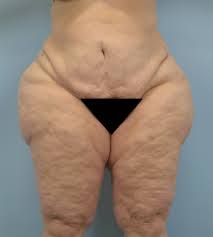
fat image1  fat image 2  fat image 3

The answer is yes.

If you have a body you’re proud of, thanks to hours of lifting weights and watching your diet, you may on occasion show it off by wearing something form fitting, but make sure it’s not TOO constrictive. As a recent news story showed, wearing tight clothing, in this case, “skinny jeans” could land you in the hospital.

Are Your Skinny Jeans TOO Tight?

Recently, a woman donned a pair of skinny jeans to help her friend move to a new apartment. While milling around her friend’s old apartment, she squatted down time after time to pick items up with the skinny jeans hugging her legs. By the end of the day, she could no longer feel her legs because of leg swelling and nerve compression, and fell while walking through a park. When she couldn’t get up, she had to crawl to the side of the road and hail a passing taxi to transport her to the hospital.

Sadly, she went on to spend four days in the hospital getting treatment to repair the damage the form-fitting jeans did to her muscles, nerves, and blood vessels. The swelling in her legs was so pronounced that medical personnel had to cut her skinny jeans off. Lab studies showed she had abnormally high levels of creatine kinase, an enzyme that rises when muscles are damaged.

The diagnosis was rhabdomyolysis and compartment syndrome – a condition marked by the build-up of pressure within a muscle.  When muscles swell inside a space that’s too tight, it can quickly damage tissues by blocking the blood supply they need for survival. Muscles are surrounded by fascia, connective tissue that doesn’t stretch or expand easily. So when pressure builds up, it can’t be easily released. People sometimes develop compartment syndrome when they have an arm or leg in a tight cast and less commonly from wearing clothing that’s too tight. Some people are more prone to developing compartment syndrome because their fascia is overly rigid.

Can Wearing Tight Clothing Cause Nerve Damage?

Compartment syndrome from wearing tight clothing is rare, but what isn’t so rare is a condition called meralgia paresthetica, another health problem caused by, among other things, wearing tight pants. With meralgia paresthetica, the lateral femoral cutaneous nerve that supplies sensation to the outer aspect of the thigh is compressed by constrictive clothing, usually a pair of tight pants. Pregnancy, having diabetes, and being overweight are also risk factors for this condition. Fortunately, damage to the nerve usually isn’t permanent, although surgery may occasionally be needed.

If you wear a compression garment or shapewear that makes your tummy and hips look slimmer for a night out on the town, you’re at higher risk for meralgia paresthetica. Better to tone up those areas through exercise than wear something overly constrictive to push in your hips or tummy.

 Can Tight Clothing Cause Spinal Problems?

Ask a chiropractor and they’ll tell you not to wear clothing that limits movement of your hips and core. Why? Doing so tightens the muscles that support your spine and throws off your postural alignment. A study published in Applied Ergonomics showed wearing tight pants restricts movement of the lower hips and trunk. As a result, the lumbar spine has to work harder to compensate. It’s always risky to limit movement of one part of the kinetic chain since another part has to take up the slack.

It’s not just tight pants that are a problem but tube and pencil skirts that force you to take short steps and place greater stress on your joints. Combine a tube skirt with high heels and you make the problem even worse by throwing off your center of gravity. Your risk of injury is higher too when you slip into a tight tube or pencil skirt. Ever tried to squat down or bend over to pick something up in a narrow skirt? It’s not easy – or safe.

Don’t forget – you may not feel the impact wearing tight clothing has on you right away, unless you develop an acute injury. Think of the risk as being cumulative over time. Keep in mind that anything that alters your natural gait and stride can create back and spine problems over time.

 Digestive Issues and Yeast Infections

Wearing tight clothing around your waist or abdomen increases the pressure inside your abdomen cavity. This pressure pushes up on your diaphragm and can trigger or worsen acid reflux symptoms. So, if you have heartburn, indigestion or bloating after a meal, check to see if your pants are too tight, and if you have on tight clothing, watch how much you eat! Clothing with tight waistbands and belts that constrict your waist or tummy are common culprits as are compression garments like Spanx.

Finally, tight clothing that reduces air flow to your “private parts” place you at greater risk for vaginal yeast infections. When you walk around in tight pants, moisture builds up in your crotch area and serves as a breeding ground for Candida, the fungi that cause yeast infections.

The Bottom Line

Not only is constrictive clothing uncomfortable, it may be hazardous to your health. If you wear something tight, keep it on for the least amount of time possible. Just as you save your stilettos for a special occasion, treat tight clothing the same way. It’s not comfy nor is it healthy. Wearing pants that are tight around the calves is especially risky when it’s warm outside and you’re standing or sitting a lot. The warm weather and standing can cause leg swelling and with tight pants on, your calves can only expand so much, leading to a build-up of pressure.

The take-home message? Be fashionable but sensible about what you put on.

Some clothing-related maladies go by mundane-sounding names that hardly hint at their potential to sicken. For example, a middle-aged or older man whose belly hangs below the waist of his pants may suffer from “tight pants syndrome,” a term coined in a 1993 article by Dr. Octavio Bessa, an internist in Stamford, Conn.

Bessa described a collection of gastrointestinal symptoms including abdominal pain, heartburn and reflux a few hours after meals that he would see in 20 to 25 men every year. The common thread: All wore ill-fitting pants with waistbands several inches smaller than their bellies, Bessa reported in the Archives of Internal Medicine.

Three years later, two diagnostic imaging specialists from Wales described a “sporting variant” of tight-pants syndrome that they linked to tight Neoprene bike shorts worn to prevent muscular injury. Drs. Charles G.F. Robinson and Nigel Jowett recounted how the shorts blocked venous blood flow in the legs of a 25-year-old man after his workout on a stationary bike. The doctors determined he’d suffered deep venous thrombosis (DVT), clotting probably exacerbated by a hip fracture four years earlier.

Despite treatment with blood thinners, the patient later developed a dangerous pulmonary embolism, indicating a clot had traveled to his lungs.

                                                                                                                                                                                                              Pants that are too snug can lead to certain health issues, research suggests. Meaning you can be fit not just overweight.

Women suffer their own tight-pants agonies, too. A gynecological variation can foster yeast infections, pelvic pain, itching and irritations easily mistaken for a sexually transmitted disease. The solution? Looser, cotton clothing.

The way a woman wears her slacks might leave her prone to the breakdown of fatty tissue at the outside of the thighs, called lipoatrophia semicircularis, dermatologists say. “Persistent mechanical pressure” exerted by “strangling folds” of too-tight trousers can impair circulation and set the stage for this condition, especially in women who sit for long periods, according to a study from Chile’s Universidad Andres Bello in the June 2007 Journal of Dermatology.

Wearing tight neckties and shirts with constricting collars can impede blood flow through neck veins and arteries and may affect vision. In a 2003 study of 40 men, half with glaucoma, three minutes with a tightened tie raised eye pressure among the majority of those with and without the disease. Elevated eye pressure is a key element of diagnosing and monitoring glaucoma, a leading cause of blindness.

The lead researcher, Dr. Robert Ritch, a glaucoma specialist at New York Eye and Ear Infirmary, maintained in the study in the British Journal of Ophthalmology that the transient rise in pressure readings “could affect the diagnosis and management of glaucoma.” But several prominent glaucoma specialists said the study failed to establish that transient high pressure from the tightened ties could cause glaucoma.

                                                                                                                                                                                                          Believe it or not but too-tight neckties might impede proper circulation in severe cases, research suggests.

Tight neckties also can limit neck movement and raise muscle tension in the upper back and neck, researchers at Korea’s Yonsei University reported last year in “Work: A Journal of Prevention, Assessment and Rehabilitation.” They tested 30 computer workers when wearing and not wearing tight neckties and concluded that “it is especially important for male workers to select and tie neckties appropriately” to prevent musculoskeletal injuries.

Although clothing-related pain and dysfunction can affect almost everyone, Avitzur said women have a tendency to overlook discomfort, for the sake of appearance. An admitted fashion health victim, Avitzur said she had worn ill-fitting boots and “too-heavy earrings that tore through one of my lobes.”

She got the idea for a blog about skinny jeans while at the office of the plastic surgeon who repaired the damage from her poor earring choice.


References:

Applied Ergonomics xxx (2013) 1e9. “Effects of restrictive clothing on lumbar range of motion and trunk muscle activity in young adult worker manual material handling”

Medical Daily. “Fashion Victim In Tight Pants Experiences Nerve And Muscle Damage: Medical Conditions Caused By Skinny Jeans” June 22, 2015.

ABC News.go.com


QUOTE FOR TUESDAY:

“People are often confronted with feelings of disappointment, frustration and anger as they interact with government officials, co-workers, family and even fellow commuters.”

Larry Greenemeier  (writer)http://www.scientificamerican.com/article/anger-management-self-control/

QUOTE FOR THE WEEKEND:

“TUESDAY, June 25, 2013 (MedPage Today) — A detailed history of patients with arrhythmia or syncope might need to decrease their cola intake or the origin of the honey they consume, two case studies suggest.”

Chris Kaiser, Cardiology Editor, MedPage Today

What is syncope?

       syncope2syncope

Syncope, also known as fainting, is a sudden, temporary loss of consciousness.

THE CAUSES:

Syncope is caused by a temporary decrease in the flow of blood to the brain. A large number of situations or conditions can cause this decrease in blood flow. They can include straining for a prolonged period of time, common mild illnesses like as simple as the cold or flu or sinusitis, standing up too quickly allowing the blood to drop from the brain in decreasing blood supply to that area, emotionally stressed, heart disease, standing rigidly for a long time, arrhythmias (abnormal heart beats = irregular heartbeats), pain, fright, drugs and alcohol.

Certain heart conditions can cause syncope. They include heart attacks, certain arrhythmia (like atrial fibrillation), hypertropic cardiomyopathy (A disease that involves thickening of the heart muscle which is greatest in size on the L side of the heart since that side of the heart has to pump blood to the feet up to the head and back to the right side of the heart; the Rt. side of the heart only pumps blood from the Rt side of the heart to lungs and back to the L side of the heart with oxygenated blood.) Other conditions causing syncope can be disorders of the heart valves, or heart blocks (a problem with the heart’s electrical system blocked due to the conduction system not going completely from the top to the bottom of the heart which can be slight (1st degree heart block to moderate=2 types of 2nd degree heart block to completely being 3rd degree heart block).


DIAGNOSIS:

Like any other condition in determining the cause we have to use diagnostic tools through certain tests to figure out the actual etiology of the syncope or any symptoms you’re experiencing.

The doctor will start with a thorough physical exam and review of your medical history with significant changes from your last physical or visit with the doctor. The doctor may recommend certain diagnostic tests to determine the cause of your fainting episodes. These tests could include: X-rays, use of a Holter monitor (a device that you wear during the day that records the electrical activity over a period of time), or other diagnostic or imaging testing procedures.

Our doctor might recommend a “tilt-table test”. This test involves a special table that tilts upright. Sometimes, medications are given during the test to help with the diagnosis. Your doctor may order a Stress Test where you walk to run on a treadmill with or without IV contrast to determine if this is possible cardiac situation and if it is than the doctor would further order other cardiac testing from Echocardiogram (soundwaves checking the heart) to microsurgery possibly like an angiogram (cardiac cath)=microsurgery if the situation was a blockage in an artery that needed to be declogged than a angioplasty would be performed if you were a candidate for this procedure, which a cardiologist would decide.

PREVENTION OF THIS PROBLEM:

If this was to prevent cardiac conditions from occurring to stop the syncope from occurring live a life with a healthy diet, balancing exercise and rest and if overweight start a program with both diet and exercise involved. To do it right first go to a cardiologist, if obese or overweight, to do it safe and correctly.

Already with some type of cardiac problem than be compliant in what your cardiologist provides you in your individual plan of care in treating this condition to prevent it worsening or causing other problems as well.

TREATMENT:

Treatment depends on the cause of the fainting spells. If the problems are related to medications the doctor may have to change the dosage or the type of medication. Medications are generally not required to treat syncope, but they might be required to treat the cause of syncope.

Most fainting spells are not dangerous. Individuals usually regain consciousness on their own in a few minutes.

QUOTE FOR FRIDAY:

“A Japanese legend says that if you can’t sleep at night it’s because you are awake in someone else’s dream (I must be in many others dreams.).”