John F. Kennedy ((May 29, 1917 – November 22, 1963 35th President of the U.S.)
“If you have a genetic predisposition to ovarian cancer, your doctor may recommend regular pelvic imaging and blood tests to screen for the disease.”
Dr. Edward Tanner (an assistant professor of gynecology and obstetrics at the Johns Hopkins University School of Medicine in Baltimore, Maryland).
“Each case of posttraumatic stress disorder (PTSD) has unique biological, psychological, and social determinants with differing treatment implications. Studies show that a number of medications are helpful in minimizing PTSD symptoms. Most of the time, medications do not entirely eliminate symptoms but provide symptom reduction and could be more effective when used in conjunction with an ongoing program of trauma specific psychotherapy for patients.”
The U.S. Dept. of Veteran Affairs
“PTSD was first brought to public attention in relation to war veterans, but it can result from a variety of traumatic incidents, such as mugging, rape, torture, being kidnapped or held captive, child abuse, car accidents, train wrecks, plane crashes, bombings, or natural disasters such as floods or earthquakes.”
National Institute of Mental Health (NIH)
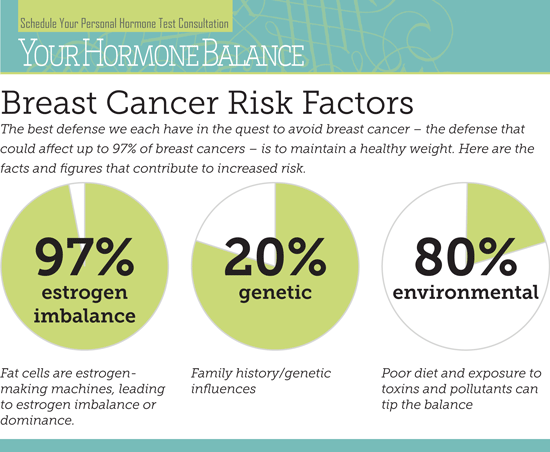
“Some risk factors, like a person’s age or race, can’t be changed. Others are linked to cancer-causing factors in the environment. Still others are related to personal behaviors, such as smoking, drinking, and diet.”
The American Cancer Society
“Once I overcame breast cancer, I wasn’t afraid of anything anymore.”
Melissa Etheridge
Is there a link between birth control pills and breast cancer?
A number of older studies suggested that birth control pills slightly increased the risk of breast cancer, especially among younger women. In these studies, however, 10 years after discontinuing birth control pills women’s risk of breast cancer returned to the same level as that of women who never used oral contraceptives. Current evidence does not support an increase in breast cancer with birth control pills.
Be vigilant about breast cancer detection. If you notice any changes in your breasts, such as a new lump or skin changes, consult your doctor. Also, ask your doctor when to begin mammograms and other screenings.
Once you’ve been diagnosed with breast cancer, your doctor works to find out the specifics of your tumor. Using a tissue sample from your breast biopsy or using your tumor if you’ve already undergone surgery, your medical team determines your breast cancer type. This information helps your doctor decide which treatment options are most appropriate for you.
Here’s what’s used to determine your breast cancer type.
Whether your cancer is invasive or noninvasive helps your doctor determine whether your cancer may have spread beyond your breast, which treatments are more appropriate for you, and your risk of developing cancer in the same breast or your other breast.
The type of tissue where your breast cancer arises determines how the cancer behaves and what treatments are most effective. Parts of the breast where cancer begins include:
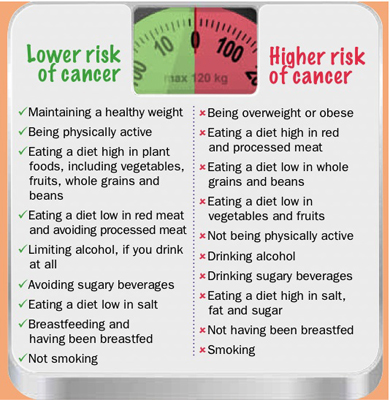
“Staying at a healthy weight, being physically active, and limiting how much alcohol you drink can help reduce your risk of breast cancer.”
American Cancer Society
Breast cancer is cancer that forms in the cells of the breasts.
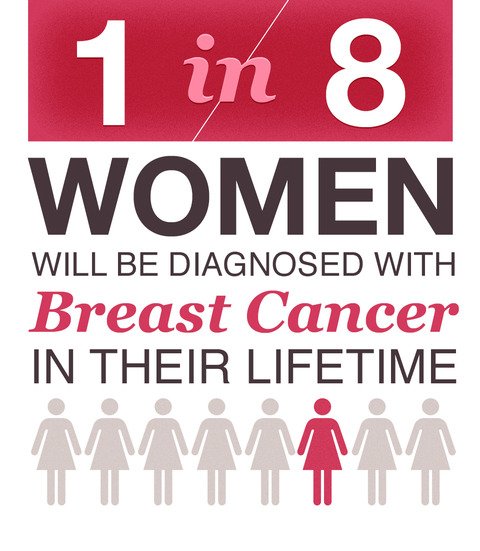
After skin cancer, breast cancer is the most common cancer diagnosed in women in the United States. Breast cancer can occur in both men and women, but it’s far more common in women.
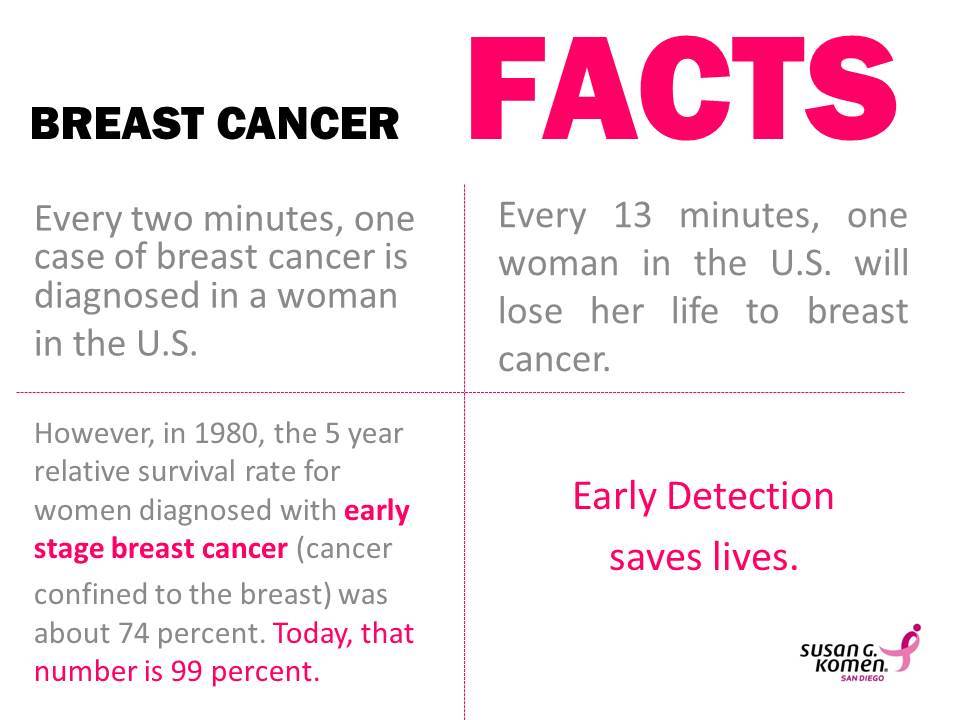
Public support for breast cancer awareness and research funding has helped improve the diagnosis and treatment of breast cancer. Breast cancer survival rates have increased, and the number of deaths has been declining, thanks to a number of factors such as earlier detection, new treatments and a better understanding of the disease.
Breast Cancer affects everyone. Every year, over 200,000 women are diagnosed with new cases of Breast Cancer in the United States, and over 39,000 women will lose their fight with this terrible disease. Having experienced the effects that cancer has on both the victim and their loved ones support is so important by family and significant ones in our lives.
The Breast Cancer Awareness Month, marked in countries across the world every October, helps to increase attention and support for the awareness, early detection and treatment as well as palliative care of this disease.
There are about 1.38 million new cases and 458 000 deaths from breast cancer each year (IARC Globocan, 2008). Breast cancer is by far the most common cancer in women worldwide, both in the developed and developing countries. In low- and middle-income countries the incidence has been rising up steadily in the last years due to increase in life expectancy, increase urbanization and adoption of western lifestyles.
Currently there is not sufficient knowledge on the causes of breast cancer, therefore, early detection of the disease remains the cornerstone of breast cancer control. When breast cancer is detected early, and if adequate diagnosis and treatment are available, there is a good chance that breast cancer can be cured. If detected late, however, curative treatment is often no longer an option. In such cases, palliative care to relief the suffering of patients and their families is needed.
The majority of deaths (269 000) occur in low- and middle-income countries, where most women with breast cancer are diagnosed in late stages due mainly to lack of awareness on early detection and barriers to health services.
Here is another thing to help breast cancer patients National Breast Cancer Awareness Month is a chance to raise awareness about the importance of early detection of breast cancer. Make a difference! Spread the word about mammograms and encourage communities, organizations, families, and individuals to get involved.
In the first phases, the breast cancer has no evident signs and symptoms and it differ in folks from lumps to swelling and alterations in the pores and skin. A lump also modest which is felt does not cause any strange changes and it is unnoticed. Nevertheless, in a lot of circumstances visual appeal of new lump or a mass is the 1st indicator discovered. The lump may possibly be difficult to contact with uneven edges and they are painless. But there are cases the lump is really tender, spherical edged and soft. More lumps are painless. Breast Most cancers Signs and symptoms are: Swelling of element of the breast or all areas Pores and skin irritation in the breast. Nipple pain, Nipple begins to switch inward (inverted) slowly and gradually Breast pain.
Breast cancer prevention starts with healthy habits — such as limiting alcohol and staying physically active. Understand what you can do to reduce your breast cancer risk.
If you’re concerned about breast cancer, you may be wondering if there are steps you can take toward breast cancer prevention. Some risk factors, such as family history, can’t be changed. However, there are lifestyle changes you can make to lower your risk.
What can I do to reduce my risk of breast cancer?
Lifestyle changes have been shown in studies to decrease breast cancer risk even in high-risk women. The following are steps you can take to lower your risk:
“When you exhaust all possibilities remember this: You haven’t!”
Thomas Edison (Inventor and Businessman)