“In the heart we have a natural pacemaker of the heart which is called a Sinus Node.”
American Heart Association
“In the heart we have a natural pacemaker of the heart which is called a Sinus Node.”
American Heart Association
Atrial Fibrillation with RVR (rapid ventricular rate) is a major cause of stroke, especially in the elderly. Although the causes are diverse, hypertension is common.
AHA (American Heart Association)
“Get plenty of aerobic exercise, at least 20 minutes every other day,”
Professor Klemm who is the author the book Memory Power 101.
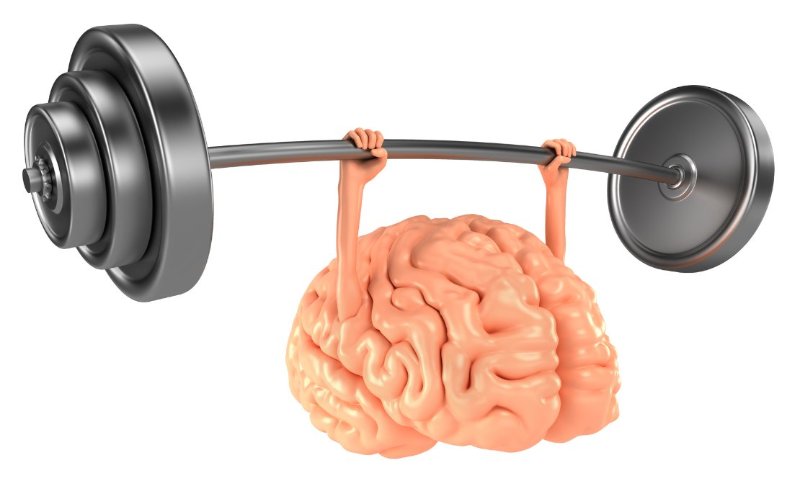
Ways to keep your brain sharp as a tack despite the brain shrinking as we grow older
– Get plenty of aerobic exercise, at least 20 minutes every other day,” said Professor Klemm who is the author the book Memory Power 101.
People who stay physically fit tend to stay mentally sharp and hold their cognitive abilities well into their seventies and eighties. A 2012 study of 691 seniors in the journal Neurology found that seniors who reported high levels of physical activity at age 70 had less brain shrinkage at age 73 than seniors who reported less physical activity. Exercise may decrease memory loss by improving blood flow to the brain.
– Brain Exercise
Train your attentiveness and focus. The most common mental problem with aging is distractibility, which inevitably interferes with memory. An example is when you open the refrigerator door and suddenly realize you forgot what you went to the fridge for,” said Klemm. He recommends challenging your brain with games like chess or Sudoku. Dr. Gandy recommends
– Learn a New Skill
Some research shows that learning a new language or learning to play a musical instrument may help prevent memory loss and improve cognitive abilities. A 2011 study published in the journal Neuropsychology found that people who had instrumental musical training retained their memory and had
The study included 70 seniors between age 60 and 83. The study found that the more years of musical training a person had, the better their cognitive performance was with age.
– Be More Sociable
Klemm and Gandy agree that social engagement is important in preventing memory loss. “Social engagement, along with physical and mental stimulation, all release substances in the brain that strengthen nerve connections called synapses,” said Gandy. A 2012 study published in the journal Neuropsychology followed 952 seniors for 12 years to see if
Social engagement protected seniors from memory loss and decline in communication skills. They concluded that being socially active reduced these declines and that seniors who showed declines tended to become less socially engaged.
– Get Your Antioxidants

Composition of human brain model and world map
Antioxidant vitamins may benefit memory byblocking free radicals that contribute to cell aging. Over the years, some large studies have found that antioxidant vitamins C and E may protect against cognitive decline. Gandy said that vitamins could help but cautions that they only help in cases of vitamin deficiency. You can also get plenty of antioxidants naturally in your diet. “They’re in any dark-colored fruit, berry, or vegetable. Also, take vitamin D3 and resveratrol pills,” advised Klemm.
– Learn to Meditate
Stress and anxiety may decrease memory and cognitive ability, so take steps to reduce these negatives. “Take up meditation, yoga, or another type of mind-body exercise that reduces stress,” said Klemm. A 2010 study in the journal Consciousness and Cognition found that just four days of meditation training could significantly
To reduce anxiety and improve memory and cognition. In the study, 24 volunteers took meditation training and 25 listened to a recorded book. Both groups had improved mood, but the meditation group also had better memory, less stress, and clearer thinking.
The gradual mental decline that typically begins in middle age — what some refer to as “getting rusty” — is largely due to altered connections between brain cells. Putting your brain to work on new and different challenges can help build up those neural connections. It’s frequently referred to as the “use it or lose it” principle.
“There is data that suggests keeping your mind active is important,” said Dr. Burns. Scientific evidence linking low levels of education to a higher risk of Alzheimer’s later in life further supports the idea that mental stimulation keeps the mind sharper longer. “We need to develop tools or exercises that will keep the brain from deteriorating,” said Dr. Burns.
Research has suggested that certain activities such as reading, puzzles and crafts may reduce the risk of mild cognitive impairment, which could signal the onset of Alzheimer’s.

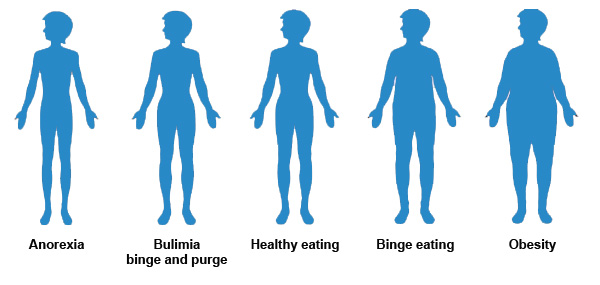
Medical Complications of Anorexia Nervosa:
Medical Complications of Bulimia Nervosa:
For Treatment:
First know the red flags. Red flags that may indicate an eating disorder include:
When to see a doctor
Because of its powerful pull, an eating disorder can be difficult to manage or overcome by yourself. Eating disorders can virtually take over your life. You may think about food all the time, spend hours agonizing over what to eat and exercise to exhaustion. You may feel ashamed, sad, hopeless, drained, irritable and anxious. You may also have a host of physical problems because of your eating disorder, such as irregular heartbeats, fatigue, and bowel or menstrual troubles. If you’re experiencing any of these problems, or if you think you may have an eating disorder, seek medical help.
Urging a loved one to seek treatment
“It is necessary to help others, not only in prayer, but in our daily lives. If we find we cannot help others, the least we can do is to desist from harming them.”
Dalai Lama
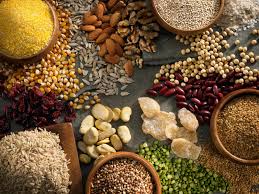
“Phytic acid is a natural plant antioxidant constituting 1–5% of most cereals, nuts, legumes, oil seeds, pollen and spores. By virtue of forming a unique iron chelate it suppresses iron-catalyzed oxidative reactions and may serve a potent antioxidant function in the preservation of seeds.”
Copyright © 2015 Elsevier B.V. or its licensors or contributors. ScienceDirect® is a registered trademark of Elsevier B.V.
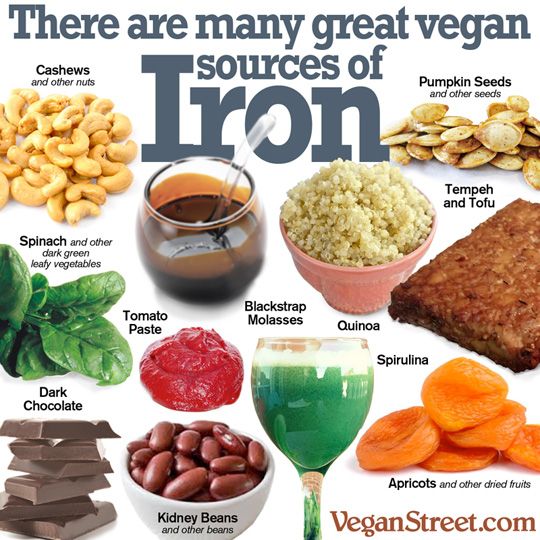
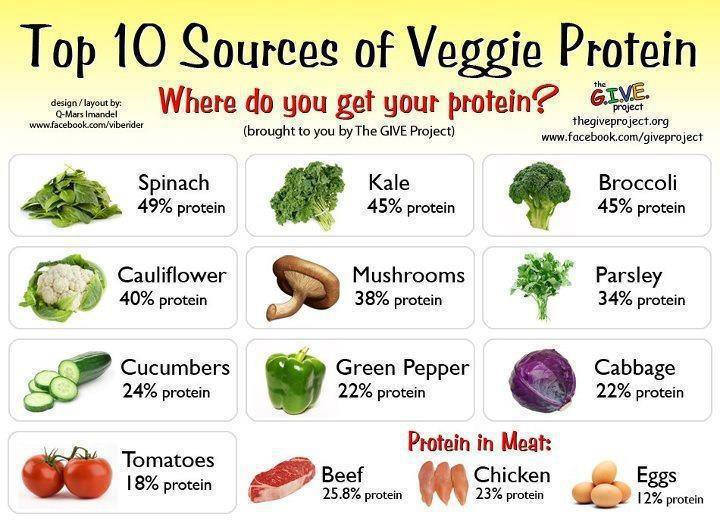

Look at medical proof, in July 2011 by online publication of Nature, investigated why Arabidopsis does its major stem-growing in the dark—a pattern common to most plants. Biologist Steve Kay and colleagues at the University of California, San Diego, report that a specific trio of proteins regulates the rhythm in Arabidopsis stems. Arabidopsis thaliana helped scientists not very long ago too unearth new clues about the daily cycles of many organisms, including humans. This is the latest in a long line of research, much of it supported by the National Institutes of Health, that uses plants to solve puzzles in human health. While other model organisms may seem to have more in common with us, greens like Arabidopsis provide an important view into genetics, cell division and especially light sensing, which drives 24-hour behavioral cycles called circadian rhythms.
Some human cells, including cancer cells, divide with a 24-hour rhythm. One of the main human circadian rhythm genes, cryptochrome, has been associated with diabetes and depression. Both of these discoveries grew from work with plants.
The Arabidopsis Thaliana Plant
T group of proteins, called the evening complex, interacts in the early evening to silence two genes that usually promote plant growth. When the evening complex’s activity trails off a few hours before dawn, proteins release the brakes on growth and plants enter their nightly phase of rapid stem elongation.
When Kay’s team mutated the three genes that code for the evening complex, they noticed that this made the Arabidopsis biological clock run out of sync—stems grew unusually long and flowered early.
Scientists aren’t yet certain why night is the best time for stems to grow, but Kay speculates it has to do with using resources efficiently. Plants pick up carbon and nitrogen during the day, then store these essential nutrients as starch and proteins. “In the later night, they can release these resources in a coordinated fashion to provide the building blocks for stem growth,” says Kay. “
Our understanding of human health and the role of clocks in health and disease can greatly benefit from studying how clocks work in plants,” he adds.
Scientists like Kay are interested in answering basic biological questions, but others who work with plants have their eyes on future disease therapies. Plant-based molecules, for instance, are being used to target reservoirs of HIV that hide out in their hosts. At the University of California, Berkeley, chemist Jay Keasling is looking for simple ways to get microbes to produce greater quantities of these plant-based molecules at lower cost.
How plants like Arabidopsis suppress harmful genes may also help improve HIV therapies. A team of biologists led by Craig Pikaard at Washington University in St. Louis is investigating RNA polymerases, chemicals important in determining which genes get switched on, to learn how plants silence harmful virus-derived genes. Similar silencing pathways could be harnessed for HIV therapies.
More generally, scientists are looking toward plants as a medicinal source. Chemist Sarah O’Connor at MIT is genetically engineering periwinkle plants, the natural source of the anticancer drug vinblastine, to produce variations of the drug with halogens attached. Halogens make some medicines last longer in the body, meaning that probing periwinkle’s capabilities could make cancer treatments more effective.
Plant compounds present in carrots and parsley may one day support more effective delivery of chemotherapy treatments, new research has found. Specific plant compounds are able to inhibit transport mechanisms in the body that select what compounds are absorbed into the body, and eventually into cells. These same transport mechanisms are known to interfere with cancer chemotherapy treatment.
Some further examples of good compounds coming from plants for human lives are:
Flavonoids are one class of secondary plant metabolites that are also known as Vitamin P or citrin. These metabolites are mostly used in plants to produce yellow and other pigments which play a big role in coloring the plants. In addition, Flavonoids are readily ingested by humans and they seem to display important anti-inflammatory, anti-allergic and anti-cancer activities. Flavonoids are also found to be powerful anti-oxidants and researchers are looking into their ability to prevent cancer and cardiovascular diseases. Flavonoids help prevent cancer by inducing certain mechanisms that may help to kill cancer cells, and researches believe that when the body processes extra flavonoid compounds, it triggers specific enzymes that fight carcinogens. Good dietary sources of Flavonoids are all citrus fruits, which contain the specific flavanoids hesperidins, quercitrin, rutin, berries, tea, dark chocolate and red wine that includes many of the health benefits attributed to these foods come from the Flavonoids they contain.
Phytic acid is the main method of phosphorus storage in plant seeds, but is not readily absorbed by many animals (only absorbed by ruminant animals). Not only is phytic acid a phosphorus storage unit, but it also is a source of energy and cations, a natural antioxidant for plants, and can be a source of mycoinositol which is one of the preliminary pieces for cell walls.
Phytic acid is also known to bond with many different minerals, and by doing so prevents those minerals from being absorbed; making phytic acid an anti-nutrient. There is a lot of concern with phytic acids in nuts and seeds because of its anti-nutrient characteristics. In preparing foods with high phytic acid concentrations, it is recommended they be soaked in after being ground to increase the surface area. Soaking allows the seed to undergo germination which increases the availability of vitamins and nutrient, while reducing phytic acid and protease inhibitors ultimately increasing the nutritional value. Cooking can also reduce the amount of phytic acid in food but soaking is much more effective.
Phytic acid is an antioxidant found in plant cells that most likely serves the purpose of preservation. This preservation is removed when soaked, reducing the phytic acid and allowing the germination and growth of the seed.
Atropine is a type of secondary metabolite called a tropane alkaloid. Alkaloids contain nitrogens, frequently in a ring structure, and are derived from amino acids. Tropane is an organic compound containing nitrogen and it is from tropane that atropine is derived. Atropine is synthesized by a reaction between tropine and tropate, catalyzed by atropinase. Within Atropa belladonna atropine synthesis has been found to take place primarily in the root of the plant. The concentration of synthetic sites within the plant is indicative of the nature of secondary metabolites.
Gossypol has a yellow pigment and is found in cotton plants. It occurs mainly in the root and/or seeds of different species of cotton plants. Gossypol can have various chemical structures. It can exist in three forms: gossypol, gossypol acetic acid, and gossypol formic acid. All of these forms have very similar biological properties. Gossypol is a type of aldehyde, meaning that it has a formyl group. The formation of gossypol occurs through an isoprenoid pathway. Isoprenoid pathways are common among secondary metabolites. 3Gossypol’s main function in the cotton plant is to act as an enzyme inhibitor. An example of gossypol’s enzyme inhibition is its ability to inhibit nicotinamide adenine dinucleotide-linked enzymes of Trypanosoma cruzi. Trypanosoma cruzi is a parasite which causes Chaga’s disease.
For some time it was believed that gossypol was merely a waste product produced during the processing of cottonseed products. Extensive studies have shown that gossypol has other functions. Many of the more popular studies on gossypol discuss how it can act as a male contraceptive. Gossypol has also been linked to causing hypokalemic paralysis. Hypokalemic paralysis is a disease characterized by muscle weakness or paralysis with a matching fall in potassium levels in the blood. Hypokalemic paralysis associated with gossypol in-take usually occurs in March, when vegetables are in short supply, and in September, when people are sweating a lot. This side effect of gossypol in-take is very rare however. Gossypol induced hypokalemic paralysis is easily treatable with potassium repletion.
Believe or not, plants enhanced our lives.
Tune in tomorrow of specific names of compounds in foods we eat to help your health derived from plants.
“People who train to be cooperative extension Master Gardeners report that they stay with the program because it improves self-esteem, offers continued learning opportunities, the chance to help and feel a connection to other people, to feel a sense of purpose, and a way to develop skills for employment .”
Schrock, D.S., M. Meyer, P.Ascher-Reasons for becoming involved as a Master Gardener. HortTechnology.