QUOTE FOR MONDAY:

“It is necessary to help others, not only in prayer, but in our daily lives.  If we find we cannot help others, the least we can do is to desist from harming them.”

Dalai Lama


QUOTE FOR THE WEEKEND:

“Phytic acid is a natural plant antioxidant constituting 1–5% of most cereals, nuts, legumes, oil seeds, pollen and spores. By virtue of forming a unique iron chelate it suppresses iron-catalyzed oxidative reactions and may serve a potent antioxidant function in the preservation of seeds.”

Copyright © 2015 Elsevier B.V. or its licensors or contributors. ScienceDirect® is a registered trademark of Elsevier B.V.


Part II Plants can enhance our lives both mentally and physically.

Look at medical proof, in July 2011 by online publication of Nature, investigated why Arabidopsis does its major stem-growing in the dark—a pattern common to most plants. Biologist Steve Kay and colleagues at the University of California, San Diego, report that a specific trio of proteins regulates the rhythm in Arabidopsis stems.  Arabidopsis thaliana helped scientists not very long ago too unearth new clues about the daily cycles of many organisms, including humans. This is the latest in a long line of research, much of it supported by the National Institutes of Health, that uses plants to solve puzzles in human health.  While other model organisms may seem to have more in common with us, greens like Arabidopsis provide an important view into genetics, cell division and especially light sensing, which drives 24-hour behavioral cycles called circadian rhythms.

Some human cells, including cancer cells, divide with a 24-hour rhythm. One of the main human circadian rhythm genes, cryptochrome, has been associated with diabetes and depression. Both of these discoveries grew from work with plants.

The Arabidopsis Thaliana Plant

T group of proteins, called the evening complex, interacts in the early evening to silence two genes that usually promote plant growth. When the evening complex’s activity trails off a few hours before dawn, proteins release the brakes on growth and plants enter their nightly phase of rapid stem elongation.

When Kay’s team mutated the three genes that code for the evening complex, they noticed that this made the Arabidopsis biological clock run out of sync—stems grew unusually long and flowered early.

Scientists aren’t yet certain why night is the best time for stems to grow, but Kay speculates it has to do with using resources efficiently. Plants pick up carbon and nitrogen during the day, then store these essential nutrients as starch and proteins. “In the later night, they can release these resources in a coordinated fashion to provide the building blocks for stem growth,” says Kay.  “

Our understanding of human health and the role of clocks in health and disease can greatly benefit from studying how clocks work in plants,” he adds.

Scientists like Kay are interested in answering basic biological questions, but others who work with plants have their eyes on future disease therapies. Plant-based molecules, for instance, are being used to target reservoirs of HIV that hide out in their hosts. At the University of California, Berkeley, chemist Jay Keasling is looking for simple ways to get microbes to produce greater quantities of these plant-based molecules at lower cost.

How plants like Arabidopsis suppress harmful genes may also help improve HIV therapies. A team of biologists led by Craig Pikaard at Washington University in St. Louis is investigating RNA polymerases, chemicals important in determining which genes get switched on, to learn how plants silence harmful virus-derived genes. Similar silencing pathways could be harnessed for HIV therapies.

More generally, scientists are looking toward plants as a medicinal source. Chemist Sarah O’Connor at MIT is genetically engineering periwinkle plants, the natural source of the anticancer drug vinblastine, to produce variations of the drug with halogens attached. Halogens make some medicines last longer in the body, meaning that probing periwinkle’s capabilities could make cancer treatments more effective.

Plant compounds present in carrots and parsley may one day support more effective delivery of chemotherapy treatments, new research has found. Specific plant compounds are able to inhibit transport mechanisms in the body that select what compounds are absorbed into the body, and eventually into cells. These same transport mechanisms are known to interfere with cancer chemotherapy treatment.

Some further examples of good compounds coming from plants for human lives are:

Flavonoids are one class of secondary plant metabolites that are also known as Vitamin P or citrin. These metabolites are mostly used in plants to produce yellow and other pigments which play a big role in coloring the plants. In addition, Flavonoids are readily ingested by humans and they seem to display important anti-inflammatory, anti-allergic and anti-cancer activities. Flavonoids are also found to be powerful anti-oxidants and researchers are looking into their ability to prevent cancer and cardiovascular diseases. Flavonoids help prevent cancer by inducing certain mechanisms that may help to kill cancer cells, and researches believe that when the body processes extra flavonoid compounds, it triggers specific enzymes that fight carcinogens. Good dietary sources of Flavonoids are all citrus fruits, which contain the specific flavanoids hesperidins, quercitrin, rutin, berries, tea, dark chocolate and red wine that includes many of the health benefits attributed to these foods come from the Flavonoids they contain.

Phytic acid is the main method of phosphorus storage in plant seeds, but is not readily absorbed by many animals (only absorbed by ruminant animals). Not only is phytic acid a phosphorus storage unit, but it also is a source of energy and cations, a natural antioxidant for plants, and can be a source of mycoinositol which is one of the preliminary pieces for cell walls.

Phytic acid is also known to bond with many different minerals, and by doing so prevents those minerals from being absorbed; making phytic acid an anti-nutrient. There is a lot of concern with phytic acids in nuts and seeds because of its anti-nutrient characteristics. In preparing foods with high phytic acid concentrations, it is recommended they be soaked in after being ground to increase the surface area. Soaking allows the seed to undergo germination which increases the availability of vitamins and nutrient, while reducing phytic acid and protease inhibitors ultimately increasing the nutritional value. Cooking can also reduce the amount of phytic acid in food but soaking is much more effective.

Phytic acid is an antioxidant found in plant cells that most likely serves the purpose of preservation. This preservation is removed when soaked, reducing the phytic acid and allowing the germination and growth of the seed.

Atropine is a type of secondary metabolite called a tropane alkaloid. Alkaloids contain nitrogens, frequently in a ring structure, and are derived from amino acids. Tropane is an organic compound containing nitrogen and it is from tropane that atropine is derived. Atropine is synthesized by a reaction between tropine and tropate, catalyzed by atropinase. Within Atropa belladonna atropine synthesis has been found to take place primarily in the root of the plant. The concentration of synthetic sites within the plant is indicative of the nature of secondary metabolites.

Gossypol has a yellow pigment and is found in cotton plants. It occurs mainly in the root and/or seeds of different species of cotton plants.  Gossypol can have various chemical structures. It can exist in three forms: gossypol, gossypol acetic acid, and gossypol formic acid. All of these forms have very similar biological properties. Gossypol is a type of aldehyde, meaning that it has a formyl group. The formation of gossypol occurs through an isoprenoid pathway. Isoprenoid pathways are common among secondary metabolites.  3Gossypol’s main function in the cotton plant is to act as an enzyme inhibitor. An example of gossypol’s enzyme inhibition is its ability to inhibit nicotinamide adenine dinucleotide-linked enzymes of Trypanosoma cruzi. Trypanosoma cruzi is a parasite which causes Chaga’s disease.

For some time it was believed that gossypol was merely a waste product produced during the processing of cottonseed products. Extensive studies have shown that gossypol has other functions. Many of the more popular studies on gossypol discuss how it can act as a male contraceptive. Gossypol has also been linked to causing hypokalemic paralysis. Hypokalemic paralysis is a disease characterized by muscle weakness or paralysis with a matching fall in potassium levels in the blood. Hypokalemic paralysis associated with gossypol in-take usually occurs in March, when vegetables are in short supply, and in September, when people are sweating a lot. This side effect of gossypol in-take is very rare however. Gossypol induced hypokalemic paralysis is easily treatable with potassium repletion.

Believe or not, plants enhanced our lives.

Tune in tomorrow of specific names of compounds in foods we eat to help your health derived from plants.


QUOTE FOR FRIDAY:

“People who train to be cooperative extension Master Gardeners report that they stay with the program because it improves self-esteem, offers continued learning opportunities, the chance to help and feel a connection to other people, to feel a sense of purpose, and a way to develop skills for employment .”

Schrock, D.S., M. Meyer, P.Ascher-Reasons for becoming involved as a Master Gardener. HortTechnology.

QUOTE FOR THURSDAY:

“Viruses associated with most VHFs-Viral Hemmohagic Fevers are zoonotic. This means that these viruses naturally reside in an animal reservoir host or arthropod vector. They are totally dependent on their hosts for replication and overall survival.  For the most part, rodents and arthropods are the main reservoirs for viruses causing VHFs.”
CDC Centers for Disease Prevention and Control

QUOTE FOR WEDNESDAY:

“We now know that INSULIN is also a master multitasker: it helps neurons, particularly in the hippocampus and frontal lobe of the brain, take up glucose for energy, and it also regulates neurotransmitters, like acetylcholine, which are crucial for memory and learning. What is effected with Alzheimer’s disease? Your memory and learning, So your diet plays a big role in Alzheimer’s disease.”
 
Dr. Mericola (a physician who founded Mercola.com (Mercola.com is now the world’s top natural health resource site, with over 1.5 million subscribers.)

What is the theory behind Brain Diabetes=Type III Diabetes Mellitus.

At one time Alzheimer’s disease was a disease considered with unknown etiology (or cause).  Today it is considered different in the eyes of many in the medical profession.  By a Dr. Mercola a physician who founded Mercola.com (Mercola.com is now the world’s top natural health resource site, with over 1.5 million subscribers.) feels this about Alzheimer’s disease:  “The cause of the debilitating, and fatal, brain disease Alzheimer’s is conventionally said to be a mystery.”

While we know that certain diseases, like type 2 diabetes, are definitively connected to the foods you eat, Alzheimer’s is generally thought to strike without warning or reason.

That is, until recently.

Now, a growing body of research suggests there may be a powerful connection between the foods you eat and your risk of Alzheimer’s disease and dementia, via similar pathways that cause type 2 diabetes.  Some have even re-named Alzheimer’s as “type 3 diabetes.””

Can You Eat Your Way to Alzheimer’s?

In a recent animal study, researchers from Brown University in Providence, Rhode Island were able to induce many of the characteristic brain changes seen with Alzheimer’s disease (disorientation, confusion, inability to learn and remember) by interfering with insulin signaling in their brains.

Know that faulty insulin (and leptin, another hormone) signaling is an underlying cause for insulin resistance, which, of course, typically leads to type 2 diabetes. However, while insulin is usually associated with its role in keeping your blood sugar levels in a healthy range, it also plays a role in brain signaling. When researchers disrupted the proper signaling of insulin in the brain, it resulted in dementia.

What does this have to do with your diet?  Let us go back to one of my articles on diabetes and how it impacts your diet.  It states “The foods we eat that contain starches, carbohydrates, calories are made up of sugar.  When food reaches our stomach in time digestion starts to take place where these foods are broken down in the stomach into individual or complex sugar molecules ( glucose being one of the most common and important ones).  The glucose then passes from our stomach into our bloodstream when it reaches the liver 60 to 80 % of the glucose gets stored in that organ turning glucose into inactive glucose that’s converted to glycogen.  The purpose for glycogen is when our glucose is low and our body needing energy we have this extra stored sugar, glycogen,  to rely on.  This is done by the liver which allows the sugar to be stored and released back into the bloodstream if we need it=energy,  since nothing is in our stomach at that time, in that case scenario).  When glucose=an active sugar, it is our energy for our cells and tissues and is a sugar ready to be utilized by the body where it is needed,  by many organs.  Think of a car for one moment, and what makes it run?  That would be gas/fuel for it to function.  The same principle with glucose in your bloodstream=fuel for the human body so we can function, for without it we wouldn’t survive.  That is the problem with a person that has diabetes.  They eat, they break the food down, the glucose gets in the blood but the glucose fuel can’t be used due to lack of or NO insulin at all.  Insulin allows glucose to pass into our cells and tissues to be used as energy/fuel for the body parts to work.  Glucose is used as the principle source of energy (It is used by the brain for energy, the muscles for both energy and some storage, liver for more glucose storage=that is where glucose is converted to glycogen, and even stored in fat tissue using it for triglyceride production).  Glucose does get sent to other organs for more storage, as well.  Insulin plays that vital role in allowing glucose to be distributed throughout the body.  Without insulin the glucose has nowhere to go.”

So how does this impact your brain thinking?   “This new focus on the Alzheimer’s/Diabetes/Insulin connection follows a growing recognition of insulin’s role in the brain. Until recently, the hormone was typecast as a regulator of blood sugar, giving the cue for muscles, liver and fat cells to extract sugar from the blood and either use it for energy or store it as fat. We now know that it is also a master multitasker: it helps neurons, particularly in the hippocampus and frontal lobe, take up glucose for energy, and it also regulates neurotransmitters, like acetylcholine, which are crucial for memory and learning.”  What is effected with Alzheimer’s disease? Your memory and learning,  So your diet plays a big role in Alzheimer’s disease.”                                                                                        

Over-consumption of sugars and grains is what ultimately causes your body to be incapable of “hearing” the proper signals from insulin and leptin, leaving you insulin resistant in both body and brain.  Alzheimer’s disease was tentatively dubbed “type 3 diabetes” in early 2005 when researchers learned that the pancreas is not the only organ that produces insulin. Your brain also produces insulin, and this brain insulin is necessary for the survival of your brain cells.

If You Have Diabetes, Your Risk of Alzheimer’s Increases Dramatically

Diabetes is linked to a 65 percent increased risk of developing Alzheimer’s, which may be due, in part, because insulin resistance and/or diabetes appear to accelerate the development of plaque in your brain, which is a hallmark of Alzheimer’s. Separate research has found that impaired insulin response was associated with a 30 percent higher risk of Alzheimer’s disease, and overall dementia and cognitive risks were associated with high fasting serum insulin, insulin resistance, impaired insulin secretion and glucose intolerance.

A drop in insulin production in your brain may contribute to the degeneration of your brain cells, mainly by depriving them of glucose, and studies have found that people with lower levels of insulin and insulin receptors in their brain often have Alzheimer’s disease (people with type 2 diabetes often wind up with low levels of insulin in their brains as well). As explained in New Scientist, which highlighted this latest research:

What’s more, it encourages the process through which neurons change shape, make new connections and strengthen others. And it is important for the function and growth of blood vessels, which supply the brain with oxygen and glucose.

As a result, reducing the level of insulin in the brain can immediately impair cognition. Spatial memory, in particular, seems to suffer when you block insulin uptake in the hippocampus… Conversely, a boost of insulin seems to improve its functioning.

When people frequently gorge on fatty, sugary food, their insulin spikes repeatedly until it sticks at a high level. Muscle, liver and fat cells then stop responding to the hormone, meaning they don’t mop up glucose and fat in the blood. As a result, the pancreas desperately works overtime to make more insulin to control the glucose – and levels of the two molecules skyrocket.

The pancreas can’t keep up with the demand indefinitely, however, and as time passes people with type 2 diabetes often end up with abnormally low levels of insulin.”

QUOTE FOR TUESDAY:

“From large epidemiological studies, it has been demonstrated that both vascular and Alzheimer’s dementia are more common in patients with type 2 diabetes”=Brain Diabetes

American Diabetes Association

A Healthy Heart Expands Your Life by Far.

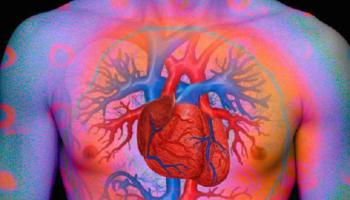
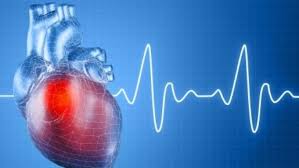
The heart is like the engine to a car but for us it’s the “pump” for the human body; without the engine the car won’t run and without the pump we won’t live.  The normal size of the heart is about the size of your fist, maybe a little bigger.  It pumps blood continuously through your entire circulatory system.  The heart consists of four chambers, 2 on the right and 2 on the left.  The right side only pumps high carbon dioxide levels of blood, after all the oxygen was used by the tissues and returns to the heart in the right upper chamber and leaves to the lung from the right lower chamber.  From the lungs it than goes to the left side of the heart now, which is a very short distance as opposed to where the left side pumps the blood.  The L side of the heart pumps blood to the feet, brain and all tissues in between with high oxygen levels of blood.   This is why the L side of the heart does more work than the R side since the blood leaving the L side has a longer distance in distributing oxygen.  The heart pumps the blood with high oxygen blood levels to reach all your tissues and cells, going to the feet, brain, and to all other tissues in between returning home again to the right side of the heart (upper chamber) to get sent to the lungs again for more oxygen.  This is why the muscle on the L side of the heart is larger than the right, it works harder.  Every time your heart beats (the sound we call lub dub) the organ is sending out a cardiac output of blood either to the lungs for more oxygen or to the body tissues through the aorta to give oxygenated blood to your tissues and cells.  This is the mechanics of how the heart works in our body.

Let’s see what can occur if the heart doesn’t function properly.  If your heart is not pumping out a sufficient amount in your cardiac output to either the lungs (from rt. Side) or to the tissues (from the lt. side) than it tries to work harder where it does ok at first but over time weakens.  As this weak heart struggles to pump blood the muscle fibers of the heart stretch.  Over time, this stretching leaves the heart with larger, weaker chambers.  The heart enlarges (cardiomegaly).   If this continues to go on this could go into R or L sided heart failure.  When this happens, blood that should be pumped out of the heart backs up in the lungs (L sided failure) or in the tissues (R sided failure).  The side the failure is on doesn’t allow proper filling of the chambers on that side and back up happens; so if on the L the fluids back up in the lungs or the R the fluids first back up in the veins which can expand to hold extra blood but at some point dump the extra fluids in your tissues (This is edema in feet first due to gravity).   This is all due to overloading of the blood not filling up in the chambers of the heart to make a good cardiac output of blood and in time the fluid backs up (bad pumping=backup of blood=fluid overload in the lungs (pulmonary congestion) to fluid staying in the skin (first the lower extremities due to gravity=feet which we call edema working its way up the legs.).  This condition in time with no treatment will go into congestive heart failure (CHF) to the other side of the heart if not controlled.  CHF can range from mild to severe.   There is 670,000 cases are diagnosed with this every year and is the leading cause of hospitalization in people over 65 y/o.  Causes of CHF are: heart attack, CAD (coronary artery disease), cardiomyopathy, conditions that overwork the heart like high blood pressure, diabetes and obesity (These diseases can be completely preventable or at least well controlled).

There is many of us in this world with knowing how our activity/exercise, eating, and habits could be better for health but do little action if any on our own to change it, which is a large part for certain diseases being so high in America (diabetes, stroke, cardiac diseases=high blood pressure, atherosclerosis, arteriosclerosis to CHF and more).  If people were more healthier and more active regarding these diseases alone it would decrease in population creating a positive impact on how our health system with insurance presently (a disaster) with our economy for many could get better.  A healthy heart can pump to all parts of the body in a few seconds which is good cardiac output from the organ but when it gets hard for the heart to keep up with its regular routine it first compensates to eventually it decompensates causing ischemia (lack of oxygen to the heart tissue).  It’s like any tissue in the body, lack of oxygen=lack of nutrients to the body tissue=STARVATION and with lack of oxygen will come PAIN eventually to death if not treated.  Take the heart, if it isn’t getting enough oxygen it can go into angina.  That is reversible since it is heart pain due to not enough oxygen to the heart tissue=no damage but if left untreated what will occur is a heart attack=myocardial infarction (MI) and is permanent damage because scarring to the heart tissue takes place.

Let’s understand what the heart can develop over time with an unhealthy heart due to bad health habits.  If you are eating too much for too long foods high in sodium your vessels will narrow in size.  By allowing this you increase the pressure in the vessels that increases your blood pressure called hypertension.  If you are also inactive you are at risk of obesity which puts stress on the heart and in time causing high B/P.  Constantly be in a high B/P and this could cause the vessel to rupture (at the heart=possible heart attack, at the brain=possible stroke, also called CVA with both on high occurrences in our population of the US.).   With bad habits (especially poor diet, inactive, and smoking) you can cause over time atherosclerosis=a blockage in the artery with the resolution surgery (from a cardiac catheterization up your groin or having difficulty in the arm to the heart where an angiogram to an angioplasty with possibly a stent is performed or if the blockage to blockages is so bad a CABG=coronary artery bypass=a 6hr plus operation where diversion of a vein from your leg (donor graft site) around the blockage is done.  Smoking can lead to this but it also can cause your vessels to become brittle=arteriosclerosis.  Healthy Habits would impact a positive result for all people who have had this diagnosis before but most important be a great PREVENTATIVE measure for people not diagnosed with cardiac disease.

There are 4 things you have no control over heredity, age, sex, and race but healthy habits are sure to benefit you by keeping the odds down of you inheriting, help your age factor, and race a lot can be associated with eating cultural habits.

If you make the decision to live a life that’s healthy for your heart through proper eating, doing healthy habits and doing some exercise or activity with balancing rest in your busy schedule and would like direction or want to expand your diet/exercise/healthy habits then you came to the right blog to start in the right direction.  You make all the choices in your life at 21 y/o or older.  Wouldn’t you want less heart disease or obesity or diabetes for yourself and for others throughout the nation including the future generations?  If you like what you see spread the good cheer.   Let’s build a stronger foundation regarding HEALTH in America.  So start eating a good heart healthy diet usually with still treating yourself at times throughout the year including daily or tri-weekly or bi-weekly exercise and balancing it with rest .  At least try to do stretching exercises daily.  Also try to keep stress to a minimum which work out helps you decrease.  Recommended is to check with your doctor about your diet and exercise changes especially if you have a disease or illness that the MD can direct you best in changes with knowing about your health history.