An accurate diagnosis is very important to choosing the best care plan for you. It can confirm if you have cancer, or another disease with similar symptoms.
Doctors use the results of many tests to diagnose the type of cancer. They also find out the stage of the cancer, and whether it has spread to other parts of the body.
Memorial Sloan Kettering Cancer Center (MSK) diagnoses cancer using many new technologies that were developed or improved here. We’re always researching ways to diagnose cancer with greater accuracy so we can improve cancer treatment results.
A pathologist is a doctor who uses a microscope to make a diagnosis. Pathologists are sent a sample of cells or tissue, which they examine under a microscope. The record of their exam is called a pathology report. Your care team uses this pathology report to make a correct diagnosis. Working together, your care team and you will choose the best treatment plan for you.
MSK has19 teams of experts that interpret lab tests for cancer. Our pathology department processes about 2,000 tissue samples every workday. MSK’s pathology teams write more than 170,000 reports a year.
MSK’s pathology department uses the latest technology and most advanced diagnostic methods. It has developed new technology and tests that describe a cancer with far better accuracy. MSK’s methods give more exact descriptions of a cancer’s stage (how far it has spread) and tumor type.
The pathology report has information that helps your care team recommend your best treatment options. The report has a diagnosis based on your sample, with details about any cancer cells.
The report includes information about:
- If there is cancer cells present or not. If there is cancer they are able to tell the attending oncolog The type of cancer.
- Whether the cancer has metastasized (spread).
- Whether the cancer is invasive. This is cancer that spread past the layer of tissue where it started and is growing into nearby healthy tissue.
- How deep the cancer has spread into nearby healthy tissue.
- The cancer’s staging, which describes traits such as the tumor’s size, location, and whether it has spread.
- Whether the cancer has hormone receptors or other tumor markers.
Types of Blood Tests for Cancer Detection
-
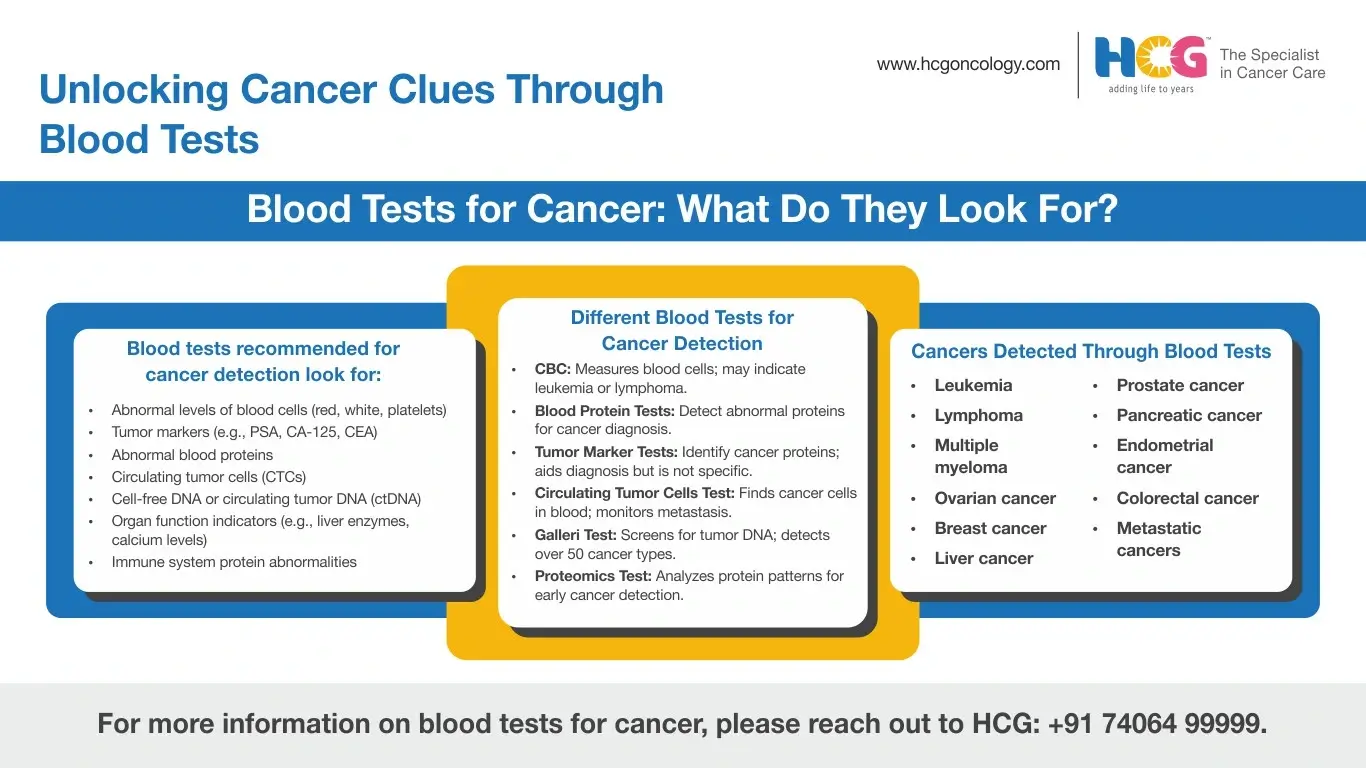
Complete Blood Count (CBC): This test measures various components of blood, including red and white blood cells and platelets. Abnormal levels can indicate blood cancers like leukemia or lymphoma, but it is not specific to solid tumors.
-
Tumor Marker Tests: These tests look for specific substances produced by cancer cells or by the body in response to cancer. Common tumor markers include:
-
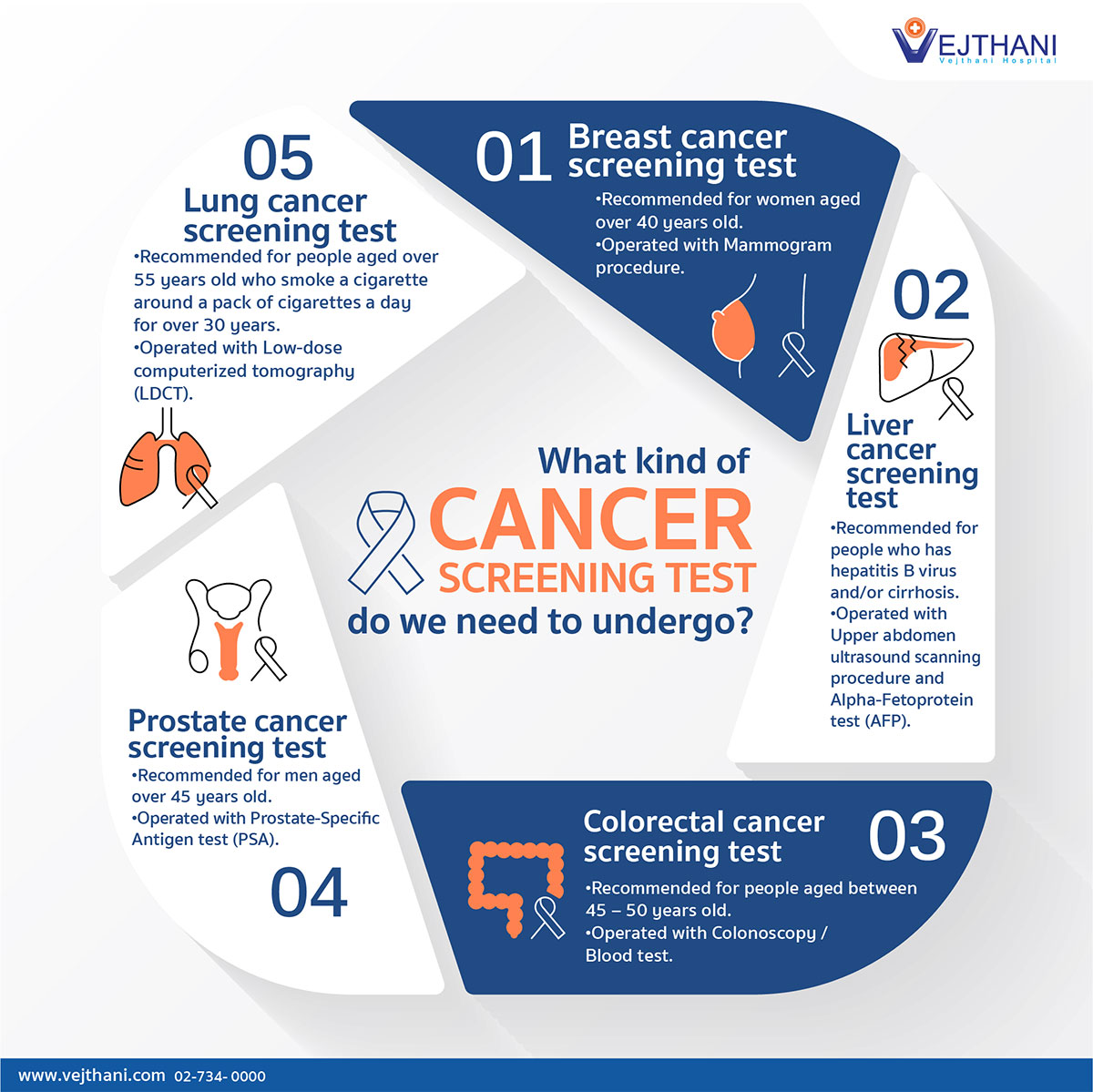
Prostate-specific antigen (PSA) for prostate cancer.
-
CA-125 for ovarian cancer.
-
Carcinoembryonic antigen (CEA) for colorectal cancer.
-
Alpha-fetoprotein (AFP) for liver and testicular cancers.
-
Multi Cancer Detection (MCD) Tests: These innovative tests, such as the Galleri test, can detect multiple types of cancer from a single blood sample by analyzing DNA fragments released by tumors. They are designed to identify cancers early, even before symptoms arise.
-
Proteomics-based Tests: Recent studies have shown promise for blood tests that analyze proteins in the blood to detect various cancers. These tests have demonstrated high sensitivity in identifying early-stage cancers. Proteomics-based plasma test: One 2024 research study found that a new blood test may show promise for the early detection of 18 different types of cancer. (Proteomics is the study of cell proteins and how they work.) In this study of 440 individuals, the test detected 93% of Stage I cancers in males and 84% of Stage I cancers in females. Researchers need to run more studies, but this blood test could become a standard for cancer diagnosis.While deaths from cancer are diminishing in the United States, cancer incidence is on the rise. Routine cancer screenings are a critical way to detect cancer at its earliest, most treatable stages. Simply put, early detection saves lives. Our comprehensive cancer screening programs at Columbia and Weill Cornell Medicine make it easy for you to start your own cancer screening routine, to gather valuable insights about your health risks and lead to the best possible outcomes. With the latest technology and a multidisciplinary team of NewYork-Presbyterian specialists, we offer a diverse array of cancer screenings that help you to proactively manage your health.