

Processed Meat
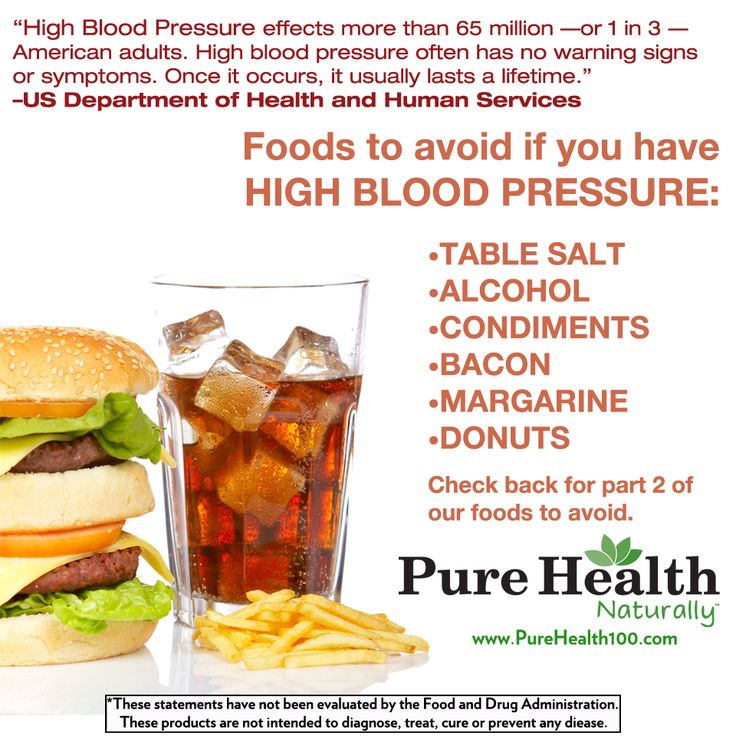
Even though unprocessed meat can be healthy and nutritious, the same is NOT true for processed meats.
Studies show that people who eat processed meats have a higher risk of many serious diseases, including colon cancer, type 2 diabetes and heart disease.
Most of these studies are observational in nature, so they can not prove that the processed meat caused the diseases.
However, the statistical link is strong and consistent among studies, so I do believe there is something to it.
Alternatives: If you want to eat bacon, sausages, pepperoni and other “processed” meats, then choose wisely and try to buy them locally from sellers who don’t add a lot of unhealthy ingredients. Quality counts.
Processed Cheese
Regular cheese is healthy.
It is loaded with nutrients, and a single slice of cheese contains all the same nutrients as an entire glass of milk.
However, processed cheese products are nothing like regular cheese. They are mostly made with filler ingredients that are combined and engineered to have a similar look and texture as cheese.
Cheese is healthy, but processed cheese is not. Read labels, and make sure that the cheese you’re eating is actually cheese.
Alternatives: Eat real cheese instead.
Most Fast Food Meals
Generally speaking, “fast food” chains serve only junk foods.
The majority of the food they offer is mass-produced, highly engineered junk food with very little nutritional value.
These places are often very cheap, but keep in mind that junk food costs you twice.
For every penny you save there, chances are that it’s going to cost you many times more in the future. Poor health is expensive (obesity, diabetes, hearth disease, hypertension, most I go on).
Alternatives: Fortunately, all sorts of healthy fast food places have started to appear. Chipotle is one great example.
High-Calorie “Coffee” drinks
Coffee has been unfairly demonized.
It is actually very healthy, and loaded with antioxidants.
Studies also show that coffee drinkers have a lower risk of serious diseases, like type 2 diabetes and Parkinson’s.
Unfortunately, stuff is sometimes added to coffee that turns this wonderful beverage into harmful sludge.
If your “coffee” has a ton of artificial creamer and sugar, then it is NOT good for you.
It is loaded with liquid, empty calories, and will be just as unhealthy as any other sugar-sweetened beverage.
Alternatives: Drink plain coffee instead. Black is best, but small amounts of heavy cream or full-fat milk are fine as well.
Anything That is High in Sugar, Refined Grains and Vegetable Oils
One of the most important things you can do to eat healthier, is to read labels.
It is important to avoid (or at least minimize) foods that contain:
- Added sugar (and high fructose corn syrup).
- Refined grains like white flour.
- Industrial vegetable oils.
- Artificial trans fats.
These are some of the unhealthiest (and most common) ingredients in the modern diet.
The importance of reading labels can not be overstated, and this applies to all foods, even so-called health foods.
Most Highly Processed Foods
By far the simplest way to eat healthy and lose weight, is to avoid processed foods as much as possible.
Put simply, if it looks like it was made in a factory, then it’s probably bad for you.
A good rule to remember, is that real food doesn’t need an ingredients list, because real food IS the ingredient.