Archive | September 2026

QUOTE FOR FRIDAY:

“GERD, diarrhea and colorectal cancer are examples of gastrointestinal diseases. When examined, some diseases show nothing wrong with the GI tract, but there are still symptoms. Other diseases have symptoms, and there are also visible irregularities in the GI tract. You can prevent and/or treat most gastrointestinal diseases.

GI diseases can be acute or chronic:

  • An acute GI disease is one that happens suddenly and lasts a short period of time.
  • A chronic GI disease can affect you for many months or years.

They can also be either functional or structural:

  • A functional GI disease is when your healthcare provider can’t see any physical or structural issues when they examine your digestive tract.
  • A structural GI disease is when your healthcare provider can see evidence of an issue when they examine you.”

Cleveland Clinic (Gastrointestinal Diseases: Symptoms, Treatment & Causes)

Gastrointestinal Diseases-What it is and types of common functional and structural GI diseases!

GERD, diarrhea and colorectal cancer are examples of gastrointestinal diseases. When examined, some diseases show nothing wrong with the GI tract, but there are still symptoms. Other diseases have symptoms, and there are also visible irregularities in the GI tract. Most gastrointestinal diseases can be prevented and/or treated.

What are gastrointestinal diseases?

Gastrointestinal diseases affect the gastrointestinal (GI) tract from the mouth to the anus. There are two types: functional and structural. Some examples include nausea/vomiting, food poisoning, lactose intolerance and diarrhea.

What are functional gastrointestinal diseases?

Functional diseases are those in which the GI tract looks normal when examined, but doesn’t move properly. They are the most common problems affecting the GI tract (including the colon and rectum). Constipation, irritable bowel syndrome (IBS), nausea, food poisoning, gas, bloating, GERD and diarrhea are common examples.

Many factors may upset your GI tract and its motility (ability to keep moving), including:

  • Eating a diet low in fiber.
  • Not getting enough exercise.
  • Traveling or other changes in routine.
  • Eating large amounts of dairy products.
  • Stress.
  • Resisting the urge to have a bowel movement, possibly because of hemorrhoids.
  • Overusing anti-diarrheal medications that, over time, weaken the bowel muscle movements called motility.
  • Taking antacid medicines containing calcium or aluminum.
  • Taking certain medicines (especially antidepressants, iron pills and strong pain medicines such as narcotics).
  • Pregnancy.

What are structural gastrointestinal diseases?

Structural gastrointestinal diseases are those where your bowel looks abnormal upon examination and also doesn’t work properly. Sometimes, the structural abnormality needs to be removed surgically. Common examples of structural GI diseases include strictures, stenosis, hemorrhoids, diverticular disease, colon polyps, colon cancer and inflammatory bowel disease.

Constipation

Constipation, which is a functional problem, makes it hard for you to have a bowel movement (or pass stools), the stools are infrequent (less than three times a week), or incomplete. Constipation is usually caused by inadequate “roughage” or fiber in your diet, or a disruption of your regular routine or diet.

Constipation causes you to strain during a bowel movement. It may cause small, hard stools and sometimes anal problems such as fissures and hemorrhoids. Constipation is rarely the sign that you have a more serious medical condition.

You can treat your constipation by:

  • Increasing the amount of fiber and water to your diet.
  • Exercising regularly and increasing the intensity of your exercises as tolerated.
  • Moving your bowels when you have the urge (resisting the urge causes constipation).

If these treatment methods don’t work, laxatives can be added. Note that you should make sure you are up to date with your colon cancer screening. Always follow the instructions on the laxative medicine, as well as the advice of your healthcare provider.

Irritable bowel syndrome (IBS)

Irritable bowel syndrome (also called spastic colon, irritable colon, IBS, or nervous stomach) is a functional condition where your colon muscle contracts more or less often than “normal.” Certain foods, medicines and emotional stress are some factors that can trigger IBS.

Symptoms of IBS include:

  • Abdominal pain and cramps.
  • Excess gas.
  • Bloating.
  • Change in bowel habits such as harder, looser, or more urgent stools than normal.
  • Alternating constipation and diarrhea.

Treatment includes:

  • Avoiding excessive caffeine.
  • Increasing fiber in your diet.
  • Monitoring which foods trigger your IBS (and avoiding these foods).
  • Minimizing stress or learning different ways to cope with stress.
  • Taking medicines as prescribed by your healthcare provider.
  • Avoiding dehydration, and hydrating well throughout the day.
  • Getting high quality rest/sleep.

Hemorrhoids

Hemorrhoids are dilated veins in the anal canal, structural disease. They’re swollen blood vessels that line your anal opening. They are caused by chronic excess pressure from straining during a bowel movement, persistent diarrhea, or pregnancy. There are two types of hemorrhoids: internal and external.

Internal hemorrhoids

Internal hemorrhoids are blood vessels on the inside of your anal opening. When they fall down into the anus as a result of straining, they become irritated and start to bleed. Ultimately, internal hemorrhoids can fall down enough to prolapse (sink or stick) out of the anus.

Treatment includes:

  • Improving bowel habits (such as avoiding constipation, not straining during bowel movements and moving your bowels when you have the urge).
  • Your healthcare provider using ligating bands to eliminate the vessels.
  • Your healthcare provider removing them surgically. Surgery is needed only for a small number of people with very large, painful and persistent hemorrhoids.

External hemorrhoids

External hemorrhoids are veins that lie just under the skin on the outside of the anus. Sometimes, after straining, the external hemorrhoidal veins burst and a blood clots form under the skin. This very painful condition is called a “pile.”

Treatment includes removing the clot and vein under local anesthesia and/or removing the hemorrhoid itself.

Anal fissures

Anal fissures are also a structural disease. They are splits or cracks in the lining of your anal opening. The most common cause of an anal fissure is the passage of very hard or watery stools. The crack in the anal lining exposes the underlying muscles that control the passage of stool through the anus and out of the body. An anal fissure is one of the most painful problems because the exposed muscles become irritated from exposure to stool or air, and leads to intense burning pain, bleeding, or spasm after bowel movements.

Initial treatment for anal fissures includes pain medicine, dietary fiber to reduce the occurrence of large, bulky stools and sitz baths (sitting in a few inches of warm water). If these treatments don’t relieve your pain, surgery might be needed to repair the sphincter muscle.

Perianal abscesses

Perianal abscesses, also a structural disease, can occur when the tiny anal glands that open on the inside of your anus become blocked, and the bacteria always present in these glands causes an infection. When pus develops, an abscess forms. Treatment includes draining the abscess, usually under local anesthesia in the healthcare provider’s office.

Anal fistula

An anal fistula – again, a structural disease – often follows drainage of an abscess and is an abnormal tube-like passageway from the anal canal to a hole in the skin near the opening of your anus. Body wastes traveling through your anal canal are diverted through this tiny channel and out through the skin, causing itching and irritation. Fistulas also cause drainage, pain and bleeding. They rarely heal by themselves and usually need surgery to drain the abscess and “close off” the fistula.

Check out Part II tomorrow!

QUOTE FOR THURSDAY:

“The American Cancer Society’s estimates for the number of colorectal cancers in the United States for 2026 are:

  • About 108,860 new cases of colon cancer (55,410 in men and 53,450 in women)
  • About 49,990 new cases of rectal cancer (28,750 in men and 21,240 in women)

The rate of people being diagnosed with colon or rectal cancer has dropped overall since the mid-1980s, mainly because more people are getting screened and changing their lifestyle-related risk factors. From 2013 to 2022, incidence rates dropped by about 1% each year. But this downward trend is mostly in older adults. In people younger than 50 years of age, rates have increased by 2.9% per year from 2013 to 2022. In adults aged 50-64, the rate has increased by 0.4% per year during this time.

Deaths from colorectal cancer

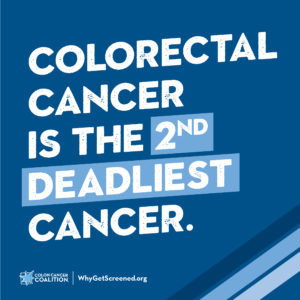
In the United States, colorectal cancer is the third-leading cause of cancer-related deaths in men and the fourth leading cause in women, but it’s the second most common cause of cancer deaths when numbers for men and women are combined. It’s expected to cause about 55,230 deaths during 2026.

The death rate from colorectal cancer has been dropping by about 1.5% per year in older adults during the past decade. There are a number of likely reasons for this. One is that colorectal polyps are now being found more often by screening and removed before they can develop into cancers. Screening also results in many colorectal cancers being found earlier, when they are likely to be easier to treat. In addition, treatments for colorectal cancer have improved over the last few decades. In people under 55, however, death rates have been increasing about 1% per year since the mid-2000s.”

American Cancer Society (Colorectal Cancer Statistics | How Common Is Colorectal Cancer? | American Cancer Society)


The risk factors of Colon Cancer!

How does colon-recto cancer even start:

Most colorectal cancers start as a growth on the inner lining of the colon or rectum. These growths are called polyps.

Some types of polyps can change into cancer over time (usually many years), but not all polyps become cancer. The chance of a polyp turning into cancer depends on the type of polyp it is. There are different types of polyps.

  • Adenomatous polyps (adenomas): These polyps sometimes change into cancer. Because of this, adenomas are called a pre-cancerous condition. The 3 types of adenomas are tubular, villous, and tubulovillous.
  • Hyperplastic polyps and inflammatory polyps: These polyps are more common, but in general they are not pre-cancerous. Some people with large (more than 1cm) hyperplastic polyps might need colorectal cancer screening with colonoscopy more often.
  • Sessile serrated polyps (SSP) and traditional serrated adenomas (TSA): These polyps are often treated like adenomas because they have a higher risk of colorectal cancer.

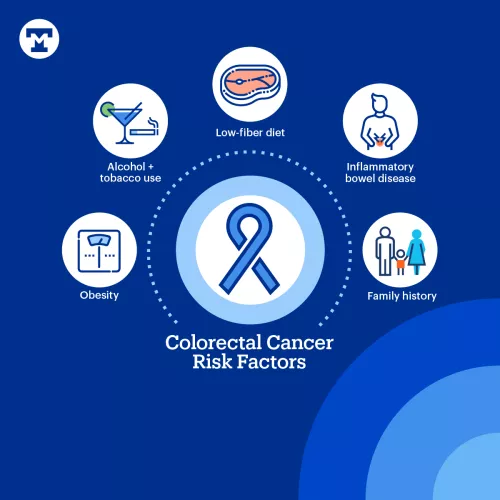
Other factors that can make a polyp more likely to contain cancer or increase someone’s risk of developing colorectal cancer include:

  • If a polyp larger than 1 cm is found
  • If more than 3 polyps are found
  • If dysplasia is seen in the polyp after it’s removed. Dysplasia is another pre-cancerous condition. It means there’s an area in a polyp or in the lining of the colon or rectum where the cells look abnormal, but they haven’t become cancer.

The body is made up of trillions of living cells. Normal body cells grow, divide into new cells, and die in an orderly way. During the early years of a person’s life, while they are still growing, their normal cells divide faster. Once the person becomes an adult, most cells divide only to replace worn-out or dying cells or to repair injuries.

Cancer begins when cells in a part of the body start to grow out of control. There are many kinds of cancer, but they all start because of out-of-control growth of abnormal cells.

Cancer cell growth is different from normal cell growth. Instead of dying, cancer cells continue to grow and form new, abnormal cells. In most cases the cancer cells form a tumor. Cancer cells can also invade (grow into) other tissues, something that normal cells cannot do. Growing out of control and invading other tissues are what makes a cell a cancer cell.

Cells become cancer cells because of damage to DNA. DNA is in every cell and directs all its actions. In a normal cell, when DNA is damaged the cell either repairs the damage or the cell dies. In cancer cells, the damaged DNA is not repaired, but the cell doesn’t die like it should. Instead, this cell goes on making new cells that the body does not need. These new cells will all have the same damaged DNA as the first abnormal cell does.

People can inherit damaged DNA, but most often the DNA damage is caused by mistakes that happen while the normal cell is reproducing or by something in our environment. Sometimes the cause of the DNA damage is something obvious, like cigarette smoking. But often no clear cause is found.

Cancer cells often travel to other parts of the body, where they begin to grow and form new tumors that replace normal tissue. This process is called metastasis. It happens when the cancer cells get into the bloodstream or lymph vessels of our body.

No matter where a cancer may spread, it is always named for the place where it started. For example, breast cancer that has spread to the liver is still called breast cancer, not liver cancer

Different types of cancer can behave very differently. For example, lung cancer and breast cancer are very different diseases. They grow at different rates and respond to different treatments. This is why people with cancer need treatment that is aimed at their particular kind of cancer.

Not all tumors are cancerous. Tumors that aren’t cancer are called benign. Benign tumors can cause problems – they can grow very large and press on healthy organs and tissues. But they cannot grow into (invade) other tissues. Because they can’t invade, they also can’t spread to other parts of the body (metastasize). These tumors are rarely life threatening.

Their are risk factors in getting colon cancer as well as other cancer and noncancerous diseases BUT remember their are modifiable risk factors leading to disease which are factors we can’t control being 4 areas 1.)Race 2.)Age 3.) Sex 4.) Heredity in the family (particularly nuclear and grandparents meaning higher risk than a first cousin or second cousin and down the family tree).

Risk Factors to colon cancer can be:

Most colorectal cancers occur in people without a family history of colorectal cancer. Still, as many as 1 in 5 people who develop colorectal cancer have other family members who have been affected by this disease.  People with a history of colorectal cancer in one or more first-degree relatives (parents, siblings, or children) are at increased risk. The risk is about doubled in those with only one affected first-degree relative=Nuclear Family. It is even higher if that relative was diagnosed with cancer when they were younger than 45, or if more than one first-degree relative is affected.

The reasons for the increased risk are not clear in all cases. Cancers can “run in the family” because of inherited genes, shared environmental factors, or some combination of these.

Having family members who have had adenomatous polyps is also linked to a higher risk of colon cancer. (Adenomatous polyps are the kind of polyps that can become cancerous.)

1-Inherited syndromes

About 5% to 10% of people who develop colorectal cancer have inherited gene defects (mutations) that can cause family cancer syndromes and lead to them getting the disease. These syndromes often lead to cancer that occurs at a younger age than is usual.

The most common inherited syndromes linked with colorectal cancers are familial adenomatous polyposis (FAP) and hereditary non-polyposis colorectal cancer (HNPCC), but other rarer syndromes can also increase colorectal cancer risk.

Familial adenomatous polyposis (FAP): FAP is caused by changes (mutations) in the APC gene that a person inherits from his or her parents. About 1% of all colorectal cancers are due to FAP.

The most common type of FAP causes people to develop hundreds or thousands of polyps in their colon and rectum, usually in their teens or early adulthood.

Hereditary non-polyposis colon cancer (HNPCC): HNPCC, also known as Lynch syndrome, accounts for about 2% to 4% of all colorectal cancers.

The cancers in this syndrome also develop when people are relatively young, although not as young as in FAP. People with HNPCC may also have polyps, but they only have a few, not hundreds as in FAP. The lifetime risk of colorectal cancer in people with this condition may be as high as 80%.

Turcot syndrome: This is a rare inherited condition in which people are at increased risk of adenomatous polyps and colorectal cancer, as well as brain tumors. There are actually 2 types of Turcot syndrome:

  • One can be caused by gene changes similar to those seen in FAP, in which cases the brain tumors are medulloblastomas.
  • The other can also be caused by gene changes similar to those seen in HNPCC, in which cases the brain tumors are glioblastomas.
  • MUTYH-associated polyposis:Racial and ethnic background  1. Jews of Eastern European descent (Ashkenazi Jews) have one of the highest colorectal cancer risks of any ethnic group in the world. Several gene mutations leading to an increased risk of colorectal cancer have been found in this group. People with type 2 (usually non-insulin dependent) diabetes have an increased risk of developing colorectal cancer. Both type 2 diabetes and colorectal cancer share some of the same risk factors (such as excess weight). But even after taking these factors into account, people with type 2 diabetes still have an increased risk. They also tend to have a less favorable prognosis (outlook) after diagnosis.  

2-Night shift workers are prone to cancers (colon/rectal and breast cancer).

3-Previous treatment for certain cancers –

Several studies have suggested that men who had radiation therapy to treat prostate cancer might have a higher risk of rectal cancer because the rectum receives some radiation during treatment. Men should consider the many possible side effects of prostate cancer treatment when making treatment decisions. Some doctors recommend that the risk of rectal cancer should be considered as one of those possible side effects but the patient is always responsible in doing research on their own before making the final decisions of treatment.  They choose the treatment they feel is the best choice; not the doctor.

  • Some studies have found that men who survive testicular cancer seem to have a higher rate of colorectal cancer and some other cancers. This might be because of the treatments they have received.

4-Factors less clear but can effect risk for colon cancer:

        1-Type 2 diabetes

       2-Racial Group African Americans have the highest colorectal cancer incidence and mortality rates of all       racial groups in the United States. The reasons for this are not yet understood.

        3-Peutz-Jeghers syndrome: People with this rare inherited condition tend to have freckles around the mout (and sometimes on the hands and feet) and a special type of polyp in their digestive tracts (called hamartoma). They are at greatly increased risk for colorectal cancer, as well as several other cancers, which usually appear at a younger than normal age. This syndrome is caused by mutations in the gene STK1.  People with this syndrome develop colon polyps which will become cancerous if the colon is not removed.

Patients undergo lifelong surveillance of organs to monitor for cancer and prevent secondary problems from the polyps.

REVISED 3/05/2023

QUOTE FOR WEDNESDAY:

“Protecting bone health is important throughout your life. Understand how diet, exercise and other lifestyle choices can affect bones.

Bones do a lot for your body. They provide structure, protect organs, anchor muscles and store calcium. While it’s important to build strong, healthy bones during your childhood and teen years, you can take steps to protect bone health when you’re an adult too.

Bones change all the time. The body constantly makes new bone and breaks down old bone. This process is called remodeling. When you’re young, new bone is made faster than old bone is broken down. So the amount of bone mass you have goes up. Most people reach peak bone mass around age 30. After that, bone remodeling continues. But you lose slightly more bone mass than you gain.

Osteoporosis is a condition that causes bones to become weak and easily broken. How likely you are to develop osteoporosis depends on how much bone mass you have by the time you’re 30 and how quickly you lose it after that. The higher your peak bone mass, the more bone you have built up. The more bone you have built up, the less likely you are to develop osteoporosis as you get older.”

The key to Healthy BONES!

Image result for skeletal bones     Image result for bones              Image result for skeletal bones

The infrastructure of the human body that allows us to perform our daily activities from standing, to sitting, to walking, or even climbing is our skeletal system. The major pillar or beam in the skeletal system is the vertebral column (spinal column). This bone structure allows us to bend, stand upright, twist, to dancing up a storm down the happy trail of life, if taken care of properly. If not, you may not be considering your life a happy tune, during that time of injury that can be a short or long haul before resolved, if ever. This infrastructure is so vital in our activities of our daily life. Many of us don’t realize that until the injury or damage sets in. There is one way you can bypass this disaster, don’t have it become a part of your life which is taking preventative measures; especially if you do heavy lifting in your life; like in my job as a nurse. One major ingredient to preventative measures is proper body mechanics but the trick here is never lift heavy items from below your waist level without bending your legs or even better without a second person helping you or some form of support but there is more to it than just that. There are more factors involved in helping you keep your back with all other bones strong. That would be healthy dieting, maintaining a good weight for your height (body mass index), and good exercise (not necessarily work out but if that is what you enjoy doing, it’s even better and don’t stop). All these ingredients to a better development and maintenance of your skeletal system=HEALTHY HABITS. A plus and benefit that many choose to do is going regularly to a chiropractor who can keep your spine in alignment (see one before injury starts). Recommended in Rockland County, NY is Dr. Diane Gregory, who I go to for my back and who has done both prevention & Rx; www.gregorychiropractic.com.

The key is to be living a healthy life. This consists of diet, exercise, activity and healthy habits learned and practiced in your routine of daily living that will help prevent or assist you in treating bone and back injuries; even problems caused by the inactivity with doing heavy lifting (Ex. lack of any muscle tone or muscle knots), which can inflict bone or back injuries. The better we treat ourselves EVERYDAY regarding health the higher the odds we will live a longer life. One common problem in America that can occur if not living healthy and/or using improper body mechanics with heavy lifting, especially frequently, can increase the risk of sciatica nerve damage. The pain of sciatica is typically felt from the low back (lumbar area) to behind the thigh and radiating down below the knee. The sciatica nerve is the largest nerve in the body that begins from nerve roots in the lumbar spinal cord in the low back and extends through the buttock to send the nerve ending down the lower limb to the foot. Depending on the precise cause of the sciatica symptoms with the duration, the outlook for recovery from sciatica ranges from excellent to having long term chronic symptoms. This can be prevented to some extent by avoiding low back trauma injuries. Thinking before lifting is the one of the best ideas. Osteoporosis is a common bone problem that is a abnormal loss of bony tissue resulting in fragile porous bones attributable to a lack of calcium, most common in postmenopausal women. This progressive bone disease that’s characterized by a decrease in bone mass and density leads to an increased risk of a fracture.

The causes of this disease that are modifiable (can be changed) would be: Vitamin D deficiency, menopause, excess alcohol, tobacco smoking, malnutrition (identified risk factors include low dietary calcium and/or phosphorus, magnesium, zinc, boron, iron, fluoride, copper, vitamins A,K,E, and C; also D where skin exposure to sunlight provides an inadequate supply. Excess sodium is a risk factor. High blood acidity may be diet related, and is a known antagonist to the bone. Some have identified low protein intake as associated with lower peak bone mass during adolescence and lower bone mineral density in elderly populations.

Other risk factors are inactive, underweight, heavy leads-a strong association between cadmium and lead with bone disease has been established. Low-level exposure to cadmium is associated with an increased loss of bone mineral density readily in both genders. Some studies even show soft drinks can increase the risk of osteoporosis related to high phosphoric acid. Others suggest soft drinks may displace calcium containing drinks from the diet rather than causing osteoporosis.

Another bone disorder is osteomalacia that is a softening of the bones caused by defective bone mineralization secondary to inadequate amounts of available phosphorus and calcium. The most common cause of the disease is a deficiency in vitamin D, which is normally obtained from the diet and/or from sunlight exposure. We can help our bones in many ways. There is not just one food to eat or one type of exercise to do or one healthy habit to practice to keep you healthy with strong bones, there are choices.   Wouldn’t you want less risk of bone or back injury or disease for yourself and for others throughout the nation including the future generations? Than join me and others. If you like what you see spread the good cheer. Let’s build a stronger foundation regarding HEALTH in America.

Adults need 700mg of calcium a day. You should be able to get all the calcium you need by eating a varied and balanced diet.

Foods healthy for bones and good sources of calcium include:

  • milk, cheese and other dairy foods.
  • green leafy vegetables, such as broccoli, cabbage and okra, but not spinach.
  • soya beans.
  • tofu.
  • plant-based drinks (such as soya drink) with added calcium.
  • nuts.
  • bread and anything made with fortified flour.
  • fish where you eat the bones, such as sardines and pilchards.

QUOTE FOR TUESDAY:

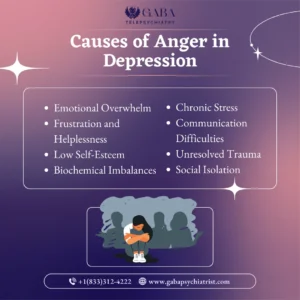
“Anger and depression are more closely connected than most people realize.

While depression is commonly associated with sadness, withdrawal, and hopelessness, many individuals experience anger, irritability, or frustration as part of their depressive symptoms, especially when they feel powerless or misunderstood.

Many people with depression experience deep frustration with themselves or their circumstances.

This can lead to anger turned inward, where the person blames themselves for their perceived failures or lack of progress.

Over time, this internalized self-criticism builds resentment (both toward oneself and others), intensifying depressive thoughts.

The Vicious Cycle: How Unresolved Anger Worsens Depression

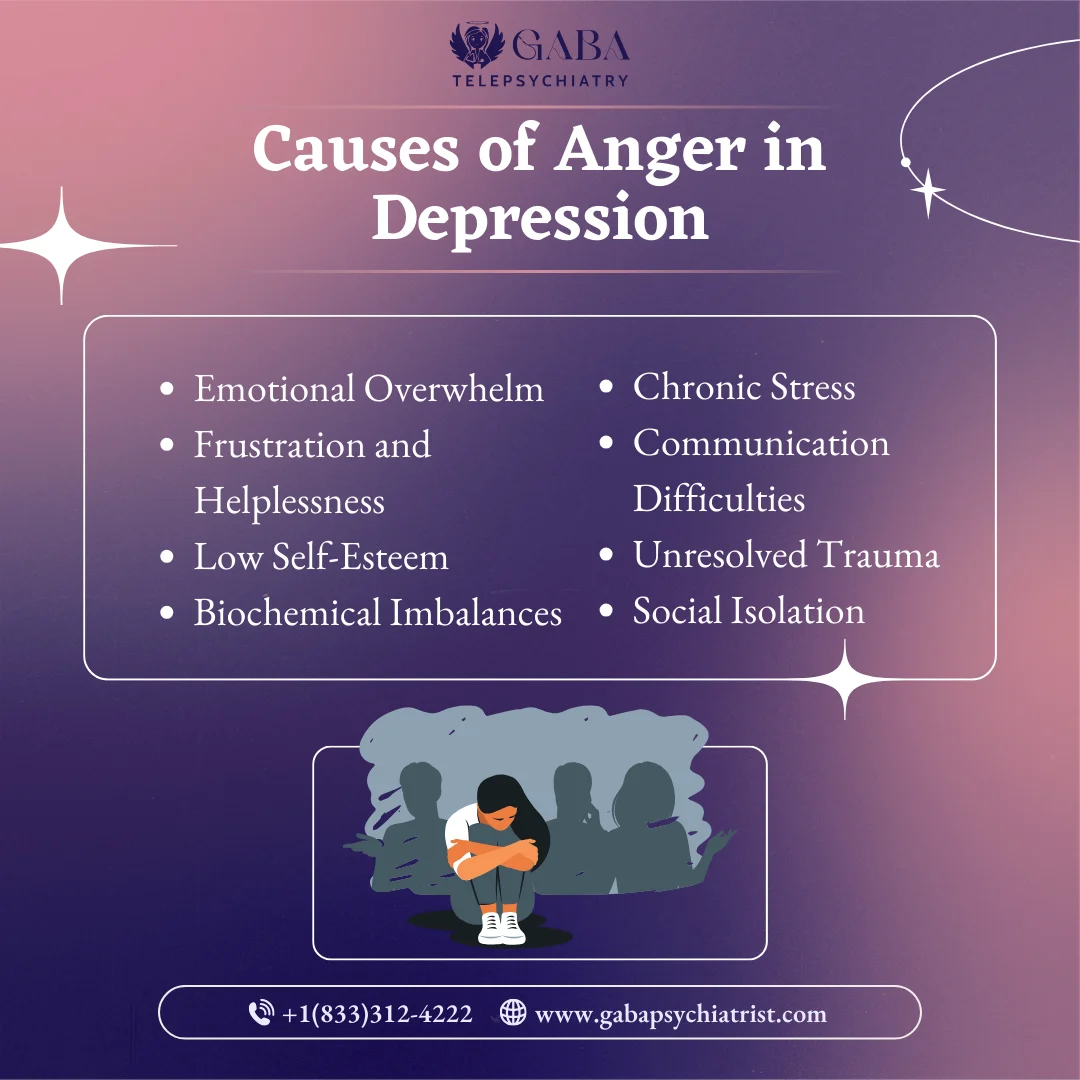
Unresolved anger can trap individuals in a painful feedback loop. When anger is suppressed or ignored, it doesn’t disappear; it lingers beneath the surface, fueling anxiety, guilt, and deeper sadness.

This unprocessed anger can worsen depressive symptoms by increasing feelings of isolation, shame, and emotional exhaustion.

Eventually, depression feeds the anger, and anger fuels the depression; creating a cycle that can be hard to break without awareness and professional help.

Recognizing this connection is key. By addressing both emotions, individuals can begin to understand the root of their pain and take meaningful steps toward emotional balance and recovery.”

Conflict Coaching and Consulting Inc. / Conflict redefined (The Difference Between Depression and Anger – Mastering Anger)

Part 2 Depression Versus Anger – What to do!


What to do about it:

Depression often won’t improve without support from a trained mental health professional unless you know how to look at life in a positive way and know the results won’t always be in your favor.  Try to put what is best for others and not always best for you. Therapy can have a lot of benefit for anger, too — though it’s certainly possible to learn to control anger on your own.

1. Count down

Count down (or up) to 10. If you’re really mad, start at 100. In the time it takes you to count, your heart rate will slow, and your anger will likely subside.

2. Take a breather

Your breathing becomes shallower and speeds up as you grow angry. Reverse that trend (and your anger) by taking slow, deep breaths from your nose and exhaling out of your mouth for several moments.

3. Go walk around

Exercise can help calm your nerves and reduce anger. Go for a walk, ride your bike, or hit a few golf balls. Anything that gets your limbs pumping is good for your mind and body.

4. Relax your muscles

Progressive muscle relaxation calls on you to tense and slowly relax various muscle groups in your body, one at a time. As you tense and release, take slow, deliberate breaths.

5. Repeat a mantra

Find a word or phrase that helps you calm down and refocus. Repeat that word again and again to yourself when you’re upset. “Relax,” “Take it easy, and “You’ll be OK” are all good examples.

6. Stretch

Neck rolls and shoulder rolls are good examples of nonstrenuous yoga-like movements that can help you control your body and harness your emotions. No fancy equipment required.

7. Mentally escape

Slip into a quiet room, close your eyes, and practice visualizing yourself in a relaxing scene. Focus on details in the imaginary scene: What color is the water? How tall are the mountains? What do the chirping birds sound like? This practice can help you find calm amidst anger.

8. Play some tunes

Let music carry you away from your feelings. Put in earbuds or slip out to your car. Crank up your favorite music and hum, bop, or sashay your anger away.

9. Stop talking

When you’re steamed, you may be tempted to let the angry words fly, but you’re more likely to do harm than good. You may something you regret that some would never forgive you; remember its easy to say I forgive you but most don’t forget it including they may forget all the good you did in some cases.  Pretend your lips are glued shut, just like you did as a kid. This moment without speaking will give you time to collect your thoughts.

10. Take a timeout

Give yourself a break. Sit away from others. In this quiet time, you can process events and return your emotions to neutral. You may even find this time away from others is so helpful you want to schedule it into your daily routine.

11. Take action

Harness your angry energy. Sign a petition. Write a note to an official. Do something good for someone else. Pour your energy and emotions into something that’s healthy and productive.

12. Write in your journal

What you can’t say, perhaps you can write. Jot down what you’re feeling and how you want to respond. Processing it through the written word can help you calm down and reassess the events leading up to your feelings.

13. Find the most immediate solution

You might be angry that your child has once again left their room a mess before going to visit a friend. Shut the door. You can temporarily end your anger by putting it out of your view. Look for similar resolutions in any situations.

14. Rehearse your response

Prevent an outburst by rehearsing what you’re going to say or how you’re going to approach the problem in the future. This rehearsal period gives you time to role-play several possible solutions, too.

15. Picture a stop sign

The universal symbol to stop can help you calm down when you’re angry. It’s a quick way to help you visualize the need to halt yourself, your actions, and walk away from the moment.

16. Change your routine

If your slow commute to work makes you angry before you’ve even had coffee, find a new route. Consider options that may take longer but leave you less upset in the end.

17. Talk to a friend

Don’t stew in the events that made you angry. Help yourself process what happened by talking with a trusted, supportive friend who can possibly provide a new perspective.

18. Laugh

Nothing upends a bad mood like a good one. Diffuse your anger by looking for ways to laugh, whether that’s playing with your kids, watching stand-up, or scrolling memes.

19. Practice gratitude

Take a moment to focus on what’s right when everything feels wrong. Realizing how many good things you have in your life can help you neutralize anger and turn around the situation.

20. Set a timer

The first thing that comes to mind when you’re angry likely isn’t the thing you should say. Give yourself a set time before you respond. This time will help you be calmer and more concise.

21. Write a letter

Write a letter or email to the person that made you angry. Then, delete it. Often, expressing your emotions in some form is all you want, even if it’s in something that will never be seen.

22. Imagine forgiving them

Finding the courage to forgive someone who has wronged you takes a lot of emotional skill. If you can’t go that far, you can at least pretend that you’re forgiving them, and you’ll feel your anger slip away.

23. Practice empathy

Try to walk in the other person’s shoes and see the situation from their perspective. When you tell the story or relive the events as they saw it, you may gain a new understanding and become less angry.

24. Express your anger

It’s OK to say how you feel, as long as you handle it in the right way. Ask a trusted friend to help you be accountable to a calm response. Outbursts solve no problems, but mature dialogue can help reduce your stress and ease your anger. It may also prevent future problems.

25. Find a creative channel

Turn your anger into a tangible production. Consider painting, gardening, or writing poetry when you’re upset. Emotions are powerful muses for creative individuals. Use yours to reduce anger.

The bottom line

Anger is a normal emotion that everyone experiences from time to time. However, if you find your anger turns to aggression or outbursts, you need to find healthy ways to deal with anger.  It is much better to take a step in controlling it rather than sitting around doing nothing.  For if your like that all the time would you like to be around people like that on your day off to relax.  I would think no.  If you don’t control it you may loose a lot you have in your life now and regret it later going to depression!  It is not worth it.

If these tips don’t help, consider talking with your doctor. A mental health specialist or therapist can help you work through underlying factors that may contribute to anger and other emotional issues.
 

QUOTE FOR MONDAY:

“Studies suggest that up to 50 percent of patients with depression experience problems with anger and irritability (Fava et al., 2010; Kovess-Masfety et al., 2013). However, the prevalence may well be higher, as many patients are inhibited about experiencing or expressing angry feelings toward others (Busch, 2009). Anger can exacerbate depression in several ways; for example, irritability can lead to disruptions in relationships, causing increased feelings of loss and isolation. Additionally, anger can be directed toward the self, leading to intense self-criticism and guilt (Abraham, 1911; Busch et al., 2016; Freud, 1917).”

Psychology Today (Anger and Depression: Addressing the Links Between Them | Psychology Today)

Part 1 Depression & Anger – What these actually illnesses mean with the symptoms!


Depression versus Anger —What does it all mean & What do I do?

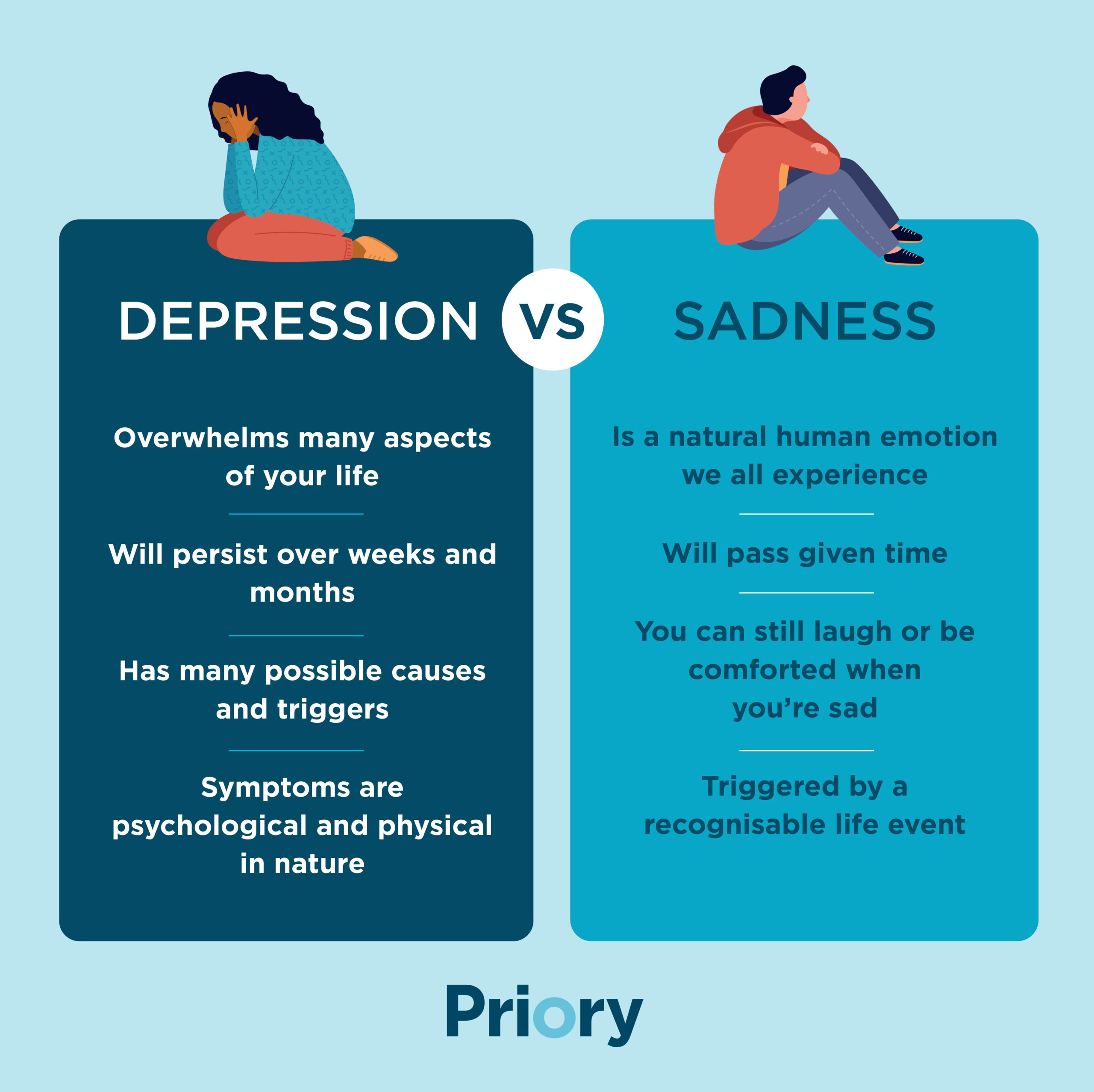
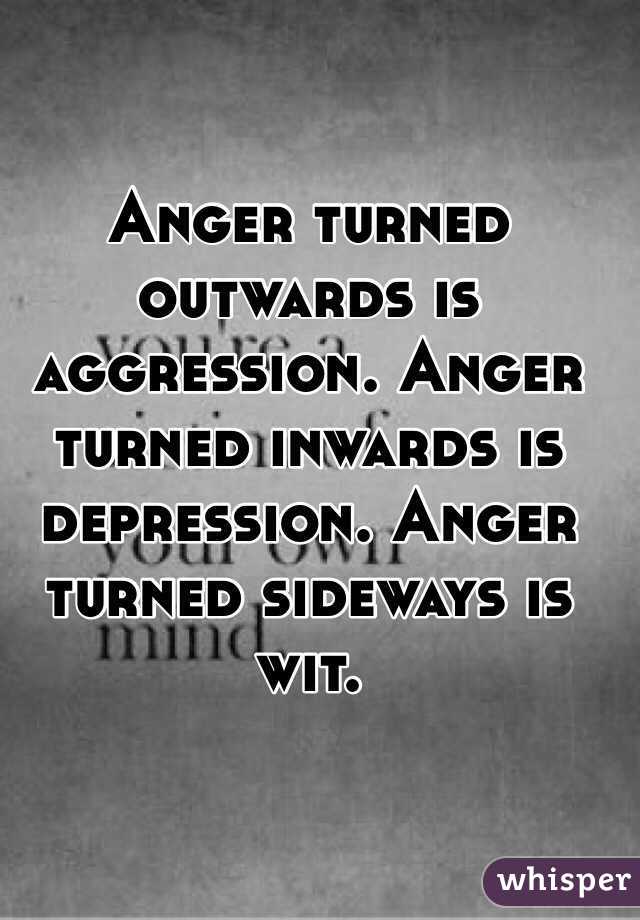
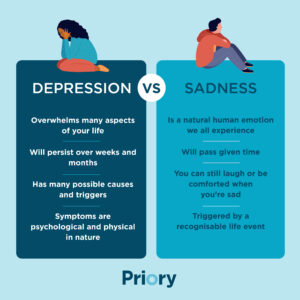
Getting the blues  or down in the dumps now and than in one thing but staying in the blues or down in the dumps just sinking deeper over a long period of time can be diagnosed as clinical depression. Clinical depression presents many forms and symptoms. It is not something just to be brushed off, assuming it will rectify itself in a while. One of the most common symptoms noted when a person suffers from clinical depression is anger. Whether it’s uncontrollable anger toward oneself or outward aggression toward others, it’s clinically proven that depression and anger run hand in hand.

Do you find yourself feeling angry more often than usual, or more often than not, depression could be to blame. Anger is a common symptom of depression, which can lurk beneath the surface of any man, woman, or child as well.

Depressive disorders come in many different types, but each type has its own unique symptoms and treatments. Major depression, the most common type of a depressive disorder, is characterized by a combination of symptoms (see symptom list) that interfere with the ability to work, study, sleep, eat, and enjoy once pleasurable activities. Such a disabling episode of depression may occur only once but more commonly occurs several times in a lifetime. Mental health professionals use this checklist of specific symptoms to determine whether major depression exists or not. Depression is also rated by your diagnosing physician or mental health professional in terms of its severity — mild, moderate, or severe. Severe depression is the most serious type. A less severe type of depression, dysthymia, involves long-term, chronic symptoms that do not disable, but keep one from functioning well or from feeling good. Many people with dysthymia also experience major depressive episodes at some time in their lives. Another type of depression is experienced as a part of bipolar disorder, also called manic-depressive illness. Not nearly as prevalent as other forms of depressive disorders, bipolar disorder is characterized by cycling mood changes: severe highs (mania) and lows (depression). Sometimes the mood switches are dramatic and rapid, but most often they are gradual. When in the depressed cycle, an individual can have any or all of the symptoms of a depressive disorder. When in the manic cycle, the individual may be overactive, overtalkative, and have a great deal of energy. Mania often affects thinking, judgment, and social behavior in ways that cause serious problems and embarrassment. For example, the individual in a manic phase may feel elated, full of grand schemes that might range from unwise business decisions to romantic sprees.

Risk Factors:

Numerous risk factors can lead to feelings of depression and anger in an individual. Some of these risk factors include but are not limited to: loneliness, financial strain, unemployment, alcohol or drug abuse, marital or family problems, or lack of a social support network. Depression and anger can also be influenced by childhood trauma, or it can be hereditary.

Symptoms

         Anger

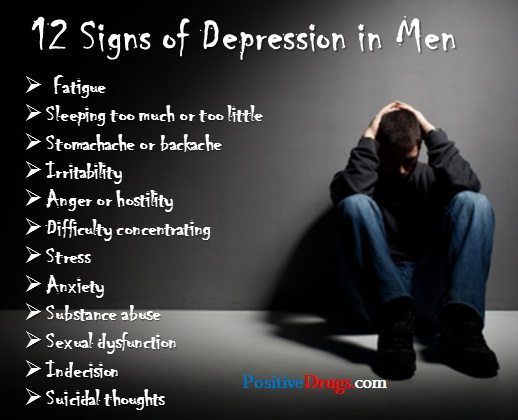
Anger manifested with depression is no ordinary anger. It can be all-consuming feelings of anger and hatred against one’s self, others or the situation that is causing the depression. One of the first signs of depression in a teenager may be a sudden onset of uncontrollable anger. In turn, constant feelings of anger can also trigger a response of depression. Also anger noted with depression are a tendency to turn away from family and friends, poor performance at work or school, lack of motivation, feelings of guilt, insomnia and hopelessness

Not everyone who is depressed or manic experiences every symptom. Some people experience a few symptoms, some many. Severity of symptoms varies with individuals and also varies over time.

           Depression

  • Persistent sad, anxious, or “empty” mood
  • Feelings of hopelessness, pessimism
  • Feelings of guilt, worthlessness, helplessness
  • Loss of interest or pleasure in hobbies and activities that were once enjoyed, including sex
  • Decreased energy, fatigue, being “slowed down”
  • Difficulty concentrating, remembering, or making decisions
  • Insomnia, early-morning awakening, or oversleeping
  • Appetite and/or weight loss or overeating and weight gain
  • Thoughts of death or suicide; suicide attempts
  • Restlessness, irritability
  • Persistent physical symptoms that do not respond to treatment, such as headaches, digestive disorders, and chronic pain.Symptoms of Mania (for Bipolar Disorder)
  • Unusual irritability
  • Decreased need for sleep Grandiose notions
  • Increased talking
  • Racing thoughts
  • Increased sexual desire
  • Markedly increased energy
  • Poor judgment
  • Inappropriate social behavior