Archives

Most Recent Mosquito Virus Hitting USA: Zika Virus

zika2

zikavirus3

zika1

Check out under images of this topic via your computer or lap top to find out more quick easy facts and prevention tactics.

Background in health crisis response and that we have known about this for sometime now.

AmeriCares Zika response leverages the technical expertise of our health experts and our more than 30 years of experience with international health crises. AmeriCares has responded to mosquito-borne disease outbreaks in the past, from West Nile in the United States to chikungunya in Latin America and the Caribbean. In 2014, during an outbreak of chikungunya, our response included support for a community health education campaign that reached more than 10,000 people in El Salvador through schools, sporting events and community centers.

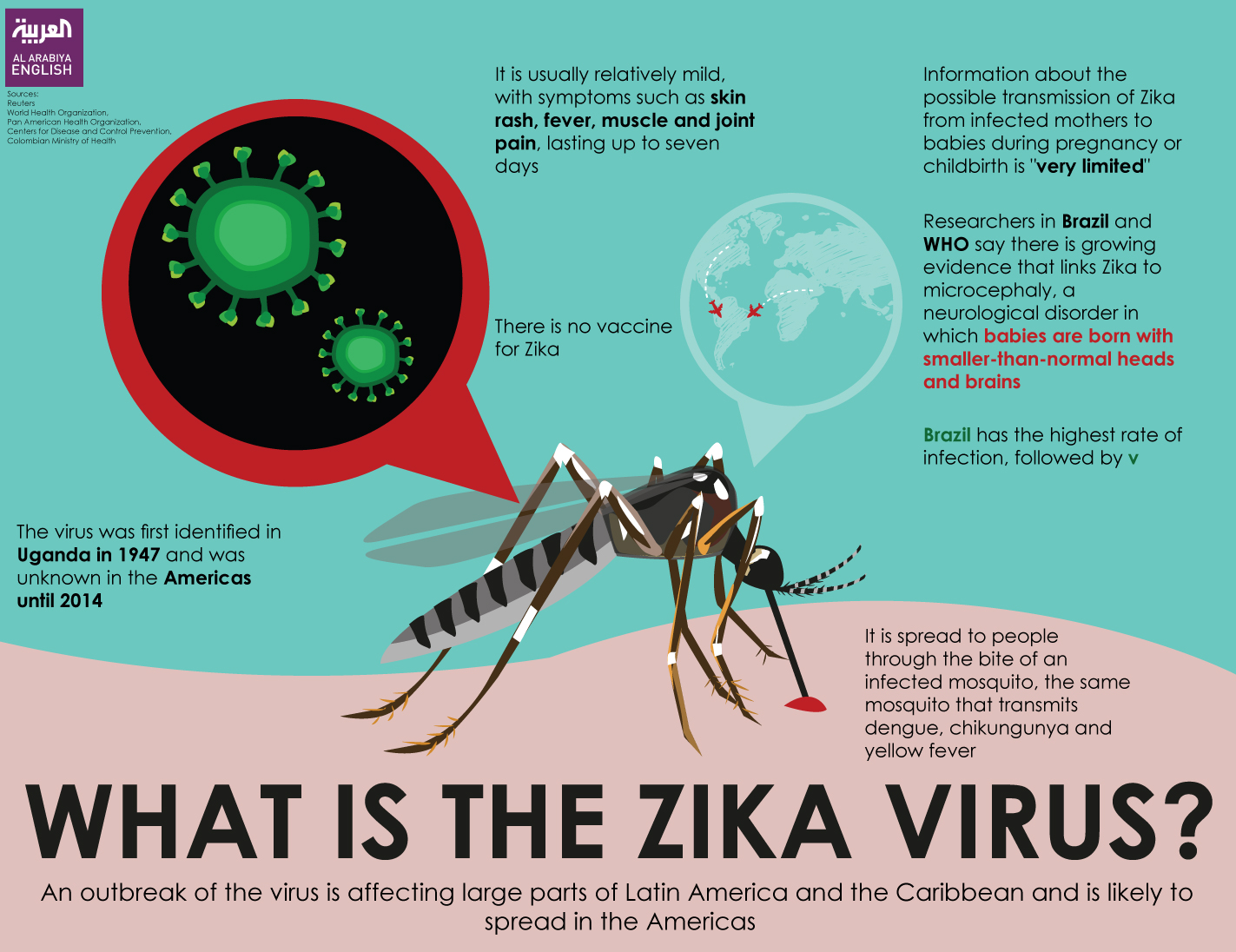
The World Health Organization declared an international public health emergency on February 1 because of a suspected link between the virus and microcephaly, a condition in which babies are born with unusually small heads and abnormal brain development. There is growing evidence of an association between the increase in babies born with microcephaly, other possible birth defects and the incidence of Guillain-Barré syndrome that coincided with Zika virus infections. Currently, 33 countries and territories in the Americas have reported Zika cases, with up to 1.5 million confirmed cases in Brazil alone. The WHO is anticipating 3 million to 4 million more Zika infections in the region in the next 12 months.

There is no cure for Zika, but clinicians can help patients manage symptoms, giving them medicine to reduce fever and pain. They can also provide education on how to protect their families from the mosquitos that carry the virus.

Where are we actually working:

In Haiti, AmeriCares is working with a partner organization on a prevention program for expectant mothers, with the goal of keeping the women Zika-free until they deliver. In El Salvador, AmeriCares is developing a Zika-prevention program at its clinic, which provides primary and specialty care services for more than 60,000 patients annually, including prenatal care.

AmeriCares, which donates medicine and supplies to U.S.-based medical teams volunteering overseas, is also providing education materials to medical professionals working in Zika-affected countries. AmeriCares is supporting more than 150 medical teams planning travel to Latin America and the Caribbean through June.

Centers for Disease Control and Prevention and what they say about this Zika Virus:

Zika virus disease (Zika) is a disease caused by Zika virus that is spread to people primarily through the bite of an infected Aedes species mosquito. The most common symptoms of Zika are fever, rash, joint pain, and conjunctivitis (red eyes). The illness is usually mild with symptoms lasting for several days to a week after being bitten by an infected mosquito. People usually don’t get sick enough to go to the hospital, and they very rarely die of Zika.

For this reason, many people might not realize they have been infected. Once a person has been infected, he or she is likely to be protected from future infections. Though being checked for it yearly might not hurt if your country is exposed to it and could easily spread; especially if you have family traveling in your country as well as those you travel to countries known to be at risk for this disease and should be check when returning to their country like the USA for example. It is called prevention and control by the government and health parties of that country; pretty common sense. Instead it appears till the USA and other countries just wait till damage occurs – an epidemic some areas reaching out for help if the country doesn’t have the funds for controlling the epidemic. Why not help out for education and research before the epidemic if the disease is already known.

Zika virus was first discovered in 1947 and is named after the Zika forest in Uganda. In 1952, the first human cases of Zika were detected and since then, outbreaks of Zika have been reported in tropical Africa, Southeast Asia, and the Pacific Islands. Zika outbreaks have probably occurred in many locations. Before 2007, at least 14 cases of Zika had been documented, although other cases were likely to have occurred and were not reported. Because the symptoms of Zika are similar to those of many other diseases, many cases may not have been recognized.

In May 2015, the Pan American Health Organization (PAHO) issued an alert regarding the first confirmed Zika virus infection in Brazil and on Feb 1, 2016, the World Health Organization (WHO) declared Zika virus a public health emergency of international concern (PHEIC) but not home prevention in the USA, like travelers from countries exposed with this that can be spread through a bite by a flying bug or possibly via sex so have the travelers returning checked to protect all in their country. Local transmission also has been reported in many other countries and territories. Zika virus likely will continue to spread to new areas. Let’s wake up and take action to control this from spreading in the USA and if possible other countries; especially our allies who travel here who are high with this virus treatment one day for this mosquito/sexual transmitted disease.

***********************************************************

 You’ve probably heard about Zika virus. But what is it exactly? Who is at risk? And what can you do to help?

Through PSIimpact.com has extensive experience helping families in the developing world overcome their most pressing health challenges. Here is what we know about Zika virus and how you can help.

  1. The Zika virus is carried by mosquitoes and people. Typically, mosquitoes spread the virus. But there is evidence the virus may be sexually transmitted from someone who has been infected to his sexual partner.
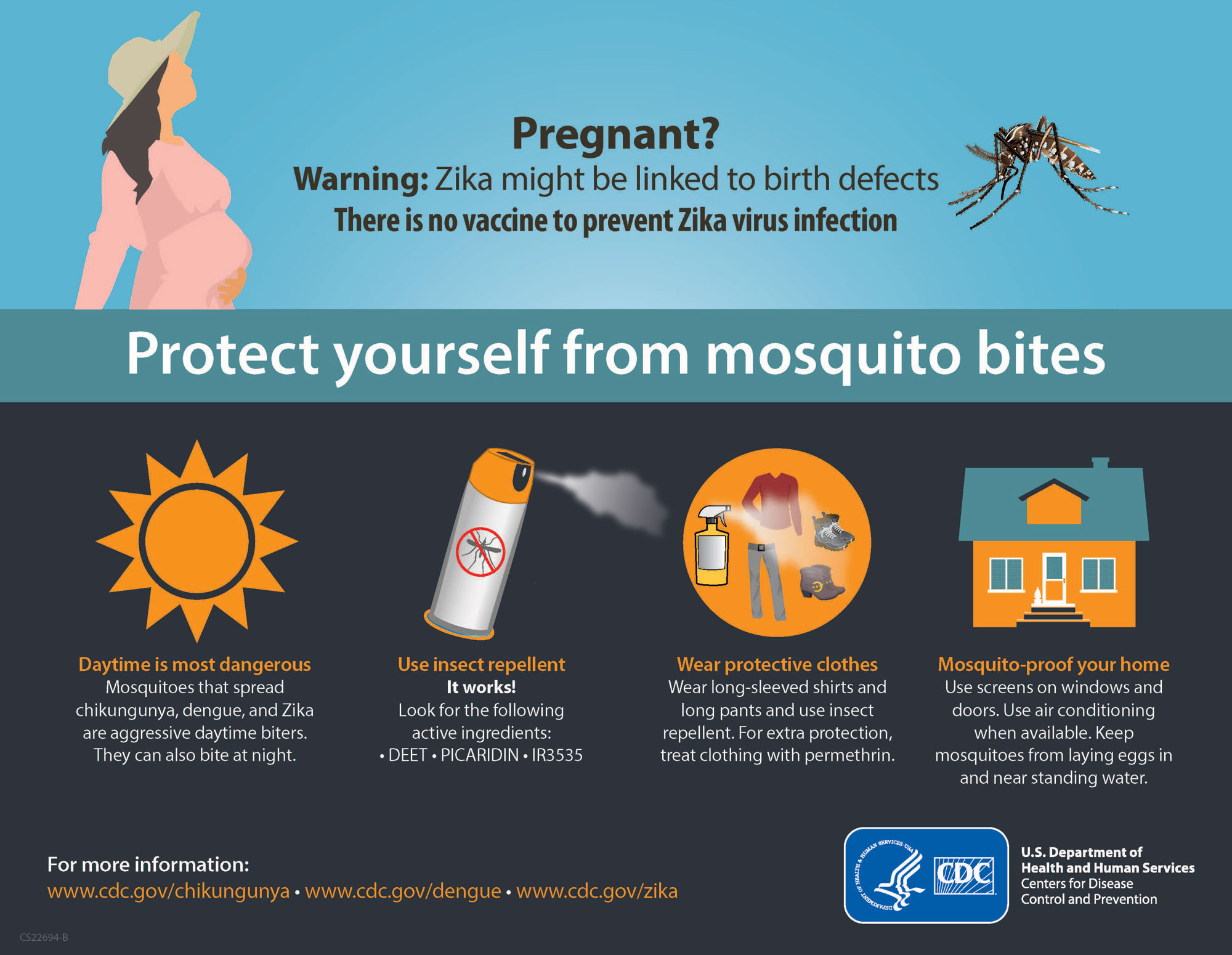
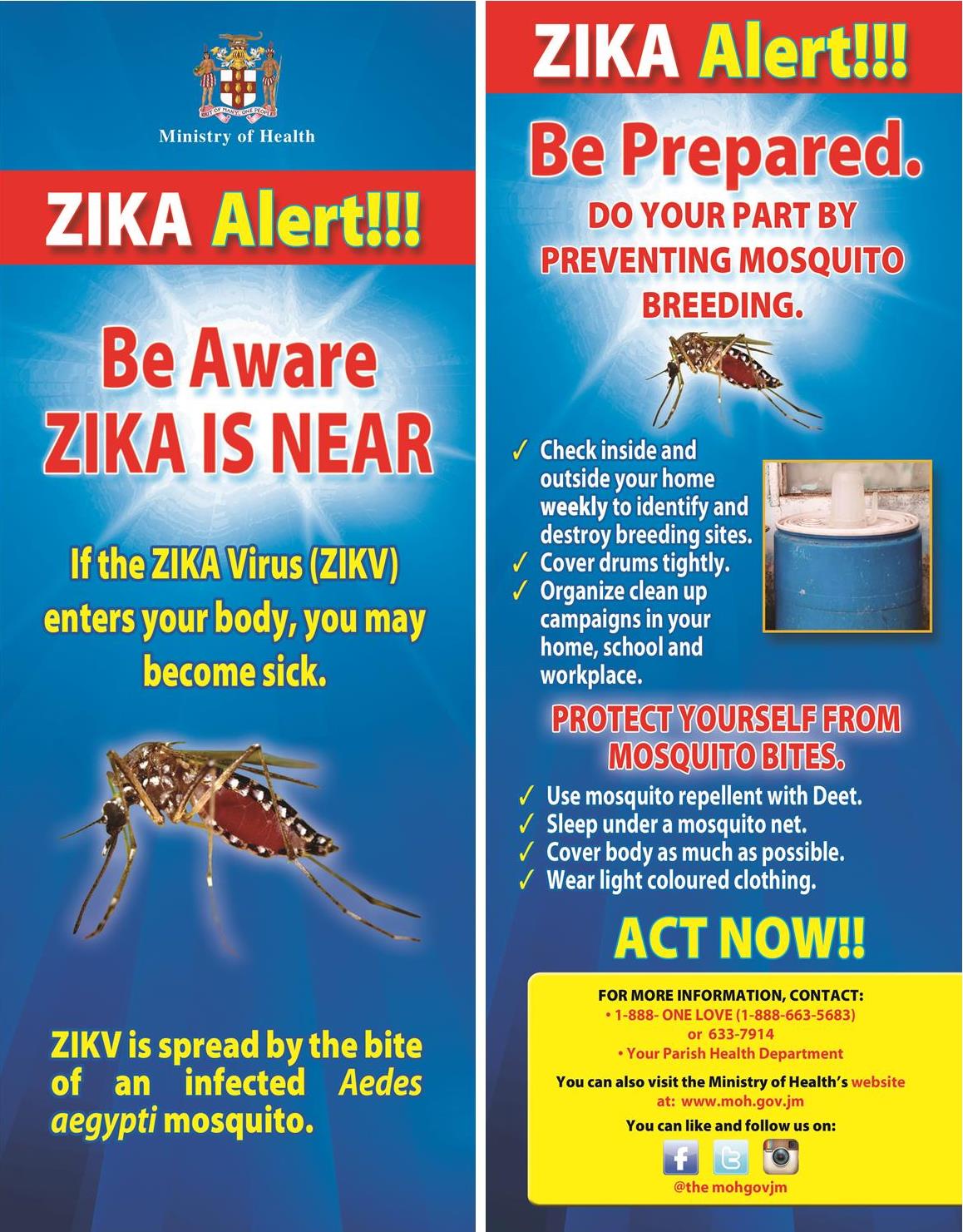
  2. The mosquitoes that carry Zika are active during the daytime, so malaria-fighting bed nets are not effective in stopping infection. Reducing breeding sites and using insecticides are currently two of the most effective ways to prevent the disease.
  3. Symptoms of Zika virus infection are usually mild, typically begin a few days after being bitten, and usually finish in 2 to 7 days. Eighty percent of people who become infected never have symptoms. In those who do, the most common are fever, rash and conjunctivitis.
  4. S. travelers are bringing the virus back with them. These imported cases happen when a person is infected elsewhere and then visits or returns to the United States.
  5. There’s no vaccine to protect against the Zika virus, but researchers are working on one. Once a person becomes infected with the virus they usually develop immunity to future infections.
  6. Researchers are studying the potential link between the Zika virus in pregnant women and microcephaly in their babies. Microcephaly is a birth defect that impairs brain development and can cause mild to severe cognitive delays, learning disabilities and impaired motor functions. The condition is marked by an abnormally small head.
  7. Until a link is confirmed, it is crucial that women who are pregnant strictly follow steps to prevent mosquito bites.
  8. The CDC recommends that pregnant women in any trimester consider postponing travel to the areas where Zika virus transmission is ongoing. The most recent travel advisories can be found on their website.
  9. Several Latin American countries have urged women not to get pregnant for up to two years if visiting those areas with this disease or from those Latin American area moving to another country like America included, in an attempt to avoid birth defects believed to be caused by Zika. However, no government has announced plans to increase access or remove barriers to contraception. 

PSI is already working in affected areas including El Salvador, Haiti, Honduras, Guatemala, the Dominican Republic and other countries in Latin America and the Caribbean.  PSIimpact are supporting national responses led by the Ministries of Health.  PSIimpact.com states they will continue helping men and women access contraception so that they can make their own decision about when — and whether — to become pregnant. Thank you PSI for your knowledge and effort in researching

QUOTE FOR FRIDAY:

“In stage 4 colon cancer, the prisoner (being the cancer) has generally tunneled through several layers of the prison, found the highway, and traveled to another town (usually the liver or lungs).”

Health.com


QUOTE ON WEDNESDAY:

“Most colon cancers develop first as polyps, which are abnormal growths inside the colon or rectum that may later become cancerous if not removed.”

Colon Cancer Alliance


QUOTE FOR TUESDAY:

“Hemophilia is one of the more common inherited types of bleeding disorders. Currently, about 20,000 individuals in the United States have hemophilia. Although hemophilia most commonly occurs in men, it can also occur in women.”

National Hemophilia Foundation


QUOTE FOR THE FRIDAY:

“It’s not easy to diagnose because depending where the endometrial deposits are, the symptoms can be quite different. It’s an unrecognized problem among teenage girls, and it’s something that every young woman who has painful menstruation should be aware of … it’s a condition that is curable if it’s caught early.

[Author Hilary Mantel on being asked about being a writer with endometriosis, Nov 2012 NPR interview]”

QUOTE FOR THURSDAY:

“Since 1962, the President of the United States has proclaimed the third week of March as National Poison Prevention Week to raise awareness about the dangers of poisonings and how to prevent them.”

AAPCC – American Association of Poison Control Centers

Awareness week on poisoning.

poisoning2poisoning1


In 2013, America’s 55 poison centers received over 3.1 million calls. Of those, about 2.2 million were calls about poison exposures ranging from carbon monoxide to snake bites to food poisoning. The rest were calls for information.

Chemicals in and around the home can poison people or pets and can cause long-term health effects. Every 13 seconds, a poison control center in the United States answers a call about a possible poisoning. More than 90% of these exposures occur in the home. Poisoning can result from medicines, pesticides, household cleaning products, carbon monoxide, and lead.

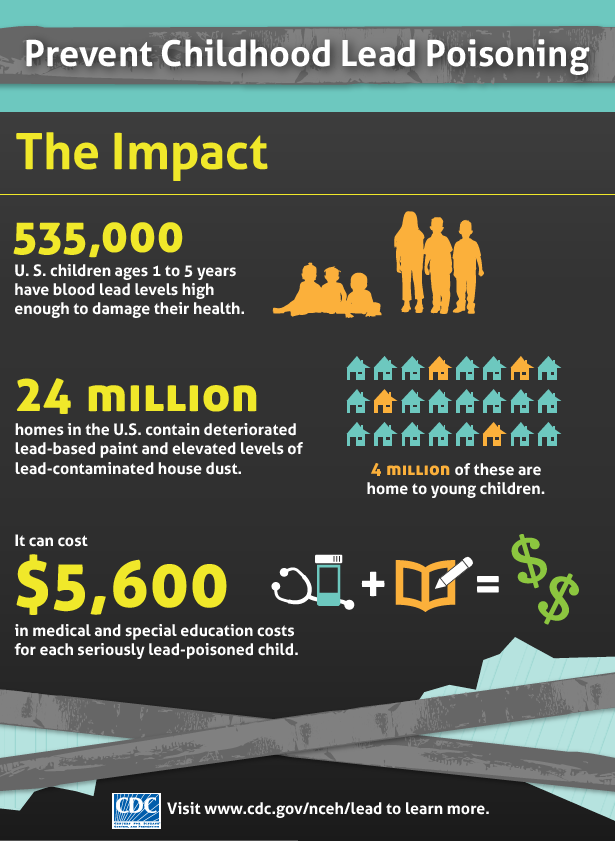
The major source of lead poisoning among U.S. children is lead-based paint and dust with lead. All houses built before 1978 are likely to contain some lead in the paint. However, it is the flaking, peeling paint that causes a problem. Other sources of lead in the home may include traditional home remedies, ceramics, toys and toy jewelry, lead-contaminated soil, lead water pipes, and lead solder used in plumbing. Lead poisoning occurs when lead builds up in the body, often over a period of months or years. Even small amounts of lead can cause serious health problems. Children under the age of 6 are especially vulnerable to lead poisoning, which can severely affect mental and physical development. At very high levels, lead poisoning can be fatal. While treatment is available for lead poisoning, taking some simple precautions can help protect yourself and your family.

Lead-based paint and lead-contaminated dust in older buildings are the most common sources of lead poisoning in children. Other sources include contaminated air, water and soil. Adults who work with batteries, do home renovations or work in auto repair shops also may be exposed to lead. It couldn’t hurt to ask you MD if you should get a lead level taken yearly or less for people who live around lead or the area having a history of it or adults in the work force working need lead products.

Lead poisoning symptoms in children

The signs and symptoms of lead poisoning in children may include:

Developmental delay-Learning difficulties-Irritability-Loss of appetite-Weight loss-Sluggishness and fatigue-Abdominal pain-Vomiting-Constipation-Hearing loss

Lead poisoning symptoms in newborns

-Babies who are exposed to lead before birth may experience:

-Learning difficulties & Slowed growth

Lead poisoning symptoms in adults

-Although children are primarily at risk, lead poisoning is also dangerous for adults. Signs and symptoms in adults may include:

High blood pressure-Abdominal pain-Constipation-Joint pains-Muscle pain-Declines in mental functioning-Pain, numbness or tingling of the extremities -Headache-Memory loss-Mood disorders-Reduced sperm count, abnormal sperm-Miscarriage or premature birth in pregnant women.

ENDING LINE is knowing how to prevent leading causes of child injury, like poisoning, helps keep our children safe and secure and helps them live to their full potential.

We all want to keep our children safe and secure and help them live to their full potential. Knowing how to prevent leading causes of child injury, like poisoning, is a step toward this goal.

Every day, over 300 children in the United States ages 0 to 19 are treated in an emergency department, and two children die, as a result of being poisoned. It’s not just chemicals in your home marked with clear warning labels that can be dangerous to children.

Everyday items in your home, such as household cleaners and medicines, can be poisonous to children as well. Active, curious children will often investigate—and sometimes try to eat or drink—anything that they can get into.

Thankfully, there are ways you can help poison-proof your home and protect the children you love.

Prevention Tips:

Lock them up. Keep medicines and toxic products, such cleaning solutions, in their original packaging where children can’t see or get them.

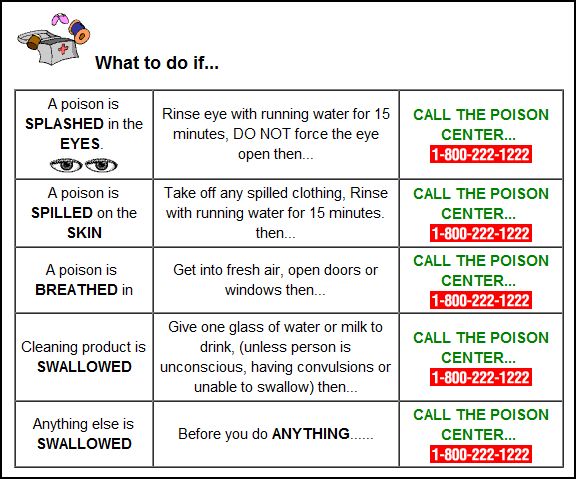
Know the number. Put the nationwide poison control center phone number, 1-800-222-1222, on or near every telephone in your home and program it into your cell phone. Call the poison control center if you think a child has been poisoned but they are awake and alert; they can be reached 24 hours a day, seven days a week. Call 911 if you have a poison emergency and your child has collapsed or is not breathing.

Read the label. Follow label directions and read all warnings when giving medicines to children.

Don’t keep it if you don’t need it. Safely dispose of unused, unneeded, or expired prescription drugs and over the counter drugs, vitamins, and supplements. To dispose of medicines, mix them with coffee grounds or kitty litter and throw them away. You can also turn them in at a local take-back program or during National Drug Take-Back events.

In general, Health and Safety Tips:

Make sure your child does not have access to peeling paint or chewable surfaces painted with lead-based paint.

Use and store chemicals, household cleaning products, and pesticides according to label instructions and out of reach of children

Have gas appliances professionally installed, vented outside, and checked annually for carbon monoxide leaks.

Take all medicines as directed and store out of reach of children.

Turn on fans and open windows to help ventilate the area when using household cleaners and chemicals.

______________________________________________________

Deaths from drug overdose have been rising steadily over the past two decades and have become the leading cause of injury death in the United States.

The United States is in the midst of an opioid overdose killed more than 28,000 people in 2014, more than any year on record. At least half of all opioid overdose deaths involve a prescription opioid. More people died from drug overdoses in 2014 than in any year on record. The majority of drug overdose deaths (more than six out of ten) involved an opioid. Opioids include opiates, an older term that refers to such drugs derived from opium, including morphine itself. Other opioids are semi-synthetic and synthetic drugs such as hydrocodone, oxycodone and fentanyl; antagonist drugs such as naloxone and endogenous peptides such as the endorphins. Opioid drugs are predominantly central nervous system agents, most often used medically to relieve pain.   So again its restated to take meds as prescribed and keep out of reach for children especially (babies/children out of reach to locked up-Better safe than sorry).

QUOTE FOR WEDNESDAY:

“About 1 in every 5,000 or more babies is born with trisomy 18, and most are female.  Many don’t past their 2nd or 3rd trimester with this genetic disorder.”

Web M.D.