Zygmun Bauman (87 y/o and born 19 November 1925) is a Polish sociologist. Since 1971, he has resided in England after being driven out of Poland by Polish political_crisis” campaign.
Zygmun Bauman (87 y/o and born 19 November 1925) is a Polish sociologist. Since 1971, he has resided in England after being driven out of Poland by Polish political_crisis” campaign.
Those bugs that are common in fall and winter are 2 Viruses =The COLD and THE FLU.
HOW THEY ARE DIFFERENT:
Both influenza and the common cold are viral respiratory infections (they affect the nose, throat, and lungs). Viruses are spread from person to person through airborne droplets (aerosols) that are sneezed out or coughed up by an infected person, direct contact is another form of spread with infected nasal secretions, or fomites (contaminated objects). Which of these routes is of primary importance has not been determined, however hand to hand and hand to surface to hand to contact seems of more importance than transmission. The viruses may survive for prolonged periods in the environment (over 18 hours for rhinoviruses in particular=a common virus for colds) and can be picked up by people’s hands and subsequently carried to their eyes or nose where infection occurs. In some cases, the viruses can be spread when a person touches an infected surface (e.g., doorknobs, countertops, telephones) and then touches his or her nose, mouth, or eyes. As such, these illnesses are most easily spread in crowded conditions such as schools.
The traditional folk theory that you can catch a cold in prolonged exposure to cold weather such as rain or winter settings is how the illness got its name. Some of the viruses that cause common colds are seasonal, occurring more frequently during cold or wet weather. The reason for the seasonality has not yet been fully determined. This may occur due to cold induced changes in the respiratory system, decreased immune response, and low humidity increasing viral transmission rates, perhaps due to dry air allowing small viral droplets to disperse farther, and stay in the air longer. It may be due to social factors, such as people spending more time indoors, as opposed to outdoors, exposing him or her “self” to an infected person, and specifically children at school. There is some controversy over the role of body cooling as a risk factor for the common cold; the majority of the evidence does suggest a result in greater susceptibility to infection.
The SIMPLE COMMON COLD:
The common cold (also known as nasopharyngitis, rhinopharyngitis, acute coryza, head cold) or simply a cold is a viral infection of the upper respiratory tract which primarily effects the nose. There are over 200 different known cold viruses, but most colds (30% up to 80%) are caused by rhinovirusesThis means you can pass the cold to others, so stay home and get some much-needed rest for yourself and not passing it on to others for the contagious period at least.
If cold symptoms do not seem to be improving after a week, you may have a bacterial infection, which means you may need antibiotics, which only kill bacterial infections not viral.
Sometimes you may mistake cold symptoms for allergic rhinitis (hay fever) or a sinus infection (bacterial). If cold symptoms begin quickly and are improving after a week, then it is usually a cold, not allergy. If your cold symptoms do not seem to be getting better after a week, check with your doctor to see if you have developed an allergy or inflammation or the sinuses (sinusitis).
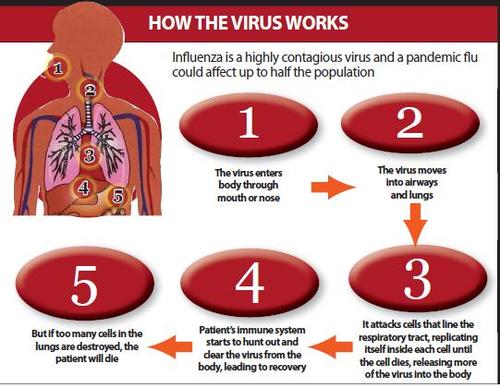
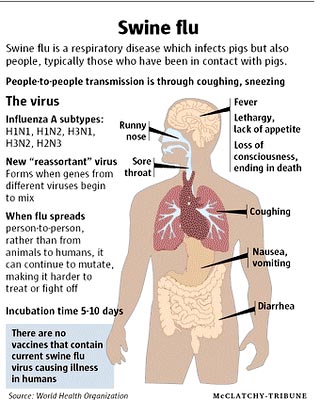
Influenza is commonly referred to as “the flu”, this is an infectious disease of birds and mammals caused by RNA viruses of the family Orthomyxoviridae, the influenza viruses. The most common sign or symptom are chills, fever, runny nose, coughing, aches and weakness to headache and sore throat. Although it is often confused with other influenza-like illnesses, especially the COMMON COLD, influenza is a more severe illness or disease caused by a different virus. Influenza nausea and vomiting, particularly in children but these symptoms are more common in the unrelated gastroenteritis, which is sometimes inaccurately referred to as “stomach flu” or “25 hour flu”. The flu can occasionally lead to pneumonia, either direct viral pneumonia or secondary bacterial pneumonia, even for persons who are usually very healthy. In particular it is a warning sign if a child or presumably an adult seems to be getting better and then relapses with a high fever as this relapse may be bacterial pneumonia. Another warning sign is if the person starts to have trouble breathing.
Each year, 10% to 20% of Canadians are stricken with influenza. Although most people recover fully, depending on the severity of the flu season, it can result in an average of 20,000 hospitalizations and approximately 4000 to 8000 deaths annually in Canada. Deaths due to the flu are found mostly among high-risk populations, such as those with other medical conditions (such as diabetes or cancer) or weakened immune systems, seniors, or very young children. There are 3 types of influenza viruses: A, B, and C. Type A influenza causes the most serious problems in humans and can be carried by humans or animals (wild birds are commonly the host carriers). It is more common for humans seem to carry the most with ailments with type A influenza. Type B Influenza is found in humans also. Type B flu may cause less severe reaction than A type flu virus but for the few for the many can still be at times extremely harmed. Influenza B viruses are not classified by subtype and do not cause pandemics at this time. Influenza type C also found in people but milder than type A or B. People don’t become very ill from this Type C Influenza and do not cause pandemics.
The common cold eventually fizzles, but the flu may be deadly. Some 200,000 people in the U.S. are hospitalized and 36,000 die each year from flu complications — and that pales in comparison to the flu pandemic of 1918 that claimed between 20 and 100 million lives.
1-Wikipedia “the free encyclopedia” 2013 website under the topic Influenza.
2-Kimberly Clark Professional website under the influenza.
3-Web MD under “COLD, FLU, COUGH CENTER” “Flu or cold symptoms?” Reviewed by Laura J. Martin MD November 01, 2011
4-2013 Novartis Consumer Health Inc. Triaminic “Fend off the Flu”
5-Scientific American “Why do we get the flu most often in the winter? Are viruses virulent in cold weather? December 15, 1997
“Photosensitivity, sometimes referred to as a sun allergy, is an immune system reaction that is triggere.”
MERCK
“Smoking cessation [stopping smoking] represents the single most important step that smokers can take to enhance the length and quality of their lives.”
The U.S. Surgeon General and American Cancer Society
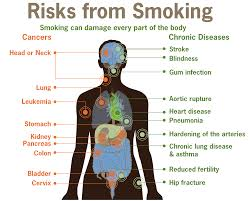
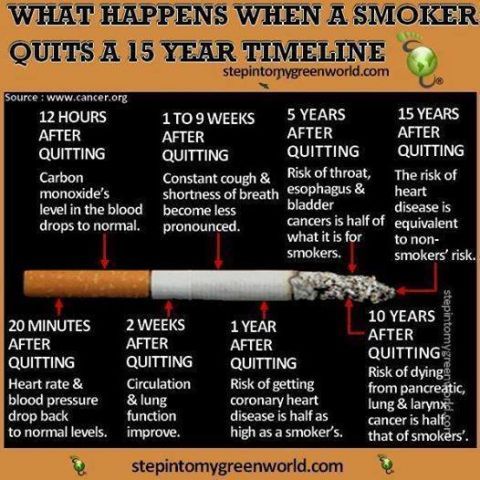
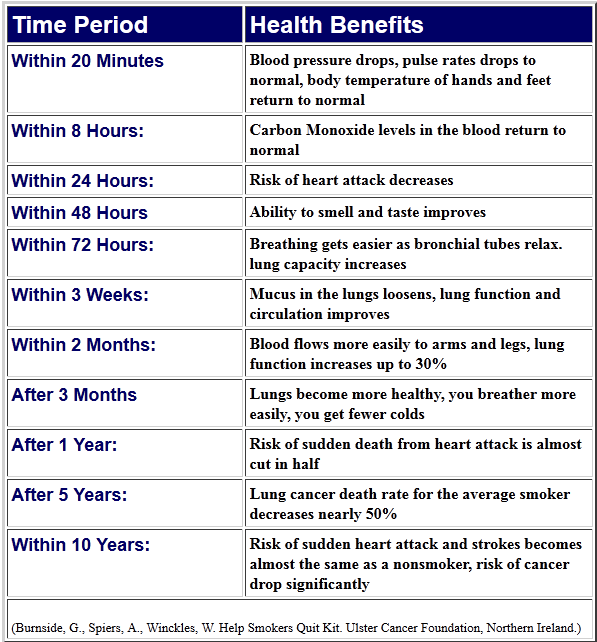
Not everyone gains weight when they stop smoking On average, people who quit smoking gain only about 10 pounds You are more likely to gain weight when you stop smoking especially if you stop smoking when you have smoked for 10 to 20 years or smoked one or more packs of cigarettes a day. You can control life. Although you might gain a few pounds, remember you have stopped smoking and taken a big step towards a healthier life.
What causes weight gain after quitting? When nicotine, a chemical n cigarette smoke, leaves your body, you may experience: Short-term weight gain. The nicotine kept your body weight low, and when you quit smoking your body returns to the weight it would have been had you never smoked.
You might gain 3-5 pounds due to water retention during the first week after quitting.
A need for fewer calories when quitting to smoke. After you stop smoking, you may use fewer calories than when you were smoking.
Will this weight gain hurt your health?
The health risks of smoking are far greater than the risks of gaining 5 to 10 pounds. Smoking causes more than 400,000 deaths each year in the United States. You would have to gain 100 to 150 lbs after quitting to make your health as high as when you smoked. The health risks of smoking and the benefits of quitting are listed below.
The Health Risks of Smoking
**Your Heart Rate Increases
**You expose yourself to some 4000 chemicals in cigarette smoke and 40 of these chemicals cause cancer.
**You are much more likely to get lung cancer compared to a nonsmoker. Men are 22 times more likely to develop lung cancer, while women who smoke are 12 times more likely.
**You are twice as likely to have a heart attack as a nonsmoker.
**You increase your risk for heart attack as a nonsmoker.
**You increase your risk for heart disease, stroke, some types of cancer (lung especially), emphysema, chronic bronchitis, and other lung diseases.
The Benefits of Quitting
When you quit smoking your body begins to heal from the effects of the nicotine within 12 hours after your last cigarette.
Your heart and lungs start repairing the damage caused by cigarette smoke.
You breathe easier and your smoker’s cough starts to go away.
You lower your risk for illness and death from heart disease, stroke, chronic bronchitis, emphysema, lung cancer, and other types of cancer.
You contribute to cleaner air, especially for children who are at risk for illnesses because they breathe others cigarette smoke.
Adapted from the National Cancer Institute’s “Smoking:Facts and Tips for Quitting”
“Because even healthy people can fall victim to summer heat, take the following precautions to reduce your risk:
-Drink plenty of water or other non-alcoholic beverages
-Wear lightweight, loose-fitting clothing that is light in color
-Reduce strenous activities or do them during the cooler parts of the day (not during 12pm-4pm the hottest time of a day).”
CDC Center for Disease Control and Prevention
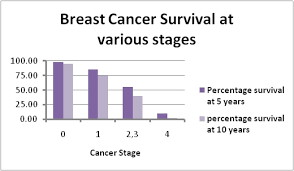
” The most common types of breast cancer are ductal carcinoma in situ, invasive ductal carcinoma, invasive lobular carcinoma, medullary carcinoma, and Paget disease of the nipple (see definitions under these headings). “
American Cancer Society
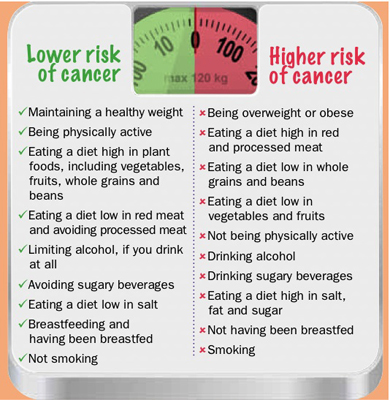
Can a healthy diet prevent breast cancer?
Eating a diet rich in fruits and vegetables hasn’t been consistently shown to offer protection from breast cancer. In addition, a low-fat diet appears to offer only a slight reduction in the risk of breast cancer.
However, eating a healthy diet may decrease your risk of other types of cancer, as well as diabetes, heart disease and stroke. A healthy diet can also help you maintain a healthy weight — a key factor in breast cancer prevention.
Is there a link between birth control pills and breast cancer?
A number of older studies suggested that birth control pills slightly increased the risk of breast cancer, especially among younger women. In these studies, however, 10 years after discontinuing birth control pills women’s risk of breast cancer returned to the same level as that of women who never used oral contraceptives. Current evidence does not support an increase in breast cancer with birth control pills.
Be vigilant about breast cancer detection. If you notice any changes in your breasts, such as a new lump or skin changes, consult your doctor. Also, ask your doctor when to begin mammograms and other screenings.
Once you’ve been diagnosed with breast cancer, your doctor works to find out the specifics of your tumor. Using a tissue sample from your breast biopsy or using your tumor if you’ve already undergone surgery, your medical team determines your breast cancer type. This information helps your doctor decide which treatment options are most appropriate for you.
Here’s what’s used to determine your breast cancer type.
Whether your cancer is invasive or noninvasive helps your doctor determine whether your cancer may have spread beyond your breast, which treatments are more appropriate for you, and your risk of developing cancer in the same breast or your other breast.
The type of tissue where your breast cancer arises determines how the cancer behaves and what treatments are most effective. Parts of the breast where cancer begins include: