“When you exhaust all possibilities remember this: You haven’t!”
Thomas Edison (Inventor and Businessman)
“When you exhaust all possibilities remember this: You haven’t!”
Thomas Edison (Inventor and Businessman)
By definition, Parkinson’s is a progressive disease. Although some people with Parkinson’s only have symptoms on one side of the body for many years, eventually the symptoms begin on the other side.
Parkinson’s Disease Foundation
“Parkinson’s disease is a progressive disorder of the nervous system that affects movement. While a tremor may be the most well-known sign of Parkinson’s disease, the disorder also commonly causes stiffness or slowing of movement.”
“Childhood obesity has more than doubled in children and quadrupled in adolescents in the past 30 years.”
Centers for Disease Control and Prevention
“The theory that diabetes may lead to Alzheimer’s disease has been around since 2005, but some researchers are ready to call the memory-loss-disease, Type 3 diabetes.”
Grandma’s Memory (a resource for those family and friends of those affected byAlzheimer’s dis ease/Dementia.
“Diabetes is linked to a 65 percent increased risk of developing Alzheimer’s, which may be due, in part, because insulin resistance and/or diabetes appear to accelerate the development of plaque in your brain, which is a hallmark of Alzheimer’s.”
American Diabetes Association
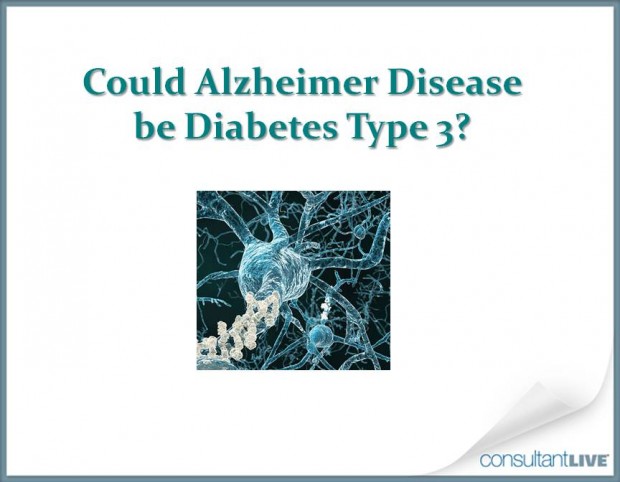
At one time Alzheimer’s disease was a disease considered with unknown etiology (or cause). Today it is considered different in the eyes of many in the medical profession. By a Dr. Mercola a physician who founded Mercola.com (Mercola.com is now the world’s top natural health resource site, with over 1.5 million subscribers.) feels this about alzeiher’s disease:
“The cause of the debilitating, and fatal, brain disease Alzheimer’s is conventionally said to be a mystery.”
While we know that certain diseases, like type 2 diabetes, are definitively connected to the foods you eat, Alzheimer’s is generally thought to strike without warning or reason.
That is, until recently.
Now, a growing body of research suggests there may be a powerful connection between the foods you eat and your risk of Alzheimer’s disease and dementia, via similar pathways that cause type 2 diabetes. Some have even re-named Alzheimer’s as “type 3 diabetes.””
Can You Eat Your Way to Alzheimer’s?
In a recent animal study, researchers from Brown University in Providence, Rhode Island were able to induce many of the characteristic brain changes seen with Alzheimer’s disease (disorientation, confusion, inability to learn and remember) by interfering with insulin signaling in their brains.1
Know that faulty insulin (and leptin, another hormone) signaling is an underlying cause for insulin resistance, which, of course, typically leads to type 2 diabetes. However, while insulin is usually associated with its role in keeping your blood sugar levels in a healthy range, it also plays a role in brain signaling. When researchers disrupted the proper signaling of insulin in the brain, it resulted in dementia.
What does this have to do with your diet? Let us go back to one of my articles on diabetes and how it impacts your diet. It states “The foods we eat that contain starches, carbohydrates, calories are made up of sugar. When food reaches our stomach in time digestion starts to take place where these foods are broken down in the stomach into individual or complex sugar molecules ( glucose being one of the most common and important ones). The glucose then passes from our stomach into our bloodstream when it reaches the liver 60 to 80 % of the glucose gets stored in that organ turning glucose into inactive glucose that’s converted to glycogen. The purpose for glycogen is when our glucose is low and our body needing energy we have this extra stored sugar, glycogen, to rely on. This is done by the liver which allows the sugar to be stored and released back into the bloodstream if we need it=energy, since nothing is in our stomach at that time, in that case scenario). When glucose=an active sugar, it is our energy for our cells and tissues and is a sugar ready to be utilized by the body where it is needed, by many organs. Think of a car for one moment, and what makes it run? That would be gas/fuel for it to function. The same principle with glucose in your bloodstream=fuel for the human body so we can function, for without it we wouldn’t survive. That is the problem with a person that has diabetes. They eat, they break the food down, the glucose gets in the blood but the glucose fuel can’t be used due to lack of or NO insulin at all. Insulin allows glucose to pass into our cells and tissues to be used as energy/fuel for the body parts to work. Glucose is used as the principle source of energy (It is used by the brain for energy, the muscles for both energy and some storage, liver for more glucose storage=that is where glucose is converted to glycogen, and even stored in fat tissue using it for triglyceride production). Glucose does get sent to other organs for more storage, as well. Insulin plays that vital role in allowing glucose to be distributed throughout the body. Without insulin the glucose has nowhere to go.”
So how does this impact your brain thinking? “This new focus on the Alzheimer’s/Diabetes/Insulin connection follows a growing recognition of insulin’s role in the brain. Until recently, the hormone was typecast as a regulator of blood sugar, giving the cue for muscles, liver and fat cells to extract sugar from the blood and either use it for energy or store it as fat. We now know that it is also a master multitasker: it helps neurons, particularly in the hippocampus and frontal lobe, take up glucose for energy, and it also regulates neurotransmitters, like acetylcholine, which are crucial for memory and learning.” What is effected with Alzheimer’s disease? Your memory and learning, So your diet plays a big role in Alzheimer’s disease.”
Over-consumption of sugars and grains is what ultimately causes your body to be incapable of “hearing” the proper signals from insulin and leptin, leaving you insulin resistant in both body and brain. Alzheimer’s disease was tentatively dubbed “type 3 diabetes” in early 2005 when researchers learned that the pancreas is not the only organ that produces insulin. Your brain also produces insulin, and this brain insulin is necessary for the survival of your brain cells.
If You Have Diabetes, Your Risk of Alzheimer’s Increases Dramatically
Diabetes is linked to a 65 percent increased risk of developing Alzheimer’s, which may be due, in part, because insulin resistance and/or diabetes appear to accelerate the development of plaque in your brain, which is a hallmark of Alzheimer’s. Separate research has found that impaired insulin response was associated with a 30 percent higher risk of Alzheimer’s disease, and overall dementia and cognitive risks were associated with high fasting serum insulin, insulin resistance, impaired insulin secretion and glucose intolerance.
A drop in insulin production in your brain may contribute to the degeneration of your brain cells, mainly by depriving them of glucose, and studies have found that people with lower levels of insulin and insulin receptors in their brain often have Alzheimer’s disease (people with type 2 diabetes often wind up with low levels of insulin in their brains as well). As explained in New Scientist, which highlighted this latest research:
What’s more, it encourages the process through which neurons change shape, make new connections and strengthen others. And it is important for the function and growth of blood vessels, which supply the brain with oxygen and glucose.
As a result, reducing the level of insulin in the brain can immediately impair cognition. Spatial memory, in particular, seems to suffer when you block insulin uptake in the hippocampus… Conversely, a boost of insulin seems to improve its functioning.
When people frequently gorge on fatty, sugary food, their insulin spikes repeatedly until it sticks at a high level. Muscle, liver and fat cells then stop responding to the hormone, meaning they don’t mop up glucose and fat in the blood. As a result, the pancreas desperately works overtime to make more insulin to control the glucose – and levels of the two molecules skyrocket.
The pancreas can’t keep up with the demand indefinitely, however, and as time passes people with type 2 diabetes often end up with abnormally low levels of insulin.”
Alzheimer’s Might be “Brain Diabetes”
It’s becoming increasingly clear that the same pathological process that leads to insulin resistance and type 2 diabetes may also hold true for your brain. As you over-indulge on sugar and grains, your brain becomes overwhelmed by the consistently high levels of insulin and eventually shuts down its insulin signaling, leading to impairments in your thinking and memory abilities, and eventually causing permanent brain damage.
Regularly consuming more than 25 grams of fructose per day will dramatically increase your risk of dementia and Alzheimer’s disease. Consuming too much fructose will inevitably wreak havoc on your body’s ability to regulate proper insulin levels.
Although fructose is relatively “low glycemic” on the front end, it reduces the affinity for insulin for its receptor leading to chronic insulin resistance and elevated blood sugar on the back end. So, while you may not notice a steep increase in blood sugar immediately following fructose consumption, it is likely changing your entire endocrine system’s ability to function properly behind the scenes.
Additionally, fructose has other modes of neurotoxicity, including causing damage to the circulatory system upon which the health of your nervous system depends, as well as profoundly changing your brain’s craving mechanism, often resulting in excessive hunger and subsequent consumption of additional empty carbohydrate-based calories.
In one study from UCLA, researchers found that rats fed a fructose-rich and omega-3 fat deficient diet (similar to what is consumed by many Americans) developed both insulin resistance and impaired brain function in just six weeks.6
Plus, when your liver is busy processing fructose (which your liver turns into fat), it severely hampers its ability to make cholesterol, an essential building block of your brain crucial to its health. This is yet another important facet that explains how and why excessive fructose consumption is so detrimental to your health. Decreasing fructose intake is one of the most important moves you can take in decreasing the risk of Alzheimer’s disease in your lifetime.
Tips for avoiding Alzheimer’s Disease is Part 2 tomorrow. 😉
“Dogs have a special chemistry with humans that goes back many tens of thousands of years. Researchers investigated this special evolutionary relationship from a number of different angles. Their results are surprising.”
Dr. Nigel Barber-The human beast (Psychology Today)






Goldsmiths College released a study that showed more dogs will approach someone who’s crying or in distress than someone who is not. This shows that dogs are empathetic and are eager to help comfort humans in pain.
Their sense of smell can do even more than we think; dogs can also detect low blood sugar in their master. They will either alert the person that the sugar has dropped or, if a diabetic attack has already occurred, will bark and bark and bark in an attempt to alert somebody to come help, thus working to save the diabetic’s life.
Some dogs are also able to detect seizures in humans. Recent research has shown certain dogs are able to warn seizure patients that they’re going to experience an attack, sometimes hours before it happens. Nobody yet knows how they do it, or why only certain dogs can do it. They also can’t be trained to do it, so if you feel you need a seizure-sniffing dog, you need to make sure you have yourself a natural.
Due to their incredible sense of smell, dogs have shown anywhere from 70 to 99% accuracy (depending on the study) when tasked with detecting lung cancer in a nearby patient.
Fibromyalgia is a debilitating disease that can leave its victim in constant pain. Studies have shown that the Xolo dog’s body temperature can be used as a kind of therapeutic heating pad, due to it being a hairless species. Of course, unlike heating pads, a Xolo will bond with you, snuggle with you and keep you warm as long as you need, leading to both external comfort and internal happiness.
In a surprising twist, it might actually be beneficial to get a dog for your baby, even if they’re allergic. Studies have shown that children under the age of one who live with a dog are much less likely to develop the chronic, and annoying, skin condition called eczema.
Dogs can highly make humans more social. The British Medical Journal has concluded that dogs act as “social catalysts,” who help people get out more, approach others more easily, and overall reduce isolation. This is actually just as important as the basic companionship that dogs provide, as human social support is beneficial to human health and the dog.
Simply by being themselves, dogs have been shown to help reduce PTSD among soldiers. In addition to providing the usual doggie companionship, they have been shown to help sufferers come out of their shells, be less numb and angry, and improve their social life as well.
A dog kissing you obviously feels wonderful, but it might actually have physical benefits too. Studies have shown that saliva, both the human and doggie variety, can help stimulate nerves and muscles, and get oxygen moving again, which is the secret ingredient in helping wounds to heal. In short, “licking your wounds” is not just a cliché after all.
Almost certainly due to the positive vibes and good feelings that dogs bring out of their masters, even in the worst of times, studies have found that older people who own dogs average at least one less doctor appointment per year than those who do not.
Not that they are the cure but preliminary studies by the American Heart Association are revealing that dog owners have less risk of heart disease than those without dogs. The reasons given are the exercise that owners get when walking their dogs, plus the presence of the dog helps the owner deal with stress better. The evidence is mostly anecdotal right now, but dog owners know that it’s all true.
Day-to-day depression, or even more serious chronic depression, is easier to handle with the love of a dog, studies show. Simply by having them around, and knowing that even at our worst, somebody loves us unconditionally and is eager to see us happy again, we’re given a reason to get up and keep going.
Autistic children often find the world very stressful, in ways that the non-autistic can’t understand. Luckily, a dog can. Studies are showing that bringing a therapy dog into an autistic household helps to reduce the amount of cortisol (a stress hormone) in the autistic child’s body. This both calms the child down and shows him that he has a friend.
Bullying has been a huge problem for a long time, and people are finally doing something about it. Dogs, too. Experimental programs have been launched that bring dogs into schools to promote empathy, with the lesson that you shouldn’t treat people badly, because you wouldn’t do it to a dog. Thus far, kids have been able to make the connection, which will hopefully continue to be the case.
Dogs have shown that they can help keep dementia sufferers on schedule, reminding them when its time for medicine and when to see the doctor. In addition, when the owner experiences frustration over the state of their mind, the “dementia dog” is right there to support them, comfort them, and remind them that someone’s always there for them.
AREN’T DOGS AMAZING!!
“The normal size of the heart is about the size of your fist, maybe a little bigger. It pumps blood continuously through your entire circulatory system. This organ keeps us alive circulating oxygen throughout out our body to all tissues.”
American Heart Association