
Archives

QUOTE FOR THE WEDNESDAY:

“Bedbugs are small, reddish-brown blood-sucking, wingless insects. Bedbug bites usually clear up without treatment in a week or two. Bedbugs aren’t known to spread disease, but they can cause an allergic reaction or a severe skin reaction in some people. Bedbugs are about the size of an apple seed. They hide in the cracks and crevices of beds, box springs, headboards, bed frames and other objects around a bed and come out at night to feed on their preferred host, humans. The risk of running into bedbugs is higher if you spend time in places where nighttime guests come and go often — such as hotels, hospitals or homeless shelters.

Lice are tiny, wingless insects that feed on human blood. Lice spread from person to person through close contact and by sharing belongings. You or your doctor can usually confirm a body lice infestation through a visual examination of your body and clothing items.There are 3 types of lice head, body, and pubic lice. Unless treated properly, lice can become a recurring problem.”.

MAYO CLINIC (https://www.mayoclinic.org/diseases-conditions/lice/symptoms-causes/syc-20374399)

Bugs that bite=Bed Bugs versus Lice.

Bite marks on the body are the first sign of a bug infestation.

However; there are many species of bloodsucking mites and insects some of which typically include fleas, lice, ticks, bed bugs and so on. So how can you tell what is biting you?

This article will inform you the differences between bed bug bites vs lice bites in order to help you better understand what is biting you.

The first sign of a bed bug infestation is bite marks on your body as well as those of your family members. However, in many people, there is no significant visible reaction as they may have grown immune to the bed bug bites. Hence; it is important to also watch out for other tell-tale signs of bed bugs which typically include brown or rust colored stains on mattresses, discarded white or brown colored shells, as well as an obnoxious almond like smell in the air near the sleeping areas.

Bed bug bites also have following distinguishing characteristics:

  • Bite marks may be seen on face, arms, legs and neck.
  • The bites typically produce swollen bump with or without a red spot at the centre.
  • The bites may be present in a linear pattern with groups of 2 or three bumps in one spot where the bed bug has inserted its mouthparts into the skin.
  • In some people, the bites might lead to an allergic reaction which can cause intense itchiness, pain, and inflammation.

Bed bugs hide during the daytime and usually come out only at night-time to feed. So make sure you check your sleeping areas for bed bug signs. The pests also tend to hide in cracks and crevices around the bedding, so visually examine these areas. You will also have to vacuum the entire house and, if needed, discard heavily infested items.

Now Lice=What’s the actual difference with Beg Bugs?

Body lice or head lice are common reasons why humans develop itchiness in their scalp or other body parts. The main similarity between bed bugs vs body lice is that both are typically seen in low economy housing areas or areas where humans have to live in close or cramped quarters under unsanitary conditions. Body lice are also common in school-aged children as they tend to come in close contact with infested kids. Bed bugs may be even found in the cleanest of places including five star hotels or posh residential areas. This is because; they have nothing to do with cleanliness or hygiene and usually come inside one’s homes through the luggage or even through buses, planes, movie theatres and retail stores.

Body lice bites can cause severe irritation on the skin. In sensitive people, red bumps might arise on the bitten areas. Large infestation can even lead to pain, fever, headaches and chills. Crab lice (pubic lice) often produce bluish spots about 1/10th of an inch in measurement in the bitten regions.

Summary of differences between bed bugs and body lice

  • Bed bugs are larger in size than body or hair lice and can be best compared (in size as well as appearance) to an apple seed. Body lice or hair lice measure upto 3mm in length.
  • Bed bugs leave characteristic tell-tale signs like a almond-like smell, discarded shells or exoskeletons as well as bloody or fecal matter on the bedding and sleeping areas. Body lice are usually only found through combing with a fine toothed comb.
  • Bed bugs get transported from place to place through infested hotels, planes, buses or trains etc. Body lice such as crab lice are transmitted through sexual activities.
  • Bed bug bites vs body lice bites: The former may be seen on face, arms, back, neck, chest or other exposed body parts. Body lice or hair lice bites may be present only on specific areas such as scalp, pubic region etc.
  • Bed bug bites do not lead to any diseases. Body lice can lead to shivering, fever, aches and pains, especially in case of more severe infestations.
  • The best remedies for both bed bug bites and body lice bites is treating and eliminating the infestations from the root. Bed bug infestations might need an integrated pest control approach such as vacuuming, discarding infested items, and spraying or dusting the areas with bed bug products. In case of lice, one will need to use lice combs, anti-lice solutions, lotions, shampoos and soaps to kill the larvae and eggs.

Though potentially harmless, both bed bug bites and body lice bites can be extremely annoying and itchy. Hence, it is vital to know how to identify the bug bites VS. lice through how they feel and look in order to seek proper medical attention or treat it at home so you get rid of the entire infestation of bed bugs or lice.

QUOTE FOR TUESDAY:

“Parkinson’s disease is an age-related degenerative brain condition, meaning it causes parts of your brain to deteriorate. It’s best known for causing slowed movements, tremors, balance problems and more. It is ranking second among age-related degenerative brain diseases. It’s also the most common motor (movement-related) brain disease. The best-known symptoms of Parkinson’s disease involve loss of muscle control. However, experts now know that muscle control-related issues aren’t the only possible symptoms of Parkinson’s disease.  Parkinson’s disease is not curable, but there are multiple ways to manage its symptoms. The treatments can also vary from person to person, depending on their specific symptoms and how well certain treatments work. Medications are the primary way to treat this condition.”

Cleveland Clinic (https://my.clevelandclinic.org/health/diseases/8525-parkinsons-disease-an-overview)

QUOTE FOR MONDAY:

“Parkinson’s disease affects 10 million people worldwide, along with its symptoms, causes and treatments. Symptoms generally develop slowly over years. The progression of symptoms is often a bit different from one person to another due to the diversity of the disease. The cause remains largely unknown. Scientists believe a combination of genetic and environmental factors are the cause.  The first step to living well with Parkinson’s disease is to understand the disease and the progression.

Parkinson’s Foundation (https://www.parkinson.org/understanding-parkinsons/what-is-parkinsons)

QUOTE FOR THE WEEKEND:

Parkinson’s disease is a brain disorder that causes unintended or uncontrollable movements, such as shaking, stiffness, and difficulty with balance and coordination. Symptoms usually begin gradually and worsen over time. As the disease progresses, people may have difficulty walking and talking.  While virtually anyone could be at risk for developing Parkinson’s, some research studies suggest this disease affects more men than women. It’s unclear why, but studies are underway to understand factors that may increase a person’s risk. One clear risk is age since most are over 60 y/o.”

NIH National Institute on Aging (https://www.nia.nih.gov/health/parkinsons-disease)

QUOTE FOR FRIDAY:

“When you’re over age 65, your immune system isn’t as strong as it used to be. Seniors make up the bulk of the people who die or are hospitalized for flu-related problems like one being pneumonia to sepsis.  Getting older can be a triple whammy. You lose muscle as you age. That makes it harder to keep the pounds from creeping up. You also become less active. At the same time, your body burns fewer calories for the same physical activities as when you were younger.  Our nutritional needs change as we age. Many of us don’t eat as well. Plus, older bodies can more easily lack certain vitamins and nutrients.  Also, bones become less dense and more prone to breaks and fractures.  Did you know that age is the single biggest predictor of your chances of getting cancer? It jumps up after you hit age 50. Half of all cancers happen in people over age 65. For lung cancer, the median age is 70.  Still getting older doesn’t mean you’re destined to get cancer. You can adopt healthy habits proven to help you lower the odds.”.

WebMD (https://www.webmd.com/healthy-aging/challenges-of-aging)

Senior Wellness/Health and how to help it especially in the Spring continuing into the future!

 
Common Health Challenges That Affects Older People
  • Arthritis. Arthritis is more common among adults aged 65 years or older, but it can affect people of all ages, including children. …
  • Diabetes. …
  • Oral Health. …
  • Hypertension. …
  • Dementia.
  •  hearing loss
  • cataracts and refractive errors
  • chronic obstructive pulmonary disease
  • depression

Older adults are disproportionately affected by chronic conditions, such as diabetes, arthritis, and heart disease. Nearly 95% percent have at least one chronic condition, and nearly 80% of have two or more.

More than one out of four older adults falls each year.  3 million adults 65+ are treated in emergency departments for unintentional fall injuries each year.

People worldwide are living longer. Today most people can expect to live into their sixties and beyond. Every country in the world is experiencing growth in both the size and the proportion of older persons in the population.

By 2030, 1 in 6 people in the world will be aged 60 years or over the World Health Organization states.

What can you do about this?

1-Stay Active:

Exercise lowers your risk of heart disease, type 2 diabetes, high blood pressure, and some cancers, and that powerful effect leads to something experts call “compression of morbidity.” It essentially means you stay healthy longer in your late years, as compared with someone who spends the final five or 10 years of life battling chronic illness.

Exercise is also one of the best things you can do to help prevent dementia and other cognitive changes. You don’t have to kill yourselt in a workout environment for a long time or in anything.  Once you’re cleared by your doctor, aim for at least 30 minutes of physical activity most days of the week.

2-Diet:

We can always improve our diet.  There are all sorts of plans out there to help you lose weight, but it’s not only about dropping pounds. There is the Mediterranean-style diet for anyone hoping to avoid dementia as well as minimize other health risks. It’s high in fruits, vegetables, whole grains, olive oil, and fish, and low in meat, sugar and processed foods—all to help your cells function better.

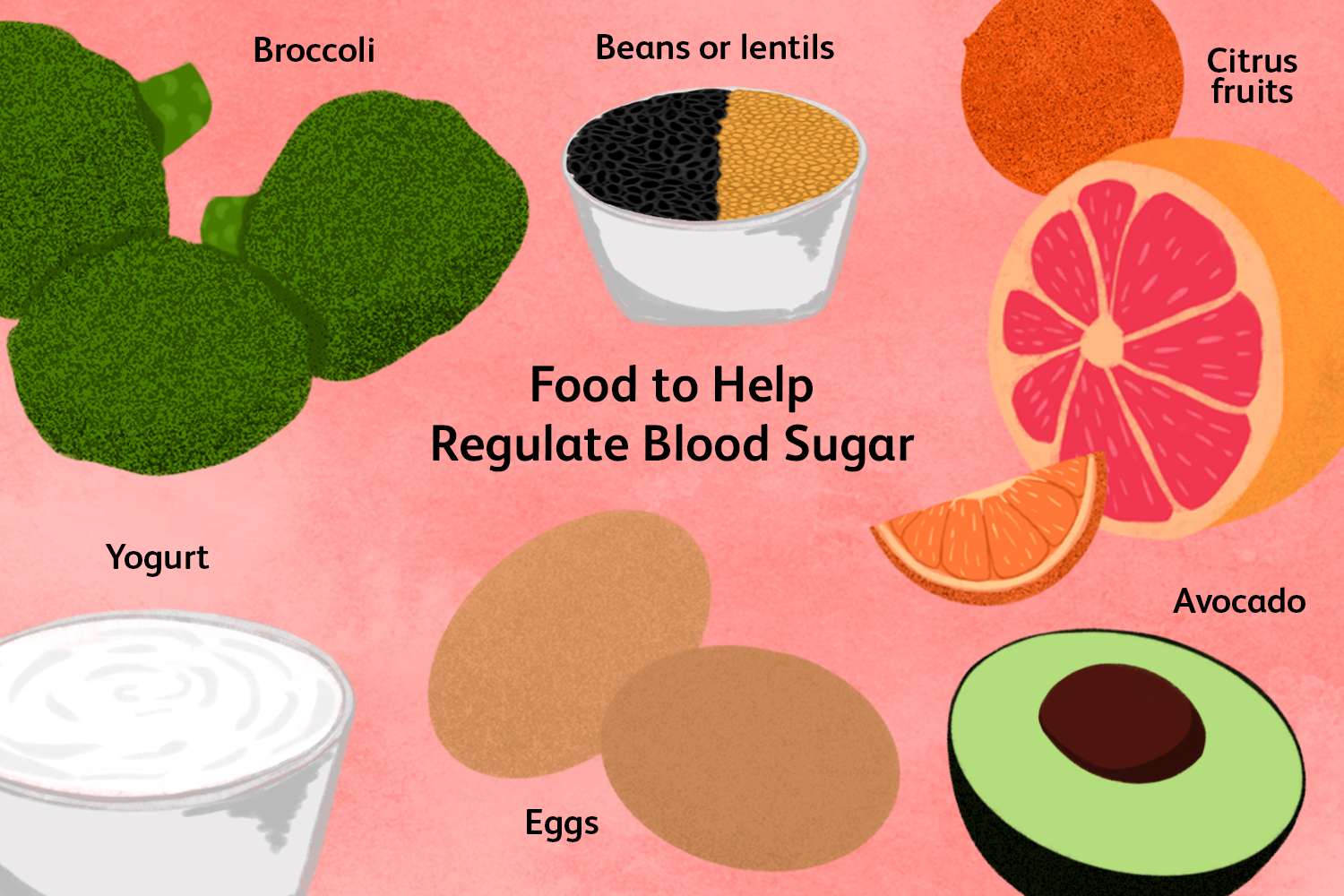
Spring is the season of new life, and this includes many fruits and vegetables that come back into season in springtime. Produce like asparagus, cucumbers, radishes, peppers, sweet potatoes, and strawberries, just to name a few, all are in season in the spring. As so many varieties of fruits and greens are available again, this makes spring the perfect time to easily find fresh and organic foods to incorporate into your diet. Making changes to your diet can have long term positive effects on your overall health. Consider swapping out processed foods for fresh ingredients, limiting red meat, and incorporating sources of healthy fats like avocado or fish. Making these changes and eating seven to 10 servings of fruits and vegetables each day can help reduce your risk of chronic illnesses like heart disease, diabetes, cancer and dementia.

Always check with your doctor about changing your diet and activity changes you want to make!

Now spring has arrived!  It is especially important to stay hydrated. With aging, the ability to notice thirst may begin to decline. This means that it can be difficult for seniors to drink enough water and prone to dehydration. Drinking water throughout the day is the best way to stay hydrated, but this can be difficult to remember to do or for those who prefer flavored beverages. A couple of tricks to make it easier for you to increase your water intake are to carry a water bottle with you and try adding fresh or frozen fruit to add a boost of flavor. Dehydration can make you more vulnerable to fatigue as well as memory loss or poor concentration. You can further boost your daily water intake by eating foods that are rich in moisture, like watermelon or cucumber.

A simple way to calculate how much water you need to drink each day is to take half your body weight and drink that amount in ounces of water.

Ex. Let’s say the weight is 185lbs and that divided by 2 is 92.5 lbs and now x 16 oz=1480ml of water a day. 1.5 ml/day and you always check with you primary doctor!

3 Good Sleep:

Lack of sleep impacts your memory, emotions, weight and even your appearance. The older you get, the harder it can be to fall and stay asleep, but you still need the same amount of hours.

Older adults need about the same amount of sleep as all adults—7 to 9 hours each night. But, older people tend to go to sleep earlier and get up earlier than they did when they were younger.

According to the National Sleep Foundation, most sleep problems are a result of snoring, medication side effects and underlying medical conditions, such as acid reflux, depression and prostate problems. Addressing those issues with your doctor is a good start. You can also enjoy more satisfying sleep by creating a calming space, dedicating enough time for sleep and practicing relaxation techniques.

Breaking the old habits can be hard, what can you do?

Breaking old habits and creating new ones can be hard, but health changes are key to continue healthy and independent living. Consider quitting smoking, drinking alcohol less and eating more nutrient-dense foods to improve physical health.  You need to prioritize what your goals are.  To either loose more weight, get more active, or whatever the key is disciplining yourself with rewarding yourself in return at first which is reaching closer to your goal=SUCCESS.  If you need to loose weight change your diet for the better.  Increase your activity with exercise and daily activities of living increase. Exercise can be 30 minutes a day.  It probably won’t happen over night but don’t expect results over night, like most things it takes some time. Stress and mental health also largely impact health and quality of life. Try picking up a new hobby, being more social and keeping an organized and tidy living space to boost your moods and encourage calmness. In order to help you stay consistent and create new habits, set clear goals for yourself and practice consistency. Try sharing your goals with a caregiver, friend or family member to cheer you on and hold you accountable and help push you.  In time these changes will be something you want to do.  When you loose the weight treat yourself now and than as a reward!

You may just love the results in what you find in time; your goal achieved and your in better health lessening your chance of disease!!

Remember to always check with your MD when you make changes in diet or activity that the MD approves who knows your health status better than anyone else!


QUOTE FOR THURSDAY:

“The American Cancer Society’s most recent estimates for oral cavity and oropharyngeal cancers in the United States are for 2023:

  • About 54,540 new cases of oral cavity or oropharyngeal cancer
  • About 11,580 deaths from oral cavity or oropharyngeal cancer

The average age of people diagnosed with these cancers is 64, but they can occur in young people. Just over 20% (1 in 5) of cases occur in people younger than 55.”.

American Cancer Society (https://www.cancer.org/cancer/oral-cavity-and-oropharyngeal-cancer/about/key-statistics.html)

QUOTE FOR WEDNESDAY:

“Overall, about 1 in 2,000 people in the United States may have narcolepsy. The actual number of people who it affects may be higher. This is because the symptoms can be similar to other sleep disorders, such as obstructive sleep apnea.

Narcolepsy develops as a result of changes in the hypothalamus region of your brain, basically. This small gland is located above your brain stem.

The hypothalamus helps regulate the release of hormones that affect numerous parts of your body. For example, it’s responsible for releasing hypocretins, which help regulate sleep.

Hypocretin neurons help regulate your sleep-wake cycles. These chemicals in your brain are at their highest levels when you’re awake. They naturally decrease during your normal bedtime.

But when you have narcolepsy, hypocretin releases are low. This causes disruptions during the daytime, such as excessive sleepiness and fatigue. You may also tend to take more naps during the day.

Reduced hypocretins are strongly linked to narcolepsy type 1. This type of narcolepsy includes:

  • disrupted sleep cycles
  • daytime fatigue
  • cataplexy (sudden loss of muscle control)

A rare form of narcolepsy can develop as a result of   damage to the hypothalamus from a brain injury. This is known as secondary narcolepsy.

Secondary narcolepsy is a severe neurological condition that can lead to irregular sleep cycles as well as memory loss and mood disorders.   If you have type 2 narcolepsy, you may experience issues with sleep cycle regulation but don’t   have issues with cataplexy.  The cause of type 2 narcolepsy is unclear.”

Healthline (https://www.healthline.com/health/narcolepsy/narcolepsy-and-your-brain#brain-chemicals)


QUOTE FOR TUESDAY:

“Narcolepsy is a neurological disorder that causes persistent sleepiness and additional symptoms such as brief episodes of muscle weakness known as cataplexy, vivid, dreamlike hallucinations, brief episodes of paralysis when falling asleep or upon awakening (sleep paralysis), and fragmented nighttime sleep. Symptoms typically develop over several months and last a lifetime.

Narcolepsy is a manageable condition, and people with narcolepsy can lead full and rewarding lives.  One cause is genetic factors clearly play a role. Most people with narcolepsy have inherited a gene that codes for the human leukocyte antigen (HLA) DQB1*06:02, which is important for immune function. This gene is found in 12–25% of the general population, and it increases the risk of developing narcolepsy 7- to 25-fold.3 Additional genes can increase or decrease the risk of developing narcolepsy, and, like HLA-DQB1*06:02, most of these affect the functions of the immune system. Normally, the immune system kills off bacteria and viruses. These discoveries suggest that narcolepsy is an autoimmune disease in which the immune system accidentally kills off the hypocretin-producing neurons. “.

Harvard University (https://healthysleep.med.harvard.edu/narcolepsy)