Archives

QUOTE FOR THURSDAY:

“Sarcoma is a type of cancer that can occur in various locations in your body.

Sarcoma is the general term for a broad group of cancers that begin in the bones and in the soft (also called connective) tissues (soft tissue sarcoma). Soft tissue sarcoma forms in the tissues that connect, support and surround other body structures. This includes muscle, fat, blood vessels, nerves, tendons and the lining of your joints.

There are more than 70 types of sarcoma. Treatment for sarcoma varies depending on sarcoma type, location and other factors.”.

MAYO CLINIC

QUOTE FOR THE WEDNESDAY:

“Many people who have been burned in fires have also inhaled smoke. Sometimes people inhale smoke without sustaining skin burns.

Inhaling small amounts of smoke usually causes no serious, lasting effects. However, if the smoke contains certain poisonous chemicals or is unusually dense or if inhalation is prolonged, serious problems can develop. Even common household materials such as plastics and fabrics can produce poisonous chemicals (toxic products of combustion) when they burn.

Smoke inhalation can cause problems in several ways:  Suffocating the body with carbon monoxide,  Poisoning the body with toxic chemicals, Damaging the windpipe, breathing passages, and/or lungs from toxic chemicals,  Burning the mouth and throat from hot gases, Carbon monoxide is a gas produced in many fires. When inhaled, carbon monoxide prevents the blood from carrying oxygen so tissues do not get enough oxygen.”.

MERCK MANUAL

Exposure to fire inhalation!

The smoke released by any type of fire (forest, brush, crop, structure, tires, waste or wood burning) is a mixture of particles and chemicals produced by incomplete burning of carbon-containing materials. All smoke contains carbon monoxide, carbon dioxide and particulate matter (PM or soot). Smoke can contain many different chemicals, including aldehydes, acid gases, sulfur dioxide, nitrogen oxides, polycyclic aromatic hydrocarbons (PAHs), benzene, toluene, styrene, metals and dioxins. The type and amount of particles and chemicals in smoke varies depending on what is burning, how much oxygen is available, and the burn temperature.

Exposure to high levels of smoke should be avoided. Individuals are advised to limit their physical exertion if exposure to high levels of smoke cannot be avoided. Individuals with cardiovascular or respiratory conditions (e.g., asthma), fetuses, infants, young children, and the elderly may be more vulnerable to the health effects of smoke exposure.

Inhaling smoke for a short time can cause immediate (acute) effects. Smoke is irritating to the eyes, nose, and throat, and its odor may be nauseating. Studies have shown that some people exposed to heavy smoke have temporary changes in lung function, which makes breathing more difficult. Two of the major agents in smoke that can cause health effects are carbon monoxide gas and very small particles (fine particles, or PM2.5 ). These particles are two and one half (2.5) microns or less in size (25,400 microns equal an inch) and individual particles are too small to be seen with the naked eye.

Inhaling carbon monoxide decreases the body’s oxygen supply. This can cause headaches, reduce alertness, and aggravate a heart condition known as angina. Fine particles are able to travel deeply into the respiratory tract, reaching the lungs. Inhaling fine particles can cause a variety of health effects, including respiratory irritation and shortness of breath, and can worsen medical conditions such as asthma and heart disease. During increased physical exertion, cardiovascular effects can be worsened by exposure to carbon monoxide and particulate matter. Once exposure stops, symptoms from inhaling carbon monoxide or fine particles generally diminish, but may last for a couple of days.

More than half of fire-related deaths result from smoke inhalation, according to the Burn Institute. Smoke inhalation occurs when you breathe in harmful smoke particles and gases. Inhaling harmful smoke can inflame your lungs and airway, causing them to swell and block oxygen. This can lead to acute respiratory distress syndrome and respiratory failure.

Smoke inhalation commonly happens when you get trapped in a contained area, such as a kitchen or home, near a fire. Most fires occur in the home, often from cooking, fireplaces and space heaters, electrical malfunctions, and smoking.

Avoiding smoky situations is the best way to avoid exposure. If your age or health status places you at greater risk from smoke exposure you should speak with your doctor about alternative steps you can take when encountering smoky situations. Anyone with persisting or frequent symptoms that they think are associated with smoke exposure should see their health care provider. Additional information on carbon monoxide and fine particles can be found at the web addresses listed at the end of this fact sheet.

There is also the potential for chronic health effects from exposure to the components of smoke. Long term exposure to ambient air containing fine particles has been associated with increases in cardiovascular disease and mortality in populations living in areas with higher fine particulate air pollution. Frequent exposure to smoke for brief periods may also cause long-term health effects. Firefighters, who are exposed frequently to smoke, have been examined for long-term health effects (for example, cancer, lung disease, and cardiovascular disease) of repeated smoke exposures. The findings from these studies are not consistent or conclusive. Some studies show an increased frequency of these diseases among firefighters compared to similar male reference populations (e.g., male policemen, white males in the general population), while others do not.

When it is necessary to work in heavy smoke, use appropriate respiratory protection to reduce exposure to the particles and gases in smoke.

QUOTE FOR TUESDAY:

“We don’t know for sure what causes cleft lip and palate. They may be caused by a combination of things, like genes and things in your environment, like what you eat or drink and medicines you take. Genes are parts of your body’s cells that store instructions for the way your body grows and works. Genes are passed from parents to children.”

March of Dimes (https://www.marchofdimes.org/find-support/topics/birth/cleft-lip-and-cleft-palate)

QUOTE FOR MONDAY:

“July is National Cleft and Craniofacial Awareness Month. The American Cleft Palate-Craniofacial Association (ACPA; https://acpa-cpf.org/) Craniofacial anomalies (CFA) are a diverse group of deformities in the growth of the head and facial bones. Anomaly is a medical term meaning “irregularity” or “different from normal.” These abnormalities are present at birth (congenital) and there are numerous variations. Some are mild and some are severe and need surgery. Some craniofacial anomalies are associated with anomalies elsewhere in the body, which can be serious..”

The American Cleft Palate-Craniofacial Association (ACPA; https://acpa-cpf.org/)

QUOTE FOR THE WEEKEND:

“When your baby is born, the blood left inside the umbilical cord is very special. It contains powerful hematopoietic stem cells, which have a 30-year history of helping to save lives through transplant medicine. There’s also exciting research using cord blood for regenerative medicine, which aims to harness the powerful cells inside to help the body heal itself. Both cord blood and cord tissue are rich sources of powerful stem cells. Newborn stem cell preservation is the process of saving the blood and tissue from the umbilical cord, after birth, for potential future use. Cord blood stem cells have been used in the treatment of over 80 conditions as part of a stem cell transplant. Today, stem cell research continues to evolve, bringing new hope to patients and their families. In fact, more than 500 CBR families have already used their preserved cord blood in a stem cell transplant or investigational setting.”

CBR Blog (https://blog.cordblood.com/2019/06/cord-blood-awareness-month-help-spread-the-word/)

QUOTE FOR FRIDAY:

“There is no single test that doctors can use to diagnose JIA. However, they may suspect that a child has the disease if he or she is younger than age 16 and has unexplained joint pain, stiffness, or swelling that has lasted for at least 6 weeks. Doctors usually diagnose JIA by ruling out other conditions that have similar features.  The goals of treatment are directed on control inflammation, reduce pain and stiffness, prevent joint and organ damage, preserve and improve joint function, promote physical and psychosocial growth and development, and achieve remission.  Most children with JIA need a combination of medicines and a healthy lifestyle, including a balanced diet and exercise, to reach these goals. The specific treatment plan will depend on the child’s age, the type of JIA, and on other factors, such as disease severity. In general, doctors will treat the disease aggressively early on, tapering off medications once remission is reached.”

National Institute of Arthritis and Musculoskeletal and Skin diseases – NIH (https://www.niams.nih.gov/health-topics/juvenile-arthritis/diagnosis-treatment-and-steps-to-take)

QUOTE FOR THURSDAY:

“Arthritis in children is called childhood arthritis or juvenile arthritis. The most common type of childhood arthritis is juvenile idiopathic arthritis (JIA), also known as juvenile rheumatoid arthritis.

Childhood arthritis can cause permanent physical damage to joints. This damage can make it hard for the child to do everyday things like walking or dressing and can result in disability.”

Centers for Disease Prevention and Control (CDC)

QUOTE FOR WEDNESDAY:

Rheumatoid arthritis and osteoarthritis are different types of arthritis. They share some similar characteristics, but each has different symptoms and requires different treatment. So an accurate diagnosis is important.

Osteoarthritis is the most common form of arthritis. Rheumatoid arthritis affects about one-tenth as many people as osteoarthritis.

The main difference between osteoarthritis and rheumatoid arthritis is the cause behind the joint symptoms. Osteoarthritis is caused by mechanical wear and tear on joints. Rheumatoid arthritis is an autoimmune disease in which the body’s own immune system attacks the body’s joints.”

MyHealth.Alberta.Ca (https://myhealth.alberta.ca/Health/Pages/conditions.aspx?hwid=aa19377)

Part I Knowing the difference to Arthritis versus Rheumatoid Arthritis.

arthritis 3arthritis 2


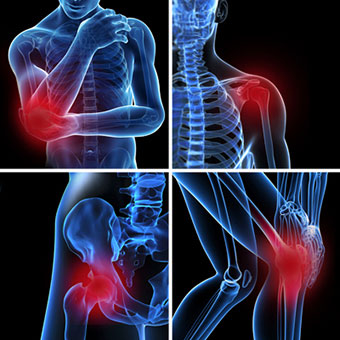
Arthritis is inflammation of one or more of your joints. (Arthro=joint / itis = inflammation)

The main symptoms of arthritis are joint pain and stiffness, which typically worsen with age. Rheumatoid Arthritis symptoms are joint inflammation that comes from pain, warmth, and swelling. The inflammation is typically symmetrical that is occurring on both sides of the body at the same time (such as hands, wrists, or knees). Other signs of Rheumatoid Arthritis include joint stiffness that is particularly in the AM upon awakening or after periods of inactivity; ongoing fatigue, and low-grade fever. Signs and symptoms come about gradually over years but can come on rapidly for some other people.

The two most common types of arthritis are osteoarthritis and rheumatoid arthritis.

Osteoarthritis is usually caused by normal wear and tear, while rheumatoid arthritis is an autoimmune disorder. Other types of arthritis can be caused by uric acid crystals, infections or even an underlying disease, such as psoriasis or lupus.

Treatments vary depending on the type of arthritis. The main goals of arthritis treatments are to reduce signs or symptoms and improve quality of life through Occupational or Physical Therapy and/or through medications, the old way.

Things that make arthritis worse: 1.) conventional medicine through doctors ordering medications (see Dr. David Brownstein’s website for his Natural Way to Health (with his book) to overcome arthritis). Drugs rarely CURE things. We are trained to believe doctors have all the answers with medications or surgeries in resolving our health problem. NOT THE CASE ALWAYS. It’s unnatural with arthritis and many other diagnoses. Natural therapies and good foods are not taken seriously by enough people in America in regards to helping a condition, like arthritis, or even prevention (which should be your first intervention, don’t wait for the diagnosis).

2.)Infection – check if a bacterial infection started your arthritis. If that is the cause antibiotics, low dose some doctors have given to people in studies and have worked. You would think this would be used more often, at least in testing for before just prescribing anti-inflammatory or analgesics meds. If its infection you need to kill the bacteria and the only way to do that it is with an antibiotic which kills a bacterial infection.

3.)DIET – Too many sugars or chemical preservatives and sweeteners which is in the standard American diet. Processed Foods are BAD.  The same foods that cause obesity, diabetes and coronary artery disease can easily cause arthritis. Increase your fruits and nuts in your diet. Vitamin C and E are good for you. Pomegrante extract also.

4.) Dehydration- main causes of arthritis. Many simplify the problem. Your joints need water and if not enough it will cause an auto immune response=inflammation and get worse with processed foods.

5.) Heavy metal toxicity-Mercury, Arsenic and Nickel it includes. Not a fluke and mercury is one of the worst metals to have toxic in your body. Fish is the second worst source of heavy metal food. Few things you can do now, eat tuna occasionally. Silver malcum fillings have your dentist remove. Have your doctor do a heavy metal toxicity test on you if you never had one done and with arthritis.

6.) Low or imbalances of hormones=headache, faster aging, fatigue/lethargy, skin wrinkling sooner in life. Synthetic hormones don’t perform as well in your body and can lead to problems. Female hormones   can increase your chance to breast cancer for example.

ACT America and one way to do that is go to Dr. David Brownstein website and check out Reverse your Arthritis to deal with your arthritis naturally and reading his books with bonuses.

Diet and bodyweight impact on arthritis

Experts say that eating a well-balanced diet is vital when you have arthritis. Not only will you be receiving critical nutrients, you will also be either maintaining or arriving more quickly at a healthy bodyweight. If you are overweight you will be adding extra pressure on weight-bearing joints. Many patients have found that losing just a few pounds made a significant difference to their quality of life. Doctors and nutritionists are more frequently advising arthritis patients to keep sugary and/or fatty foods to a minimum – such as red meat, cream and cheese. You should make sure you are eating plenty of fruit and vegetables, as well as whole grains. Omega-3 essential fatty acids are thought to relieve to some extent the symptoms of arthritis. A common source of Omega-3 fatty acids is oily fish, such as sardines, herring, trout, and salmon.  The healthier our country the better our health care system will turn out for everyone.