Though that ADHD is something that kids would outgrow.
We now know this is not true.
ADHD is neurobiological disorder that affects individuals across the lifespan.
ADHD doesn’t end at age 18. When adult ADHD goes undiagnosed, is misdiagnosed, or is not adequately treated, the effects can extend well beyond the individual.
The doctor for adults never diagnosed or miss diagnosed for ADHA will examine the consequences when this happens to adults with ADHD that can also include patients with management that was discontinued, or care poorly managed, including increased risks related to employment and economic stability, relationships, physical and mental health, substance use, driving and injury, and involvement with the justice system.
For policymakers, these are not simply healthcare concerns. The effects of undiagnosed and inadequately treated ADHD can ripple through the workforce, families, schools, healthcare systems, public safety, and communities. They have a direct financial and social cost to their constituents and communities.
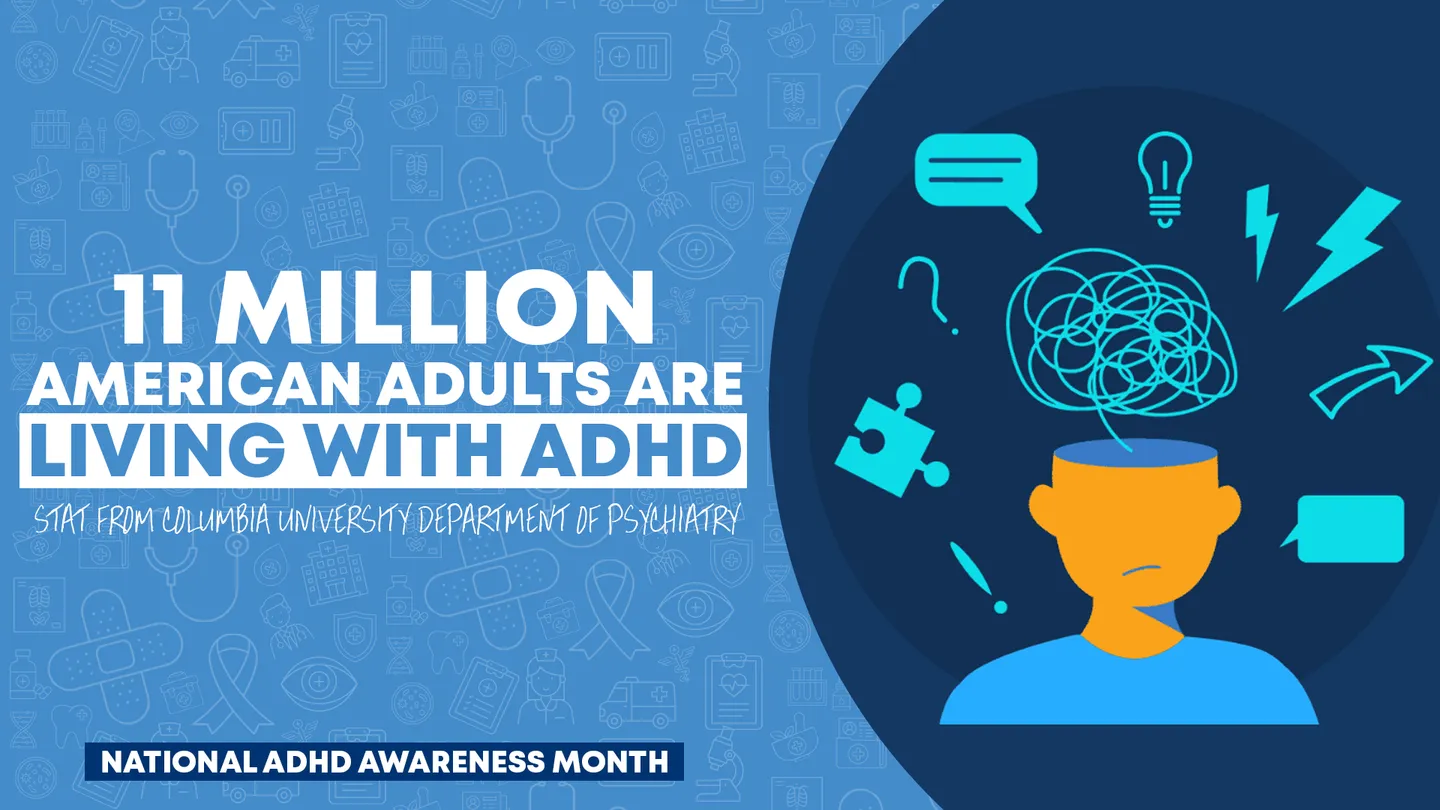
Approximately 15.5 million adults have been diagnosed with attention-deficit/hyperactivity disorder (ADHD). In early adulthood, ADHD may be associated with depression, mood or conduct disorders and substance abuse. Adults with ADHD often cope with difficulties at work and in their personal and family lives related to ADHD symptoms. Many have inconsistent performance at work or in their careers; have difficulties with day-to-day responsibilities; experience relationship problems; and may have chronic feelings of frustration, guilt or blame.
Individuals with ADHD may also have difficulties with maintaining attention, executive function and working memory. Recently, deficits in executive function have emerged as key factors affecting academic and career success. Executive function is the brain’s ability to prioritize and manage thoughts and actions. This ability permits individuals to consider the long-term consequences of their actions and guide their behavior across time more effectively. Individuals who have issues with executive functioning may have difficulties completing tasks or may forget important things.
Healthline states that:
FDA Approves ‘First-in-Class’ NDSRI for ADHD in Adults and Children
A new medication to help treat attention deficit hyperactivity disorder (ADHD) will be available later this year. Otsuka Pharmaceutical has received approval from the Food and Drug Administration (FDA) for SIMTRIYO, a daily extended-relief tablet that contains the active ingredient centanafadine.
The new medication is approved for use in adults and children 6 years and older who weigh at least 44 pounds. Otsuka officials say their drug is the first norepinephrine, dopamine, serotonin reuptake inhibitor (NDSRI) to treat ADHD.
Max Wiznitzer, MD, a professor of pediatrics and neurology at Case Western Reserve University in Ohio and the co-chair of the Professional Advisory Board for the organization Children and Adults with ADHD (CHADD), said he also plans to use SIMTRIYO as a backup treatment for people who aren’t seeing benefits from current medications. Wiznitzer said he needs more evidence that SIMTRIYO is more effective than stimulant-based medications before prescribing it more often, but he is glad to have it available. “It’s good to have another alternative,” he told Healthline. Remember its a NEW DRUG so you need time to see its effectiveness just like with Covid 19 that is why the vaccine was changed in time from the initial vaccine that was made with research done in a few years after 2020.