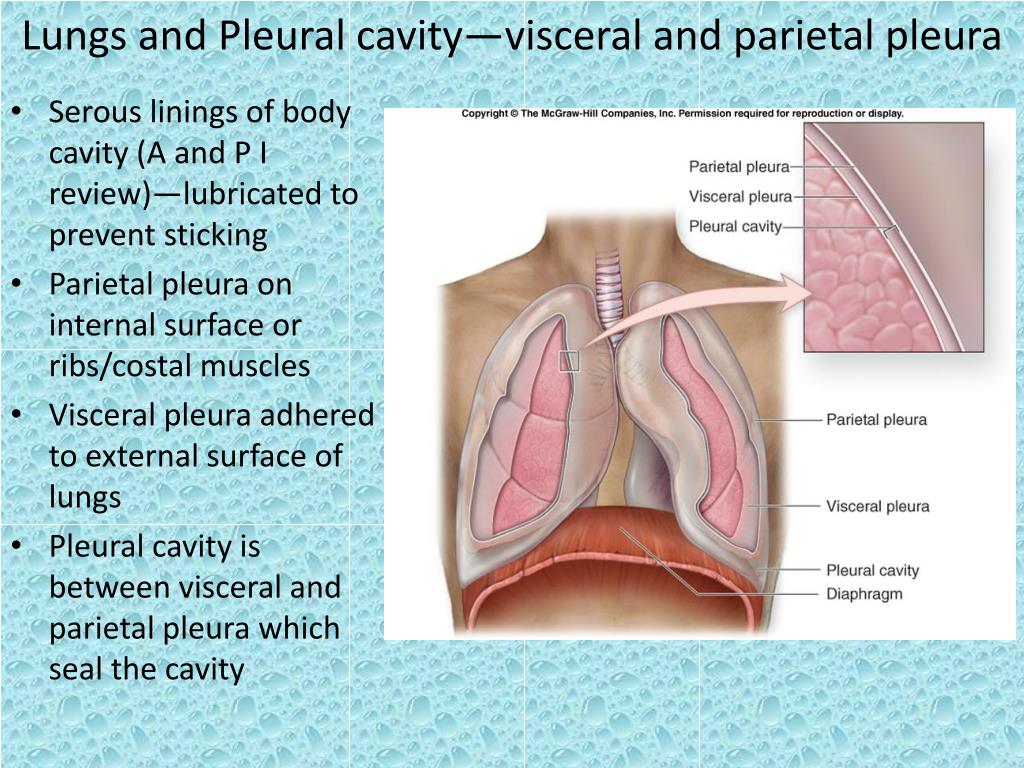
The pleura is the membrane that lines the thoracic (chest) cavity and covers the lungs. It is like a large sheet of tissue that wraps around the outside of the lungs and lines the inside of the chest cavity. There are several types of pleural situations, which can become life threatening immediately, including:
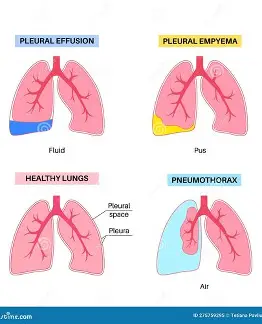
- Pleurisy – an infection of the pleural cavity
- Pleural effusion – the buildup of pleural fluid in the pleural cavity
- Pneumothorax – the presence of air or gas in the pleural cavity
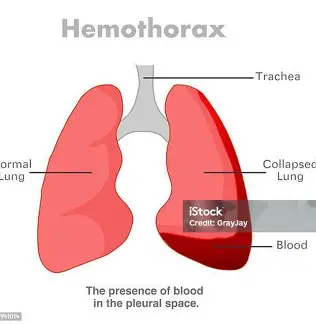
- Hemothorax – the presence of blood in the pleural cavity
- Pleural tumors
The symptoms of the types of pleural disease’s or situations:
Symptoms of pleurisy (infection in the pleural cavity) may include:
- Shortness of breath
- A cough
- Fever and chills
- Rapid, shallow breathing
- Unexplained weight loss
- Sore throat that is followed by joint swelling and soreness
Pleural Effusion-an abnormal buildup of excess fluid, often called “water on the lungs” in pleural cavity:
- Chest pain. Coughing or deep breathing makes it worse.
- Dyspnea (shortness of breath, or difficult, labored breathing).
- Orthopnea (the inability to breathe easily unless you’re sitting up straight or standing up straight).
Some people with pleural effusion may have no symptoms. They find out they have pleural effusion when they have a chest X-ray for another reason. Some people may have unrelated symptoms due to the disease or condition that caused pleural effusion like Congested Heart Failure or CHF for example.
*Know this, normally, everyone has a small amount of fluid in their pleura. This fluid acts as a natural lubricant and makes it easier for your lungs to move when you breathe. But with pleural effusion, you have too much fluid around your lungs. This means your body is producing too much of the fluid or not absorbing enough of the fluid it makes like your kidneys for example to filter fluids out of the bloodstream to be excreted out of the body via urination.
Symptoms of pneumothorax (air or gas in pleural cavity) may include:
- Sudden sharp pain that worsens with deep breathing
- Shortness of breath
- Chest tightness
- Fatigue
- Fast heart rate
- Bluish skin color (called cyanosis)
Symptoms of hemothorax (blood in the pleural cavity) may include:
- Chest pain
- Shortness of breath
- Respiratory failure
- A rapid heart rate
- Anxiety
- Restlessness
Symptoms of pleural tumors may include:
- Shortness of breath
- Chest pain
- General discomfort
- Cough
- Unexplained weight loss
FOR ALL types know the symptoms will be worse if amount of fluids are worse or air build up is worse or blood amount is worse or tumor size or amount of tumors are worse or amount of infection build up in the lungs is worse in the pleural space
Causes of Pleural Diseases
Causes of pleurisy include:
- Viral, bacterial, and fungal infections
- Lung cancer
- Other lung diseases, such as sarcoidosis, asbestosis, lymphangioleiomyomatosis, and mesothelioma
- Pulmonary embolism
- Familial Mediterranean fever
- Parasites
- Heart surgery
- Chest injury (trauma)
- Reaction to certain medications
Causes of pleural effusion include:
- Congestive heart failure
- Lung cancer
- Pneumonia
- Tuberculosis, asbestosis, sarcoidosis, and reactions to medications
- Bulla, which is a large distended air space
- Lung diseases such as chronic obstructive pulmonary disease
- Tuberculosis
- Surgery
- Trauma
- Chest trauma
- Lung and pleural cancer
- Chest or heart surgery
Causes of hemothorax include:
For some pleural tumors, the cause is unknown. Known causes of pleural tumors may include cancer that has spread to the pleural space.