Alagille Syndrome

Alagille syndrome is a rare, life-threatening multisystem disease that often presents in childhood. With Alagille syndrome, bile ducts are abnormally narrow, malformed, and reduced in number, which leads to toxic accumulation of bile acids in the liver and, ultimately, progressive liver disease.

Alagille syndrome is an inherited condition in which bile builds up in the liver because there are too few bile ducts to drain the bile. This results in liver damage. Your liver makes bile to help remove waste from your body. It also helps digest fats and the fat-soluble vitamins A, D, E, and K.

Alagille syndrome is an autosomal dominant disorder caused by mutations/deletions:

Disruptions in these genes cause defective bile duct morphogenesis and impaired angiogenesis, and abnormalities in skeletal, ocular, cardiovascular, and kidney development. Although 30% to 50% of individuals have an inherited pathogenic variant, the mutation occurs de novo in 50% to 70% of cases.

It is imperative to help out with early diagnosis.

Alagille syndrome affects males and females equally!

The estimated incidence of Alagille syndrome is 1 in every 30,000 to 45,000 individuals.
There are currently an estimated 2500 children living with Alagille syndrome in the United States.
One of the major features of Alagille syndrome is liver damage caused by abnormalities in the bile ducts. These ducts carry bile (which helps to digest fats) from the liver to the gallbladder and small intestine. In Alagille syndrome, the bile ducts may be narrow, malformed, and reduced in number (bile duct paucity). As a result, bile builds up in the liver and causes scarring that prevents the liver from working properly to eliminate wastes from the bloodstream.

Signs and symptoms vary:

They could be from liver damage in Alagille syndrome may include a yellowish tinge in the skin and the whites of the eyes (jaundice), itchy skin, and deposits of cholesterol in the skin (xanthomas).

Alagille syndrome is also associated with several heart problems, including impaired blood flow from the heart into the lungs (pulmonic stenosis). Pulmonic stenosis may occur along with a hole between the two lower chambers of the heart (ventricular septal defect and other heart abnormalities. This combination of heart defects is called tetralogy of Fallot.

People with Alagille syndrome may have distinctive facial features including a broad, prominent forehead; deep-set eyes; and a small, pointed chin. The disorder may also affect the blood vessels within the brain and spinal cord (central nervous system) and the kidneys. Affected individuals may have an unusual butterfly shape of the bones of the spinal column (vertebrae) that can be seen in an x-ray.

Problems associated with Alagille syndrome generally become evident in infancy or early childhood. The severity of the disorder varies among affected individuals, even within the same family. Symptoms range from so mild as to go unnoticed to severe heart and/or liver disease requiring transplantation.

The symptoms and problems vary from person to person.

Treatment:

There is no specific treatment for Alagille syndrome. Management of the condition is aimed at preventing and monitoring for complications. This can include increasing the flow of bile from the liver, maintaining normal growth and development, and reducing the degree of itching.


QUOTE FOR MONDAY:

“Breastfeeding has many benefits for you and your baby. It helps build your baby’s immune system and offers the perfect nutrition. Some of the health benefits to you include a lower risk of breast and ovarian cancer.

Breast milk contains everything your baby needs to grow and develop. It provides a unique and specific formula of vitamins, minerals and antioxidants.

Breast milk supports your baby’s health because it:

  • Is easy for their immature tummy and intestines to digest.
  • Contains antibodies that protect against infection and boost immunity.
  • Has the right amount of fat, sugar, water, protein and vitamins for your baby’s development.
  • Promotes healthy weight gain.
  • Changes in composition to meet your baby’s nutritional needs over time.
  • Contains substances that naturally soothe your baby.”

Cleveland Clinic (https://my.clevelandclinic.org/health/articles/15274-benefits-of-breastfeeding)

QUOTE FOR THE WEEKEND:

“A well-balanced diet also helps you stay at a healthy weight. That lowers your odds of obesity and related diseases like type 2 diabetes, which is the leading cause of blindness in adults. Also,
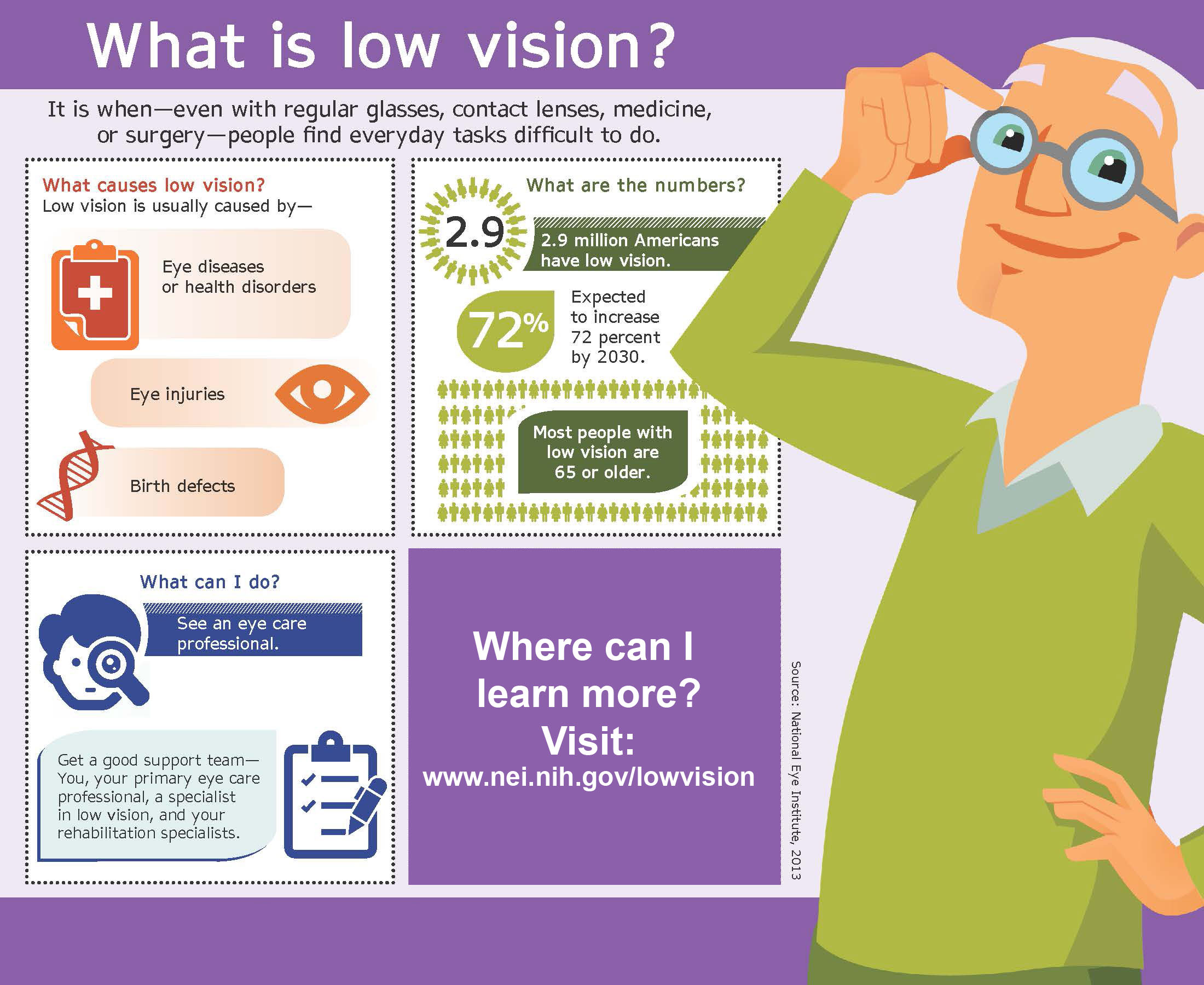
protect your eyes from the sun, look away from the computer screen especially take breaks if used constantly, quit smoking, Everyone needs a regular eye exam, even young children. It helps protect your sight and lets you see your best.”

QUOTE FOR FRIDAY:

“If particles, like sand or dust, get into your eyes, don’t rub! Wash your eyes out with water.

If you get hit in the eye with a ball, rock, or elbow, gently put a cold compress on your eye for 15 minutes. This should make the swelling go down and relieve the pain. Have an adult take you to the doctor.

If a chemical from a class experiment, cleaning fluid, or battery acid splashes in your eye, wash your eye out with water for at least 10 minutes. Have an adult take you to the doctor immediately.

If an object like a stick or pencil gets stuck in your eye, don’t pull it out. This is very serious. Have an adult put a loose bandage on your eye. Don’t put any pressure on the object. Have an adult take you to the doctor immediately.

Most eye injuries can be prevented by wearing protective eyewear.”

NIH National Eye Institute (https://www.nei.nih.gov/learn-about-eye-health/nei-for-kids/first-aid-tips)

QUOTE FOR THURSDAY:

“The research picture has brightened considerably in the last decade for people with chromosome 5-related spinal muscular atrophy (SMA) types 0 through 4.

Since 1995, scientists have known that a deficiency of functional SMN protein (SMN stands for survival of motor neuron) is the underlying cause of chromosome 5 SMA. Two nearly identical genes carry the genetic instructions for making SMN protein: SMN1 and SMN2. Proteins made from the SMN1 gene are full-length, functional, and appear to be necessary for the survival and proper function of motor neurons. By contrast, proteins made using instructions from the SMN2 gene are shorter and tend to be less stable but can compensate for a lack of SMN protein when the SMN1 gene is not functioning.
In SMA types 0 through 4, flaws (mutations) in each of the two copies of the SMN1 genes result in insufficient production of full-length, functional SMN protein. Fortunately, a certain amount of full-length SMN protein can be made from the SMN2 gene. Many people have multiple copies of the SMN2 gene. These extra SMN2 copies can lessen the impact of a flaw in both SMN1 copies. In chromosome 5-related SMA, the more copies of SMN2 a person has, the milder the course of SMA is likely to be.
Researchers are seeking to exploit this unique redundancy through development of strategies that restore levels of full-length SMN protein.”


Awareness of Spinal Muscular Atrophy (SMA)-Treatment and Research!


Research Trials for SMA leading to actual care for SMA:

The research picture has brightened considerably in the last decade for people with chromosome 5-related spinal muscular atrophy (SMA) types 0 through 4.

Since 1995, scientists have known that a deficiency of functional SMN protein (SMN stands for survival of motor neuron) is the underlying cause of chromosome 5 SMA. Two nearly identical genes carry the genetic instructions for making SMN protein: SMN1 and SMN2. Proteins made from the SMN1 gene are full-length, functional, and appear to be necessary for the survival and proper function of motor neurons. By contrast, proteins made using instructions from the SMN2 gene are shorter and tend to be less stable but can compensate for a lack of SMN protein when the SMN1 gene is not functioning.

In SMA types 0 through  4, flaws (mutations) in each of the two copies of the SMN1 genes result in insufficient production of full-length, functional SMN protein. Fortunately, a certain amount of full-length SMN protein can be made from the SMN2 gene. Many people have multiple copies of the SMN2 gene. These extra SMN2 copies can lessen the impact of a flaw in both SMN1 copies. In chromosome 5-related SMA, the more copies of SMN2 a person has, the milder the course of SMA is likely to be.

Researchers are seeking to exploit this unique redundancy through development of strategies that restore levels of full-length SMN protein.

1- Nusinersen is a drug that has been shown to increase the survival of motor neurons that die off in SMA, robbing children of muscle control. The drug compensates for the effects of the SMN1 mutation by rallying a “backup” gene, known as SMN2. SMN2, like SMN1, also makes the SMN protein needed to keep motor neurons healthy, but most of it is truncated and nonfunctional. Nusinersen uses a genetically based technology called antisense oligonucleotide to shore up this backup gene. This enables people to make more of the full-length, functional SMN protein.

2-Risdiplam is an oral drug taken daily that also appears to boost the production of the SMN protein through the SMN2 gene. Our researchers are an essential part of the clinical testing of risdiplam in the FIREFISH and JEWELFISH studies, which both continue to look at the drug’s efficacy and side effects in infants through adults.

The FIREFISH study involves infants age 1 month to 7 months with infantile-onset SMA, the most severe type. The babies receive risdiplam given as an oral drug daily. The drug increases SMN protein in the infants and improves their ability to sit without support. After two years of treatment, the FIREFISH study shows that 59 percent of treated babies were able to sit without support for five seconds, 65 percent maintained upright head control, 29 percent were able to turn over, and 30 percent were able to stand with support or supporting weight.

One-year results from the JEWELFISH study of risdiplam in children with all types of SMA aged 6 months to 60 years and previously treated with other SMA therapies, showed that risdiplam increases SMN protein levels. The drug appears to double SMN levels among patients who were previously treated with nusinerson or Zolgensma, highlighting its potential as an alternative or add-on therapy to those drugs.

3-Gene Therapy Trials:  To learn more about the potential for gene replacement in children with SMA, we have been involved in several clinical studies. The first, the STR1VE trial, studied intravenous administration of the therapy in infants less than 7 months of age with type 1 SMA. This trial, which followed infants until they were 18 months old, provided the data used by the FDA to approve Zolgensma for the treatment of babies under 2 years.

The STRONG study involves intrathecal (inside the spinal canal) administration of the gene therapy for children between the ages of 6 months to 5 years with SMA type 2. STRONG is on an FDA-hold pending evaluation of pre-clinical information.

Treatment for SMA:

As yet, there is no complete cure for SMA. However, the discovery of the genetic cause of SMA has led to the development of several treatment options that affect the genes involved in SMA — a gene replacement therapy called Zolgensma, and two drugs, called nusinersen (Spinraza) and risdiplam (Evyrsdi).

There is no complete cure for SMA. Treatment consists of managing the symptoms and preventing complications.

Medications

  • The U.S. Food and Drug Administration (FDA) approved nusinersen (Spinraza™) as the first drug approved to treat children and adults with SMA. The drug is designed to increase production of the SMN protein, which is critical for the maintenance of motor neurons.
  • The FDA approved onasemnogene abeparovec-xioi (Zolgensma ™) gene therapy for children less than two years old who have infantile-onset SMA. A safe virus delivers a fully functional human SMN gene to the targeted motor neurons, which in turn improves muscle movement and function and survival.
  • The FDA approved the orally-administered drug risdiplam (Evrysdi) to treat patients age two months of age and older with SMA.

Physical therapy, occupational therapy, and rehabilitation may help to improve posture, prevent joint immobility, and slow muscle weakness and atrophy. Stretching and strengthening exercises may help reduce contractures, increase range of motion, and keeps circulation flowing. Some individuals require additional therapy for speech and swallowing difficulties. Assistive devices such as supports or braces, orthotics, speech synthesizers, and wheelchairs may be helpful to improve functional independence.

Proper nutrition and calories are essential to maintaining weight and strength, while avoiding prolonged fasting. People who cannot chew or swallow may require insertion of a feeding tube. Non-invasive ventilation at night can improve breathing during sleep, and some individuals also may require assisted ventilation during the day due to muscle weakness in the neck, throat, and chest.

QUOTE FOR WEDNESDAY:

“Spinal muscular atrophy (SMA) is a neurodegenerative disease characterized by loss of motor neurons in the anterior horn of the spinal cord and resultant weakness. The most common form of SMA, accounting for 95% of cases, is autosomal recessive proximal SMA associated with mutations in the survival of motor neurons (SMN1) gene.”

National Library of Medicine (https://www.ncbi.nlm.nih.gov/pmc/articles/PMC3860273/)

QUOTE FOR TUESDAY:

“Your muscular heart, the main organ in your cardiovascular system, is vital for life. Its parts work together to move blood through your body in a coordinated way. It constantly sends oxygen to your cells and takes away waste. Many conditions can affect this organ and keep it from working well. Your heart contains four muscular sections (4 chambers) that briefly hold blood before moving it. Electrical impulses make your heart beat, moving blood through these chambers. Your brain and nervous system direct your heart’s function. Your heart controls the speed of your heart rate and B/P.  The heart is the main organ of your circulatory system, your heart keeps you alive. It pumps blood throughout your body, bringing oxygen to your cells and tissues. Since your heart plays such a vital role, it’s important to take care of it. Conditions that affect your heart are very common, but you have the power to make changes for a stronger heart especially before heart problems occur.  The key is prevention.”

Cleveland Clinic (https://my.clevelandclinic.org/health/body/21704-heart)


How the heart is structured, works and what happens to the heart if not functioning properly!

How the heart is structured and functions:

The human heart is a four-chambered muscular organ that are called atriums at the top LA and RA and the bottom ones called ventricles- right ventricle=RV and left ventricle=LV.  The heart is shaped and sized roughly like a man’s closed fist with two-thirds of the mass to the left of midline which is due to the left ventricle works the hardest pumping blood throughout the body so it makes that chamber the most muscular area.  The right side of the heart pumps blood blood returning to the heart that went throughout the body using up most of the oxygen in it that has mainly carbon dioxide in the blood going the the right side chambers.  First the right atrium and than the right ventricle to just the lungs for more oxygen to the lungs that carries mainly oxygenated blood to the left side of the heart first to the left atrium to the left ventricle that pumps that oxygenated blood through out the body to deliver to all tissues oxygen.

Think of the heart as the engine of the body.  Without a engine the car would not work and without a heart the body would die.  Without the lungs the heart and other tissues would not function and die.  A car without a transmission would not engine would not function and the car would die.

Without oxygen our tissues would go through oxygen starvation and the body would die.  A car without oil would die due to oil starvation and you need the car engine to start the car for the transmission to work with oil to be pumped.

Valves of the Heart:

Pumps need a set of valves to keep the fluid flowing in one direction and the heart is no exception. The heart has two types of valves that keep the blood flowing in the correct direction. The valves between the atria and ventricles are called atrioventricular valves (also called cuspid valves), while those at the bases of the large vessels leaving the ventricles are called semilunar valves.

The right atrioventricular valve is the tricuspid valve. The left atrioventricular valve is the bicuspid, or mitral, valve. The valve between the right ventricle and pulmonary trunk is the pulmonary semilunar valve. The valve between the left ventricle and the aorta is the aortic semilunar valve.

When the ventricles contract, atrioventricular valves close to prevent blood from flowing back into the atria. When the ventricles relax, semilunar valves close to prevent blood from flowing back into the ventricles.

What can happen to the heart if it does not function properly:


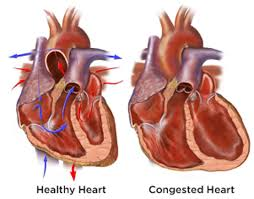
Congestive heart failure, or heart failure, is a long-term condition in which your heart can’t pump blood well enough to meet your body’s needs. Your heart is still working. But because it can’t handle the amount of blood it should, blood builds up in other parts of your body. Most of the time, it collects in your lungs, legs and feet.

Think of it like a shipping department that can’t keep up with getting all the shipments where they need to go. The shipping department is always running behind and things pile up. When things pile up, they cause issues OR think of it like plumbing if there is a problem with the water getting through the pipe lines (like our blood flow getting through the veins and arteries) you will need a plumber to fix the blockage, valve problem or broken pipe (just like the blood getting through the body due to a blockage in the vein or artery or bad heart valve or failure elsewhere in that system)

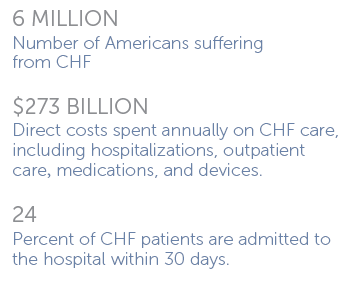
Heart Failure or Congested Heart Failure (CHF) there are types Right sided CHF or heart failure or Left sided CHF or heart failure.   Sometimes the MD may even see High output failure but rare.  More than 6 million people in the United States have congestive heart failure. It’s the leading cause of hospitalization in people older than 65.

Some of the complications from congestive heart failure include:

  • Irregular heartbeat.
  • Sudden cardiac arrest.
  • Heart valve problems.
  • A collection of fluid in your lungs.
  • Pulmonary hypertension.
  • Kidney damage.
  • Liver damage.
  • Malnutrition.

MOST IMPORTANTLY REMEMBER THIS:

There’s no cure for heart failure. As congestive heart failure gets worse, your heart muscle pumps less blood to your organs, and you move toward the next stage of heart failure(there are A,B,C,D stages). Since you can’t move backward through the heart failure stages, the goal of treatment is to keep you from moving forward through the stages at its slowest pace or to slow down the progression of your heart failure with giving you the chance to live as long as possible at your optimal level.

Regarding Heart Valves there is this to know:

Heart valve disease can affect anyone. But people over 65 are at higher risk. In fact, 2.5 million people over the age of 75 have aortic stenosis, one of the most common types of heart valve disease. While its symptoms can be subtle they shouldn’t be brushed off as “getting older.” Left untreated, it can progress to severe aortic stenosis, also known as heart valve failure.

People over 65 y/o are at highest risk for this and that is based on the my theory like a car the older you are the higher the risk your car is going to be worn down just like the heart (the engine to the body) the older it is the higher the risk that individual will have body part problems like the heart.

Symptoms are your body’s way of sending warning signs that you may be in danger. Unfortunately, diet and exercise can’t fix a failing heart valve. Take control by asking for a referral to a Heart Valve Team or Cardiologist so you can be evaluated.

Without treatment, 1 in 10 people with heart valve failure may die within 5 weeksof symptoms starting if they don’t get a recommended valve replacement!

Remember this important note the better you care for the car the longer it lasts and the better you take care of yourself the longer it lasts.

QUOTE FOR MONDAY:

“During hip replacement, a surgeon removes the damaged sections of the hip joint and replaces them with parts usually constructed of metal, ceramic and very hard plastic. This artificial joint (prosthesis) helps reduce pain and improve function.

Also called total hip arthroplasty, hip replacement surgery might be an option if hip pain interferes with daily activities and nonsurgical treatments haven’t helped or are no longer effective. Arthritis damage is the most common reason to need.

Hip replacement may be an option if hip pain:

  • Persists, despite pain medication
  • Worsens with walking, even with a cane or walker
  • Interferes with sleep
  • Affects the ability to walk up or down stairs
  • Makes it difficult to rise from a seated position”

MAYO CLINIC (https://www.mayoclinic.org/tests-procedures/hip-replacement/about/pac-20385042)