




TAKE CONTROL OF YOUR DIABETES PART 1

Diabetes is becoming more common in the United States. From 1980 through 2011, the number of Americans with diagnosed diabetes has more than tripled (from 5.6 million to 20.9 million). Do you know it is costing in America millions and millions of dollars?

What is diabetes?

Diabetes is a group of diseases marked by high levels of blood glucose resulting from defects in insulin production, insulin action, or both. Diabetes can lead to serious complications and premature death, but people with diabetes, working together with their support network and their health care providers, can take steps to control the disease and lower the risk of complications.

There are 2 types:

Type 1 diabetes was previously called insulin-dependent mellitus (IDDM) or juvenile-onset diabetes. This type of diabetes happens when the immune system ends up destroying beta cells in the body that come from our pancreas and they are the only cells in the human body that make the hormone INSULIN the regulates your glucose. Insulin allows glucose to transfer into the cells and tissues of our body to give them their energy to do their job in the body and nutrition to work properly=sugar-glucose. To live with this diabetes the person must have their insulin delivered by injection or a pump. This form of diabetes usually occurs in children or young adults but can occur at any age.

Type 2 diabetes was called non-insulin dependent diabetes mellitus (NIDDM) or adult-onset diabetes. In adults, type 2 diabetes accounts for about 90-95% of all diagnosed cases of diabetes. It usually begins as insulin resistance, a disease in which the cells do not use insulin properly due to the pancreas not making enough or the pancreas not secreting the correct form o of insulin to do its function. Ending line the insulin isn’t working properly. As the need for insulin rises, the pancreas gradually loses its ability to produce it.

Type 2 diabetes is associated with older age, OBESITY, family history of diabetes, history of gestational diabetes, impaired glucose metabolism, physical inactivity and race/ethnicity.

Gestational diabetes is a form of glucose intolerance diagnosed during pregnancy. Gestational diabetes occurs more frequently among African Americans, Hispanic/Latino Americans, and American Indians. It is also more common among obese women and women with a family history of diabetes. During pregnancy, gestational diabetes requires treatment to optimize maternal blood glucose levels to lessen the risk of complications in the infant.

Other types of diabetes result from specific genetic conditions (such as maturity-onset diabetes of youth), surgery, medications, infections, pancreatic disease, and other illnesses. Such types of diabetes account for 1% to 5% of all diagnosed cases.

Treating diabetes

Diet, insulin, and oral medication to lower blood glucose levels are the foundation of diabetes treatment and management. Patient education and self-care practices are also important aspects of disease management that help people with diabetes lead normal lives.

  • To survive, people with type 1 diabetes must have insulin delivered by injection or a pump.
  • Many people with type 2 diabetes can control their blood glucose by following a healthy meal plan and exercise program, losing excess weight, and taking oral medication. Medications for each individual with diabetes will often change during the course of the disease. Some people with type 2 diabetes may also need insulin to control their blood glucose.

Self-management education or training is a key step in improving health outcomes and quality of life. It focuses on self-care behaviors, such as healthy eating, being active, and monitoring blood sugar.

Criteria for the diagnosis of diabetes:

  • A fasting blood sugar level ≥126 milligrams per deciliter (mg/dL) after an overnight fast, which is just taking the finger stick right when you wake up before breakfast OR
  • A 2-hour blood sugar level ≥200 mg/dL after a 2-hour oral glucose tolerance test (OGTT), OR
  • An A1c level ≥6.5%.       (The A1C test is a simple lab test that measures average blood glucose levels over the past 3 months. A small blood sample to check your A1C can be taken at any time of the day=simply a blood test)
  • Pretty simple isn’t it.

Diabetes is not only common and serious; it is also VERY COSTLY! Let us take a look:

The cost of treating diabetes is staggering. According to the American Diabetes Association, the annual cost of diabetes in medical expenses and lost productivity rose for $98 billion in 1997 to $132 billion in $2002 to $174 billion in 2007.

One out of every 5 U.S. federal health care dollars is spent treating people with diabetes. The average yearly health care costs for a person without diabetes is 2,560 dollars; for a person with diabetes that figure soars to $11,744. Much of the human and financial costs can be avoided with proven diabetes prevention and management steps.

Turn into PART 2 tomorrow and learn what the symptoms and complications are of Diabetes with how to decrease your odds of getting Diabetes with knowing what measures to take to better control your Diabetes, with your doctor’s approval.


REFERENCES for Part 1 and Part 2 :


  1. Center for Disease (CDC) – “National Diabetes Fact Sheet”
  2.  NYS Dept. of Health –Diabetes
  3.  Diabetic Neuropathy.org   “All about diabetic neuropathy and nerve damage caused by Diabetes.   ” Copyright 2002 – 2013.
  4. NIDDK “National Institute of Diabetes and Digestive and Kidney Diseases”                                                              5. National Diabetes Information Clearinghouse (NIDC) – U.S. Department and Human Services. “Preventing Diabetes Problems: What you need to know”


QUOTE FOR TUESDAY:

“Most stings arise because an insect perceives a threat to their colony. Bees and wasps commonly sting because an intruder has neared the hive or nest.”

MEDICINENET.COM 12/11/2013 Bee and Wasp Sting

SUMMER STINGING INSECT VISITORS INCLUDING KNOWING WHAT TO DO!

imagesimagesOHM45CGK

With summer around the corner we have had certain insects coming out of hibernation in the end of spring which are little insects with STINGERS and know how to deal with them.

Yes it’s that time of the year again better weather and getting warmer with certain individual insects waking up and popping into our site again that go BUZZZZZZZZZZZZZZ. Enjoy the weather but know these insect stingers and what to do.

At least 40 deaths occur each year in the U.S. as a result of serious anaphylactic sting reactions.

A bee sting is strictly a sting from a bee (honey bee, bumblebee, sweat bee, etc.). In the vernacular it can mean a sting of a bee, wasp, hornet, or yellow jacket. Some people may even call the bite of a horse-fly a bee sting. The stings of most of these species can be quite painful, and are therefore keenly avoided by many people.

Bee stings differ from insect bites, and the venom or toxin of stinging insects is quite different. Therefore, the body’s reaction to a bee sting may differ significantly from one species to another.

The most aggressive stinging insects are vespid wasps (including bald-faced hornets and other yellow jackets) but not hornets in general (e.g., the European hornet is less harmful). All of these insects aggressively defend their nests.

In people with insect sting allergy, a bee sting may trigger a dangerous anaphylactic reaction that is potentially deadly. Honey bee stings release pheromones that prompt other nearby bees to attack.

There are over 25,000 species of wasps found throughout the world. Some of the most common wasps include:

  • The yellow jacket and hornet, both of which live in groups, or colonies, in temperate climates.
  • Yellow jackets, which have black and yellow stripes on the abdomen, form underground nests.
  • Hornets are predominantly black with some yellow markings on the head and thorax. Hornets form paper-like nests that are attached to trees, bushes, or buildings.


  • Certain animals have developed stinging as a form of defense or hunting. Venomous stings can have a local reaction, meaning pain, swelling, redness, itching, and possible oozing around the sting site, or a systemic reaction, meaning with local symptoms plus hives or airway and circulatory problems across the whole body. Local symptoms meaning the reaction to the sting is in one local area and systemic meaning the reaction is generalized throughout the body.
  1. For starters let us begin with the types of Wasps.

A.) Hornets

Hornets are a type of wasp closely related to and resembling yellow jackets, according to National Geographic. While the majority of the approximately 20 species of hornets are found in tropical parts of Asia, these stinging insects can also be found throughout Europe, Africa and North America. Hornets are social insects that live in community hives dominated by queens.They are considered pests and potentially dangerous by many because they aggressively defend their hives by using their stingers. Reacting quickly after disturbing a hornets’ nest will help you prevent excessive stings and potential allergic reactions.

Hornets are a large species of wasp, growing up to 2 1/2-inches in length. Hornets become aggressive when they feel threatened or must defend their nest. Unlike a bee, hornets can sting multiple times, as their stingers are not barbed. A hornet sting delivers venom beneath the skin that causes a painful reaction for up to three days following. You can treat a hornet sting to relieve some of the pain and swelling, making the healing process tolerable. Hornets are very, very painful. As soon as you are stung by a Hornet a red welt will develop and the throbbing pain will begin. Before trying to treat a Hornet sting be sure you are safely away from the Hornet and nest. A Hornet will sting many times and if you kill a Hornet their Hornet friends back at the nest will come after you too. When a Hornet is killed it releases a scent and other Hornets will come to investigate. If you are allergic to Hornet stings seek emergency medical attention.


B.) Yellow Jack.ets–Stinging Wasps

Overall, stinging wasps have warning colors, either yellow, brown, to even blue or red. Wasps have pointed abdomens attached to the thorax by a thin waist called a petiole. They build papery nests from wood fibers, very common in the northeast. The colonies that live in these nests are led by one egg-laying queen. The female nest-building workers are the only ones with stingers, which are modified egg laying apparatuses. If threatened, they will gather into a stinging swarm to protect the nest. REMEMBER wasps have the ability to sting repeatedly.

Tune into to Part 2 for learning about BEES.


The recipe to knowing how to live healthier and longer, but don’t forget to do the cooking

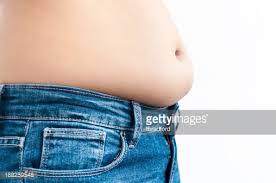
We live for generations relying more on treatment versus prevention (secondary versus primary care). Yes we have drastically improved in the health care system knowledge in leaning more to primary through further research and technology in the past 30 years and more but society has to make a better attempt in following the knowledge we know. Also, we have advanced in practicing prevention to some degree in our American country but not enough by the people in it. The society in our nation making up America has too many that rely on treatment rather than prevention, regarding prevention to diseases or illnesses that develop due to poor eating and poor health habits. Adults alone are 65% obese which is a main cause for certain diseases remaining on the rise in this country due to living lives like some did 30 years ago. These diseases are still on the rise due to our population increase from 30 years ago and some of our people regarding their eating habits out of and even in their homes. When I say American culture that includes the restaurant industries (fast food joints) and social acceptance of the do’s and don’ts in our communities (based on what’s allowed on TV and even radio to advertising companies promoting burgers with French fries on them for example). Out of homes in America we are exposed to many behaviors that can set back our health from fast foods, lack of allowing kids to play in a baseball fields playing all types of active sports with safe/ responsible adults in the fields or allowing kids to use playgrounds because in most cases they don’t have a permit to use that area due to their county rules causing children to have an increase in the desire to be non-active due to already being in front of the computer several hours a day or even watching TV instead of just doing 30 to 60 minutes of exercise squeezed in their daily schedules somewhere with their parents if needed for safety. If they could do it 50 years ago they can fit it in 30 or 60 minutes today or should you have had the child (meaning make the time, it is for their benefit). Enough of parents are both working today and can’t afford the time to even be in the play fields with their young ones trying to get food to the table or paying monthly bills. So if day care centers or better even schools get involved than they should be fitting in active exercising, again the least 30 to 60 minutes a day (that’s all, I’m not saying 4 hours like a football game). Because of this non-active and poor dieting behavior we inflict on ourselves and young ones either increasing risks of or the cause of or worsening of diseases or illnesses in American citizens (again due to poor diet and habits). Any citizen in this country that has these problems diagnosed already also; ending line its due to the diet or the poor health habits practiced in the individual’s life, unless born with, that in the end causes weight gain to obesity and sedentary lifestyle in a child besides an adult, as well. If you and others knew in our country the baby steps in becoming healthier NOW not tomorrow (Ex. You’ve heard the line I’ll start next month with next month never happening or this will be my New Year’s resolution on Christmas and it’s already forgotten on Jan. 1st) which over years could benefit your life line by giving it high probability that you would be extending it dramatically if you followed through with your goal, especially if you start in your younger years with no illness/disease or very little. Unfortunately a lot end up with the poor health due to their sedentary life style being started through their diet and poor healthy habits. Don’t put it off anymore, take the first step, and make the change our home sweet home needs to have happen which will increase the changes you need to a better mind and body. Join me with others in learning healthy habits. Prevent the following diseases that obesity (poor diet and habits) can cause, which are:


  1. High Blood Pressure–High blood pressure is the primary cause of death among Americans older than 25. About 75 million people suffer from high blood pressure or hypertension, which is a major risk factor for heart disease. Blood pressure tends to increase with weight gain and age. It is through logic why high B/P is associated with obesity. However, research has shown that obese patients displayed an increase in blood volume and arterial resistance causing more stress to the heart=lack of 02 to the heart. For people who are overweight and have high blood pressure, losing as little as 8 pounds can help reduce blood pressure to a safe level the key is get in your body mass index or therapeutic weight.
  2. Diabetes (DM)–Obesity is considered one of the most significant factors in the development of insulin resistance, and insulin resistance can lead to type 2 diabetes. According to the World Health Organization, more than 90 percent of diabetes patients worldwide have type 2 diabetes. Being overweight or obese contributes to the development of diabetes by making cells more resistant to the effects of insulin. Insulin allows glucose (simple sugar) to pass into our cells and tissues, if not hyperglycemia will happen=DM. A weight loss of 15-20 pounds can help you decrease your risk of developing type 2 diabetes
  3. Heart Disease — According to the American Heart Association, obesity is a major risk factor for developing coronary heart disease, which can lead to a heart attack or stroke. People who are overweight again stress the heart out, & are at a greater risk of suffering a heart attack before the age of 45. Obese adolescents have a greater chance of having a heart attack before the age of 35 than non-obese adolescents. If you are overweight, losing 10-15 pounds can reduce your risk of developing heart disease. If you exercise regularly, the risk of developing heart disease falls even more.
  4. High Cholesterol levels — High cholesterol is one of the leading causes of heart attacks. Cholesterol is transported through your blood in two ways: the low density lipoprotein (LDL), which transports cholesterol to the cells that need it, and the high density lipoprotein (HDL), which is the healthy cholesterol that reduces your risk for heart attack. Having high LDL levels raises your risk of having heart disease by 20 percent. Losing 11-20 pounds can help you significantly reduce your cholesterol level.
  5. Cancer — A study by the American Heart Association found that being overweight increases your chances for developing cancer by 50 percent. Women have a higher risk of developing cancer if they are more than 20 pounds overweight. Regular exercise and a weight loss of as little as 12 pounds can significantly decrease the risk.
  6. Infertility — Being obese can cause changes in the hormonal levels of women, which can result in ovarian failure. Women who are 15-25 pounds overweight are at a higher risk of suffering from infertility and ovarian cancer. Our bodies need to be at an appropriate weight to produce the right amount of hormones and regulate ovulation and menstruation. Don’t think men are immune to infertility. Overweight men have a greater chance of developing motility and a lower sperm count. Shedding 12-14 pounds can help you lower the risks.
  7. Back Pain — Obesity is one the contributing factors of back and joint pain. Excessive weight can cause injury to the most vulnerable parts of the spine, which carries the body’s weight. When it has to carry excess weight, the odds of suffering from a spinal injury or structural damage increase. Being overweight also raises the risk of developing osteoporosis, lower back pain, arthritis, and osteoarthritis. Losing 10-15 pounds can help you decrease the risk of developing these problems.
  8. Skin Ulcers & leading to infected ulcers — Obese and overweight individuals may have skin that folds over on itself. These creased areas can become irritated from the rubbing and sweating, which can cause alteration in the skin from a rash first forming to an actual ulcer of the skin occuring that can lead to ulcer skin infections (local infections) that can go further into systemic infections (which is an infection throughout the circulatory system).
  9. Gastric Ulcers — According to a study by the National Institutes of Health (NIH), obesity can be a contributing factor to the development of gastric ulcers. Gastric ulcers occur when there is an imbalance between the amount of hydrochloric acid that is secreted and the enzyme pepsin. Overweight men are at a greater risk of developing gastric ulcers than women. A weight loss of as little as 7 pounds can help reduce the risk.
  10. Gallstones — Being severely overweight increases the risk of developing gallstones, especially in women. Gallstones are caused when the liver releases excessive amounts of bile, which is stored in the gallbladder. Gallstones are more common in older women and those with a family history of gallstones. Losing 4-9 pounds reduces the risk of developing gallstones. Moderate exercise also can help lower your risk.

If you are healthy but need to know the key to decreasing disease or illness later in life or suffer from type 2 diabetes or pre-diabetes, cardiac disease including high blood pressure or cholesterol and need to lose weight with living a better diet & practicing healthier habits, I can help you get the knowledge in understanding why it is s so imperative to manage without or with the disease through nutrition and fitness education including behavior modification in learning healthy habits that will help you lose weight or even prevent disease.

QUOTE FOR THE WEEKEND:

The world is a dangerous place to live; not because of the people who are evil, but because of the people who don’t do anything about it.”

Albert Einstein (14 March 1879 – 18 April 1955) Was a German-born theoretical physicist. known for his influence on the philosophy of science, developed the general theory of relativity, one of the two pillars of modern physics (alongside quantum mechanics).

Children/Adolescents and health today

It is the role of the government and people of America to help solve problems with society, including our health crises.  Obesity is a health epidemic across our country, and we have a responsibility to promote good nutrition and healthy eating so we can reverse this alarming trend.

Learning young about healthy habits in your diet which includes the foods you eat on a regular basis with taking in moderation treats is vital to your turn out later in life.  These treats would be from fast foods to even deserts that are not low in calories or fat or cholesterol or carbohydrates (Ex. Cheesecake, milk chocolate, pie, etc…).  You need to keep your weight or the body mass index in therapeutic range while balancing rest and exercise that will help decrease the percentage of disease in your body with hopefully impacting others in this generation and the ones to follow in living this lifestyle.    Let us not forget today’s middle age or later age group in America with disease factors already set in are due to early unhealthy eating and lifestyle for many years;  but you can also change your eating habits with exercising moderately and have better health results also (It is recommended that your general practitioner clear you with diet and activity first, especially if diagnosed with disease or illness already). 

The government helps out by passing through Congress in 2010 rules required under a child nutritional law in their effort to get childhood obesity decreased to a minimum, one day, like some countries.  Society has gotten involved where schools took action with improving their lunches and even vending machine options with others still selling high fat & high calorie foods.  Parents and teachers still have to work harder with reinforcing healthy eating habits in their children both in the home and classroom setting so that the future will be a healthier one for them and their children.  For this to take place today’s children have to walk a pathway at a young age to get in the state of mind to strive for overall wellness.  This will definitely decrease certain diseases caused by poor eating habits with sedentary lifestyles, sooner than you think. 

From Feb. 2013 the agriculture department already involved regulating nutritional content of school breakfasts and lunches that have already been subsidized by the federal government, but most lunch rooms also have a la carte lines that sell other foods and hopefully that has changed.  Also, food sold through vending machines and in other ways outside the lunchroom has never before been federally regulated as of Feb. 2013. 

Mom and Dad your peeps need your guidance not just the schools or the government, since they don’t always use the best judgment but in being fair neither did all parents in history going back 30 to 50 years for lack of knowledge or not caring, which is the same for many today still (Ex. Smoking, eating high fat, no exercise, etc..).  If all three were successful we would have less percentage in diseases or illnesses that are now still in high proportions not just due to heredity or sex or race or age risk factors (meaning not modifiable risk factors, which we can’t control).  These factors for some may have been the primary reasons for getting the diagnosis of the disease/illness they have but for many it is due to, 100% or contributed to their modifiable risk factors, with living poor health habits that are modifiable risk factors meaning we have control in these factors through changing them.  If the overall USA controlled their modifiable risk factors in time we would see this country healthier, with less disease, living longer, helping our future generations  start on the right pathway to wellness at a young age with not  reaching their middle age or older with health injuries that could have been prevented in many cases (Examples would be Atherosclerosis=blockages in are vessels leading to many heart attacks or strokes, Diabetes II, coronary artery disease, and more.). 

 It has to start somewhere and the drive to a healthy USA is increasing healthier habits in our daily lives, join me.   Do you want a better body, or expanding a healthier society overall?  Let’s spread a universal fit way of living today and later with making all ages more “lean and mean” with less disease.  Living healthier has to start somewhere, why not today.

Causes of right sided vs. left sided HEART FAILURE and their symptoms!

cardiac-dyspnea-treatment

mornal heart

Normal Heart                vs    Right Failure       Left  Failure

Look at the size difference of the chambers and the muscle of the heart thick/stiff or weakened so proper filling of blood is affected terribly depending on the degree of heart failure on the Rt. or Lt side.  The worse it is the worse the signs and symptoms will be due to the failure.

Common causes of left-sided failure include the following:

Drinking too much alcohol/Heart attack/Heart muscle infections/High blood pressure /Hypothyroidism /Leaking or narrow heart valves/Any other disease that damages the heart muscle/Poor left-side heart function due to prior heart attacks

Causes of right-sided heart failure include:

left-sided heart failure already existing spreading into right sided heart failure/  lung diseases such as chronic bronchitis and emphysema/Other causes include congenital heart disease/ clots in pulmonary arteries/ pulmonary hypertension and heart valve disease.

If you have Lt. or Rt. sided heart failure think what happens; the heart is not as strong on that side meaning it can’t do its function (pumping) as good as it use to on the side that is affected. It will be the same concept as piping not working properly. Fluids start to reverse backwards and in some cases leaks. Knowing the anatomy of how the blood flows from each side you can realize and understand the symptoms that are occurring. The symptoms of heart failure are largely determined by which side of the heart fails. Remember each side receives and delivers blood from different areas of the body.

The left sided heart failure also known as Systolic Failure, which is when the left ventricle loses its ability to contract normally. The heart can’t pump with enough force to push enough blood into circulation. The fluids back up but where? The blood reverses backward from the aorta going back up the Lt. ventricle through the mitral valve going up into the Lt. atrium that goes back up through the pulmonary vein into the lungs:

So the type of symptoms you can see with left side heart failure which is symptoms caused by blood/fluids reversing in the lungs would be:

Cough (produces frothy or blood-tinged mucus) with shortness of breath (SOB)/

Decreased urine production-retaining fluids in the body/

Difficulty lying down; need to sleep with the head elevated to avoid SOB/

Fatigue, weakness, faintness/

Irregular or rapid pulse-stress on the heart to do its function which can cause irregular pulse. /

Sensation of feeling the heartbeat (palpitations)- same as above/

Shortness of breath-fluids reversing backwards to the lungs/

Waking up due to shortness of breath (paroxysmal nocturnal dyspnea)-fluids going backwards to the lungs/

Weight gain from fluid retention-fluids going backwards and not the regular amount reaching the kidneys at first causing fluid to retain in the body./


  • Symptoms in infants may include:


Now let’s look at right sided heart failure symptoms; again think where the blood backs up. We are now going from the Rt. Ventricle back up the tricuspid valve to the Rt. Atrium backing out of the heart going up the superior vena cava and mostly the inferior vena cava due to the principle of gravity.  So we now know the fluid primarily goes downward not back upward to the brain, due to gravity.   What this means is this; fluid will back up into your abdomen, legs and feet, causing swelling.

The signs and symptoms you may see with Rt. sided heart failure is these:

Fatigue/Declining exercise capacity/Swelling in your abdomen, legs or veins in your neck/Abnormal heart rhythms/Pulsing in your neck/An enlarged liver/Shortness of breath with activity.

The symptoms all relate to where the blood and fluids in the blood (ex. H20, which is in the blood) are flowing backward too.  All are symptoms created by the backflow due to the heart not its normal level of functioning in pumping due to heart failure.

Systolic heart failure is the left ventricle can’t contract vigorously, indicating a pumping problem.

Diagnostic heart failure the left ventricle can’t relax or fill fully, indicating a filling problem.  

Look at the top diagrams and see what it does to the chambers of the heart in affecting the flow of blood, our ejection fraction

What is ejection fraction?

Ejection fraction is a test that determines how well your heart pumps with each beat.

Left ventricular ejection fraction (LVEF) is the measurement of how much blood is being pumped out of the left ventricle of the heart (the main pumping chamber) with each contraction.

Right ventricular ejection fraction (RVEF) is the measurement of how much blood is being pumped out of the right side of the heart to the lungs for oxygen.

In most cases, the term “ejection fraction”=EF refers to left ventricular ejection fraction.

A healthy heart beats about 60 to 80 times per minute to pump blood throughout the body. The right and left sides of the heart work together.

What do the numbers mean for EF or left ventricular EF (LVEF)?

Ejection fraction is usually expressed as a percentage. A normal heart pumps a little more than half the heart’s blood volume with each beat. (1)

A normal LVEF ranges from 55-70%. A LVEF of 65, for example, means that 65% of the total amount of blood in the left ventricle is pumped out with each heartbeat.

The LVEF may be lower when the heart muscle has become damaged due to a heart attack, heart muscle disease (cardiomyopathy), or other causes.

An EF of less than 40% may confirm a diagnosis of heart failure. Someone with diastolic failure can have a normal EF.

An EF of less than 35% increases the risk of life- threatening irregular heartbeats that can cause sudden cardiac arrest (loss of heart function) and sudden cardiac death. An implantable cardioverter defibrillator (ICD) may be recommended for these patients.

Your EF can go up and down, based on your heart condition and the therapies that have been prescribed for you in cardiac rehab or just activity alone.  The EF pumps out of the LV what is therapeutic for whatever activity we do.