“You can reduce your risk of cancer by making healthy choices like eating right, staying active and not smoking. It’s also important to follow recommended screening guidelines, which can help detect certain cancers early.”
American Cancer Society
“You can reduce your risk of cancer by making healthy choices like eating right, staying active and not smoking. It’s also important to follow recommended screening guidelines, which can help detect certain cancers early.”
American Cancer Society

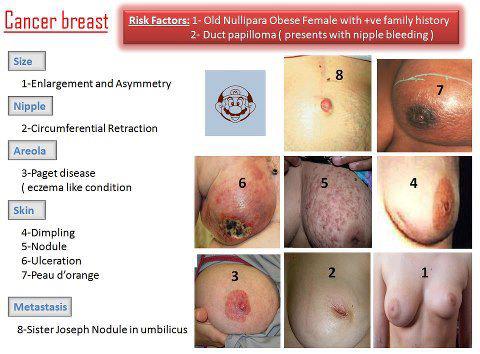
Breast cancer is cancer that forms in the cells of the breasts.
After skin cancer, breast cancer is the most common cancer diagnosed in women in the United States. Breast cancer can occur in both men and women, but it’s far more common in women.
Public support for breast cancer awareness and research funding has helped improve the diagnosis and treatment of breast cancer. Breast cancer survival rates have increased, and the number of deaths has been declining, thanks to a number of factors such as earlier detection, new treatments and a better understanding of the disease.
Breast Cancer affects everyone. Every year, over 200,000 women are diagnosed with new cases of Breast Cancer in the United States, and over 39,000 women will lose their fight with this terrible disease. Having experienced the effects that cancer has on both the victim and their loved ones support is so important by family and significant ones in our lives.
The Breast Cancer Awareness Month, marked in countries across the world every October, helps to increase attention and support for the awareness, early detection and treatment as well as palliative care of this disease.
There are about 1.38 million new cases and 458 000 deaths from breast cancer each year (IARC Globocan, 2008). Breast cancer is by far the most common cancer in women worldwide, both in the developed and developing countries. In low- and middle-income countries the incidence has been rising up steadily in the last years due to increase in life expectancy, increase urbanization and adoption of western lifestyles.
Currently there is not sufficient knowledge on the causes of breast cancer, therefore, early detection of the disease remains the cornerstone of breast cancer control. When breast cancer is detected early, and if adequate diagnosis and treatment are available, there is a good chance that breast cancer can be cured. If detected late, however, curative treatment is often no longer an option. In such cases, palliative care to relief the suffering of patients and their families is needed.
The majority of deaths (269 000) occur in low- and middle-income countries, where most women with breast cancer are diagnosed in late stages due mainly to lack of awareness on early detection and barriers to health services.
Here is another thing to help breast cancer patients National Breast Cancer Awareness Month is a chance to raise awareness about the importance of early detection of breast cancer. Make a difference! Spread the word about mammograms and encourage communities, organizations, families, and individuals to get involved.
In the first phases, the breast cancer has no evident signs and symptoms and it differ in folks from lumps to swelling and alterations in the pores and skin. A lump also modest which is felt does not cause any strange changes and it is unnoticed. Nevertheless, in a lot of circumstances visual appeal of new lump or a mass is the 1st indicator discovered. The lump may possibly be difficult to contact with uneven edges and they are painless. But there are cases the lump is really tender, spherical edged and soft. More lumps are painless.
Breast cancers common signs and symptoms are: Swelling of element of the breast or all areas Pores and skin irritation in the breast. Nipple pain, Nipple begins to switch inward (inverted) slowly and gradually Breast pain.
Breast cancer prevention starts with healthy habits — such as limiting alcohol and staying physically active. Understand what you can do to reduce your breast cancer risk.
If you’re concerned about breast cancer, you may be wondering if there are steps you can take toward breast cancer prevention. Some risk factors, such as family history, can’t be changed. However, there are lifestyle changes you can make to lower your risk.
What can I do to reduce my risk of breast cancer?
Lifestyle changes have been shown in studies to decrease breast cancer risk even in high-risk women. The following are steps you can take to lower your risk:
“There is no cure for fibromyalgia. However, symptoms can be treated with both non-drug and medication based treatments. Many times the best outcomes are achieved by using multiple types of treatments.”
American College of Rheumatology
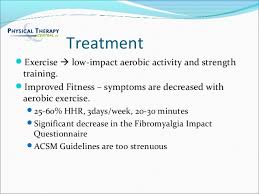
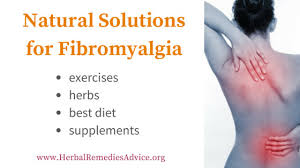
There is no cure for fibromyalgia. However, symptoms can be treated with both non-drug and medication based treatments. Many times the best outcomes are achieved by using multiple types of treatments.
Non-Drug Therapies: People with fibromyalgia should use non-drug treatments as well as any medicines their doctors suggest. Research shows that the most effective treatment for fibromyalgia is physical exercise. Physical exercise should be used in addition to any drug treatment. Patients benefit most from regular aerobic exercises. Other body-based therapies, including Tai Chi and yoga, can ease fibromyalgia symptoms. Although you may be in pain, low impact physical exercise will not be harmful.
Cognitive behavioral therapy is a type of therapy focused on understanding how thoughts and behaviors affect pain and other symptoms. CBT and related treatments, such as mindfulness, can help patients learn symptom reduction skills that lessen pain. Mindfulness is a non-spiritual meditation practice that cultivates present moment awareness. Mindfulness based stress reduction has been shown to significantly improve symptoms of fibromyalgia.
You can also try other complementary therapies such as:
Other complementary and alternative therapies (sometimes called CAM or integrative medicine), such as acupuncture, chiropractic and massage therapy, can be useful to manage fibromyalgia symptoms. Many of these treatments, though, have not been well tested in patients with fibromyalgia.
It is important to address risk factors and triggers for fibromyalgia including sleep disorders, such as sleep apnea, and mood problems such as stress, anxiety, panic disorder, and depression. This may require involvement of other specialists such as a Sleep Medicine doctor, Psychiatrist, and therapist.
Medications: The U.S. Food and Drug Administration has approved three drugs for the treatment of fibromyalgia. They include two drugs that change some of the brain chemicals (serotonin and norepinephrine) that help control pain levels: duloxetine (Cymbalta) and milnacipran (Savella). Older drugs that affect these same brain chemicals also may be used to treat fibromyalgia. These include amitriptyline (Elavil) and cyclobenzaprine (Flexeril). Other antidepressant drugs can be helpful in some patients. Side effects vary by the drug. Ask your doctor about the risks and benefits of your medicine.
The other drug approved for fibromyalgia is pregabalin (Lyrica). Pregabalin and another drug, gabapentin (Neurontin), work by blocking the over activity of nerve cells involved in pain transmission. These medicines may cause dizziness, sleepiness, swelling and weight gain.
It is strongly recommended to avoid opioid narcotic medications for treating fibromyalgia. The reason for this is that research evidence shows these drugs are not of helpful to most people with fibromyalgia, and will cause greater pain sensitivity or make pain persist. Tramadol (Ultram) may be used to treat fibromyalgia pain if short-term use of an opioid narcotic is needed. Over-the-counter medicines such as acetaminophen (Tylenol) or nonsteroidal anti-inflammatory drugs (commonly called NSAIDs) like ibuprofen (Advil, Motrin) or naproxen (Aleve, Anaprox) are not effective for fibromyalgia pain. Yet, these drugs may be useful to treat the pain triggers of fibromyalgia. Thus, they are most useful in people who have other causes for pain such as arthritis in addition to fibromyalgia.
For sleep problems, some of the medicines that treat pain also improve sleep. These include cyclobenzaprine (Flexeril), amitriptyline (Elavil), gabapentin (Neurontin) or pregabalin (Lyrica). It is not recommended that patients with fibromyalgia take sleeping medicines like zolpidem (Ambien) or benzodiazepine medications.
Always confirm with your doctor which RX is best and not contraindicated for you, for your safety!
“Fibromyalgia patients often have often have difficulty remaining productively employed on account increased pain on activity, severe fatique, and problems with memory and concentration.”
National Fibromyalgia and Chronic Pain Association

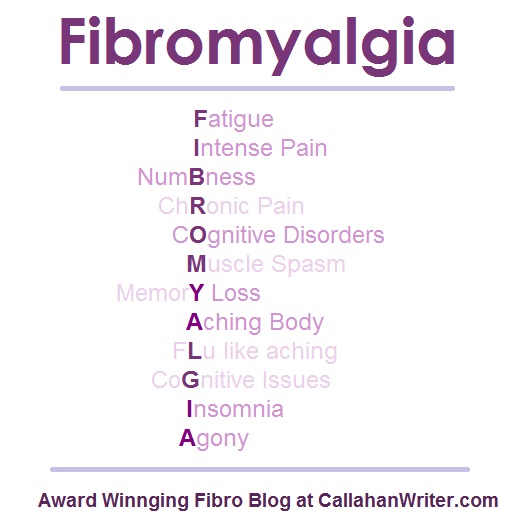
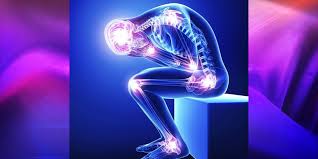
Fibromyalgia is a physical disorder, not a psychological condition. The most common constellation of Fibromyalgia symptoms (widespread chronic muscle pain, sleeplessness, relentless fatigue, cognitive dysfunction, and a host of other overlapping conditions like TMJD, IBS, migraine, interstitial cystitis, metabolic syndrome, endometriosis, and vulvodynia) can wax and wane over time.
Symptoms include:
Some patients also may have:
A doctor will suspect fibromyalgia based on your symptoms. Doctors may require that you have tenderness to pressure or tender points at a specific number of certain spots before saying you have fibromyalgia, but they are not required to make the diagnosis (see the Box). A physical exam can be helpful to detect tenderness and to exclude other causes of muscle pain. There are no diagnostic tests (such as X-rays or blood tests) for this problem. Yet, you may need tests to rule out another health problem that can be confused with fibromyalgia.
Because widespread body pain is the main feature of fibromyalgia, health care providers will ask you to describe your pain. This may help tell the difference between fibromyalgia and other diseases with similar symptoms. Other conditions such as hypothyroidism (underactive thyroid gland) and polymyalgia rheumatica sometimes mimic fibromyalgia. Blood tests can tell if you have either of these problems. Sometimes, fibromyalgia is confused with rheumatoid arthritis or lupus. But, again, there is a difference in the symptoms, physical findings and blood tests that will help your health care provider detect these health problems. Unlike fibromyalgia, these rheumatic diseases cause inflammation in the joints and tissues.
“Fibromyalgia is a long-lasting or chronic disorder that causes muscle pain and fatigue (feeling tired). Sometime you may have 2 or more chronic pain symptoms.”
National Institute of Arthritis and Musculoskeletal and Skin Diseases
“Impairments resulting from Cerebral Palsy range in severity with the degree of injury to the brain. The primary effect of Cerebral Palsy is impairment of muscle tone, gross and motor functions, control, coordination, reflexes, and posture. Oral motor dysfunction, such as swallowing and feeding difficulties, speech impairment.”
MyChild at CerebralPalsy.org