QUOTE FOR WEDNESDAY:

“Ovarian cancer affects 1 in 70 women across their lifetime and is the second most common type of gynecologic cancer in the United States. The most common risk factor is age. About two-thirds of all ovarian cancers are diagnosed in women between ages 50-75. Only 5 percent of ovarian cancers diagnosed occur in women under the age of 30.

About 1 in 10 women who are diagnosed will have either a strong family history of ovarian cancer or a mutation in a gene that increases risk of the disease.

Ovarian cancer rarely has noticeable symptoms when it is in its earliest stages. As the cancer progresses, subtle signs begin to appear, but you might not notice them right away, or they may be blamed on other common conditions.”

Memorial Sloan Kettering Cancer Center (Ovarian Cancer | Memorial Sloan Kettering Cancer Center)

Part II Ovarian Cancer in treatments.

1-Local Treatments/Therapies:

Some treatments are local, meaning they treat the tumor without affecting the rest of the body.

Types of local therapy used for ovarian cancer include that include:

A-Surgery

That is the main treatment most ovarian cancers. How much surgery you have depends on how far your cancer has spread and on your general health.  For women of childbearing age who have certain kinds of tumors and whose cancer is in the earliest stage, it may be possible to treat the disease without removing both ovaries and the uterus.

B-Radiation

Radiation is another form of therapy that might be used.  Radiation therapy uses high energy x-rays or particles to kill cancer cells. These x-rays may be given in a procedure that is much like having a regular x-ray. Aggressive chemotherapy is usually more effective, so radiation therapy is rarely used in this country as the main treatment for ovarian cancer. However, it can be useful in treating areas where the cancer has spread, either near the main tumor or in a distant organ, like the brain or spinal cord.  External beam radiation – This is the most common type of radiation therapy for women with ovarian cancer. External radiation therapy is much like getting an x-ray, but the radiation is stronger.

2-Systemic Treatment/Therapies:

This includes Chemo therapy, Hormone Therapy and Targeted Therapy.

A. Chemo Therapy:

Chemotherapy (chemo) is the use of drugs to treat cancer. Most often, chemo is a systemic treatment, meaning the drugs enter the bloodstream and reach almost all areas of the body. Chemo can be useful to kill very small amounts of cancer cells that may still be around after surgery, for cancers that have metastasized (spread), or to shrink very large tumors to make surgery easier. Most of the time, chemo uses drugs that are injected into a vein (IV) or given by mouth. In some cases, chemotherapy may also be injected through a catheter (thin tube) directly into the abdominal cavity. This is called intraperitoneal (IP) chemotherapy.

Chemo for ovarian cancer usually involves getting two different types of drugs together. Getting a combination of drugs instead of just one drug alone seems to work better as a first treatment for ovarian cancer. Usually, the combination includes a type of chemo drug called a platinum compound (usually cisplatin or carboplatin), and another type of chemo drug called a taxane, such as paclitaxel (Taxol®) or docetaxel (Taxotere®). These drugs are usually given as an IV (put into a vein) every 3 to 4 weeks.

The typical course of chemo for epithelial ovarian cancer involves 3 to 6 cycles of treatment, depending on the stage and type of ovarian cancer. A cycle is a schedule of regular doses of a drug, followed by a rest period. Different drugs have varying cycles; your doctor will let you know what schedule is planned for your chemo.

Epithelial ovarian cancer often shrinks or even seems to go away with chemo, but the cancer cells may eventually begin to grow again. If the first chemo seemed to work well and the cancer stayed away for at least 6 to 12 months, it can be treated with the same chemotherapy used the first time. In some cases, different drugs may be used.

There are numerous other chemo drugs used that might be helpful in treating ovarian cancer.

B-Hormone Treatment/Therapies

It’s another treatment that may be used with the use of hormones or hormone-blocking drugs to fight cancer. This type of systemic therapy is rarely used to treat epithelial ovarian cancer, but is more often used to treat ovarian stromal tumors. 

Meds used in Hormone therapy is:

-Luteinizing Hormone Release Hormone Agonists

LHRH agonists (sometimes called GnRH agonists) can be used in systemic treatment also that will switch off estrogen production by the ovaries. These drugs are used to lower estrogen levels in women who are premenopausal. Examples of LHRH agonists include goserelin (Zoladex®) and leuprolide (Lupron®). These drugs are injected every 1 to 3 months. Side effects can include any of the symptoms of menopause, such as hot flashes and vaginal dryness. If they are taken for a long time (years), these drugs can weaken bones (sometimes leading to osteoporosis).

-Tamoxifen

Tamoxifen is a drug that is often used to treat breast cancer. It can also be used to treat ovarian stromal tumors and is rarely used to treat advanced epithelial ovarian cancer. Tamoxifen acts as an anti-estrogen in many tissues in the body, but as a weak estrogen in others. The goal of tamoxifen therapy is to keep any estrogens circulating in the woman’s body from stimulating cancer cell growth. The anti-estrogen activity of this drug can lead to side effects like hot flashes and vaginal dryness. Because tamoxifen acts like a weak estrogen in some areas of the body, it does not cause bone loss but can increase the risk of serious blood clots in the legs.

-Aromatase inhibitors

Aromatase inhibitors are drugs that block an enzyme (called aromatase) that turns other hormones into estrogen in post-menopausal women. They don’t stop the ovaries from making estrogen, so they are only helpful in lowering estrogen levels in women after menopause. These drugs are mainly used to treat breast cancer, but can also be used to treat some ovarian stromal tumors that have come back after treatment as well as low grade serous carcinomas. They include letrozole (Femara®), anastrozole (Arimidex®), and exemestane (Aromasin®). These drugs are taken as pills once a day.

Common side effects of aromatase inhibitors include hot flashes, joint and muscle pain, and bone thinning. The bone thinning can lead to osteoporosis and bones that break easily.

C-Targeted Drug Therapy:

Targeted therapy is a type of cancer treatment that uses drugs to identify and attack cancer cells while doing little damage to normal cells. These therapies attack the cancer cells’ inner workings − the programming that makes them different from normal, healthy cells. Each type of targeted therapy works differently, but they all change the way a cancer cell grows, divides, repairs itself, or interacts with other cells.

-Bevacizumab

Bevacizumab (Avastin) belongs to a class of drugs called angiogenesis inhibitors. For cancers to grow and spread, they need to make new blood vessels to nourish themselves (called angiogenesis). This drug attaches to a protein called VEGF (that signals new blood vessels to form) and slows or stops cancer growth.

Bevacizumab has been shown to shrink or slow the growth of advanced epithelial ovarian cancers. Bevacizumab appears to work even better when given along with chemotherapy having shown good results in terms of shrinking (or stopping the growth of) tumors. But it doesn’t seem to help women live longer.

Bevacizumab can also be given with olaparib (see below) as maintenance treatment in women whose cancers have the BRCA mutation or genomic instability (see below) and have shrunk quite a bit with chemotherapy containing carboplatin or cisplatin.

This drug is given as an infusion into the vein (IV) every 2 to 3 weeks.

Side effects of bevacizumab

Common side effects include high blood pressure, tiredness, bleeding, low white blood cell counts, headaches, mouth sores, loss of appetite, and diarrhea. Rare but possibly serious side effects include blood clots, severe bleeding, slow wound healing, holes forming in the colon (called perforations), and the formation of abnormal connections between the bowel and the skin or bladder (fistulas). If a perforation or fistula occurs it can lead to severe infection and may require surgery to correct.

PARP inhibitors

Olaparib (Lynparza), rucaparib (Rubraca), and niraparib (Zejula) are drugs known as a PARP (poly(ADP)-ribose polymerase) inhibitors. PARP enzymes are normally involved in one pathway to help repair damaged DNA inside cells. The BRCA genes (BRCA1 and BRCA2) are also normally involved in a different pathway of DNA repair, and mutations in those genes can block that pathway. By blocking the PARP pathway, these drugs make it very hard for tumor cells with an abnormal BRCA gene to repair damaged DNA, which often leads to the death of these cells.

If you are not known to have a BRCA mutation, your doctor might test your blood or saliva and your tumor to be sure you have one before starting treatment with one of these drugs.

All of these drugs are taken daily by mouth, as pills or capsules.

Olaparib (Lynparza) is used to treat advanced ovarian cancer, typically after chemotherapy has been tried. This drug can be used in patients with or without mutations in one of the BRCA genes.

In women with a BRCA mutation:

  • Olaparib can be used as maintenance treatment for advanced ovarian cancer that has gotten smaller in response to first treatment with chemotherapy containing cisplatin or carboplatin.
  • Olaparib can be used with bevacizumab (see above) as maintenance treatment in women whose cancers have shrunk quite a bit with chemotherapy containing carboplatin or cisplatin.

In women without a BRCA mutation:

  • If the tumor has a high genomic instability score (a test measuring the amount of abnormal genes in cancer cells), olaparib can be used with bevacizumab as maintenance treatment in women whose cancers have shrunk quite a bit with chemotherapy containing carboplatin or cisplatin.

In women with or without a BRCA mutation:

  • Olaparib can be used as maintenance treatment for advanced ovarian cancer that has come back after treatment, and then has shrunk in response to chemotherapy containing cisplatin or carboplatin.

Niraparib (Zejula) may be used in some situations to treat ovarian cancer.

In women with or without a BRCA gene mutation:

  • Niraparib might be used as maintenance treatment for advanced ovarian cancer, where the cancer has shrunk with firsrt-line chemotherapy containing cisplatin or carboplatin.
  • Niraparib might be used as maintenance treatment for advanced ovarian cancer that has come back after treatment, where the cancer has then shrunk with chemotherapy containing cisplatin or carboplatin.

Rucaparib (Rubraca) can be used in women with or without a BRCA mutation, as maintenance treatment for advanced ovarian cancer that has come back after treatment, and then has shrunk in response to chemotherapy containing cisplatin or carboplatin.

These drugs have been shown to help shrink or slow the growth of some advanced ovarian cancers for a time. So far, though, it’s not clear if they can help women live longer.

Side effects of PARP inhibitors

Side effects of these drugs can include nausea, vomiting, diarrhea, fatigue, loss of appetite, taste changes, low red blood cell counts (anemia), belly pain, and muscle and joint pain. Rarely, some patients treated with these drugs have developed a blood cancer, such as myelodysplastic syndrome or acute myeloid leukemia.

Drugs that target cells with NTRK gene changes

A very small number of ovarian cancers have changes in one of the NTRK genes. Cells with these gene changes can lead to abnormal cell growth and cancer. Larotrectinib (Vitrakvi) and entrectinib (Rozlytrek) are targeted drugs that stop the proteins made by the abnormal NTRK genes. These drugs can be used in people with advanced ovarian cancer whose tumor has an NTRK gene change and is still growing despite other treatments.

These drugs are taken as pills, once or twice a day.

Side effects of drugs that target NTRK gene changes

Common side effects include dizziness, fatigue, nausea, vomiting, constipation, weight gain, and diarrhea.

Less common but serious side effects can include abnormal liver tests, heart problems, and confusion.

Typically, any treatment plans for a patient with ovarian cancer are based on the type of ovarian cancer, its stage, and any special situations. Most women with ovarian cancer will have some type of surgery to remove the tumor. Depending on the type of ovarian cancer and how advanced it is, you might need other types of treatment as well, either before or after surgery, or sometimes both.

Those who to expect in treating ovarian cancer?

Based on your treatment options, you might have different types of doctors on your treatment team. These doctors could include:

  • A gynecologic oncologist: a gynecology doctor who is specially trained to use surgery to treat ovarian cancer; many times they are also the ones to give chemotherapy and other medicines to treat ovarian cancer
  • A radiation oncologist: a doctor who uses radiation to treat cancer
  • A medical oncologist: a doctor who uses chemotherapy and other medicines to treat cancer

Many other specialists might be part of your treatment team as well, including physician assistants, nurse practitioners, nurses, psychologists, sex counselors, social workers, nutritionists, genetic counselors, and other health professionals.

Your treatment plan will depend on many factors, including your overall health, personal preferences, and whether you plan to have children. Age alone isn’t a determining factor since several studies have shown that older women tolerate ovarian cancer treatments well.

It’s important to discuss all of your treatment options, including their goals and possible side effects, with your doctors to help make the decision that best fits your needs. It’s also very important to ask questions if there’s anything you’re not sure about.

If time permits, it is often a good idea to seek a second opinion. A second opinion can give you more information and help you feel more confident about the treatment plan you choose.

QUOTE FOR TUESDAY:

“Ovarian cancer is one of the leading causes of cancer deaths among women, but recent trends show some hopeful progress.

Survival rates can give you an idea of what percentage of people with the same type and stage of cancer are still alive a certain amount of time (usually 5 years) after they were diagnosed. They can’t tell you how long you will live, but they may help give you a better understanding of how likely it is that your treatment will be successful.

Keep in mind that survival rates are estimates and are often based on previous outcomes of large numbers of people who had a specific cancer, but they can’t predict what will happen in any person’s case. These statistics can be confusing and may lead you to have more questions. Ask your doctor how these numbers might apply to you.

relative survival rate compares people with the same type and stage of cancer to people in the overall population. For example, if the 5-year relative survival rate for a specific stage of ovarian cancer is 80%, it means that people who have that cancer are, on average, about 80% as likely as people who don’t have that cancer to live for at least 5 years after being diagnosed.

The American Cancer Society relies on information from the Surveillance, Epidemiology, and End Results (SEER) database, maintained by the National Cancer Institute (NCI), to provide survival statistics for different types of cancer.

The SEER database tracks 5-year relative survival rates for ovarian cancer in the United States, based on how far the cancer has spread. The SEER database, however, does not group cancers by AJCC or FIGO stages (stage 1, stage 2, stage 3, etc.). Instead, it groups cancers into localized, regional, and distant stages:

  • Localized: There is no sign that the cancer has spread outside of the ovaries.
  • Regional: The cancer has spread outside the ovaries to nearby structures or lymph nodes.
  • Distant: The cancer has spread to distant parts of the body, such as the liver or lungs.

These numbers are based on people diagnosed with cancers of the ovary (or fallopian tube) between 2015 and 2021, which is the most recent reporting period. These survival rates differ based on the type of ovarian cancer (invasive epithelial, stromal, or germ cell tumor).”

American Cancer Society (Ovarian Cancer Survival Rates | American Cancer Society)

Part I Ovarian Cancer

Most people are aware that October is Breast Cancer Awareness Month, but how many of you are also aware that September is Ovarian Cancer Awareness Month?

This cancer, Ovarian Cancer, is the more silent sister to breast cancer-which takes over the month of October with a worldwide pink party and numerous product promotions, some tasteful and some less so. Maybe people and product promoters are just drawn to pink versus the more reserved teal blue color for ovarian cancer. More likely it’s because breasts are visual and ovaries are invisible to the eye.

Remember ovarian cancer is very visible to those diagnosed with it and to their loved ones.  We need to make more noise about ovarian cancer awareness.  First you have to listen… to your body. Ovarian cancer can be sneaky.

Symptoms such as indigestion, bloating, painful intercourse, menstrual irregularities and back pain, can point to other less invasive conditions. While breast cancer has screening protocols like mammograms and breast self-examination, there is no reliable screening for ovarian cancer. Unfortunately for many women the disease is often detected at an advanced stage. Both breast and ovarian cancer are diagnosed in women of all ages and ethnic backgrounds.

Ovarian cancer is a type of cancer that begins in the ovaries. Women have two ovaries, one on each side of the uterus. The ovaries — each about the size of an almond — produce eggs (ova) as well as the hormones estrogen and progesterone.

Ovarian cancer often goes undetected until it has spread within the pelvis and abdomen. At this late stage, ovarian cancer is more difficult to treat, just like most other cancers in late stages as well, and is unfortunately frequently fatal. Early-stage ovarian cancer, in which the disease is confined to the ovary, is more likely to be treated successfully.

Early-stage ovarian cancer rarely causes any symptoms. Advanced-stage ovarian cancer may cause few and nonspecific symptoms that are often mistaken for more common benign conditions, such as constipation or irritable bowel.

Signs and symptoms of ovarian cancer may include and don’t ever ignore them:

  • Abdominal bloating or swelling
  • Quickly feeling full when eating
  • Weight loss
  • Discomfort in the pelvis area
  • Changes in bowel habits, such as constipation or diarrhea
  • A frequent need to urinate (urgency including difficulty to void)
  • Increased Abdominal Size
  • Painful Sex
  • Heavy menstrual bleedingWhen to see a doctorIf you have a family history of ovarian cancer or breast cancer, talk to your doctor about your risk of ovarian cancer. Your doctor may refer you to a genetic counselor to discuss testing for certain gene mutations that increase your risk of breast and ovarian cancers. Only a small number of women are found to have genetic mutations that can lead to ovarian cancer.
  • Certain factors may increase your risk of ovarian cancer:
  • Make an appointment with your doctor if you have any signs or symptoms that worry you. 

Risk Factors:

  • Age. Ovarian cancer can occur at any age but is most common in women ages 50 to 60 years.
  • Inherited gene mutation. A small percentage of ovarian cancers are caused by an inherited gene mutation. The genes known to increase the risk of ovarian cancer are called breast cancer gene 1 (BRCA1) and breast cancer gene 2 (BRCA2). These genes were originally identified in families with multiple cases of breast cancer, which is how they got their names, but women with these mutations also have a significantly increased risk of ovarian cancer.
  • The gene mutations that cause Lynch syndrome, which is associated with colon cancer, also increase a woman’s risk of ovarian cancer.
  • Estrogen hormone replacement therapy, especially with long-term use and in large doses.
  • Age when menstruation started and ended. If you began menstruating before age 12 or underwent menopause after age 52, or both, your risk of ovarian cancer may be higher.
  • Never being pregnant.
  • Fertility treatment.
  • Smoking.
  • Use of an intrauterine device.
  • Polycystic ovary syndrome.  In years past ovarian cancer used to be call  the silent killer but it’s really not completely silent, at least in some patients.  You shouldn’t ignore your symptoms!


QUOTE FOR MONDAY:

“Influenza (flu) is a potentially serious disease that can lead to hospitalization and sometimes even death. Everyone 6 months and older in the United States, with rare exception, should get a flu vaccine every season. Flu vaccination has been shown to have many benefits including reducing the risk of flu illnesses, hospitalizations and even the risk of flu-related death. All flu vaccines in the United States will be trivalent (three component) vaccines beginning with the 2024-2025 season. For people 65 years and older, there are three flu vaccines that are preferentially recommended.

Influenza (flu) is a potentially serious disease that can lead to hospitalization and sometimes even death. Every flu season is different, and flu can affect people differently, but during typical flu seasons, millions of people get flu, hundreds of thousands of people are hospitalized and thousands to tens of thousands of people die from flu-related causes. Flu can mean a few days of feeling bad and missing work, school, or family events, or it can result in more serious illness.  The flu vaccine can prevent this from happening.”

Center for Disease Control and Prevention – CDC (Key Facts About Seasonal Flu Vaccine | Influenza (Flu) | CDC)


The question asked every fall season is why and who should get the flu shot?

flu

For starters let us look at what is the flu shot first.

The standard flu vaccine (or, the “flu shot”) is made from flu viruses that have been grown on fertilized chicken eggs. The viruses are killed during manufacturing, a process known as “inactivation.” These inactivated viruses are a source of proteins or antigens that trigger a protective antibody response when the vaccine is injected into the arm or thigh muscle. Antibodies against flu viruses begin to appear one to two weeks after getting the flu shot and last for months, and sometimes even up to one year.

The standard flu shot is the main flu vaccine that will be offered at PAMF for the 2015-2016 season.

Three other flu vaccines will also be available to certain patients:

1) FluMist nasal spray vaccine:
FluMist, an intranasal vaccine, is available to patients 2-49 years of age who have no contraindications to it.

2) Fluzone High-Dose:
Fluzone High-Dose vaccine, a flu shot with four times the antigen dose per strain as standard flu vaccine, is approved only for persons 65 years of age or older.

3) Flublok:
Flublok is a recombinant flu vaccine manufactured without the use of eggs. It is indicated for highly egg-allergic persons aged 18 years or older. It is available only in our allergy departments.

PAMF has transitioned from trivalent to quadrivalent flu vaccines (containing 2 A strains and 2 B strains) with the exception of Fluzone High-Dose and Flublok which are still trivalent (2 A strains and 1 B strain). The second B strain was added to quadrivalent vaccines by manufacturers because predicting which flu B strain would circulate in any given season proved difficult. While this is a modest change, scientists hope it will result in increased protection against the flu in coming years. The higher dose of antigen in Fluzone High-Dose vaccine produces higher antibody levels in patients 65 years or older which results in a modest boost in effectiveness compared to the standard-dose vaccine.

Because vaccine strains often change from one year to the next and immunity wanes, flu vaccine must be given every year. In more depth of explaining this is as follows:

Like stated the influenza viruses are constantly changing. They can change in two different ways.

One way they change is called “antigenic drift.” These are small changes in the genes of influenza viruses that happen continually over time as the virus replicates. These small genetic changes usually produce viruses that are pretty closely related to one another, which can be illustrated by their location close together on a phylogenetic tree. Viruses that are closely related to each other usually share the same antigenic properties and an immune system exposed to an similar virus will usually recognize it and respond. (This is sometimes called cross-protection.)

But these small genetic changes can accumulate over time and result in viruses that are antigenically different (further away on the phylogenetic tree). When this happens, the body’s immune system may not recognize those viruses.

This process works as follows: a person infected with a particular flu virus develops antibody against that virus. As antigenic changes accumulate, the antibodies created against the older viruses no longer recognize the “newer” virus, and the person can get sick again. Genetic changes that result in a virus with different antigenic properties is the main reason why people can get the flu more than one time. This is also why the flu vaccine composition must be reviewed each year, and updated as needed to keep up with evolving viruses.

The other type of change is called “antigenic shift.” Antigenic shift is an abrupt, major change in the influenza A viruses, resulting in new hemagglutinin and/or new hemagglutinin and neuraminidase proteins in influenza viruses that infect humans. Shift results in a new influenza A subtype or a virus with a hemagglutinin or a hemagglutinin and neuraminidase combination that has emerged from an animal population that is so different from the same subtype in humans that most people do not have immunity to the new (e.g. novel) virus. Such a “shift” occurred in the spring of 2009, when an H1N1 virus with a new combination of genes emerged to infect people and quickly spread, causing a pandemic. When shift happens, most people have little or no protection against the new virus.

While influenza viruses are changing by antigenic drift all the time, antigenic shift happens only occasionally. Type A viruses undergo both kinds of changes; influenza type B viruses change only by the more gradual process of antigenic drift.

All flu vaccines at PAMF will be Thimerosal-free and latex-free.

Here are a few reasons why you absolutely need to get a flu vaccine this year:

  • Influenza (the flu) circulates all over the world, and it can affect anyone, regardless of their age or health.
  • The flu can lead to complications like pneumonia, ear infections, and sinus infections. It can also worsen existing conditions, like asthma or diabetes.
  • Each year, thousands of people in the U.S. die from the flu and its complications.
  • Influenza (flu) is a potentially serious disease that can lead to hospitalization and sometimes even death. Every flu season is different, and flu can affect people differently, but during typical flu seasons, millions of people get flu, hundreds of thousands of people are hospitalized and thousands to tens of thousands of people die from flu-related causes. Flu can mean a few days of feeling bad and missing work, school, or family events, or it can result in more serious illness.
  • Complications of flu can include bacterial pneumonia, ear infections, sinus infections and worsening of chronic medical conditions, such as congestive heart failure, asthma, or diabetes.
  • An annual seasonal flu vaccine is the best way to help reduce the risk of getting flu and any of its potentially serious complications. Vaccination has been shown to have many benefits including reducing the risk of flu illnesses, hospitalizations and even the risk of flu-related death. While some people who get a flu vaccine may still get sick with influenza, flu vaccination has been shown in several studies to reduce severity of illness.

So you may want to think twice of avoiding the flu shot personally but most of all having your children avoid the flu shot.


QUOTE FOR THE WEEKEND:

“New cases

  • Approximately every three minutes, someone in the United States is diagnosed with leukemia, lymphoma, or myeloma.
  • An estimated combined total of 187,740 people in the U.S. were expected to be diagnosed with leukemia, lymphoma or myeloma in 2024.
  • New cases of leukemia, lymphoma, and myeloma were expected to account for 9.4 percent of the estimated 2,001,140 new cancer cases that would be diagnosed in the U.S. in 2024.”

Blood Cancer United (Blood cancer facts and statistics | Blood Cancer United)

Part III Learn the difference between leukemia, lymphoma and myeloma. Know the risk factors to these blood cancers, how they are diagnosed and what the treatments are!


Today’s topics will be covering on leukemia and lymphoma than what is the difference between them actually.  It will also include the factors proning you to these cancers, the tests that the M.D. might do and the different treatments for all 3 cancers Leukemia, Lymphoma and Myeloma (discussed in Part II).

Leukemia

Leukemia and Lymphoma Society states leukemia begins in a cell in the bone marrow and in the blood.  Remember the bone marrow creates our cells releasing them into the blood stream.   The cell undergoes a change and becomes a type of leukemia cell. Once the marrow cell undergoes a leukemic change, the leukemia cells may grow and survive better than normal cells. Over time, the leukemia cells crowd out or suppress the development of normal cells. The rate at which leukemia progresses and how the cells replace the normal blood and marrow cells are different with each type of leukemia.

After diagnosis and treatment, many people with leukemia live many good, quality years.

Leukemia is a cancer of the early blood-forming cells, meaning just coming formed from the bone marrow. Most often, leukemia is a cancer of the white blood cells, but some leukemia (s) start in other blood cell types or effect the count of other cells in our bloodstream. Leukemia is often described as being either acute (fast growing) or chronic (slow growing). Different types of leukemia have different treatment options and outlooks.

The National Cancer Institute also says leukemia is a broad term for cancers of the blood cells. The type of leukemia depends on the type of blood cell that becomes cancer and whether it grows quickly or slowly. Leukemia occurs most often in adults older than 55, but it is also the most common cancer in children younger than 15.

Leukemia can affect red blood cells, white blood cells, and platelets.

In a healthy child, the bone marrow makes blood stem cells (immature cells) that become mature blood cells over time. A blood stem cell may become a myeloid stem cell or a lymphoid stem cell.

A myeloid stem cell becomes one of three types of mature blood cells:

  • Red blood cells that carry oxygen and other substances to all tissues of the body.
  • Platelets that form blood clots to stop bleeding.
  • White blood cells that fight infection and disease.

A lymphoid stem cell becomes a lymphoblast cell and then one of three types of lymphocytes (white blood cells):

  • B lymphocytes that make antibodies to help fight infection.
  • T lymphocytes that help B lymphocytes make the antibodies that help fight infection.
  • Natural killer cells that attack cancer cells and viruse

The major types of leukemia are:

  • Acute lymphocytic leukemia (ALL). This is the most common type of leukemia in young children. ALL can also occur in adults.
  • Acute myelogenous leukemia (AML). AML is a common type of leukemia. It occurs in children and adults. AML is the most common type of acute leukemia in adults.
  • Chronic lymphocytic leukemia (CLL). With CLL, the most common chronic adult leukemia, you may feel well for years without needing treatment.
  • Chronic myelogenous leukemia (CML). This type of leukemia mainly affects adults. A person with CML may have few or no symptoms for months or years before entering a phase in which the leukemia cells grow more quickly.
  • Other types. Other, rarer types of leukemia exist, including hairy cell leukemia, myelodysplastic syndromes and myeloproliferative disorders.

Statistics by the American Cancer Society:  Leukemia is the most common type of cancer in children and teens, accounting for 1 out of 3 cancers.   Most childhood leukemias are ALL Acute Lymphocytic Leukemia.  Most of the remaining cases for childhood are AML Acute Myeloid Leukemia.  Chronic Leukemia is rare in children.   However, because other types of leukemia become more common with age, most leukemia is found in among adults.

Decades of research have led to vastly improved outcomes for children diagnosed with ALL.

Lymphoma

Lymphoma starts in the immune system and affects the lymph nodes and lymphocytes, which are a type of white blood cell. There are two main types of lymphocyte, B cells and T cells.  Whereas Leukemia starts in the bone marrow affecting the white blood cells.  Doctors categorize leukemia based on which type of white blood— lymphocytes or myeloid cells — and whether the illness is developing very quickly (acute disease) or slowly over time (chronic disease).

There are numerous types of leukemia and lymphoma whose facts and figures are not nearly so rosy as, for instance, the promising 86% five-year-survival rate for Hodgkin lymphoma. Non-Hodgkin lymphoma is a far more lethal form of blood cancer, and while the survival rate has grown considerably since the 1990s, approximately 20,140 deaths — 11,450 men and 8,690 women — from this disease will still occur this year.

Cancer can affect any part of the body, including the blood. Leukemia and lymphoma are both forms of blood cancer. The main difference is that leukemia affects the blood and bone marrow, while lymphomas tend to affect the lymph nodes.  BUT remember leukemia can go into the lymph nodes since its in the blood stream the cancer cells and can effect the lymph nodes.  BOTH effect white blood cells. Myeloma is similar in that it effects plasma a white blood cell.

The origin of where Myeloma, Leukemia or Lymphoma.  Lets look at all 3 All start in the Bone Marrow but the effect is similar in general but the type with the stage of cancer the individual has is a major factor of ending results.

All 3 types of cancers this article in Part I to Part II are bad cancer cells that derive in all in the bone marrow and they all effect some type of White Blood Cell (WBC).  All White Blood Cells are to fight infection and prevent it.  

Lymphoma is cancer that begins in infection-fighting cells of the immune system, called lymphocytes. Leukocytes are WBCs also that are affected in this cancer like Myeloma.  In Lymphoma the leukocytes become an abnormal amount (of WBCs) in the body.  Lymphocytes are a form of small leukocyte (white blood cell) with a single round nucleus (remember this is the brain for the cell), occurring especially in the lymphatic system.  Abnormal lymphocytes, a type of white blood cell that fights infection, become lymphoma cells, which multiply and collect in your lymph nodes. Over time, these cancerous cells impair your immune system. Lymphomas are divided into two categories: Hodgkin lymphoma and non-Hodgkin lymphoma (this is another topic in itself).  These cells are in the lymph nodes, spleen, thymus, bone marrow, and other parts of the body.

Leukemia is a cancer of the body’s blood-forming tissues, including the bone marrow and the lymphatic system.  In Leukemia many of the white blood cells produced in the bone marrow do not mature normally. These abnormal cells, called leukemic cells, are unable to fight infection the way healthy white cells can. As they grow in number, the leukemic cells also interfere with the production of other blood cells. Obviously the WBCs start in the bone marrow just like every cell does.

Myeloma

  • Myeloma, also called multiple myeloma, is a cancer of the plasma cells.
  • Plasma cells are white blood cells that make antibodies that protect us from infection.
  • Scientists don’t understand why some people get myeloma.

Myeloma effects the normal plasma cells originating in the bone marrow and are an important part of the immune system.  Lymphocytes (lymph cells) are one of the main types of white blood cells in the immune system and include T cells and B cells. Lymphocytes are in many areas of the body, such as lymph nodes, the bone marrow, the intestines, and the bloodstream.  These are the cells involved in this cancer being the problem.

Myeloma, also called multiple myeloma, is a cancer of the plasma cells. Plasma cells are white blood cells that make antibodies that protect us from infection. In myeloma, the cells grow too much, crowding out normal cells in the bone marrow that make red blood cells, platelets, and other white blood cells.

  • Multiple myeloma, the most common type of plasma cell tumor, develops in the bone marrow and can spread throughout the body.
  • Solitary plasmacytoma is a single plasma cell tumor that develops in one part of the body, often in a bone.
  • Extramedullary plasmacytoma is a plasma cell tumor that develops outside of the bones in soft tissue, such as the lung or throat.

Scientists don’t understand why some people get myeloma and others don’t. Age is the most significant risk factor for developing myeloma. People younger than 45 years old rarely develop the disease. Men are more likely than women to develop myeloma, and myeloma is more than twice as common among Black people as among White people. In rare cases, exposure to x-rays or other kinds of ionizing radiation may be a risk factor for developing myeloma. Being overweight and having obesity are linked with a higher risk of getting multiple myeloma.

Factors that may increase your risk of developing some types of any 3 cancers include:

  • Previous cancer treatment. People who’ve had certain types of chemotherapy and radiation therapy for other cancers have an increased risk of developing certain types of leukemia.
  • Genetic disorders. Genetic abnormalities seem to play a role in the development of leukemia. Certain genetic disorders, such as Down syndrome, are associated with an increased risk of leukemia.
  • Exposure to certain chemicals. Exposure to certain chemicals, such as benzene — which is found in gasoline and is used by the chemical industry — is linked to an increased risk of some kinds of leukemia.
  • Smoking. Smoking cigarettes increases the risk of acute myelogenous leukemia.
  • Family history of leukemia. If members of your family have been diagnosed with leukemia, your risk of the disease may be increased.

However, most people with known risk factors don’t get leukemia. And many people with leukemia have none of these risk factors.

Myeloma, Leukemia or Lymphoma diagnosing and treatments:

Doctors may find in a routine blood test, before symptoms begin. If this happens, or if you have signs or symptoms that suggest any 3 of the cancers, you may undergo the following diagnostic exams:

  • Physical exam. Your doctor will look for physical signs of Myeloma or Leukemia or Lymphoma, such as pale skin from anemia, swelling of your lymph nodes, and enlargement of your liver and spleen.
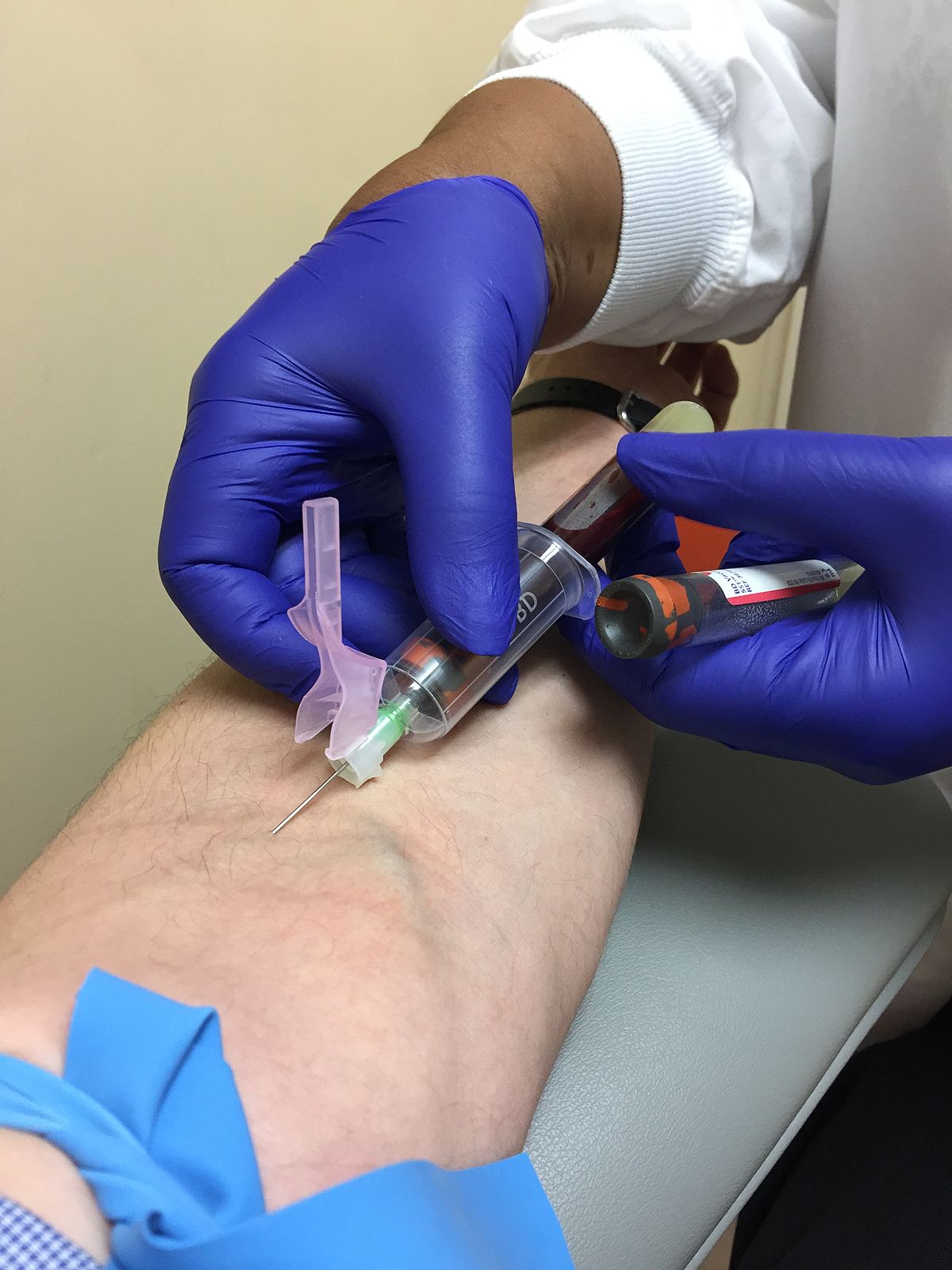
  • Blood tests. By looking at a sample of your blood, your doctor can determine if you have abnormal levels of red or white blood cells or platelets — which may suggest leukemia.
  • Bone marrow test. Your doctor may recommend a procedure to remove a sample of bone marrow from your hipbone. The bone marrow is removed using a long, thin needle. The sample is sent to a laboratory to look for leukemia cells. Specialized tests of your cancer cells that may reveal certain characteristics that are used to determine your treatment options.

Treatment

Treatment for your Myeloma, Leukemia or Lymphoma depends on many factors. Your doctor determines your treatment options based on your age and overall health, the type of cancer of the 3 you have, and whether it has spread to other parts of your body, including the central nervous system.

Common treatments used to fight these 3 blood cancers include:

  • Chemotherapy. Chemotherapy is the major form of treatment for all 3. This drug treatment uses chemicals to kill cancer cells.Depending on the type of cancer you have, you may receive a single drug or a combination of drugs. These drugs may come in a pill form, or they may be injected directly into a vein.
  • Biological therapy. Biological therapy works by using treatments that help your immune system recognize and attack cancer cells.
  • Targeted therapy. Targeted therapy uses drugs that attack specific vulnerabilities within your cancer cells.For example, the drug imatinib (Gleevec) stops the action of a protein within the leukemia cells of people with chronic myelogenous leukemia. This can help control the disease.
  • Radiation therapy. Radiation therapy uses X-rays or other high-energy beams to damage cancer cells and stop their growth. During radiation therapy, you lie on a table while a large machine moves around you, directing the radiation to precise points on your body.You may receive radiation in one specific area of your body where there is a collection of cancer cells, or you may receive radiation over your whole body. Radiation therapy may be used to prepare for a stem cell transplant.
  • Stem cell transplant. A stem cell transplant is a procedure to replace your diseased bone marrow with healthy bone marrow.Before a stem cell transplant, you receive high doses of chemotherapy or radiation therapy to destroy your diseased bone marrow. Then you receive an infusion of blood-forming stem cells that help to rebuild your bone marrow.You may receive stem cells from a donor, or in some cases you may be able to use your own stem cells. A stem cell transplant is very similar to a bone marrow transplant.

So these 3 cancers are similar in many ways with the ending results but where they effect initially or their primary area effected might be slightly different, see above. 

Last updated 9/1/2025


QUOTE FOR FRIDAY:

“The distribution of blood cancer cases reveals patterns across age, sex, and race. The risk for most blood cancers increases as people get older, though some types are more prevalent in younger populations. Leukemia is the most common cancer in children, accounting for 28% of all childhood cancers, with the risk for acute lymphoblastic leukemia (ALL) highest in those under five.

Blood cancers are statistically more common in men than in women. For example, 2021 estimates for acute myeloid leukemia (AML) showed an incidence rate of 5.2 per 100,000 for males compared to 3.5 per 100,000 for females.

There are also notable variations among racial and ethnic groups. Multiple myeloma is more than twice as common in African Americans as it is in White Americans. In contrast, chronic lymphocytic leukemia (CLL) is more frequently diagnosed in North America and Europe than in Asia. Hispanic children and adolescents have higher incidence rates of leukemia compared to other groups in the U.S.”

BiologyInsights.com  (Blood Cancer Statistics by Type, Demographics & Survival – Biology Insights)


Part II Learn the blood cells that are affected in the 3 main blood cancers and what happens to the human body including the symptoms?

Lets just start with our type of cells in the body first that would help us better understand these names in their meaning and understand what gets effected immediately when types of cells are not in normal levels.

We have red blood cells (erythrocytes) in our blood stream and abbreviated RBCs.  Their substance in them are rich in hemoglobin, an iron-containing bio-molecule.  They are also known as erythrocytes.  They also are the food carrier of oxygen (02) carried in our body from tissue to tissue.  This is done via the heart by its pumping action.  RBCs are sent throughout the bloodstream from our heart.  In time sent back to the heart when all the 02 is used up by the tissues it reached.  Then sent to the lungs from the right side of the heart to get more 02 rich supply in the cell.  The lungs take from the cell the carbon dioxide (a toxin from the cell) that we release via exhaling from the lungs.  The cell goes to the left side of the heart pumping the RBCs back out in the blood stream to release this 02 (energy)to our tissues to stay alive repeating this cycle over and over again. till that RBC dies off normally.  Without 02 and other nutrients to our tissues this means cellular starvation=death.

We have white blood cells.  White blood cells (also called leukocytes for WBCs in general and abbreviated as WBCs) are the cells of the immune system that are involved in protecting the body, they fight infection.

White blood cells (leukocytes) are the cells of the immune system that are involved in protecting the body against both infectious disease and foreign invaders but their are types of WBCs. All white blood cells are produced and derived from multipotent cells in the bone marrow known as hematopoietic stem cells. Leukocytes are found throughout the body, including the blood and lymphatic system (lymph nodes).

Types of white blood cells

  • Monocytes. They have a longer lifespan than many white blood cells and help to break down bacteria.

  • Lymphocytes. They create antibodies to defend against bacteria, viruses, and other potentially harmful invaders.

  • Neutrophils. They kill and digest bacteria and fungi. They are the most numerous type of white blood cell and your first line of defense when infection strikes.

  • Basophils. These small cells appear to sound an alarm when infectious agents invade your blood. They secrete chemicals such as histamine, a marker of allergic disease, that help control the body’s immune response.

  • Eosinophils. They attack and kill parasites, destroy cancer cells, and help with allergic responses.

Both red blood and white blood cells have what is called a nucleus inside them meaning it stores the cell’s hereditary material, or DNA, and it coordinates the cell’s activities, which include growth, intermediary metabolism, protein synthesis, and reproduction (cell division).  In addition, cancer cells often have an abnormal shape, both of the cell, and of the nucleus (the “brain” of the cell.) The nucleus appears both larger and darker than normal cells. The reason for the darkness is that the nucleus of cancer cells contains excess DNA.

Platelet cells (also called thrombocytes are a component of blood whose function (along with the coagulation factors) is to react to bleeding from blood vessel injury by clumping, thereby initiating a blood clot.  The main function of platelets is to contribute to hemostasis: the process of stopping bleeding at the site in the body anywhere.  Platelets are considered “not a true cell” because of its make up and doesn’t have a nucleus in it like RBCs or WBCs.

Where do all our cells derive from?  The bone marrow, in adult humans bone marrow is primarily located in the ribs, vertebrae, sternum, and bones of the pelvis. On average, bone marrow constitutes 4% of the total body mass of humans.

In the bone marrow the formation of blood cellular components happens. All cellular blood components are derived from haematopoietic stem cells.  The formation of blood cellular components.

When these cells get affected with being increased or decreased in the bloodstream especially changing make up of the cell (Ex. cancer cell) then the person is at risk for problems that can occur if not resolved in the near future.

Multiple myeloma, lymphoma, and leukemia

These are all types of cancers that effect your WBCs and immunity system. Doctors often call them blood cancers.  The cells that are effected are WBC’s and after the cancer cells start intially effecting WBC’s affects the other cells.

­While these three types of cancers are alike in some ways (all three deals with intially affecting WBCs and our immune system) but they affect different parts of your body. Some are harder to treat than others.

Multiple myeloma hits your plasma cells. Multiple myeloma is a cancer that forms in a type of white blood cell called a plasma cell.  These white blood cells make antibodies to fight disease. Myeloma cancer cells take over, and your body can’t fight infections like they did when your good WBCs where in normal level.  Remember all cancer cells keep replicating in the bone marrow (Where our cells are made from normally).

They take over eliminating the plasma normal cells allowing cancer cells to take over. In addition, cancer cells often have an abnormal shape, both of the cell, and of the nucleus (the “brain” of the cell.). The nucleus appears both larger and darker than normal cells nucleus (RBCs and WBCs). The reason for the darkness is that the nucleus of cancer cells contains excess DNA.

The cancer cells make abnormal antibodies that settle in your blood not allowing the regular function of regular plasma cells being done (fighting infection off).  Instead cancer cells do the opposite.  They can eat away at bone or damage your kidneys in this disease.

Lymphoma usually starts in your lymph nodes or other parts of your lymphatic system. These small glands in your armpits, groin, and neck store immune cells called lymphocytes. They are white bloods cell that fights infections. When the cancer cells build up in your lymph nodes, your immune system starts to break down.Know that a lymphocyte is one of the sub-types of white blood cell in a vertebrate’s immune system. Lymphocytes include natural killer cells, T cells (for cell-mediated, cyto-toxic adaptive immunity= cells mediate cell toxic adaptive immunity – they control it), and B cells (for humoral, antibody-driven adaptive immunity= human antibodies adapted to immune our system from infection).   They are the main type of cell found in lymph tissue, which prompted the name “lymphocyte”.
Leukemia typically starts in your blood and bone marrow.  You make so many white blood cells that you can’t fight infections. Your marrow can’t make enough of other vital blood cells: red blood cells and platelets.  The leukemia cells can‘t fight infection the way normal white blood cells do. … Eventually, there aren’t enough red blood cells to supply oxygen and nutrients they normally deliver in the blood stream.  There is not enough platelets to clot the blood or enough normal white blood cells to fight infection. This is because these leukemia cells have taken over in number and kill off the good cells of all types; due to this result of this cellular change, problems like infection, anemia, bruising, and bleeding.  This occurs since now the normal cells that fight these problems and preventing these occurences from happening are almost extinct.  What has taken over is the cancer cells .  

These 3 main types of blood cancers start with effecting the WBC’s first but effect all the types of cells in time!

Leukemia, myeloma, and lymphoma are three main types of blood cancers that primarily affect white blood cells.

  • Leukemia affects immature white blood cells, leading to an overproduction of these cells that cannot function properly, crowding out healthy white blood cells. 

  • Myeloma affects plasma cells, which are responsible for producing antibodies to fight infections. Cancerous plasma cells crowd the bone marrow, impairing its ability to produce healthy blood cells. 

  • Lymphoma affects lymphocytes, a type of white blood cell that helps the body fight infections. It can cause lymph nodes to swell and may lead to fatigue, fever, and weight loss. 

    These cancers disrupt the normal function of blood cells, making it harder for the body to fight infections and maintain overall health. 

Symptoms

Blood cancer signs can vary and may be hard to spot. But multiple myeloma, lymphoma, and leukemia do have some similar symptoms.At first, multiple myeloma may not have symptoms. As the cancer grows, you might notice:

  • Bone pain, especially in your chest or spine
  • Confusion
  • Constipation
  • Extreme thirst
  • Fatigue
  • Nausea
  • No appetite
  • Weakness or numbness
  • Weight loss you can’t explain

Stay tune for Part II tomorrow.  Its the awareness month of blood cancers!