“Alzheimer’s is the most common form of dementia, a general term for memory loss and other cognitive abilities serious enough to interfere with daily life. Alzheimer’s disease accounts for 60 to 80 percent of dementia cases.”
alz.org
“Alzheimer’s is the most common form of dementia, a general term for memory loss and other cognitive abilities serious enough to interfere with daily life. Alzheimer’s disease accounts for 60 to 80 percent of dementia cases.”
alz.org
“When diabetes is not controlled, too much sugar remains in the blood. Over time, this can damage organs, including the brain. Scientists are finding more evidence that could link Type 2 diabetes with Alzheimer’s disease, the most common form of dementia and the seventh leading cause of death in the United States.”
alz.org

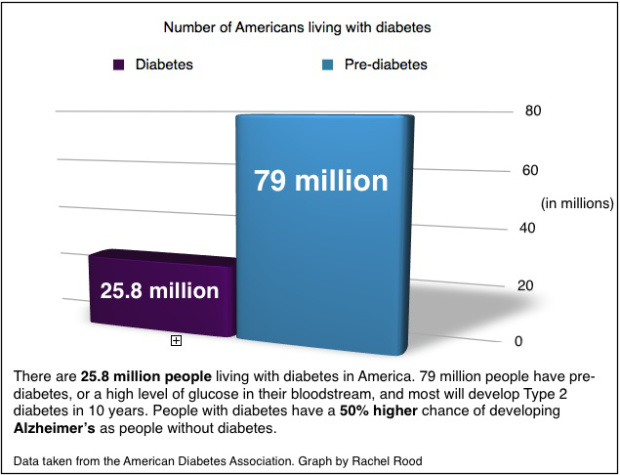
More Tips for Avoiding Alzheimer’s Disease
The beauty of following a healthy diet is that it helps treat and prevent all chronic degenerative diseases, from the common ones like heart disease, cancer, diabetes, obesity and Alzheimer’s to the ones you have never heard of or can’t even pronounce.
The first step is to eat healthy, maintaining exercise balanced with rest and practice healthy habits in addressing Alzheimer’s disease, which is currently at epidemic proportions, with 5.4 million Americans – including one in eight people aged 65 and over – living with the disease.7 By 2050, this is expected to jump to 16 million, and in the next 20 years it is projected that Alzheimer’s will affect one in four Americans. People we need to live healthier if not to help ourselves our future young ones.
In spite of how common memory loss is among Westerners, it is NOT a “normal” part of aging. While even mild “senior moments” may be caused by the same brain lesions associated with Alzheimer’s disease and other forms of dementia, these cognitive changes are by no means inevitable! People who experience very little decline in their cognitive function up until their deaths have been found (post-mortem) to be free of brain lesions, showing that it’s entirely possible to prevent the damage from occurring in the first place and one of the best ways to do this is by leading a healthy lifestyle.
“Diabetes increases your risk for many serious health problems. The good news? With the correct treatment and recommended lifestyle changes, many people with diabetes are able to prevent or delay the onset of complications.”
“Diabetes increases your risk for many serious health problems. The good news? With the correct treatment and recommended lifestyle changes, many people with diabetes are able to prevent or delay the onset of complications.”
American Diabetes Association
“The A1C test measures your average blood glucose for the past 2 to 3 months. The advantages of being diagnosed this way are that you don’t have to fast or drink anything. Diabetes is diagnosed at an A1C of greater than or equal to 6.5%. Before people develop type 2 diabetes, they almost always have “prediabetes” — blood glucose levels that are higher than normal but not yet high enough to be diagnosed as diabetes.”
American Diabetes Association


Post-traumatic stress disorder (PTSD) is a mental health condition that’s triggered by a terrifying event — either experiencing it or witnessing it. Symptoms may include flashbacks, nightmares and severe anxiety, as well as uncontrollable thoughts about the event.
Many people who go through traumatic events have difficulty adjusting and coping for a while, but they don’t have PTSD — with time and good self-care, they usually get better. But if the symptoms get worse or last for months or even years and interfere with your functioning, you may have PTSD.
Getting effective treatment after PTSD symptoms develop can be critical to reduce symptoms and improve function.
The Mayo clinic states you can develop post-traumatic stress disorder when you go through, see or learn about an event involving actual or threatened death, serious injury or sexual violation.
Doctors aren’t sure why some people get PTSD. As with most mental health problems, PTSD is probably caused by a complex mix of:
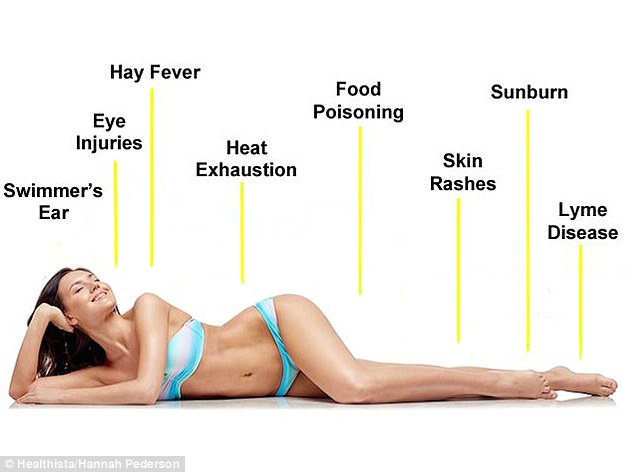
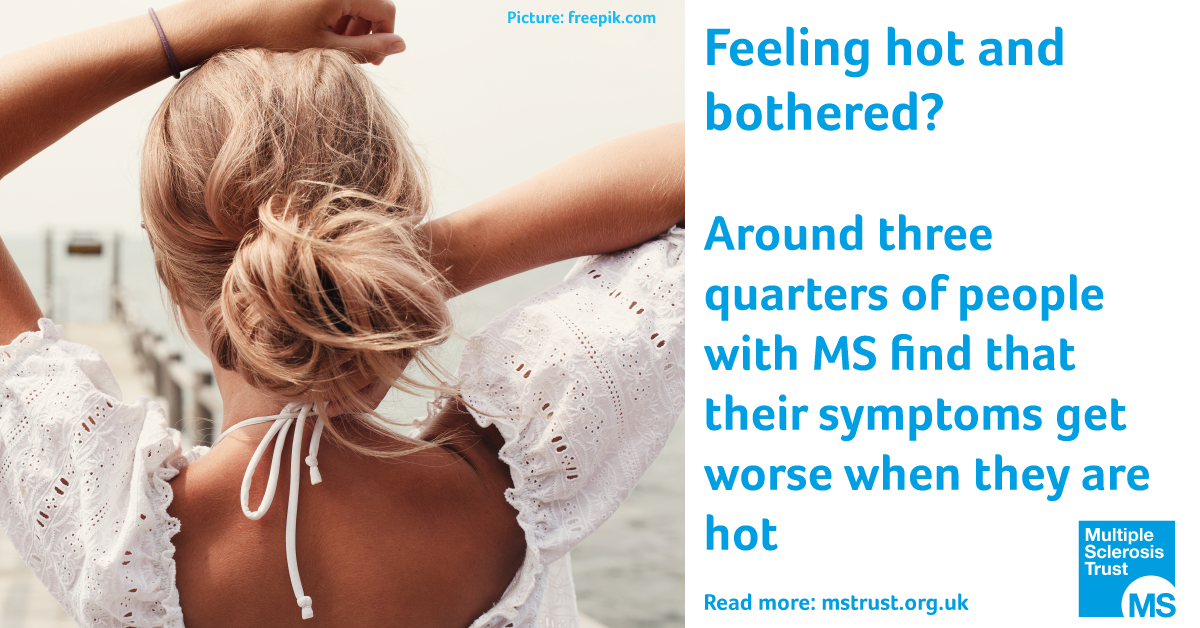
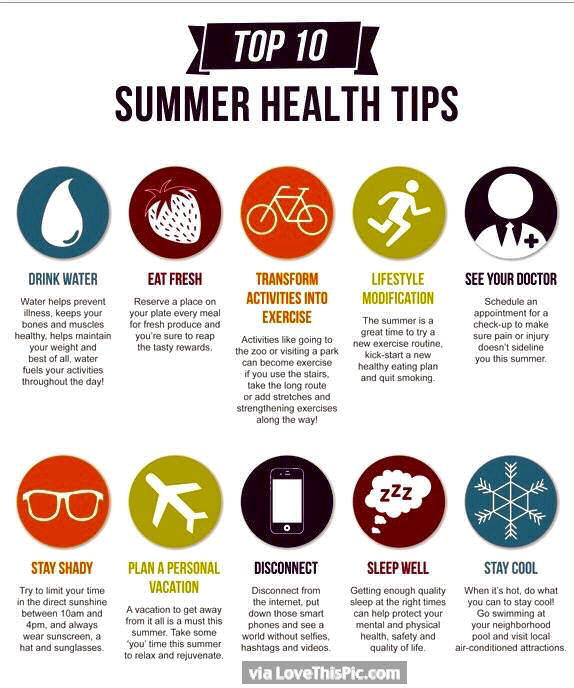
Hot weather has its hazards, from rip tides to shark scares to sunburn and close encounters with poisonous plants. Simply step outside on a hot summer evening and you’re bound to become instant mosquito bait.
There are less well-known summer health hazards you should keep in mind. Hazards that affect your body from within. Here are some summer health ailments that get worse as the temperatures rise.
Climate change is affecting not only our planet, it’s taking a toll on our health. Case in point: A University of Texas study has found that the incidence of kidney stones will increase in step with rising record temperatures. Researchers predict a huge increase in kidney stones by 2050. To help prevent kidney stones, which are made up of mineral and acid salts, the Mayo Clinic advises staying well-hydrated (which also will help protect you from heat stroke) when the weather’s sultry. It’s important to keep levels of protein, sugar and sodium (especially) in your diet low. Note that if you live in a warm part of the country or tend to sweat a lot, you may be at higher risk of kidney stones.
As the temperature rises, so does the risk of migraine for someone who’s prone to them. A study of more than 7,000 emergency room patients who came in for migraine symptoms during a seven-and-a-half-year period revealed that for every 9 degree F bump in temperature, migraine cases increased. To head off migraines in summer, the Cleveland Clinic advises staying hydrated (rely on water and other non-caffeinated beverages) with eating regular meals no matter how busy you are (your bike partner can wait) and steering clear of common migraine triggers if they affect you. Some you’re likely to encounter in summer are like hot dogs, pickles, beer and certain cheeses.
Sun exposure, elevated temperatures and wind — hallmarks of summer weather — can bring rosacea flare-ups. If you have rosacea, a skin condition that causes redness, bumps, eye irritation and thickening of skin around the face and other parts of the body, fend off flare-ups!
Tips from the National Rosacea Society:
Winter may be peak season for heart attacks, but summer heat also can take a toll on people with cardiovascular disease or who are at risk for it, according to the American Association of Heart Failure Nurses (AAHFN). That’s because high temperatures increase heart rate and lower blood pressure. Folks with weak hearts may not be able to pump enough blood to cool their bodies and can quickly become overheated. If you have heart problems, the AAHFN recommends you stay inside on blistering days, make sure you drink enough fluids (and back off of caffeine and alcohol) to keep you hydrated and have someone on speed dial who can get to you quickly if you need help.
Summer whims can spell trouble for people with asthma. When air temperatures change suddenly — as when the thermometer plummets just before a thunderstorm — it can bring on asthma symptoms, according to the American Lung Association. Asthma sufferers also may have trouble breathing in outdoor air pollution as well as when ozone levels are high, which occurs more often in the summer. If you have asthma, your best protection is prevention: Keep a check on daily air quality and, if you live in a city, heed the smog warnings that often occur on steamy days. If the weather outside seems frightful, stay indoors as much as possible.
As the weather heats up during the summer months, ground-level ozone pollution increases as pollutants react to heat and sunlight. So if going on vacation from non ozone levels to danger ozone areas be careful. Ozone levels often increase with summer wildfires, further worsening the air quality and ozone-related breathing issues. Areas consider high in danger ozone areas are Bishop, CA, Great Basin Air District, CA, Bishop Paiute Tribe, CA, Southern Ute Indian Reservation, CO, Tallahassee, FL
| Bishop, CA |
|
|||
| Great Basin Air District, CA |
|
|||
| Bishop Paiute Tribe, CA |
|
|||
| Southern Ute Indian Reservation, CO |
|
|||
| Tallahassee, FL
Go to www.airnow.gov |
Exposure to ground-level ozone can exacerbate chronic respiratory symptoms, reduce lung capacity and be a trigger for asthma attacks. Other conditions affected by high ozone levels in the summertime include COPD, heart disease and diabetes.
7. Eczema Flare Ups
Yes those of us suffering from eczema understand very well that winter months can be the toughest time of year – dry air, cold temperature, low humidity making skin susceptible to eczema breakouts and flares. Remember that also here’s a plenty of sunshine, high humidity and warm temperature. All weather conditions that is ideal for eczema.
Hot weather makes everyone sweat more. Sweating is our natural defense mechanism to control the body’s temperature. Sweat consists of mostly water. As water evaporates from the skin surface, it provides a natural cooling sensation and also lowers the body temperature. In addition to water, there are trace amounts of sodium, potassium, calcium, magnesium, lactic acid, urea, copper, zinc, nickel, iron, chromium and lead in the sweat. Many of these chemicals, if presented at a high enough concentration, may be irritating to the skin.
Hot weather worsens the itch, blockage of sweat glands, and other bad summer exposures are chlorine it can wreak havoc on your skin and hair. For one thing, chlorinated water can definitely dry out your skin. Also, to prevent skin cancer, premature aging, and sunburn, it is a good idea to use sunscreens.
Titan Medical (https://titanmedicalaesthetics.com/blog/how-summer-heat-affects-your-skin)