“The cause of intussusception is not known. It may occur more frequently in people who have relatives who also had intussusception.”
Stanford Children’s Health/Lucile’s Packard Children’s Hospital
“The cause of intussusception is not known. It may occur more frequently in people who have relatives who also had intussusception.”
Stanford Children’s Health/Lucile’s Packard Children’s Hospital
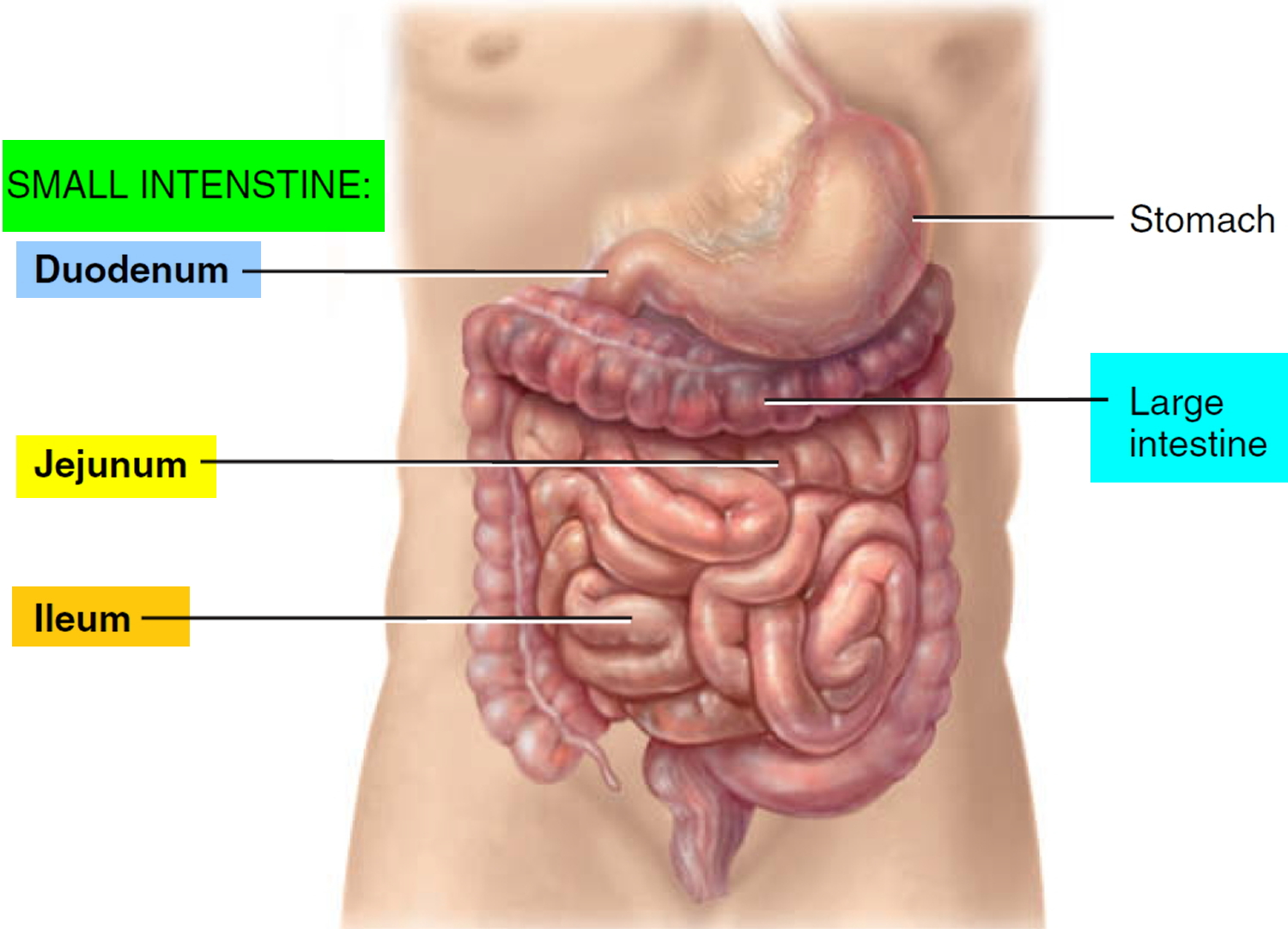
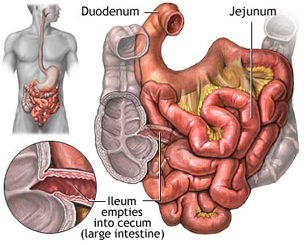
Intussusception is the most common cause of intestinal obstruction in children between ages 3 months and 3 years old. Intussusception occurs when a portion of the intestine folds like a telescope, with one segment slipping inside another segment. It can occur in the colon, the small bowel, or between the small bowel and colon. The result can be a blocked small bowel or colon. This causes an obstruction, preventing the passage of food that is being digested through the intestine.
Intussusception (in-tuh-suh-SEP-shun) is a serious condition in which part of the intestine slides into an adjacent part of the intestine.The walls of the 2 “telescoped” sections of intestine press on each other, causing irritation and swelling. Eventually, the blood supply to that area is cut off, which can cause damage to the intestine. This “telescoping” often blocks food or fluid from passing through. Intussusception also cuts off the blood supply to the part of the intestine that’s affected, which can lead to a tear in the bowel (perforation), infection and death of bowel tissue.
Intussusception is the most common cause of intestinal obstruction in children younger than 3. The cause of most cases of intussusception in children is unknown. Though rare in adults, most cases of adult intussusception are the result of an underlying medical condition, such as a tumor.
In children, the intestines can usually be pushed back into position with an X-ray procedure. In adults, surgery is often required to correct the problem.
The first sign of intussusception in an otherwise healthy infant may be sudden, loud crying caused by abdominal pain. Infants who have abdominal pain may pull their knees to their chests when they cry.
The pain of intussusception comes and goes, usually every 15 to 20 minutes at first. These painful episodes last longer and happen more often as time passes.
Other frequent signs and symptoms of intussusception include:
Not everyone has all of the symptoms. Some infants have no obvious pain, and some children don’t pass blood or have a lump in the abdomen. Some older children have pain but no other symptoms.
Because intussusception is rare in adults and symptoms of the disorder often overlap with the symptoms of other disorders, it’s more challenging to identify. The most common symptom is abdominal pain that comes and goes. Nausea and vomiting may also occur. People sometimes have symptoms for weeks before seeking medical attention.
Intussusception requires emergency medical care. If you or your child develops the signs or symptoms listed above, seek medical help right away.
In infants, remember that signs of abdominal pain may include recurrent bouts of pulling the knees to the chest and crying.
Your intestine is shaped like a long tube. In intussusception, one part of your intestine — usually the small intestine — slides inside an adjacent part. This is sometimes called telescoping because it’s similar to the way a collapsible telescope folds together.
In some cases, the telescoping is caused by an abnormal growth in the intestine, such as a polyp or a tumor (called a lead point). The normal wave-like contractions of the intestine grab this lead point and pull it and the lining of the intestine into the bowel ahead of it. In most cases, however, no cause can be identified for intussusception.
In the vast majority of cases of intussusception in children, the cause is unknown. Because intussusception seems to occur more often in the fall and winter and because many children with the problem also have flu-like symptoms, some suspect a virus may play a role in the condition. Sometimes, a lead point can be identified as the cause of the condition — most frequently the lead point is a Meckel’s diverticulum (a pouch in the lining of the small intestine).
In adults, intussusception is usually the result of a medical condition or procedure, including:
Risk factors for intussusception include:
Intussusception can cut off the blood supply to the affected portion of the intestine. If left untreated, lack of blood causes tissue of the intestinal wall to die. Tissue death can lead to a tear (perforation) in the intestinal wall, which can cause an infection of the lining of the abdominal cavity (peritonitis).
Peritonitis is a life-threatening condition that requires immediate medical attention. Signs and symptoms of peritonitis include:
Peritonitis may cause your child to go into shock. Signs and symptoms of shock include:
A child who is in shock may be conscious or unconscious. If you suspect your child is in shock, seek emergency medical care right away.
1- “Jun 13, 2017 – Chronic kidney disease (CKD) means your kidneys are damaged and can’t filter blood the way they should. In time effecting all organs. ”
2-“Suicide is the act of killing yourself, most often as a result of depression or other mental illness. Learn about suicide warning signs and steps to prevent suicide.”
1- NIDDK National Institute of Diabetes, Digestive & Kidney Diseases
2- American Psychological Association
1- “Adults with diabetes are two to four times more likely to have cardiovascular disease, which includes heart disease, heart failure, heart attack and stroke, than people without diabetes“
2-“Influenza (flu) is a highly contagious viral infection that is one of the most severe illnesses of the winter season. Influenza is spread easily from person to person, usually when an infected person coughs or sneezes. Pneumonia is a common lung infection caused by bacteria, a virus or fungi. It is often spread via coughing, sneezing, touching or even breathing, & those who don’t exhibit symptoms can also spread the illness. It can be a serious life threatening condition. Bacterial can be prevented via a vaccine.”
1-American Diabetes Association 2-American Lung Association
“1- American Stroke Society 2- CDC Centers for Disease Control and Prevention 3-NIH National Institute on Aging 1- Simple but hard to remember under panic; during a stroke, every second counts. Fast treatment can reduce the brain damage that stroke can cause. 2- Accidents, also referred to as unintentional injuries, are at present the 5th leading cause of death in the US and the leading cause of death for those between the ages 1 to 44. 3- An estimated 5.2 million Americans may have Alzheimer’s disease in 2014. Almost two-thirds of American seniors living with Alzheimer’s are women. ”
1- American Stroke Society 2- CDC Centers for Disease Control and Prevention
3-NIH National Institute on Aging
“1- In 2014, about 585,720 American are expected to die of cancer – almost 1,600 people per day. 2- Regarding COPD, National medical costs are projected to increase from $32.1 billion in 2010 to $49.0 billion in 2020. Of the medical costs, 18% was paid for by private insurance, 51% by Medicare, and 25% by Medicaid in last year. Think what prevention measures could do in the near future and later.”
1- American Cancer Society 2- The American College of Chest Physicians(CHEST)
“The deadliest disease in the world is coronary artery disease (CAD). Also called ischemic heart disease, CAD occurs when the blood vessels that supply blood to the heart become narrowed. Untreated CAD can lead to chest pain, heart failure, and arrhythmias. Coronary Heart Disease is preventable.”
American Heart Association – AHA
“Memories are generally prone to distortion over time, but researchers have found some evidence to suggest that emotional memories are more resistant to the decay processes that wear away at all memories with time.”
Elizabeth Kensinger of Boston College – Professor & Author
“Encephalocele a rare type of birth defect of the neural tube that affects the brain. The neural tube is a narrow channel that folds and closes during the third and fourth weeks of pregnancy to form the brain and spinal cord. Encephalocele is a sac-like protrusion or projection of the brain and the membranes that cover it through an opening in the skull. Encephalocele happens when the neural tube does not close completely during pregnancy. The result is an opening anywhere along the center of the skull from the nose to the back of the neck, but most often at the back of the head (pictured), at the top of the head, or between the forehead and the nose. Allowing it to sac out of the skull.”
Centers for Disease Control and Prevention CDC
“Spina bifida is a birth defect that occurs when the spine and spinal cord don’t form properly. It falls under the broader category of neural tube defects. The neural tube is the embryonic structure that eventually develops into the baby’s brain and spinal cord and the tissues that enclose them.”
Mayo Clinic