Part I Lung Cancer

When you breathe in, air enters through your mouth and nose and goes into your lungs through the trachea (windpipe). The trachea divides into tubes called the bronchi (singular, bronchus), which enter the lungs and divide into smaller branches called the bronchioles. At the end of the bronchioles are tiny air sacs known as alveoli.

Many tiny blood vessels run through the alveoli. They absorb oxygen from the inhaled air into your bloodstream and pass carbon dioxide (a waste product from the body) into the alveoli. This is expelled from the body when you exhale. Taking in oxygen and getting rid of carbon dioxide are your lungs’ main functions.

A thin lining called the pleura surrounds the lungs. The pleura protects your lungs and helps them slide back and forth as they expand and contract during breathing. The space inside the chest that contains the lungs is called the pleural space (or pleural cavity).

Below the lungs, a thin, dome-shaped muscle called the diaphragm separates the chest from the abdomen. When you breathe, the diaphragm moves up and down, forcing air in and out of the lungs.

LUNG CANCER

There are 3 types of lungs cancer.  The two most common types of lung cancer that exist are 1 non-small cell lung cancer (NSCLC), which is the most common, and 2 small cell lung cancer (SCLC), an aggressive cancer that occurs in just over 10 percent of all lung cancer cases.

The third group is 3 lung carcinoid tumors (also known as lung carcinoids) are a type of lung cancer, which is a cancer that starts in the lungs. Cancer starts when cells begin to grow out of control. Cells in nearly any part of the body can become cancer, and can spread to other areas of the body.

Lung carcinoid tumors are uncommon and tend to grow slower than other types of lung cancers. They are made up of special kinds of cells called neuroendocrine cells.

Lung Cancer Symptoms

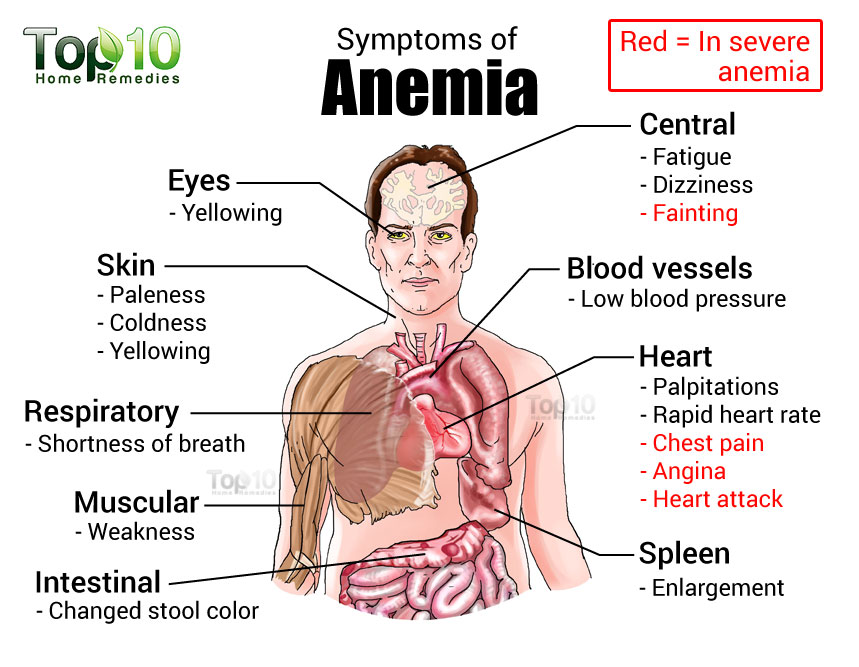
Both major types of lung cancer have similar symptoms. These symptoms often include a cough that doesn’t go away and shortness of breath.

Sometimes lung cancer does not cause any signs or symptoms. It may be found during a chest X-ray done for another condition. Signs and symptoms may be caused by lung cancer or by other conditions. Check with your doctor if you have any of the following:

  • Chest discomfort or pain
  • A cough that doesn’t go away or gets worse over time
  • Trouble breathing
  • Wheezing
  • Blood in sputum (mucus coughed up from the lungs)
  • Hoarseness
  • Loss of appetite
  • Weight loss for no known reason
  • Tiredness/lethargy
  • Trouble swallowing
  • Swelling in the face and/or veins in the neck

For both conditions, early detection through a low-dose computed topography (CT) scan is especially critical. Identifying lung cancer in its earliest stages even before you have symptoms can reduce the risk of death by 20 percent, according to recent studies.

Non-small cell lung Cancer (NSCLC)

Non-small cell lung cancer (NSCLC) is the most common type of cancer in lung tissues. Your risk of developing this disease increases if you are a longtime or former smoker, have been exposed to passive smoke, or have had environmental or occupational exposure to radon, asbestos, uranium, and other substances. The primary types of NSCLC are named for the type of cells found in the cancer:

  • Squamous-cell carcinoma (also called epidermoid carcinoma)
  • Adenocarcinoma
  • Large-cell carcinoma
  • Adenosquamous carcinoma
  • Undifferentiatiated carcinoma

Small Cell Lung Cancer (SCLC)

In small cell lung cancer (SCLC), small cancerous cells arise in the airway, usually in a central location. This is an aggressive cancer that spreads quickly throughout the body through the blood and lymphatic (node) systems. Typically occurring in people who smoke or who used to smoke, SCLC accounts for just over 10 percent of all lung cancers.

QUOTE FOR WEEKEND:

“Most people with spinal muscular atrophy are missing a piece of the SMN1 gene, which impairs SMN protein production. A shortage of SMN protein leads to motor neuron death, and as a result, signals are not transmitted between the brain and muscles. Muscles cannot contract without receiving signals from the brain, so many skeletal muscles become weak and waste away, leading to the signs and symptoms of spinal muscular atrophy.”

U.S. Library of Medicine (NIH)

QUOTE FOR TUESDAY:

“Muscular dystrophy is a group of inherited diseases characterized by weakness and wasting away of muscle tissue, with or without the breakdown of nerve tissue. There are 9 types of muscular dystrophy, with each type involving an eventual loss of strength, increasing disability, and possible deformity.

The most well known of the muscular dystrophies is Duchenne muscular dystrophy (DMD), followed by Becker muscular dystrophy (BMD).”

John Hopkins Medicine

QUOTE FOR MONDAY:

“Gastroparesis is rare.  Fewer than 200,000 cases a year.   Gastroparesis can affect digestion. The cause might be damage to a nerve that controls stomach muscles.  Symptoms include nausea and a full feeling after little food is eaten.  Diet changes and medications may offer relief.”

MAYO CLINIC

QUOTE FOR THE WEEKEND:

“There are many causes of gastroparesis. Diabetes is one of the most common causes for gastroparesis. Other causes include infections, endocrine disorders like hypothyroidism, connective tissue disorders like scleroderma, autoimmune conditions, neuromuscular diseases, idiopathic (unknown) causes, psychological conditions, eating disorders, certain cancers, radiation treatment applied over the chest or abdomen, some chemotherapy agents, and surgery of the upper intestinal tract.”

American College of Gastroenterology

QUOTE FOR FRIDAY:

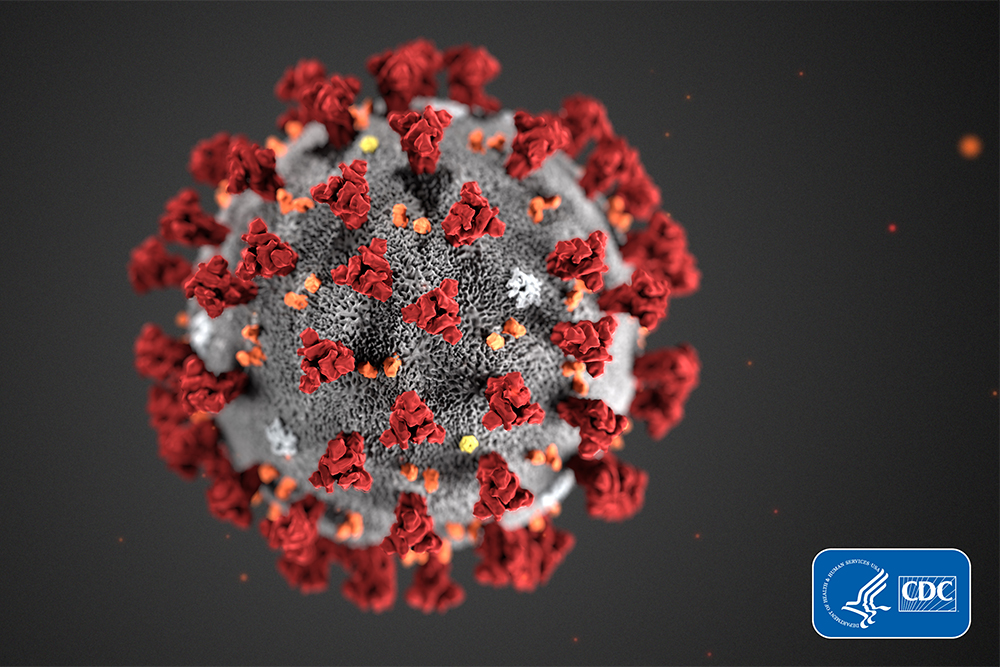
“Severe acute respiratory syndrome (SARS) is a viral respiratory illness caused by a coronavirus, called SARS-associated coronavirus (SARS-CoV). SARS was first reported in Asia in February 2003. Over the next few months, the illness spread to more than two dozen countries in North America, South America, Europe, and Asia before the SARS global outbreak of 2003 was contained. ”

Center for Disease Control and Prevention – CDC

QUOTE FOR THURSDAY:

The brain is one of the largest and most complex organs in the human body. It is made up of more than 100 billion nerves that communicate in trillions of connections called synapses. The brain is made up of many specialized areas that work together: • The cortex is the outermost layer of brain cells.”

WebMD

QUOTE FOR WEDNESDAY:

“There’s a difference between “being stuck” and “living in the moment.” Unfortunately, for some of us, life stressors and unexpected challenges can knock us off our feet and leave us feeling stuck in that “normal reaction” to an “abnormal situation.” There’s also a difference between “being in the moment” and “moving towards the future” and these two states are not necessarily mutually exclusive and, ideally, they should not be. We must accept the circumstances with which we are faced before we can begin moving from this moment into the future that we want to create for ourselves.”

checkmark iconPsychology Today

Suzanne Degges-White Ph.D.

Feeling lost in your life? Everyone goes through this sometime in their lives and their is an answer!

  1. Drift Syndrome. Do you feel lost some times? We all do at one time or another but stop, it’s can be a temporary moment in life on what you do about it or consider it a challenge. How strong are you in fighting back in resolving it whether it be just with yourself or with another too.


  1. Too Busy for Passion. 

If you’re passionate about your main job, that’s great. But for many people, their job is a means to pay the bills, not an outlet for their deeply felt passions. But if we always think we’re too busy with our jobs and other parts of our daily routines to pursue anything we’re passionate about, or were passionate with and leave the other behind or in the dark then feeling incredibly bland, if not lost, is inevitable for you or just the other party involved and even both.  When it’s both lost it can be that you let this passion you both shared for each other, in your jobs, in your dreams just evaporate in the air.   I’m a firm believer that every schedule needs some time carved away for passionate pursuits, whatever they may be (keeping love in the air for a couple to music, art, writing, movies, careers, to volunteering, etc).  If you’re always too busy for passion, the proverbial “rut” awaits you.  So either get out of the rut and prevent the rut from happening b taking action and pursue some of those passions with moving on to make your life and even the others involved in your life happier to make an overall happy place (both in the environment and to be around).

  1. Can’t Locate a Purpose.

Right alongside passion is the necessity of perceiving that what you do has a purpose, a meaningful reason for being to you alone and than to others included in that passion (ex Superiors in your job). One of the side effects of the knowledge worker revolution has been that many people work on discreet tasks that appear detached from a larger sense of purpose, and their supervisors feel no obligation to connect the dots (if they even know where all of the dots are and what they mean themselves).  It’s hard to get motivated about the meaningfulness of your position when you have only a shallow sense of why what you’re doing contributes to the big picture.  This may be one more reason to seek out a passionate sidebar, because it may also offer the sense of purpose you’re missing.  Don’t let your job drown you where you let it make you feel like your nothing or in a rut.  You look at the pros and cons of it and see if it pays off to stay and if not start searching a new journey of employment.  Now of course you can’t leave the job till better opportunities start calling you in but it won’t come knocking at your door you need to get off your butt and apply yourself.  Put out resumes, go to places for new job opportunities and even planning a new business if its possibly for you.  Life is short and to live it to the fullest you have to make a choice.

  1. Social Support is Vacant.

How many of us are plugged into social networks that offer real, substantial support?  More frequently we’re socially organized around hobbies and sports.  Those networks may be great for talking over the specifics of our pass times, but they don’t offer vital connections between people who come to rely on one another.  We live our lives largely untethered from others except for very specific needs, and this is contributing to a sense of isolation — one that’s ironically growing at the same time online social networks are exploding.

  1. Cognitive Overload.

This is probably the easiest on the list to describe, because it affects all of us, and with increasing intensity. We simply have too much on our mental plates day-in and day-out to manage effectively. Without a quality external system for helping to manage it all, we can’t help but feel overloaded, and that contributes to a feeling of being out of sorts with the responsibilities and demands we face endlessly. Our brains didn’t evolve for nonstop information-driven, consumerism-driven, technology-laden societies, so we have to find tools to offload our cognitive load, or sink.

  1. Distractions Fragment Focus.

About once a day I look at my Verizon Wireless Cell Phone IG 6 and seriously consider throwing it into the garbage.  We have an abundance of ways to stay “connected” at our disposal,  but hyper-connection invariably leads to attention fragmentation.   Don’t you hate it when you go to a diner or a party (small or large) at someone’s home and constantly on the phone with texting back to others.  It makes me with many others like ignorance and why did you invite me with it being out right rude.   Do that at a diner to someone it’s like putting the newspaper up in front of the other person’s face who came out to meet you to communicate not just sit there. When we can’t focus our time and energy on any one project without being distracted by our smart phones, email, news alerts, TV and everything else that’s barreling at us, then it’s natural to feel detached from the project and, quite possibly, lost about how to get it completed. We’ve got to lasso in the distractions to get quality work or quality time spent with others accomplished; there’s simply no other way to consistently get work done and feel good about the outcomes or have quality time with someone or people with constant distractions by a cell phone, texting, or checking your emails.  My niece comes to my house for Easter and sits in the living room on or I-pad; real quality time with your family at my house and how rude.  This is where you have to think before doing something with a bad effect since what did happen is in time parents who thought this way put the white flag up and allow this behavior finding it acceptable.  Remember parents are the key mentors to their children not children are mentors to the parents.

  1. Bad Diets Fog the Mind.

By now we’re all well aware that our cultural obsession with fast food is leading to an obesity epidemic, and a slew of related health problems like diabetes, high blood pressure and coronary artery disease. But there’s also ample evidence to suggest that the amount of saturated fat, sodium and simple carbohydrates we’re ingesting is taking a toll on our ability to think clearly. Over time, deficits in speed of thought and memory can become major contributors to feeling lost, particularly if we look back on a time when those abilities were so much sharper than they are now. One more reason to stay away from the drive-thru and start making food at home.

  1. Media Representations Create False Expectations.

We always seem to fall for whatever “perfect” and “ideal” representations are produced by ever-opportunistic media minds. Whether it’s the supermodel look, or the Mercedes/BMW everyone deserves to have waiting for them in their driveways at Christmas — pick your poison — it’s all commercialized fantasy. When you find yourself trying to measure up to the fantasy and, of course, fall far short, it’s depressing. Remember it is all how you look at life.  One this is all materialistic and won’t last forever.  Two it is how you look at life, what are your priorities—a family, single life and live crazy (which is short for most unless a famous actor abusing drugs or alcohol and dies early still in life like Michael Jackson, John Belushi, etc…)  We think, “If that’s what ‘success’ looks like, then what am I?” Note that the effect is so insidious we’re usually processing that question in our minds without even consciously thinking it through. Over time those questions can lead to feeling lost. But they don’t have to if we can remind ourselves that “selling” is the prime mover of every commercialized fantasy we see.  Without a buyer, the craftiest ploys of the seller are meaningless.

Than let us look at this LOCKDOWN in areas of America especially poor New Yorker’s with this Governor Cuomo who was most definitely correct with the lock down in the beginning but now really questionable.  Than these resources as references we here from in the media, You Tube,  etc… telling us Covid is the worst Pandemic we ever had.  NOT TRUE YET, we had alone H1N1 in 1918 to 1919 called the “Swine Flu” that effected 1/3 of the world’s population (that was not even close with today’s population) causing 500 million people effected, and 50 million deaths. NO COMPARISON and I could go on with other pandemics.

So ending line don’t PANIC since it only makes you not think logically and blow things out of proportion.  You will always get through a crisis in your life but you need people, pets, exercise and other resources to help you get through the hard times of life .  The key to resolving this is the strength with the resources you have in helping you to fight back to the reasons you are lost, or dealing with a change of some type in your life, and if you know what you have to do to start making you feel better than get off your butt and take the first step.

Now if its cause you lost someone dearly in your life you need time for healing and after that 6mth to a year or sooner for others start taking action in what you need to do in making your life happier.  Remember life is short and time is precious so don’t wait till you regret that you never did anything or took action to make your life a better one.  Live your life to its fullest.

QUOTE FOR TUESDAY:

“Opioid Legislation: On December 27, 2017, State of Michigan staff drafted eight pieces of legislation aimed at addressing the ongoing opioid epidemic crisis. This legislation may have an impact on the type of pain management care you receive in the future, and how that care will be delivered. (Posted March 9, 2018).”

Michigan Medicine/University of Michigan