



If you haven’t begun thinking about Christmas yet, you really should – we’re less than one week away from the big day. Presents are no doubt the first things on the shopping list but there are some festive essentials that might not be front of mind. And if you don’t factor them into your budget, you might find yourself spending more than you expect.
Christmas cards
It’s still a tradition to exchange a Christmas card, often with updates of what’s occurred in the last 12 months. No doubt you’ve a handful left over from last year (if you can find them), so work out how many you need rather than just buying a few boxes. Then top up in the January sales for next year.
Fewer cards are sent nowadays, and that’s largely down to email. If you’re not bothered about sending a physical card, you could save a fair few quid by sending your own e-card.
Second-class stamps
If you are going to send a card by post, you’ll obviously save cash if you send them second class, likewise with any gifts. So the earlier you send them the cheaper it’ll be.
Real or fake Christmas tree?
Real trees aren’t cheap, so if you want one with no-drop-needles-that-will-still-drop-whatever-the-label-says, find out how much it’ll cost you, especially if you need to get a taxi to get it home.
A fake tree is often a cheaper option and will last you a good three or four years, if not longer.
Wrapping paper
You’ve either got rolls of it left over from previous years (maybe it’s hiding with the Christmas cards?) or perhaps you’ll grab what’s closest to the till the night before you need to wrap all your gifts.
If you’re on a tight budget, pick something that could be used for gifts all year around such as red, gold or silver. Brown parcel paper with a ribbon can look great too.
Turkey and trimmings
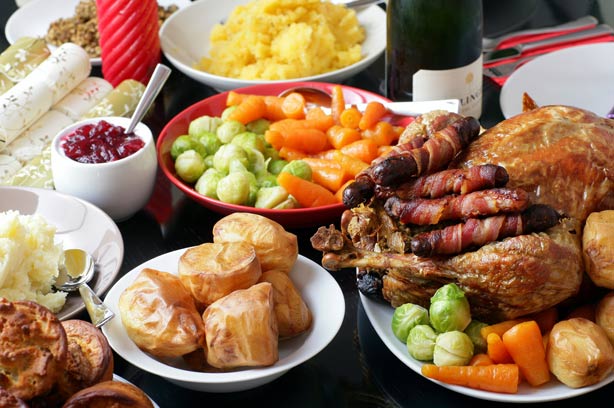
A turkey won’t come cheap, and all the extras will add up too. The earlier you work out the total cost (supermarket websites are a great way to get a rough idea) the sooner you’ll know if you need to cut back on the overall spend.
You can of course lower the costs through meal planning. If you work out how you’ll use leftovers from the turkey over the next few days, it’ll mean you need to buy less grub.
It’s easy to get carried away with the egg nog and lose track of how much an evening out is costing, especially if you’re paying with credit cards, not real actual money in your pocket (even if getting food from the store for a home Christmas meal).
1 – Instead take with you just the cash you can afford for the night out. Parting with the physical money will slow down your spending so you can stretch out the night until it’s time to head home – just don’t spend your bus fare or subway fair! THINK BUDGET and your love yourself much after New Year’s Eve into the new year when you get those lovely bills of your credit cards!
2 – When your friends aren’t on a budget, there can be pressure to go along with pricey nights out and activities.
But if joining in means you’ll get into debt, be upfront and suggest a cheaper alternative. It might also mean you have to say no to some things, so prioritize the ones you really want to attend and can afford within your budget. Those who love you or consider you significant in their lives will understand and make a change with the group or at least the part of the family buying presents in their range so everyone can have a fun holiday!
3 – If you’re worried about splitting the bill or joining in on rounds, just tell your friends you’re going to pay for yourself as you’re on a really tight budget.
Yes, it means more trips to the bar, but at least you’ll be able to make sure you don’t spend more than you can afford.
4 – There are only so many days to fit things in before Christmas, but that doesn’t mean you have to be out every evening.
If you can schedule some get togethers in the new year rather than December, you’ll be able to cover the cost of your nights out from next month’s payslip. Logical isn’t it?
Lastly consider…
Christmas Money Planner
What will you be spending money on this Christmas?
How are you planning to pay for Christmas? From presents to food, the costs can add up quickly. Using our Christmas Money Planner will help you set a budget for the festive season. Now its just less that a week away so figure out your plan if you have too and make your calls to family and friends now not the day or two before! Its sort of late now so do it today if not already!
Have a safe and merry Holiday Season!!