QUOTE FOR THURSDAY:

“Prevent Blindness has declared April as Women’s Eye Health and Safety Month in an effort to educate the public on the increased risk for women and vision health issues, as well as steps that can be taken to prevent vision loss.

Two out of every three people living with blindness or vision problems are women according to the National Eye Institute. Women are at greater risk of developing a number of eye conditions, including age-related macular degeneration (AMD), cataracts and glaucoma.

We know that women often manage their family’s health and take care of everyone else first. However, it is important that women make their own eye health a priority as early detection and consistent treatment can significantly reduce the risk of vision loss.”

Texas Retina Associates

QUOTE FOR WEDNESDAY:

“The liver is essential for digesting food and ridding your body of toxic substances.

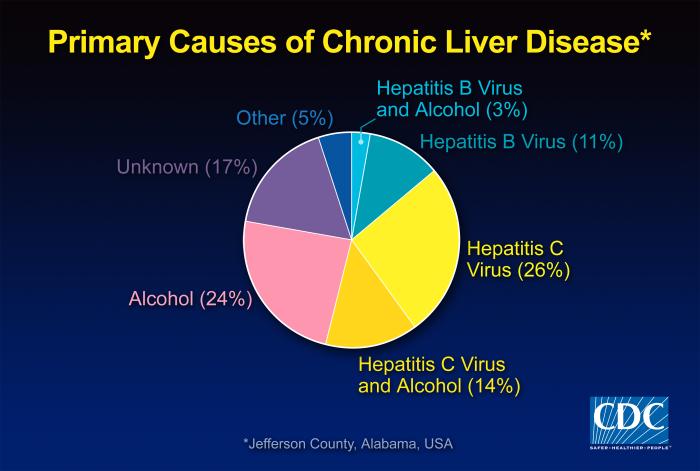
Liver disease can be inherited (genetic). Liver problems can also be caused by a variety of factors that damage the liver, such as viruses, alcohol use and obesity.

Over time, conditions that damage the liver can lead to scarring (cirrhosis), which can lead to liver failure, a life-threatening condition. But early treatment may give the liver time to heal.”.

MAYO CLINIC

The causes, risk factors, complications and prevention tips of liver diseases!

Causes

Liver disease has many causes.

Infection

Parasites and viruses can infect the liver, causing inflammation that reduces liver function. The viruses that cause liver damage can be spread through blood or semen, contaminated food or water, or close contact with a person who is infected. The most common types of liver infection are hepatitis viruses, including:

  • Hepatitis A
  • Hepatitis B
  • Hepatitis C

Immune system abnormality

Diseases in which your immune system attacks certain parts of your body (autoimmune) can affect your liver. Examples of autoimmune liver diseases include:

  • Autoimmune hepatitis
  • Primary biliary cirrhosis
  • Primary sclerosing cholangitis

Genetics

An abnormal gene inherited from one or both of your parents can cause various substances to build up in your liver, resulting in liver damage. Genetic liver diseases include:

  • Hemochromatosis
  • Hyperoxaluria and oxalosis
  • Wilson’s disease
  • Alpha-1 antitrypsin deficiency

Cancer and other growths

Examples include:

  • Liver cancer
  • Bile duct cancer
  • Liver adenoma

Other

Additional, common causes of liver disease include:

  • Chronic alcohol abuse
  • Fat accumulating in the liver (nonalcoholic fatty liver disease)

Risk factors

Factors that may increase your risk of liver disease include:

  • Heavy alcohol use
  • Injecting drugs using shared needles
  • Tattoos or body piercings
  • Blood transfusion before 1992
  • Exposure to other people’s blood and body fluids
  • Unprotected sex
  • Exposure to certain chemicals or toxins
  • Diabetes
  • Obesity

Complications

Complications of liver disease vary, depending on the cause of your liver problems. Untreated liver disease may progress to liver failure, a life-threatening condition.

Prevention

To prevent liver disease:

  • Drink alcohol in moderation. For healthy adults, that means up to one drink a day for women and up to two drinks a day for men. Heavy or high-risk drinking is defined as more than eight drinks a week for women and more than 15 drinks a week for men.
  • Avoid risky behavior. Get help if you use illicit intravenous drugs, and don’t share needles used to inject drugs. Use a condom during sex. If you choose to have tattoos or body piercings, be picky about cleanliness and safety when selecting a shop.
  • Get vaccinated. If you’re at increased risk of contracting hepatitis or if you’ve already been infected with any form of the hepatitis virus, talk to your doctor about getting the hepatitis A and hepatitis B vaccines.
  • Use medications wisely. Take prescription and nonprescription drugs only when needed and only in recommended doses. Don’t mix medications and alcohol. Talk to your doctor before mixing herbal supplements or prescription or nonprescription drugs.
  • Avoid contact with other people’s blood and body fluids. Hepatitis viruses can be spread by accidental needle sticks or improper cleanup of blood or body fluids.
  • Take care with aerosol sprays. Make sure the room is ventilated, and wear a mask when spraying insecticides, fungicides, paint and other toxic chemicals. Always follow the manufacturer’s instructions.
  • Protect your skin. When using insecticides and other toxic chemicals, wear gloves, long sleeves, a hat and a mask.
  • Maintain a healthy weight. Obesity can cause nonalcoholic fatty liver disease.

QUOTE FOR THE WEEKEND:

Rabbits are the most common small mammal kept as pets in the US other than dogs and cats. Rabbits are typically sociable animals. Keep the rabbit in good health through proper management and veterinary care.  It is very important that rabbits are handled and held properly. A rabbit’s hind legs are so powerful that if the animal kicks when it is not properly supported, the force can actually break its back! Rabbits can be kept outdoors, but it is recommended that pet rabbits be kept indoors to protect them from attack and disease transmission from wildlife. Rabbits are extremely heat sensitive . Ventilation and temperature control of the rabbit’s environment are very important at all times.Rabbits are extremely heat sensitive . Ventilation and temperature control of the rabbit’s environment are very important at all time.”.

wormsandgermsblog.com

QUOTE FOR FRIDAY:

“There is no standard treatment for Parkinson’s disease (PD). Treatment for each person with Parkinson’s is based on his or her symptoms.

Treatments include medication and surgical therapy. Other treatments include lifestyle modifications, like getting more rest and exercise.”

Parkinson’s Foundation (https://www.parkinson.org/Understanding-Parkinsons/Treatment)

QUOTE FOR THURSDAY:

“Parkinson’s disease destroys neurons in the brain that are essential for controlling movement. As a result, people may have shaking, stiffness, and difficulty with walking, balance, and coordination. Symptoms usually begin gradually and get worse over time.”

National Institute of Health/NIH Research Matters (https://www.nih.gov)

QUOTE FOR WEDNESDAY:

“Parkinson’s disease is a progressive nervous system disorder that affects movement. Symptoms start gradually, sometimes starting with a barely noticeable tremor in just one hand. Tremors are common, but the disorder also commonly causes stiffness or slowing of movement.  Parkinson’s Disease has stages”.

MAYO CLINIC

QUOTE FOR TUESDAY:

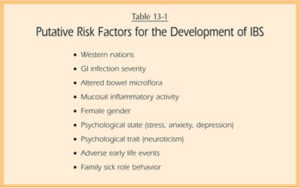
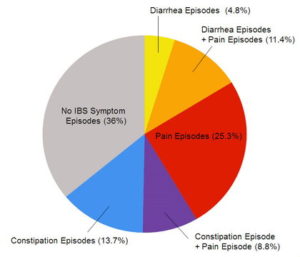
“Irritable bowel syndrome (IBS) is a problem that affects the large intestine. It can cause abdominal cramping, bloating, and a change in bowel habits. Some people with the disorder have constipation. Some have diarrhea. Others go back and forth between the two. Although IBS can cause a great deal of discomfort, it does not harm the intestines.

IBS is common. It affects about twice as many women as men and is most often found in people younger than 45 years. No one knows the exact cause of IBS. There is no specific test for it. Your doctor may run tests to be sure you don’t have other diseases.”

NIH National Library of Medicine/Medline Plus (https://medlineplus.gov/irritablebowelsyndrome.html)

Part II Irritable Bowel Syndrome Awareness Month!


Treatments and drugs

Because it’s not clear what causes irritable bowel syndrome, treatment focuses on the relief of symptoms so that you can live as normally as possible.

In most cases, you can successfully control mild signs and symptoms of irritable bowel syndrome by learning to manage stress and making changes in your diet and lifestyle. Try to avoid foods that trigger your symptoms. Also try to get enough exercise, drink plenty of fluids and get enough sleep.

If your problems are moderate or severe, you may need more than lifestyle changes. Your doctor may suggest medications.

Dietary changes:

  • Eliminating high-gas foods. If you have bothersome bloating or are passing considerable amounts of gas, your doctor may suggest that you cut out such items as carbonated beverages, vegetables — especially cabbage, broccoli and cauliflower — and raw fruits.
  • Eliminating gluten. Research shows that some people with IBS report improvement in diarrhea symptoms if they stop eating gluten (wheat, barley and rye). This recommendation remains controversial, and the evidence is not clear.
  • Eliminating FODMAPs. Some people are sensitive to types of carbohydrates such as fructose, fructans, lactose and others, called FODMAPs (fermentable oligo-, di-, and monosaccharides and polyols). FODMAPs are found in certain grains, vegetables, fruits and dairy products. However, often people are not bothered by every FODMAP food. You may be able to get relief from your IBS symptoms on a strict low FODMAP diet and then reintroduce foods one at time.

Medications:

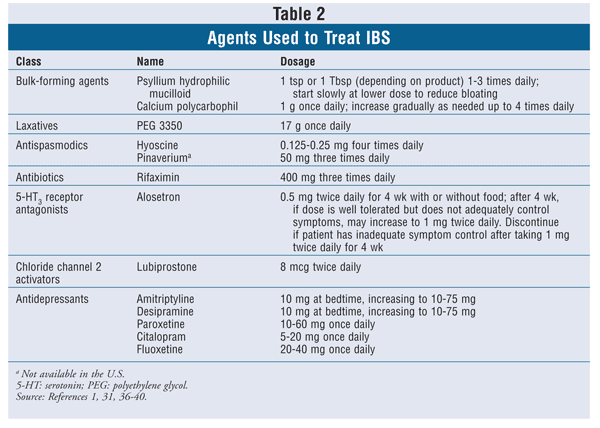
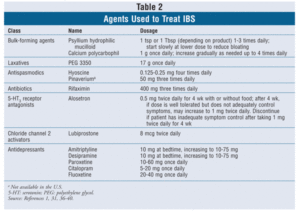
  • Fiber supplements. Taking fiber supplements, such as psyllium (Metamucil) or methylcellulose (Citrucel), with fluids may help control constipation. Fiber obtained from food may cause much more bloating compared with a fiber supplement. If fiber doesn’t help symptoms, your doctor may prescribe an osmotic laxative such as milk of magnesia or polyethylene glycol.
  • Anti-diarrheal medications. Over-the-counter medications, such as loperamide (Imodium), can help control diarrhea. Some people will benefit from medications called bile acid binders, such as cholestyramine (Prevalite), colestipol (Colestid) or colesevelam (Welchol), but these can lead to bloating.
  • Anticholinergic and antispasmodic medications. These medications, such as hyoscyamine (Levsin) and dicyclomine (Bentyl), can help relieve painful bowel spasms. They are sometimes used for people who have bouts of diarrhea, but they can worsen constipation and can lead to other symptoms, such as difficulty urinating. They should also be used with caution among people with glaucoma.
  • Antidepressant medications. If your symptoms include pain or depression, your doctor may recommend a tricyclic antidepressant or a selective serotonin reuptake inhibitor (SSRI). These medications help relieve depression as well as inhibit the activity of neurons that control the intestines.

If you have diarrhea and abdominal pain without depression, your doctor may suggest a lower than normal dose of tricyclic antidepressants, such as imipramine (Tofranil) or nortriptyline (Pamelor). Side effects of these drugs include drowsiness and constipation. SSRIs, such as fluoxetine (Prozac, Sarafem) or paroxetine (Paxil), may be helpful if you’re depressed and have pain and constipation.

  • Some people whose symptoms are due to an overgrowth of bacteria in their intestines may benefit from antibiotic treatment. Some people with symptoms of diarrhea have benefited from rifaximin (Xifaxan), but more research is needed.
  • You may benefit from counseling if you have depression or if stress tends to worsen your symptoms.

Medication specifically for IBS

Two medications are currently approved for specific cases of IBS:

  • Alosetron (Lotronex). Alosetron is designed to relax the colon and slow the movement of waste through the lower bowel. The Food and Drug Administration (FDA) removed it from the market for a time, but has since allowed alosetron to be sold again.

However, alosetron can be prescribed only by doctors enrolled in a special program and is intended for severe cases of diarrhea-predominant IBS in women who haven’t responded to other treatments. Alosetron is not approved for use by men. It has been linked to rare but important side effects, so it should only be considered when other treatments are not successful.

  • Lubiprostone (Amitiza). Lubiprostone works by increasing fluid secretion in your small intestine to help with the passage of stool. It is approved for women age 18 and older who have IBS with constipation. Its effectiveness in men is not proved, nor its long-term safety. Common side effects include nausea, diarrhea and abdominal pain. Lubiprostone is generally prescribed only for women with IBS and severe constipation for whom other treatments haven’t been successful.
 

QUOTE FOR MONDAY:

“Irritable bowel syndrome (IBS) is the most common functional gastrointestinal (GI) disorder with worldwide prevalence rates ranging generally in the area of 10–15%. Functional GI disorders are disorders that occur because of abnormal functioning of the GI tract, which can affect motility, sensation, and brain–gut communication.”

International Foundation for Gastrointestinal Disorders – iffgd

(https://aboutibs.org/what-is-ibs/facts-about-ibs/statistics/)