QUOTE FOR FRIDAY:
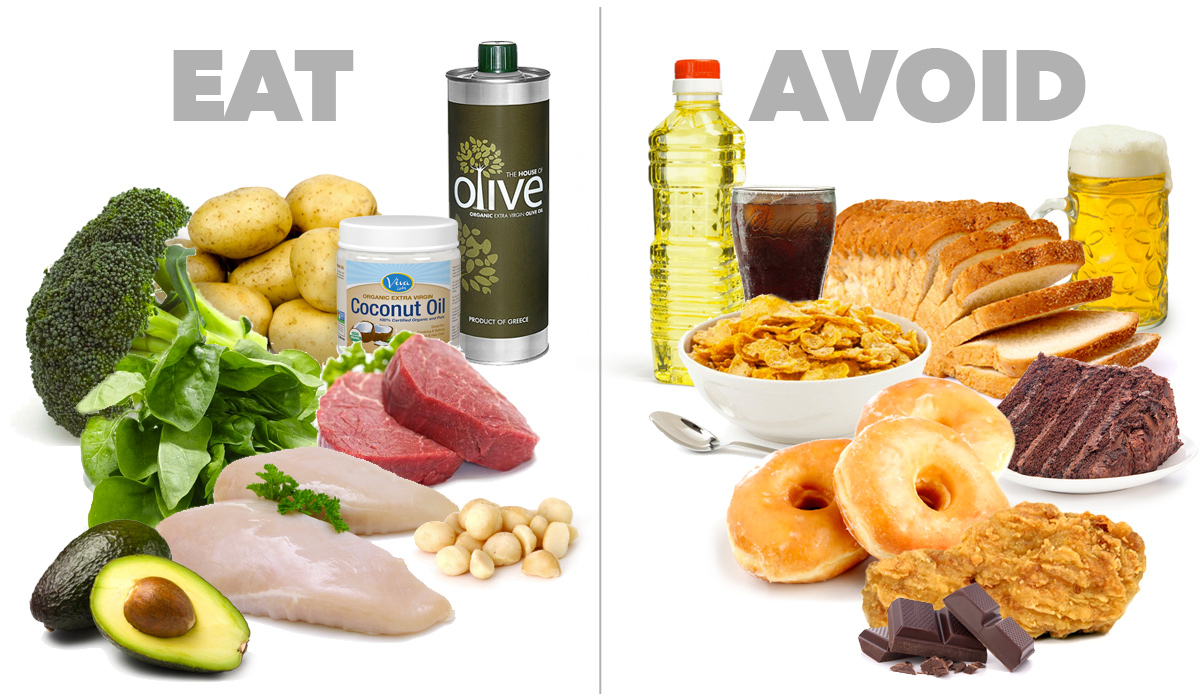
Part II Foods Bad in our diet and to avoid (on a routine basis)
Gluten-Free Junk Food
Gluten-free is all the rage these days.
About a third of people in the US are actively trying to avoid gluten, according to a 2013 survey.
The problem with many gluten-free diets, is that people replace the gluten-containing foods with processed junk foods that happen to be gluten-free, what good is that going to do you in healthy eating (nothing).
These gluten-free replacement products are often high in sugar, unhealthy oils and refined grains like corn starch or tapioca starch. These refined starches lead to rapid spikes in blood sugar, and are extremely low in essential nutrients.
Alternatives: Choose foods that are naturally gluten-free, like unprocessed plants and animal foods. Gluten-free junk food is still junk food.
Agave Nectar
This is a sweetener that is often marketed as healthy.
However, agave nectar is not as healthy as some people think. It is a highly refined sweetener that is extremely high in fructose.
High amounts of fructose from added sweeteners (not whole fruit) can be absolutely a disaster for your health.
The truth is, agave is even higher in fructose than other sugars.
Whereas table sugar contains 50% fructose, and high fructose corn syrup around 55%, agave nectar is 85% fructose.
Alternatives: Stevia and erythritol are healthy, natural and calorie free=stevia and erythritol..
Low-Fat Yogurt-it can be incredibly healthy.
Unfortunately, most yogurts found in the grocery store are extremely bad for you.
They are frequently low in fat, but loaded with sugar to make up for the lack of taste that the fats provided.
Put simply, the yogurt has had the healthy, natural dairy fats removed, only to be replaced with something much, much worse.
Additionally, many yogurts don’t actually contain probiotic bacteria, as generally believed. They have often been pasteurized. This occurs after fermentation, which kills all the bacteria.
Alternatives: Choose regular, full-fat yogurt that contains live or active cultures (probiotics). If you can get your hands on it, choose yogurt from grass-fed cows.
Low-Carb Junk Foods
Low-carb diets are very popular these days, and have been for several decades.
There are plenty of real foods that you can eat on a low-carb diet, most of which are very healthy.
However, this is not true of processed low-carb replacement products, such as low-carb candy bars and meal replacements.
These are generally highly processed foods that contain very little actual nutrition, just a bunch of artificial ingredients mixed together and then sold as food.
Alternatives: If you’re on a low-carb diet, eat foods that are naturally low in carbs. Low-carb junk food is still junk food.
Ice Cream
Ice cream is one of the most delicious foods on the planet.
Unfortunately, it is also one of the unhealthiest. Most commercial ice cream is loaded with sugar.
Ice cream is also high in calories, and it is very easy to eat excessive amounts. Eating it for dessert is even worse, because then you’re adding it all on top of your total calorie intake.
Alternatives: It is possible to make your own ice cream using healthier ingredients and significantly less (or no) sugar.
Candy Bars
Candy bars are incredibly unhealthy
They are high in sugar, refined wheat flour and processed fats. They are also very low in essential nutrients.
Processed foods like candy bars are generally engineered to be super tasty (so you eat more), and have been designed so that it’s very easy to eat them quickly.
A candy bar may taste good and cause some short-term satiety, but you’ll be hungry again very quickly because of the way these high-sugar treats are metabolized.
Alternatives: Eat a piece of fruit instead, or a piece of real high-cocoa dark chocolate.
QUOTE FOR THURSDAY:
“Do you know what foods are unhealthy? When examining your diet, it can be difficult to determine what foods are healthy or not.
The most common unhealthy foods include highly-processed items “such as fast foods and snack foods,” says Vilma Andari, M.S. “Highly-processed foods tend to be low in nutrients (vitamins, minerals and antioxidants) and high on empty calories due to the content of refined flours, sodium and sugar.” Examples of processed foods include: Chips, Cookies, Cakes, Sugar cereals. What makes is unhealthy? “The preparation method and the types of ingredients the food contains make it unhealthy,” says Andari. “Sodium, sugar and fat (saturated fat and trans-fat) are key ingredients one should always monitor when eating out and shopping at the grocery store. The American Heart Association recommends keeping the consumption of saturated fat to less than 7 percent and the consumption of trans-fat to less than 1 percent of an individual’s daily calories.”.
wwwheart.org
QUOTE FOR WEDNESDAY:
“Almost 1 in 2 U.S. adults—or about 108 million people—have high blood pressure.1
More than 1 in 7 U.S. adults—or about 37 million people—may have chronic kidney disease (CKD).2
High blood pressure is the second leading cause of kidney failure in the United States after diabetes.2″
National Institute of Diabetes and Digestive and Kidney Disease
QUOTE FOR MONDAY:
“Osteoarthritis, the most common form of arthritis, involves the wearing away of the cartilage that caps the bones in your joints. Rheumatoid arthritis is a disease in which the immune system attacks the joints, beginning with the lining of joints.”.
MAYO CLINIC
QUOTE FOR THE WEEKEND:
“July means fun in the sun for many people. But with the beach and barbecue weather comes higher exposure to harmful Ultraviolet (UV) rays, which are the main cause of skin cells turning into cancer.
Taking extra precaution with your skin this summer is more important than ever, as the rate of skin cancer has increased dramatically over the last decade. According to the American Cancer Society, skin cancer is the most common cancer in the United States. More skin cancers are diagnosed each year than all other cancers combined.
As part of July’s UV Safety Month, let’s explore how UV radiation can cause skin cancer as well as ways to prevent overexposure to harmful rays.”.
Saint John’s Cancer Institute
QUOTE FOR FRIDAY:
“Everyone is exposed to UV radiation from the sun and an increasing number of people are exposed to artificial sources used in industry, commerce and recreation. The sun is by far the strongest source of ultraviolet radiation in our environment. Solar emissions include visible light, heat and ultraviolet (UV) radiation. Just as visible light consists of different colours that become apparent in a rainbow, the UV radiation spectrum is divided into three regions called UVA, UVB and UVC. As sunlight passes through the atmosphere, all UVC and most UVB is absorbed by ozone, water vapour, oxygen and carbon dioxide. UVA is not filtered as significantly by the atmosphere.”
World Health Organization WHO
QUOTE FOR TUESDAY:
“Each year in the United States, approximately 2,600 babies are born with a cleft palate and 4,400 babies are born with a cleft lip, with or without a cleft palate (CDC). Children with orofacial clefts and other craniofacial conditions often have impaired ability to feed and impaired language development, and might be at increased risk for a greater number of ear infections, hearing issues, and problems with their teeth.”
Community Health of Central Washington (https://www.chcw.org/national-cleft-craniofacial-awareness-and-prevention-month)
QUOTE FOR MONDAY:
“Cord blood banking provides a simple process of safely and securely storing the blood within your child’s umbilical cord, as well as the tissue from the cord itself. Parents have the option of banking their baby’s cord blood with a public cord blood bank, or a private cord blood bank like NECBB.
Public cord blood banking is free and will provide life-saving benefits to a family in need. Once you donate your cord blood, however, you no longer have rights to those stem cells. If your child or family member is in need of cord blood stem cells, there is no guarantee that you or children can use their own cells. With private cord blood banking, there are fees but you own the cells. Your full rights to use it are preserved, and it is always immediately available to you.”.
NE CBB New England Cord Blood Bank (https://www.cordbloodbank.com/july-cord-blood-awareness-month)
