QUOTE FOR TUESDAY:

According to the ARDI application, during 2020–2021, excessive alcohol use was responsible for about 178,000 deaths and 4 million years of potential life lost each year, on average. More than one third of these deaths and nearly half of the years of potential life lost were due to binge drinking.  Keeping in mind alcoholism effects our health over long time heavy drinking one aspect alone the B/P.  Drinking a lot of alcohol can affect the muscles in your blood vessels. This can cause them to become narrower. The more alcohol you drink, the higher the risk of developing hypertension. If you drink regularly you are at risk, especially if you’re over the age of 35.  High Blood Pressure can cause deaths or long term health problems.

ARDI/CDC – Centers for Disease Control and Prevention

QUOTE FOR MONDAY:

Specifically, Neuroticism has been recognized as the strongest predictor among other personality traits that discriminate between non-drinkers, drinkers, and moderate drinkers in women (Lac & Donaldson, 2016), with lower scores in binge drinkers (Adan et al., 2017).  Neuroticism is defined as a tendency toward anxiety, depression, sensivity, self-doubt, sensitive, and other negative feelings. A chronic disease in which a person craves drinks that contain alcohol and is unable to control his or her drinking. A person with this disease also needs to drink greater amounts to get the same effect and has withdrawal symptoms after stopping alcohol use.  You don’t have to have these symptoms to be an alcoholic or drinking too much.  Heavy Drinking is considered:

  • NIAAA defines heavy drinking as follows:
    • For men, consuming five or more drinks on any day or 15 or more per week
    • For women, consuming four or more on any day or 8 or more drinks per week
  • SAMHSA defines heavy alcohol use as binge drinking on 5 or more days in the past month
  • Less you drink the better for your mind and body health.”

National Institute on Alcohol Abuse and Alcoholism

(https://www.niaaa.nih.gov/alcohol-health/overview-alcohol-consumption/moderate-binge-drinking)

April is also Alcoholism Awareness Month!

        ALCOHILISM1

  ALCOHOLISM2

Alcoholism, or alcohol dependence, is a disease that causes

  • Craving – a strong need to drink
  • Loss of control – not being able to stop drinking once you’ve started
  • Physical dependence – withdrawal symptoms
  • Tolerance – the need to drink more alcohol to feel the same effect

With alcohol abuse, you are not physically dependent, but you still have a serious problem. The drinking may cause problems at home, work, or school. It may cause you to put yourself in dangerous situations, or lead to legal or social problems.

Alcohol use disorder (which includes a level that’s sometimes called alcoholism) is a pattern of alcohol use that involves problems controlling your drinking, being preoccupied with alcohol, continuing to use alcohol even when it causes problems, having to drink more to get the same effect, or having withdrawal symptoms when you rapidly decrease or stop drinking.Unhealthy alcohol use includes any alcohol use that puts your health or safety at risk or causes other alcohol-related problems. It also includes binge drinking — a pattern of drinking where a male consumes five or more drinks within two hours or a female downs at least four drinks within two hours. Binge drinking causes significant health and safety risks.  If your pattern of drinking results in repeated significant distress and problems functioning in your daily life, you likely have alcohol use disorder. It can range from mild to severe. However, even a mild disorder can escalate and lead to serious problems, so early treatment is important.

Another common problem is binge drinking. It is drinking about five or more drinks in two hours for men. For women, it is about four or more drinks in two hours.

Too much alcohol is dangerous. Heavy drinking can increase the risk of certain cancers. It can cause damage to the liver, brain, and other organs. Drinking during pregnancy can harm your baby. Alcohol also increases the risk of death from car crashes, injuries, homicide, and suicide.

Genetic, psychological, social and environmental factors can impact how drinking alcohol affects your body and behavior. Theories suggest that for certain people drinking has a different and stronger impact that can lead to alcohol use disorder.

Over time, drinking too much alcohol may change the normal function of the areas of your brain associated with the experience of pleasure, judgment and the ability to exercise control over your behavior. This may result in craving alcohol to try to restore good feelings or reduce negative ones.**

Alcohol use disorder can include periods of alcohol intoxication and symptoms of withdrawal.

Alcohol use disorder can be mild, moderate or severe, based on the number of symptoms you experience. Signs and symptoms may include:

  • Being unable to limit the amount of alcohol you drink
  • Wanting to cut down on how much you drink or making unsuccessful attempts to do so
  • Spending a lot of time drinking, getting alcohol or recovering from alcohol use
  • Feeling a strong craving or urge to drink alcohol
  • Failing to fulfill major obligations at work, school or home due to repeated alcohol use
  • Continuing to drink alcohol even though you know it’s causing physical, social or interpersonal problems
  • Giving up or reducing social and work activities and hobbies
  • Using alcohol in situations where it’s not safe, such as when driving or swimming
  • Developing a tolerance to alcohol so you need more to feel its effect or you have a reduced effect from the same amount
  • Experiencing withdrawal symptoms — such as nausea, sweating and shaking — when you don’t drink, or drinking to avoid these symptoms
  • Risk factors for alcohol use disorder include:
  • Steady drinking over time. Drinking too much on a regular basis for an extended period or binge drinking on a regular basis can lead to alcohol-related problems or alcohol use disorder.
  • Age. People who begin drinking at an early age, and especially in a binge fashion, are at a higher risk of alcohol use disorder. Alcohol use may begin in the teens, but alcohol use disorder occurs more frequently in the 20s and 30s. However, it can begin at any age.
  • Family history. The risk of alcohol use disorder is higher for people who have a parent or other close relative who has problems with alcohol. This may be influenced by genetic factors.
  • Depression and other mental health problems. It’s common for people with a mental health disorder such as anxiety, depression, schizophrenia or bipolar disorder to have problems with alcohol or other substances.
  • Social and cultural factors. Having friends or a close partner who drinks regularly could increase your risk of alcohol use disorder. The glamorous way that drinking is sometimes portrayed in the media also may send the message that it’s OK to drink too much. For young people, the influence of parents, peers and other role models can impact risk.
  • Alcohol withdrawal can occur when alcohol use has been heavy and prolonged and is then stopped or greatly reduced. It can occur within several hours to four or five days later. Symptoms include sweating, rapid heartbeat, hand tremors, problems sleeping, nausea and vomiting, hallucinations, restlessness and agitation, anxiety, and occasionally seizures. Symptoms can be severe enough to impair your ability to function at work or in social situations.

QUOTE FOR FRIDAY:

“Phytotherapy was introduced into scientific medicine by a french physician Henri Leclerc (1877-1955).  Phytotherapy is a method of treating, alleviating, and preventing disease and ailments by using whole or parts (flowers, leaves, roots) of medicinal plants.  This ranges from capsules, tinctures, teas, ointments, actual chemo meds and other medicines.  Phytotherapy is not an alternative to medicine but a part of scientific medicine.  Besides treating medical problems the keep the human body healthy and restore harmony and balance to the human body.  When used therapeutically and as prescribed they are not addictive and usually do not have side effects.”

Danijela Grizelj MD; PhD

(https://martifarm.com/the-importance-of-plants-in-the-pharmaceutical-industry/ )


QUOTE FOR THURSDAY:

“Multiple studies have found that plants in your workplace increases both productivity and creativity.  In the past as far back as 2004 researchers have challenged people to make creative word associations and found they worked better with plants in the room with them.  Another study as far back as 2007 showed people with plants in their work place at their job took fewer sick days and were more productive on the job.  Medical clinics in Manchester, England are now prescribing to certain patients with anxiety and depression.”

QUOTE FOR WEDNESDAY:

Diseases of the circulatory system and cancer remain the two leading causes of death in most countries.

Center for Disease Control and Prevention – CDC (https://www.cdc.gov/nchs/fastats/leading-causes-of-death.htm)

“The main causes of death in the United States are typically heart disease, cancer, & unintentional injury. (keep in mind cancer covers a vast amount of areas affecting the body with this diagnosis cancer).

Heart disease is the leading cause of death for both men and women. This is the case in the U.S. and worldwide. More than half of all people who die due to heart disease are men.

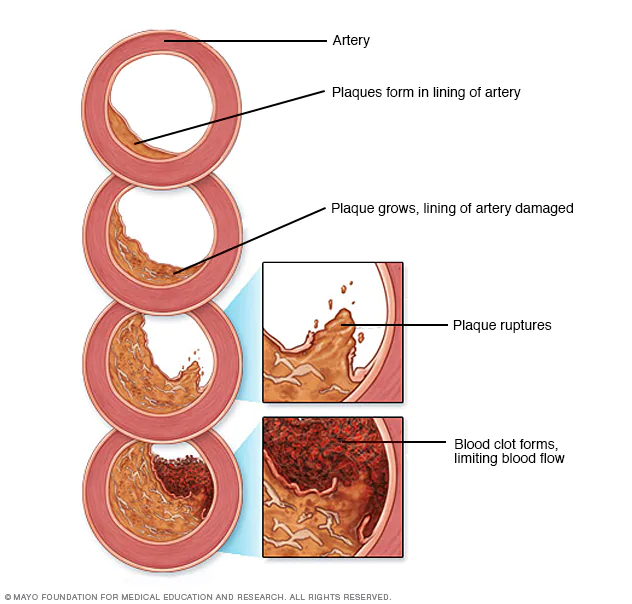
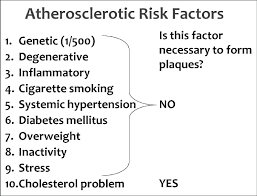
Medical professionals use the term heart disease to describe several conditions. Many of these conditions relate to plaque buildup in the arteries’ walls that can create further problems.

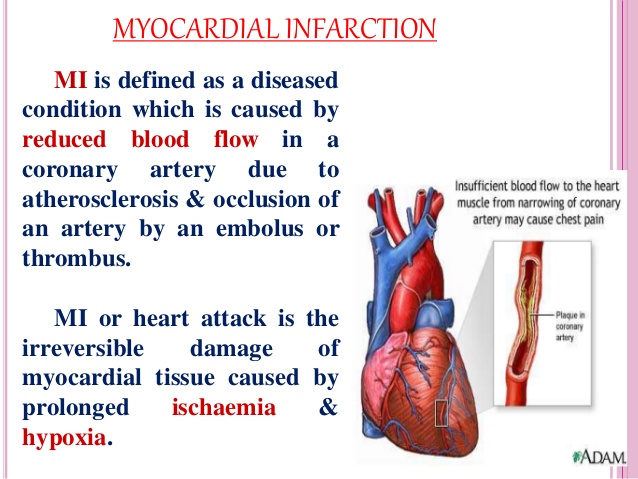
As the plaque develops, the arteries narrow. This makes it difficult for blood to flow around the body that limits oxygen to certain organs & increases the risk of MI or stroke. It can also give rise to angina, arrhythmias, and heart failure.”

MedicalNewsToday (https://www.medicalnewstoday.com/articles/282929)


5 Top Leading Causes of Death in the US!

CDC states:

1- “6 in 10 adults in the U.S. have a chronic disease and 4 in ten adults have 2 or more.

2- Chronic Disease in America:

  • Heart disease: 696,962
  • Cancer: 602,350
  • COVID-19: 350,831
  • Accidents (unintentional injuries): 200,955
  • Stroke (cerebrovascular diseases): 160,264
  • Chronic lower respiratory diseases: 152,657
  • Alzheimer’s disease: 134,242
  • Diabetes: 102,188
  • Influenza and pneumonia: 53,544
  • Nephritis, nephrotic syndrome, and nephrosis: 52,547″

Source: Mortality in the United States, 2020, data table for figure 4

As of 2019:

For more than a decade, heart disease and cancer have claimed the first and second spots respectively as the leading causes of deaths in America. Together, the two causes are responsible for over 45 percent of deaths in the United States.

For more than 30 years, the Centers for Disease Control and Prevention (CDC) has been collecting and examining causes of death. This information helps researchers and doctors understand if they need to address growing epidemics in healthcare.

The numbers also help them understand how preventive measures may help people live longer and healthier lives.

The top 12 causes of death in the United States account for more than 75 percent of all deaths. Learn about each of the main causes and what can be done to prevent them.

The following data is taken from the CDC’s 2017 report:

1. Heart Disease:

Number of deaths per year: 635,260

Percent of total deaths: 23.1 percent

More common among:

  • men
  • people who smoke
  • people who are overweight or obese
  • people with a family history of heart disease or heart attack
  • people over age 55

What causes heart disease?

Heart disease is a term used to describe a range of conditions that affect your heart and blood vessels. These conditions include:

  • heart arrhythmias Common is Atrial Fibrillation (irregular heartbeats)
  • coronary artery disease (blocked arteries)
  • heart defects

Tips for prevention

Lifestyle changes can prevent many cases of heart disease, such as the following:

  • Quit smoking.
  • Eat a healthier diet.
  • Exercise at least 30 minutes per day, five days a week.
  • Maintain a healthy weight.

2. Cancer

Number of deaths per year: 598,038

Percent of total deaths: 21.7 percent

More common among: Each type of cancer has a specific set of risk factors, but several risk factors are common among multiple types. These risk factors include:

  • people of a certain age
  • people who use tobacco and alcohol
  • people exposed to radiation and a lot of sunlight
  • people with chronic inflammation
  • people who are obese
  • people with a family history of the disease

What causes cancer?

Cancer is the result of rapid and uncontrolled cell growth in your body. A normal cell multiplies and divides in a controlled manner. Sometimes, those instructions become scrambled. When this happens, the cells begin to divide at an uncontrolled rate. This can develop into cancer.

Tips for prevention

There’s no clear way to avoid cancer. But certain behaviors have been linked to increased cancer risk, like smoking. Avoiding those behaviors may help you cut your risk. Good changes to your behaviors include things like:

  • Maintain a healthy weight. Eat a balanced diet and exercise regularly.
  • Quit smoking and drink in moderation.
  • Avoid direct exposure to the sun for extended periods of time. Don’t use tanning beds.
  • Have regular cancer screenings, including skin checks, mammograms, prostate exams, and more.

3. Chronic lower respiratory diseases

Number of deaths per year: 154,596

Percent of total deaths: 5.6 percent

More common among:

  • women
  • people over age 65
  • people with a history of smoking or exposure to secondhand smoke
  • people with a history of asthma
  • individuals in lower-income households

What causes respiratory diseases?

This group of diseases includes:

  • chronic obstructive pulmonary disease (COPD)
  • emphysema
  • asthma
  • pulmonary hypertension

Each of these conditions or diseases prevents your lungs from working properly. They can also cause scarring and damage to the lung’s tissues.

Tips for prevention

Tobacco use and secondhand smoke exposure are the primary factors in the development of these diseases. Quit smoking. Limit your exposure to other people’s smoke to reduce your risks.

4. Stroke

Number of deaths per year: 142,142

Percent of total deaths: 5.18 percent

More common among:

  • men
  • women using birth control
  • people with diabetes
  • people with high blood pressure
  • people with heart disease
  • people who smoke

What causes a stroke?

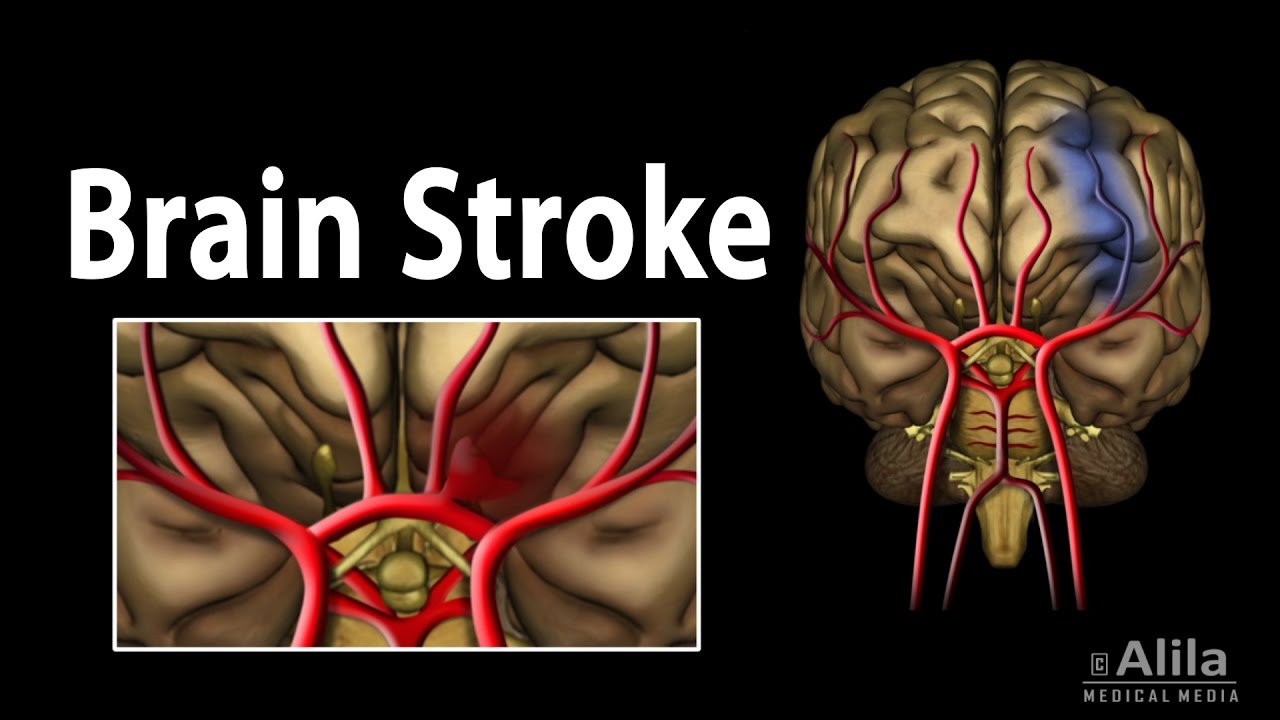
A stroke occurs when the blood flow to your brain is cut off. Without oxygen-rich blood flowing to your brain, your brain cells begin to die in a matter of minutes.

The blood flow can be stopped because of a blocked artery or bleeding in the brain. This bleeding may be from an aneurysm or a broken blood vessel.

Tips for prevention

Many of the same lifestyle changes that can reduce your risk for heart disease can also reduce your risk for stroke:

  • Maintain a healthy weight. Exercise more and eat healthier.
  • Manage your blood pressure.
  • Stop smoking. Drink only in moderation.
  • Manage your blood sugar level and diabetes.
  • Treat any underlying heart defects or diseases.

5. Accidents (unintentional injuries)

Number of deaths per year: 161,374

Percent of total deaths: 5.9 percent

More common among:

  • men
  • people ages 1 to 44
  • people with risky jobs

What causes accidents?

Accidents lead to more than 28 million emergency room visits each year.

The three leading causes of accident-related death are:

  • unintentional falls
  • motor vehicle traffic deaths
  • unintentional poisoning deaths

Tips for prevention

Unintentional injuries may be the result of carelessness or a lack of careful action. Be aware of your surroundings. Take all proper precautions to prevent accidents or injuries.

If you hurt yourself, seek emergency medical treatment to prevent serious complications.

QUOTE FOR TUESDAY:

“Diet and exercise are the two most important changes you can make. Even if you’ve never been active, it’s never too late to get started. A healthy diet and physical activity are good at any age. As you age, these healthy habits strengthen muscles and bones. Strong muscles and bones reduce serious injuries related to falls. When your muscles are strong, activities like getting up from a chair or opening a door are easier. When lifting weights, start with a 1-pound or 5-pound weight. If you don’t have weights, use a can of soup, a book, or a full bottle of water. Keep your weights in the same room as your television.”

familydoctor.org (https://familydoctor.org/healthy-habits-at-age-60-and-beyond/)

QUOTE FOR MONDAY:

“Most people with MS experience their first symptoms and are diagnosed between the ages of 15 and 50, although individuals of any age may be diagnosed with MS. More women are diagnosed with MS than men, and the area where someone lives, as well as race and ethnic background, also helps to determine his or her risk of developing the disease.

Nearly one million individuals are living with MS in the United States. This new prevalence figure was published in 2019 and is more than double the previous estimate of 400,000 affected people in the United States.”

MS Association of America (https://mymsaa.org/ms-information/overview/who-gets-ms/)