Archive | July 2026

QUOTE FOR THURSDAY:

FIREWORKS SAFETY The safest way to enjoy fireworks is to attend a public firework show put on by professionals. Many states outlaw most fireworks, so consider celebrating with glow sticks, noise makers or silly string instead. If you choose to set fireworks off at home, follow these safety steps:

  • Never give fireworks to small children, and never throw or point a firework toward people, animals, vehicles, structures or flammable materials.
  • Always follow the instructions on the packaging.
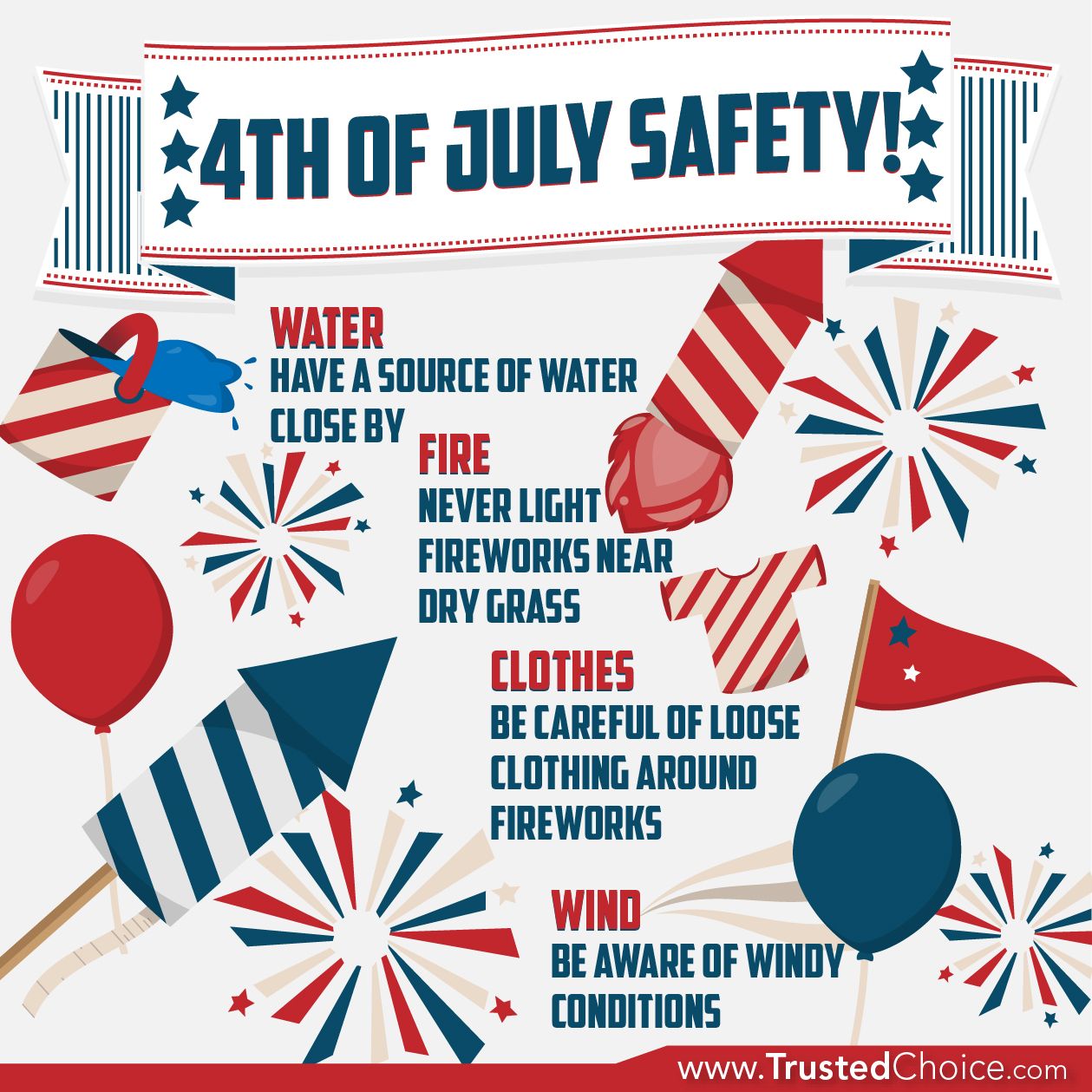
  • Keep a supply of water close by.
  • Make sure the person lighting fireworks always wears eye protection.
  • Light only one firework at a time and never attempt to relight “a dud.”
  • Store fireworks in a cool, dry place away from children and pets.
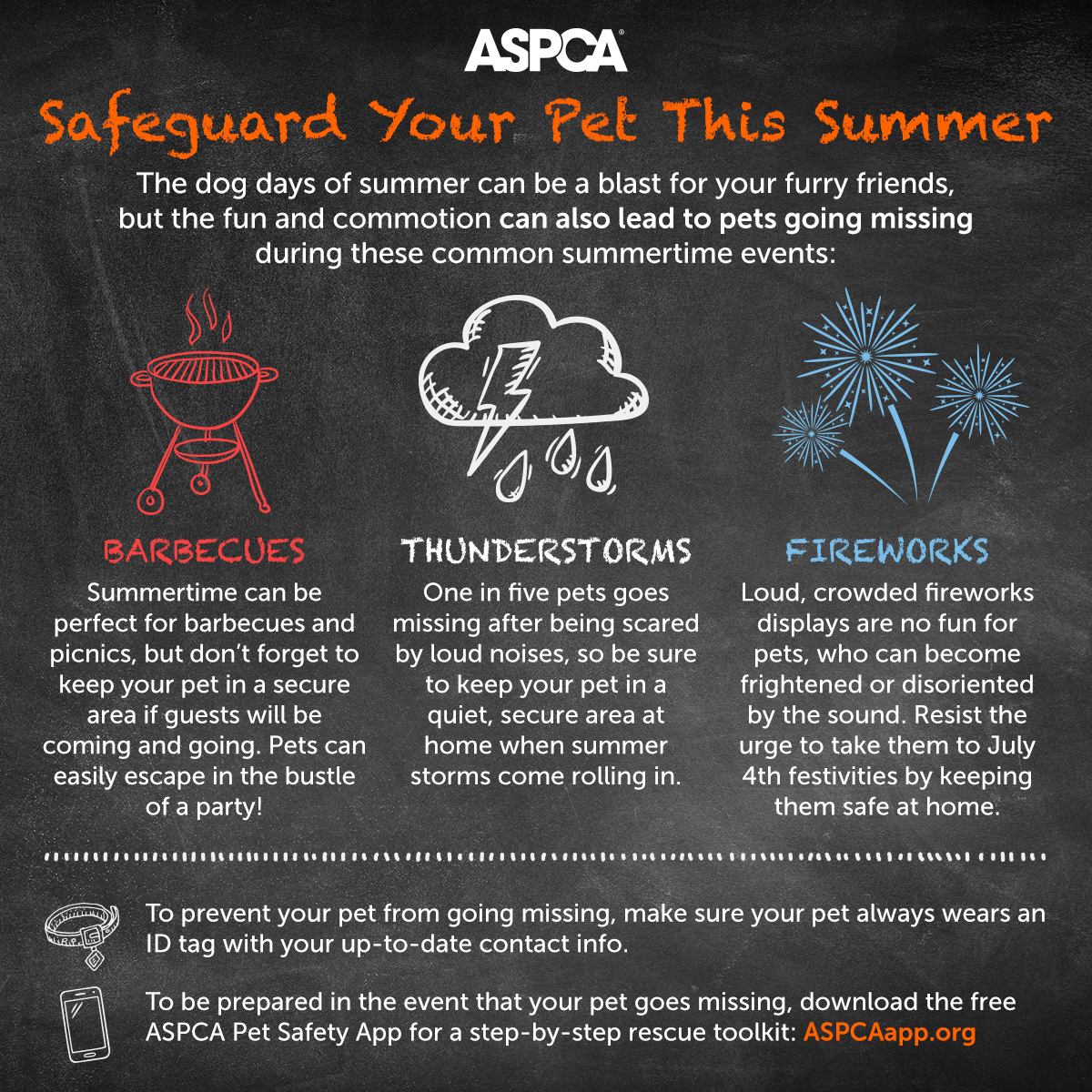
  • Never use fireworks around pets, keep pets indoors!”

American Red Cross (Tips to Help You Have a Safe 4th of July)

Learn facts and tips in advance about being safe on the 4th of July in America!

The Fourth of July is a time to celebrate with friends and family the vast opportunities our country has given us. While we reach the end of the COVID-19 pandemic, many Independence Day traditions and celebrations are a go, but that may not be the case everywhere. Be sure to check your local restrictions before hosting barbeques. If your state is fully opened and you plan to attend an event, be vigilant about your safety and that of your belongings. Here are a few other tips to help you get through the festivities.

WAYS TO STAY SAFE ON THE FOURTH OF JULY

  1. Stay cool and hydrated especially in areas very hot!

July is one of the hottest times of the year and it’s easy to fall victim to sun or heat stroke. Stay cool by being a shade-seeker: bringing an umbrella with you, wearing a hat, or staying under the covered portion of a porch or patio. It’s equally as important to wear sunscreen as well as light and loose clothing.

Finally, don’t forget the water. Many times, we get caught up in festive food and drink options and forget to add in water. Aim for eight cups or more per day, depending on how hot it is outside or how much sweet or salty food you are consuming.

  1. Consider the safety of your food

The heat not only has an impact on you but your food as well.  Having a BBQ and thinking of throwing all the meat on one platter outside awaiting the grill? Think again. Keep raw meat and seafood cold until it’s ready to be cooked. Once it’s ready, keep it hot until it’s consumed, then put in the fridge once everyone is done, meaning, don’t let it sit out. Contaminated food or items that have sat out too long can lead to food poisoning of some sickness, like infection.

  1. Be mindful at events

Summer and celebrations mean concerts, BBQs, and state or county fairs. But it’s important to always be aware of your surroundings. Don’t leave your food, bag, or belongings unattended, and if the event is happening at night, be sure to stick with a friend. Fireworks are prime for theft as they are loud with those watching focused on the show.

4. Prevent eye injury

Prevent Blindness Texas has declared June 28th through July 4th as Fireworks Safety Awareness Week. Fireworks can damage your eyes, too. Contusions and lacerations are the most frequent injuries to eyes, which include foreign bodies in the eye.

If you do encounter an eye emergency, follow these steps to save your sight.

In the event of an eye emergency:

  1. Do not rub the eye. Rubbing the eye may increase bleeding or make the injury worse.
  2. Do not attempt to rinse out the eye. This can be even more damaging than rubbing.
  3. Do not apply pressure to the eye itself. Holding or taping a foam cup or the bottom of a juice carton to the eye are just two tips. Protecting the eye from further contact with any item, including your hand, is the goal.
  4. Do not stop for medicine! Over-the-counter pain relievers will not do much to relieve pain. Aspirin (should never be given to children) and Ibuprofen can thin the blood and increase bleeding. Go to the emergency room at once – this is more important than stopping for a pain reliever.
  5. Do not apply ointment. Ointment, which may not be sterile, makes the area around the eye slippery and harder for the doctor to examine.

Overall, the best way to prevent eye or other injuries is to not play with fireworks and do not let your child play with fireworks, even if their friends are.
QUOTE FOR WEDNESDAY:

“Fireworks and the 4th of July go hand-in-hand, dating back to the very first 4th of July celebration in 1777. But while the colorful sparks and exciting booms are a holiday staple, it’s important to keep in mind that fireworks can be extremely dangerous.

Handling fireworks can lead to extreme burns and other serious injuries, usually on the hands, arms, and legs. In 2023, emergency room providers treated 9,700 people for injuries from fireworks, according to the U.S. Consumer Product Safety Commission. Children aged 5 to 9 years old and teenagers aged 15 to 19 had the highest rates of firework injury.

“In general, children should be nowhere near or around fireworks that are being ignited, even in places where fireworks are legal and were purchased by someone 21 or older,” Dr. Flaherty emphasizes.

The safest option is to leave fireworks to the professionals. Your city or town likely hosts firework displays around and on the holiday. Make sure you stick to viewing fireworks from authorized locations and don’t try getting closer to the action.”

Mass Brigham Hospital (4th of July Safety Tips | Mass General Brigham)

Being safe in general this 4th of July weekend regarding the water, grilling, firework precautions and more!

This 4th of July there is safety in general whether at home or going out.

Regarding in the water:

As July is one of the hottest months of the year, many families turn to water activities to beat the heat. However, even fun water activities have serious risks if the proper precautions aren’t taken.

  • Review safe boating practices.
  • Never consume alcohol while driving a boat.
  • Before boating, always check that there are enough life preservers on hand for every passenger.
  • Set water safety rules for your family, especially if there’s a young child.
  • Keep a first aid kit near the pool.
  • Pool Security-Many people don’t consider the security of their hot tub or pool, but to keep your guests and family members safe, you need more than just constant supervision. This is why an outdoor home camera system is one great way to ensure that everyone keeps having fun and stays safe but better than that is always an adult taking the safeguard job watching the children.  The parents or responsible adult can take alternate doing this job and without question be able to swim and preferably BCLS certified or someone at the gathering BCLS certified or even a doctor or nurse at the party is helpful.The CDC states that about 10 people per day die from unintentional drowning in the United States. Having cameras specifically for your outdoor pool area can help to provide a much safer space against the common causes of pool accidents. Since you are able to access your cameras from any smart phone, you will always be in the loop. While no amount of home security cameras can compensate for parental supervision when it comes to your young ones going for a swim, it is a great addition to help provide additional security.

July is one of the peak months for grilling fires. Enjoy grilling your favorite meals this summer while also keeping your family safe.

Regarding Grilling, this weekend and everytime you grill for safety always:

  • Check gas grill hoses for cracks, holes and leaks.  To do this take soapy water and put it over the connection tube to the tank & if bubbles, Your Leaking.
  • Keep children away from grills. Gas leaks, blocked tubes, and propane tanks can be a cause of grill fires and explosions.
  • Never grill indoors, in the garage, in any enclosed area or on a surface that might catch fire.  Grill always outdoors.
  • Keep the grill at least two feet away from decks, siding, branches and any outdoor equipment that can catch fire quickly.

More than 50,000 fires are caused by fireworks every year but now the news is saying we will have potential for the highest amount of people on the road to get where they want to celebrate the 4th of July this year due to lock up last year; so many will be going out to celebrate but know these tips if going out or even staying home.

Regarding proper precautions when operating fireworks:

  • Never disassemble or try to make your own fireworks.

  • Don’t point sparklers, or fireworks at yourself or others, especially while they’re being lit.

  • Only light fireworks on the ground and in areas that are dry and fire-resistant.

  • Don’t attempt to ignite fireworks at the same time.

  • Never allow young children to handle fireworks or sparklers to prevent firework-related injuries.

  • Always keep a portable fire extinguisher close by. Also, keep a water hose or buckets of water nearby to put out fires.

  • If fireworks malfunction, don’t relight them! Douse and soak malfunctioning fireworks with water then throw them away.

Regarding your Pets:

  • Resist the urge to bring your dog to a fireworks display. The safest place for them is at home where it’s familiar, quiet and not crowded.