Archive | December 2025

QUOTE FOR THE WEEKEND:

”This week is National Influenza Vaccination Week, and the American Lung Association today announced a campaign urging everyone six months and older to get their annual flu shot, following one of the most severe flu seasons the U.S. has experienced in recent history. The 2024–2025 flu season was classified by the U.S. Centers for Disease Control and Prevention (CDC) as a high severity season, with the highest flu hospitalization rate since the 2010-11 season.

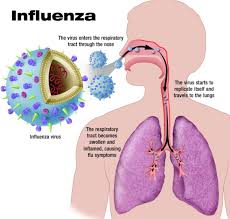
Influenza, or the flu, is a serious and potentially life-threatening respiratory illness that spreads easily from person to person. While anyone can get the flu, those living with chronic medical conditions, including asthma, chronic obstructive pulmonary disease (COPD) and other chronic lung diseases, are at increased risk for developing serious flu-related complications.”

American Lung Association (American Lung Association Urges Flu Vaccination Following Most Severe Flu Season in Over a Decade | American Lung Association | American Lung Association)

Knowing the facts and treatment on the cold and Influenza!

-flu-transmission2  flu


FLU FACTS:

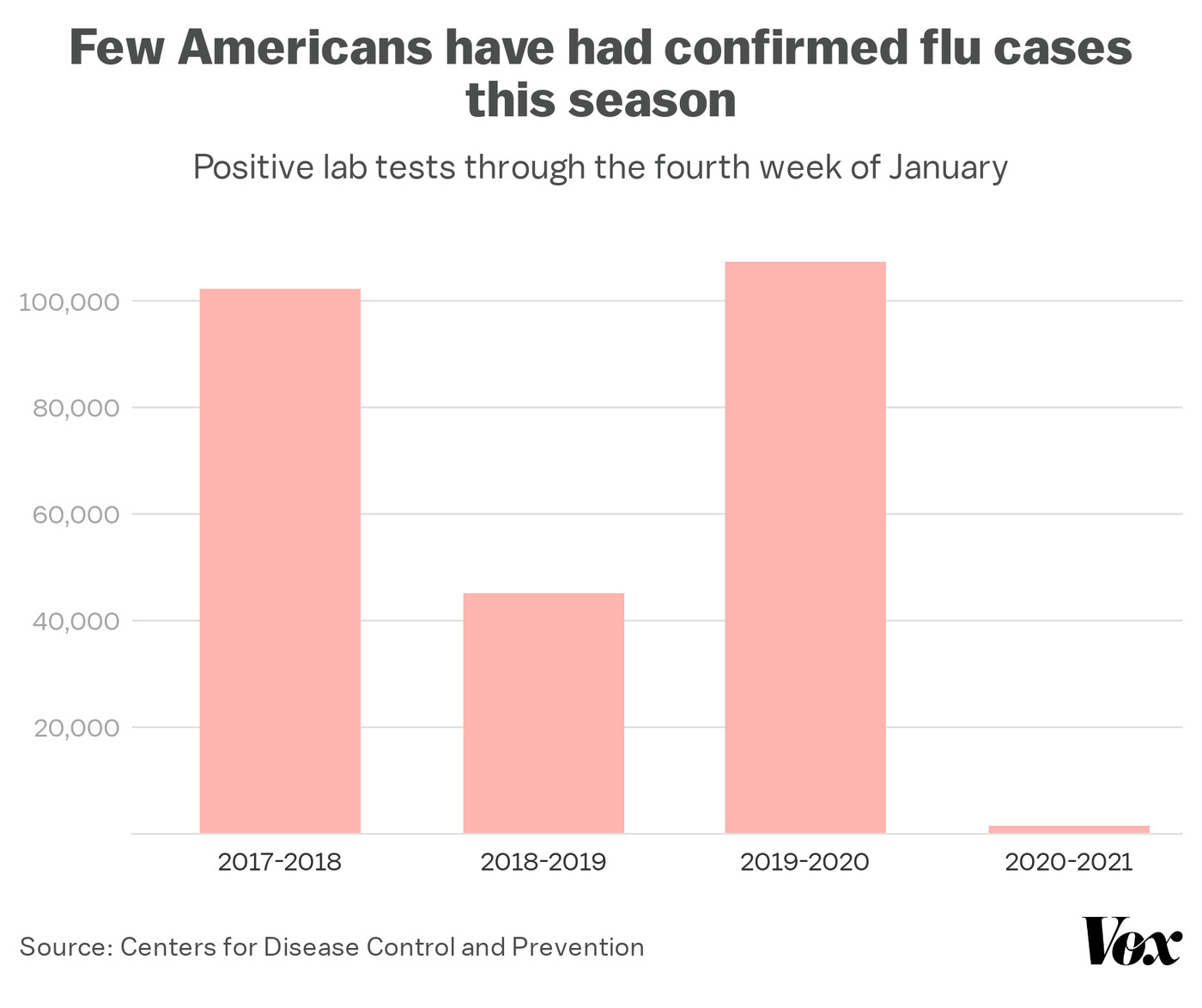
-Both colds and flu usually last the same seven to 10 days, but flu can go three to four weeks; the flu virus may not still be there, but you have symptoms long after it has left. Allergy can last weeks or months.  The CDC states regarding the rise of the flu since the past 40 years from the date provided in this sentence with updating this article from Sept 20, 2022 the following: “During this 40-year period, flu activity most often peaked in February (17 seasons), followed by December (7 seasons), January (6 seasons) and March (6 seasons).”

-The winter flu epidemic will be coming around us again and in a given locality it reaches its peak in 2 to 3 weeks and lasts 5 to 6 weeks. Then is disappears as quickly as it arrived. The reason for this is not completely clear. The usual pattern is for a rise in the incidence of flu in children, which precedes an increase in the adult population.  Know this it repeats again certain seasons as listed above by the CDC.

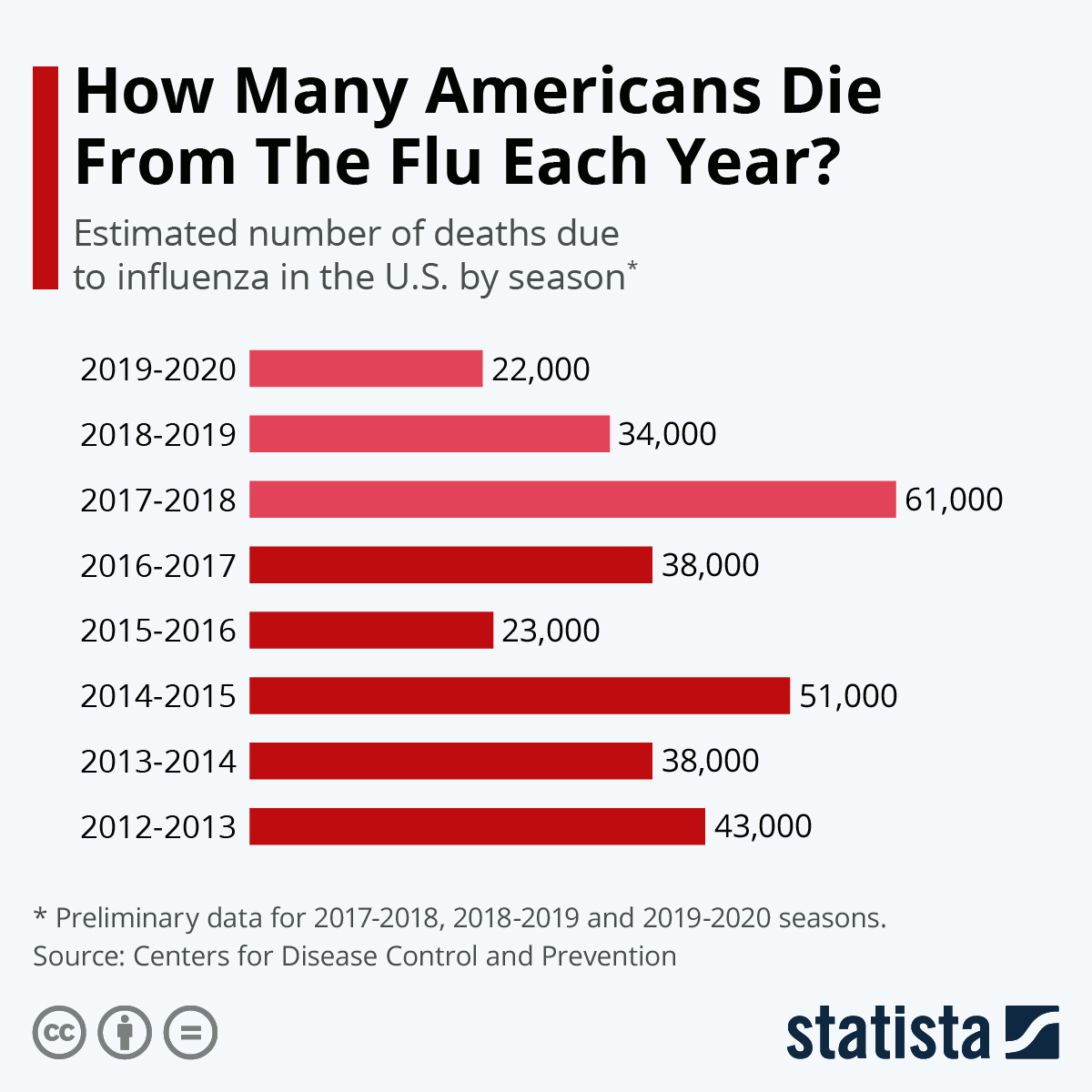
-The flu virus can lead to serious complications, including bronchitis, viral or bacterial pneumonia and even death in elderly and chronically ill patients. Twenty thousand or more people die of the flu in the America each year. Know this that the frequency of human contact across the world and the highly infectious nature of the virus make this explanation difficult to accept. Moreover there is no evidence of persistent or latent infection with influenza viruses. In any case, this idea is not really very difficult from the notion that the virus circulates at a low level throughout the year and seizes its opportunity to cause an outbreak when conditions allow.

-Even harder to explain is why the flu disappears from a community when there are still a large number of people susceptible to infection. Than even harder than that is why flu is a winter disease, which is not fully understood or known. However, flu is spread largely by droplet (aerosol) infection from individuals with high viral level in their nasal and throat secretions, sneezing, and coughing on anyone close at hand. The aerosol droplets of the right size (thought to be about 1.5 micrometers in diameter) remain airborne and are breathed into the nose or lungs of the next victim.

-Situations in which people are crowded together are more commonly in cold or wet weather and so perhaps this contributes to spreading the flu at these times. It is interesting that in equatorial countries, flu occurs throughout the year, but is highest in the monsoon or rainy season. Enough about facts but onto logical thinking for when we or someone we know has it and what questions we might be asking ourselves.  

LOGICAL QUESTIONS YOU MAY ASK YOURSELF:

Are the treatments for these illnesses the cold or the flu different?

For any of these things, if it affects the nose or sinus, just rinsing with saline that gets the mucus and virus out is a first-line defense. It’s not the most pleasant thing to do, but it works very well.

There are classes of medicines that can help the flu — Tamiflu and Relenza — antivirals that block viruses’ ability to reproduce and shorten the length and severity of the illness. But they have to be taken within 48 hours or the cat is proverbially out of the bag [because by then] the virus has done the most of its reproduction.

For a cold or flu, rest and use decongestants and antihistamines, ibuprofen, acetaminophen, chicken soup and fluids. Zinc supposedly helps the body’s natural defenses work to their natural capacity and decrease the severity and length of a cold. Cells need zinc as a catalyst in their protective processes, so if you supply them with zinc, it helps them work more efficiently.

You should also withhold iron supplements. Viruses use iron as part of their reproductive cycle, so depriving them of it blocks their dissemination. The majority of these infections are not bacterial and do not require [nor will they respond to] antibiotics. My rule of thumb is that a viral infection should go away in seven to 10 days. If symptoms persist after that, you’d consider if it’s bacteria like Strep or Haemophilus.  Those bacteria cause illnesses that are longer lasting and need antibiotics for ranging 3 to 14 days, depending on the med used.

Is that treatment approach the same for kids versus adults? In general, the same rules apply: Most children will have six to eight colds a year in their first three years of life, and most are viral. Adults have 3 or more a year. It’s very easy to test for strep and for that you should have a [positive] culture [before treating with antibiotics]. The principle behind that is knowing the organism the doctor will know what antibiotic to use to fight off the bacterial infection and you won’t build up antibodies from the antibiotic that you didn’t need in the first place if you are given the wrong antibiotic in the beginning.

Are there strategies for avoiding cold and flu different? Avoidance is very similar for both: Strict hand washing, not sharing drinking cups or utensils, and avoiding direct contact with people who are sneezing. Their transmission is similar. As long as someone has a fever, they have the possibility to transmit infection. After they’ve had no fever for 24 hours, they’re not infectious anymore.

The U.S. Centers for Disease Control and Prevention (CDC) now recommends that just about everyone get the flu shot: kids 6 months to 19 years of age, pregnant women, people 50 and up, and people of any age with compromised immune systems. Is the shot beneficial to anyone who gets it? Unless you have a contraindication, there’s no reason not to get it=PREVENTION. Contraindications include egg allergy (because the vaccine is grown from egg products), any vaccines within a last week or two, and active illness at the time of your vaccine.

The best to do is PREVENTION so you can avoid the cold or flu in its active phase or post phase, so doing the following will help prevent it:

Get vaccinated yearly if your a candidate and live a healthy lifestyle overall=Good dieting, living good healthy habits and maintaining exercise with rest daily or 2 to 3 times a week including get a vaccine yearly for the flu with maintaining good clean anti-infection habits like as simply as washing the hands as directed above.

****Recommended is to check with your MD on any changes with diet or exercise especially if diagnosed already with disease or  and on medications especially; for your safety.****

References on The FLU and The COLD:

1-Wikipedia “the free encyclopedia” 2013 website under the topic Influenza.

2-Kimberly Clark Professional website under the influenza.

3-Web MD under “COLD, FLU, COUGH CENTER” “Flu or cold symptoms?” Reviewed by Laura J. Martin MD November 01, 2011

4-2013 Novartis Consumer Health Inc. Triaminic “Fend off the Flu”

5-Scientific American “Why do we get the flu most often in the winter? Are viruses virulent in cold weather? December 15, 1997



QUOTE FOR FRIDAY:

“Influenza A and influenza B have a lot in common. But there are some overarching differences between the two flu types. For example, influenza A usually accounts for more flu cases and causes more severe illness than type B flu. For example, flu A accounted for 96% of flu cases reported in late 2024.

Another difference is how the flu types affect kids. “In children, influenza A is associated with more ear infections than influenza B, while influenza B is associated with more seizuresvomiting and diarrhea than influenza type A,” says Dr. Mossad.

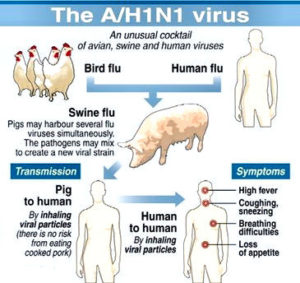
But the single most important difference is this: Influenza B flu only infects humans. Influenza A, on the other hand, can infect birds and mammals. This explains why antigenic shift can occur with influenza A, but not influenza B.

Anyone can catch these viruses. But babies and older adults are more likely to have more severe symptoms, Dr. Mossad shares.”

Cleveland Clinic (Influenza A vs. Influenza B)


Understanding what is Influenza A and B; the flu?

The CDC states the following:

“There are four types of influenza viruses: A, B, C and D. Human influenza A and B viruses cause seasonal epidemics of disease (known as flu season) almost every winter in the United States. Influenza A viruses are the only influenza viruses known to cause flu pandemics, i.e., global epidemics of flu disease. A pandemic can occur when a new and different influenza A virus emerges that both infects people and has the ability to spread efficiently among people. Influenza C virus infections generally cause mild illness and are not thought to cause human epidemics. Influenza D viruses primarily affect cattle and are not known to infect or cause illness in people.

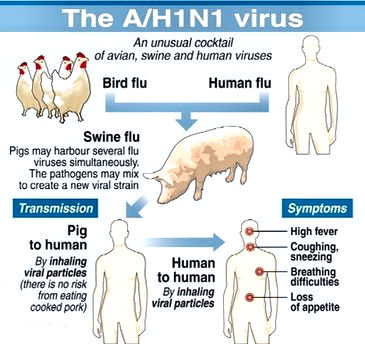
Influenza A viruses are divided into subtypes based on two proteins on the surface of the virus: hemagglutinin (H) and neuraminidase (N). There are 18 different hemagglutinin subtypes and 11 different neuraminidase subtypes (H1 through H18 and N1 through N11, respectively). While more than 130 influenza A subtype combinations have been identified in nature, primarily from wild birds, there are potentially many more influenza A subtype combinations given the propensity for virus “reassortment.” Reassortment is a process by which influenza viruses swap gene segments. Reassortment can occur when two influenza viruses infect a host at the same time and swap genetic information. Current subtypes of influenza A viruses that routinely circulate in people include: A(H1N1) and A(H3N2). Influenza A subtypes can be further broken down into different genetic “clades” and “sub-clades.” See the “Influenza Viruses” graphic below for a visual depiction of these classifications.

Currently circulating influenza A(H1N1) viruses are related to the pandemic 2009 H1N1 virus that emerged in the spring of 2009 and caused a flu pandemic (CDC 2009 H1N1 Flu website). These viruses, scientifically called the “A(H1N1)pdm09 virus,” and more generally called “2009 H1N1,” have continued to circulate seasonally since then and have undergone genetic changes and changes to their antigenic properties (i.e., the properties of the virus that affect immunity).

Influenza A(H3N2) viruses also change both genetically and antigenically. Influenza A(H3N2) viruses have formed many separate, genetically different clades in recent years that continue to co-circulate.

Influenza B viruses are not divided into subtypes, but instead are further classified into two lineages: B/Yamagata and B/Victoria. Similar to influenza A viruses, influenza B viruses can then be further classified into specific clades and sub-clades. Influenza B viruses generally change more slowly in terms of their genetic and antigenic properties than influenza A viruses, especially influenza A(H3N2) viruses. Influenza surveillance data from recent years shows co-circulation of influenza B viruses from both lineages in the United States and around the world. However, the proportion of influenza B viruses from each lineage that circulate can vary by geographic location and by season. In recent years, flu B/Yamagata viruses have circulated much less frequently in comparison to flu B/Victoria viruses globally.”.

Consider the FLU VACCINE!

QUOTE FOR THURSDAY:

“Holiday Safety Toolbox Talks are brief safety discussions held on the job, usually at the start of a shift or before a task. They focus specifically on hazards that become more common or more severe during the holiday period, such as:

Winter weather and slippery surfaces
Increased traffic and travel risks
Fatigue from overtime, parties, or long trips
Electrical and fire hazards from decorations and heaters
Stress, distraction, and rushing to “get it all done”
Slips and falls from wet, icy, or cluttered walkways
Falls from ladders while hanging decorations
Vehicle incidents during holiday travel
Burn injuries from hot surfaces and cooking equipment
Electrical fires from overloaded outlets”
Occupational Health and Safety (Holiday Safety Toolbox Talks: Keep Workers Safe This Season)

How to have a safe Christmas day and in the season holiday!

Safety in the house with decorations:

Turn off and unplug decorations when leaving the house or going to bed.

Use decorations that have safety certification labels.

Use battery-operated candles to avoid shock or fire

Inspect electrical connections before use and don’t leave any lithium battery operated things in your house.

Here a few tips to stay healthy in December:

Light Your Tree, but Not on Fire: Christmas trees are reported to cause 200+ structure fires annually. Pick a flame retardant tree or a live, healthy tree with fresh green needles that don’t fall off easily. Make sure to keep all trees at least 3 feet away from all heat sources.

Deck the Halls Safely: Fires caused by decorative lights account for $7.9 million in property damages annually. Use safe lighting that’s tested, rated and stamped with the (UL)) label. Make sure your lighting isn’t frayed and that you use only 3 sets of lights per extension cord.

Cook with Care: 2/3 of all holiday fires start in the kitchen. Don’t leave your pots and pans unattended!

More tips regarding your diet:

  • Exercise regularly
  • Stay away from tempting foods and eat slower
  • Wear clothes that can keep you warm
  • Avoid sugary drinks and foods
  • Drink more water
  • Visit your doctor regularly to diagnose health problems before they become worse


QUOTE FOR WEDNESDAY:

St. John’s Hopkins Hospital recommends for gifts this holiday season:

1. Follow Recommendations

Choose toys that are age appropriate. Be sure to follow the toy’s age recommendations, often found on the toy’s box.

2. Beware of Small Parts

Do not buy toys with small parts for young children. Also, check toys for any loose parts that may fall off. A small-parts tester, which is a tube about the diameter of a child’s windpipe, can be purchased at online retailers, or a toilet paper roll can be used to determine if a toy is too small.

3. Avoid Sharp Edges

Toys should not have sharp edges or points, including hard, thin plastic or metal that may be attached to an item.

4. Avoid Long Cords or Strings

Cords or strings longer than 7 inches could be potential choking hazards.

5. Watch for Old Paint

Avoid buying older painted toys, which could contain lead.

6. Include Protective Gear

When purchasing bikes, scooters, skateboards and other riding toys that require balance, always buy safety gear.

Remember to watch children, particularly young kids, when they are playing with toys. If there is an emergency, call 911 or go to the nearest emergency department. Following these suggestions will help make the holiday happy and safe.”

Dr. Leticia Manning Ryan is an Associate Professor of Pediatrics &                 Dr. Perno is the vice president of medical affairs at Johns Hopkins All Children’s Hospital. He joined the hospital staff in 2003.

Johns Hopkins (Dr. Joseph Frank Perno, MD – Saint Petersburg, FL – Pediatric Emergency Medicine)

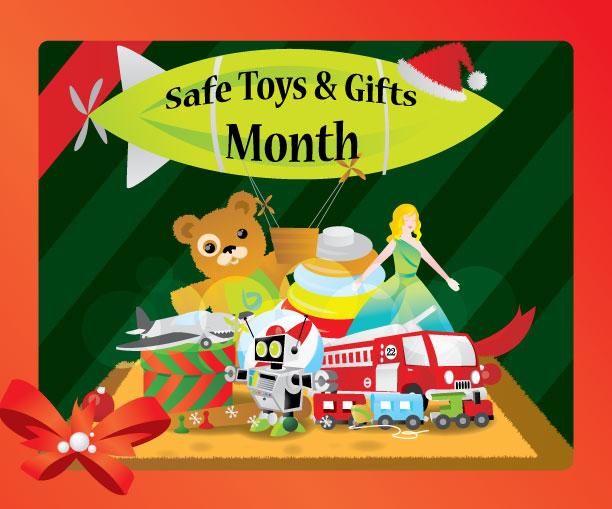
Part II National Month for safe toys and gifts! Learn more safety tips, the right toy for the right age, and 3 important ways you can protect children’s eyes from injuries when playing with toys!

When it comes to toys and gifts, it is critical to remember to consider the safety and age range of the toys.

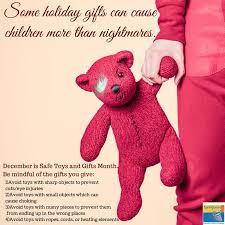
Prevent Blindness America has declared December as Safe Toys and Gifts Awareness Month. The group encourages everyone to consider if the toys they wish to give suits the age and individual skills and abilities of the individual child who will receive it, especially for infants and children under age three.

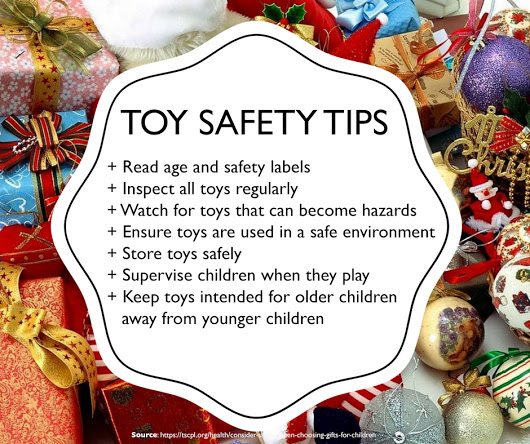
This holiday season (and beyond), please consider the following guidelines for choosing safe toys for all ages:

  • Inspect all toys before purchasing. Avoid those that shoot or include parts that fly off. The toy should have no sharp edges or points and should be sturdy enough to withstand impact without breaking, being crushed, or being pulled apart easily.
  • When purchasing toys for children with special needs try to: Choose toys that may appeal to different senses such as sound, movement, and texture; consider interactive toys to allow the child to play with others; and think about the size of the toy and the position a child would need to be in to play with it.
  • Be diligent about inspecting toys your child has received. Check them for age, skill level, and developmental appropriateness before allowing them to be played with.
  • Look for labels that assure you the toys have passed a safety inspection – “ATSM” means the toy has met the American Society for Testing and Materials standards.
  • Gifts of sports equipment should always be accompanied by protective gear (give a helmet with the skateboard)

Toy Guidelines

Here are some general guidelines to keep in mind when shopping for toys:

  • Toys made of fabric should be labeled as flame resistant or flame retardant.
  • Stuffed toys should be washable.
  • Painted toys must use lead-free paint.
  • Art materials should say nontoxic.
  • Crayons and paint should say ASTM D-4236 on the package – which means that they they’ve been evaluated by the American Society for Testing and Materials.
  • Try to steer clear of older toys, even some hand-me-downs from friends and family as these might not meet the current safety standards.
  • Make sure the toy isn’t too loud – the noise of some rattles, squeak toys, and musical or electronic toys can be as loud as a car horn or even louder if the child holds it directly to their ear, which can damage hearing.

The Right Toys for the Right Age

When buying a gift or toy for a child, always read the label to make sure the toy is appropriate and safe for their age. Also, consider your child’s temper, habits, and behavior before buying a new toy. Children who can seem advanced compared to other children of their age, shouldn’t use toys meant for older kids. Age level toys are determined by safety factors, not intelligence or maturity.

Babies – babies about 4 months old begin to reach for and grasp objects. By 6 or 7 months, they can switch between hands. At 9 months, they can pick up smaller objects, like blocks. Some smart toys for babies could include a nursery mobile, a ring stack toy, and push-pull toys.

Toddlers – Toddlers start to become aware of the function of objects. They like to stack blocks, babble into toy phones, drink from “big kid” cups, and the pretend play starts now. Smart toys for toddlers could be balls, shape-sorting toys, mechanical toys, or role-play toys like play kitchens, toy doctor’s kits, and child golf sets.

Pre-school – preschoolers are at the age and development level of using objects for their intended purpose. Often, they may have imaginary friends or fantasy worlds that they play in. This is also the period where they will be learning new little tricks and connecting with other children. Safe toys and gifts for children of this age could consist of arts and crafts, blocks and construction sets, puzzles and other games.

Elementary School – Children of this age group have begun to grasp an understanding of the world around them and start to show talents and interests. Physical abilities and motor skills are being refined during this age and peer relationships take on a larger importance. Some smart toy and gifts options could include a jump rope, or other physical activity toys, card and board games, musical instruments, and science toys.

Safety tips to keep in mind this holiday season

When picking out toys and gifts for your children, you should not only consider what is appropriate for their age and ability, but you should also keep in mind safety tips for that age range and toy. A toy could be the perfect fit for their age and development, but there are still safety factors that need to be evaluated.

Giving your children a safe holiday season can be achievable by taking the proper precautions. You’ll be able to better protect your child from toy-related injuries by providing safe toys, environments, and adult supervision for when they open and play and with their toys.

Too often, accidents involving children and toys occur and may result in eye injuries. Each year, thousands of children age 14 and younger suffered serious eye injuries, even blindness, from toys.

There are three important ways you can protect your child’s eyes from injuries while playing with toys:

  1. Again, only buy toys meant for their age.
  2. Show them how to use their toys safely.
  3. Keep an eye on them when they play, especially if a baby.

QUOTE FOR TUESDAY:

“It’s that time of year again and the list of presents to buy for family and friends may only seem longer.

Before stuffing your shopping bags – or online cart, more likely – doctors say parents should be aware of unassuming toys and accessories (for others in the family) that land babies and small children in the emergency room each year.

“We do see a spike during the holiday season,” said Dr. Robert Kramer, a pediatric gastroenterologist at Children’s Hospital Colorado. “But it’s something we have to be vigilant for at all times.”

ABC NEWS (Pediatric ER doctor shares which gifts not to give to kids this holiday season – ABC News)

Part I National Month for safe toys and gifts! Learn some tips in what not to buy, what to do when gifts are unwrapped, and safety guidelines!


In recent years, the U.S. Consumer Product Safety Commission (CPSC) has created a robust toy safety system, by requiring testing by independent, third party testing laboratories around the world; enforcing stringent lead and phthalatesPhthalates, or phthalate esters, are esters of phthalic anhydride. They are mainly used as plasticizers, i.e., substances added to plastics to increase their flexibility, transparency, durability, and longevity. They are used primarily to soften polyvinyl chloride. ( limits for toys; imposing some of the most stringent toy standards in the world; and stopping violative and dangerous toys at the ports and in the marketplace before they reach children’s hands). These combined efforts continue to foster the confidence of American families as they prepare to shop for toys this holiday season.

Safety tips to keep in mind this holiday season:

Balloons
Children can choke or suffocate on deflated or broken balloons. Keep deflated balloons away from children younger than eight years old. Discard broken balloons immediately.

Small balls and other toys with small parts
For children younger than age three, avoid toys with small parts, which can cause choking.

Scooters and other riding toys
Riding toys, skateboards and in-line skates go fast, and falls could be deadly. Helmets and safety gear should be worn properly at all times and they should be sized to fit.

Magnets
High-powered magnet sets are dangerous and should be kept away from children. Whether marketed for children or adults, building and play sets with small magnets should also be kept away from small children.

Button Batteries

Button batteries are typically about 20 millimeters in diameter, or between the size of a penny and a nickel, according to the National Capital Poison Center. They’re used in a wide variety of household items and products, including hearing aids, key fobs and children’s toys.

“The majority of the injuries from button batteries are going to be from swallowing them,” Martin explained, adding that the screws typically used to secure the batteries inside products can easily loosen.

“A lot of times, it doesn’t go all the way to the stomach [after swallowing],” Martin said of button batteries. “It gets stuck in the esophagus or occasionally the airway, and then in that position, it starts to create burns in those tissues and a lot of tissue damage in that area.”

That tissue damage in the esophagus and chest, Martin said, puts children particularly at risk of developing “blood vessel injuries [and] airway issues.”

“These can be very dangerous and this can absolutely be fatal,” Martin added.

“You can administer small sips of honey every couple of minutes on the way to the emergency department,” Martin explained. “It can decrease the risk of burns and tissue damage, and it can actually be lifesaving.” Martin stated.

Once gifts are open:

  • Immediately discard plastic wrapping or other toy packaging before the wrapping and packaging become dangerous play things.
  • Keep toys appropriate for older children away from younger siblings.
  • Battery charging should be supervised by adults. Chargers and adapters can pose thermal burn hazards to young children. Pay attention to instructions and warnings on battery chargers. Some chargers lack any mechanism to prevent overcharging.

Toy Safety Guides

The CPSC provides free safety alerts, guides, posters, brochures, handbooks and other materials which you can use to help spread consumer product safety information in your community.

During December, participate in Safe Toys and Gifts Month. Since December is the biggest gift-giving month in the world, it’s important to keep safety in mind as you’re shopping for the little ones in your life.

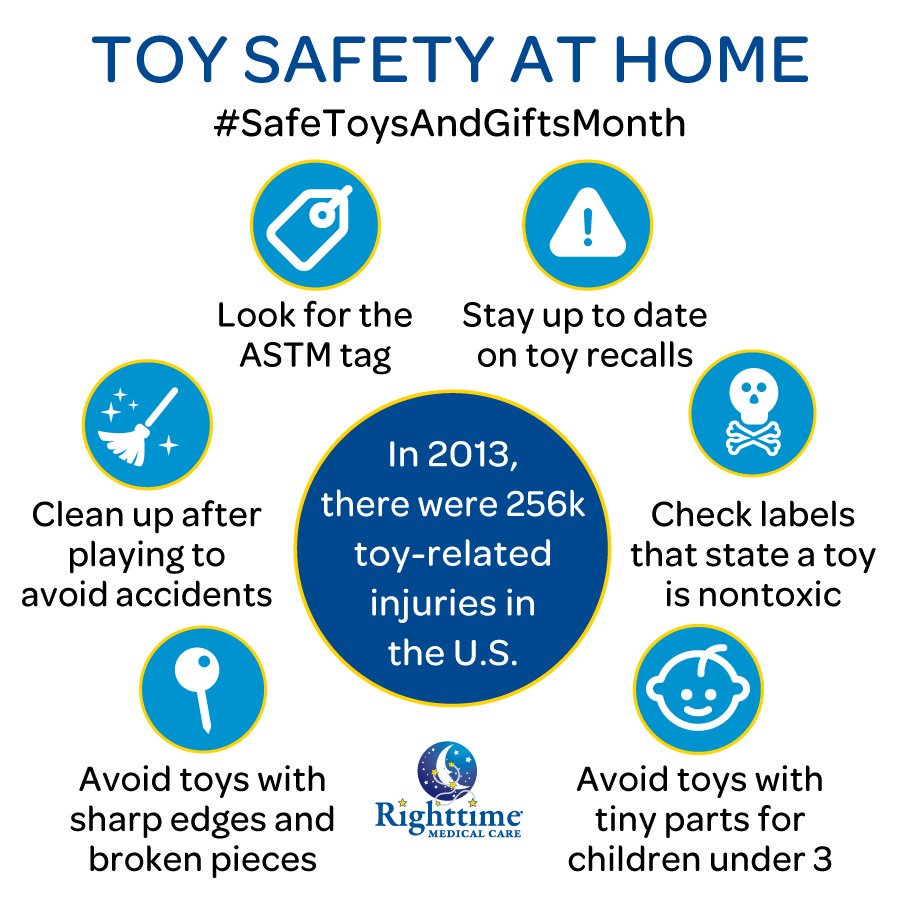
According to the U.S. Consumer Product Safety Commission, 251,700 toy-related injuries were treated by hospital emergency rooms around the U.S. in 2010. Of those, 72% of them were people younger than 15 years old. A few years earlier, toy makers recalled over 19 million toys across the globe due to safety concerns like lead paint and small magnets. Since then, toy safety has improved, but shoppers can take precautions to keep children in their lives safe.

Buying toys and other gifts are one of the most exciting parts about the holiday season. Who doesn’t love watching a friend or family member open a gift and seeing their eyes light up with excitement?! In all the eagerness, it’s easy to forget about simple safety. So before making any purchases this year, keep safety in mind, so the holidays don’t turn from the happiest time of the year to the scariest!

When it comes to toys and gifts, it is critical to remember to consider the safety and age range of the toys.