Archive | August 2025

QUOTE FOR WEDNESDAY:

“On August 6, 2011, the USBC officially declared August as National Breastfeeding Month. Read the Proclamation.

​In recognition of National Breastfeeding Month (NBM), each August the U.S. Breastfeeding Committee hosts a social media advocacy and outreach campaign inviting member organizations, breastfeeding coalitions, partner organizations, and individuals to participate in online action and conversation about the policy and practice changes needed to build a landscape of support for babies and families. It’s a time where we Learn, Connect, and Act together to build momentum that sustains our movement through the coming year!”

U.S. Breastefeeding Commitee – USBC

National Breastfeeding Awareness Month

World Breastfeeding Week is celebrated every year from 1 to 7 August to encourage breastfeeding and improve the health of babies around the world.

It commemorates the Innocenti Declaration signed in August 1990 by government policymakers, WHO, UNICEF and other organizations to protect, promote and support breastfeeding.

Breastfeeding is the best way to provide infants with the nutrients they need. WHO recommends exclusive breastfeeding starting within one hour after birth until a baby is 6 months old. Nutritious complementary foods should then be added while continuing to breastfeed for up to 2 years or beyond.

August is National Breastfeeding Awareness Month. The breastfeeding campaign, funded by the U.S. Department of Health and Human Services, hopes to empower women to commit to breastfeeding by highlighting new research showing that babies who are exclusively breastfed for six months are less likely to develop ear infections, diarrhea and respiratory illnesses, and may be less likely to develop childhood obesity.

WHO has worked with UNICEF and partners to promote the importance of helping mothers breastfeed their babies within that crucial first hour of life. Skin-to-skin contact along with suckling at the breast stimulate the production of breastmilk, including colostrum, also called the baby’s ‘first vaccine’, which is extremely rich in nutrients and antibodies.  Breastfeeding your baby can lower the risk of SIDS by as much as 50%, though experts aren’t sure why. Sudden infant death syndrome (SIDS) is the unexplained death, usually during sleep, of a seemingly healthy baby less than a year old. SIDS is sometimes known as crib death because the infants often die in their cribs.  Some think breast milk may protect babies from infections that raise their SIDS risk. Do not drink alcohol if you breastfeed, because that raises your baby’s risk of SIDS. In addition, the simple touch is helpful. Skin-to-skin contact is important for your baby’s development.

Breastfeeding: it’s one of the most natural and intimate of all human interactions. But, just because it’s natural doesn’t mean it’s easy—especially in those first few overwhelming weeks with your newborn.  Breastfeeding takes knowledge and practice.


Children eye health and safety awareness! Learn types of visual pediatric problems, what are refractory errors including risk factors for them, how they are diagnosed and treated!

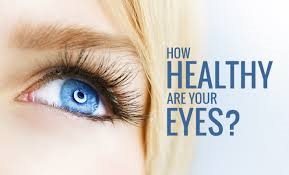
ways to keep your eyes healthy1

Children eye health and safety month

August Is Children’s Eye Health and Safety Month!

It’s almost back-to-school time and are you prepared with your child’s enrollment forms, orientation schedules, and immunizations–but what about their eyes?

August is Children’s Eye Health and Safety Month—a great signal for you to get your child’s eyes checked before school starts.

Let’s Talk Eye Safety:

Use this month to discuss the importance of eye safety with your children.

CDC states “Approximately 6.8% of children younger than 18 years in the United States have a diagnosed eye and vision condition. Nearly 3 percent of children younger than 18 years are blind or visually impaired, defined as having trouble seeing even when wearing glasses or contact lenses.”.

Children should:

  • Wear protective eyewear while participating in sports or recreational activities
  • Play with are age-appropriate toys. Avoid toys with sharp or protruding parts

One of the best ways to ensure your child keeps his/her good vision throughout life is to set a good health example.

Talk to your child’s pediatrician if you suspect your child has any of the eye diseases below:

-Amblyopia (lazy eye) – also known as lazy eye, is a vision development disorder in which an eye fails to achieve normal visual acuity, even with prescription eyeglasses or contact lenses. Amblyopia begins during infancy and early childhood. In most cases, only one eye is affected. However, a common cause of amblyopia is strabismus. So if you notice your baby or young child has crossed eyes or some other apparent eye misalignment, schedule an appointment for a children’s eye exam immediately — preferably with an optometrist or ophthalmologist who specializes in children’s vision.

Another clue that your child may have amblyopia is if he or she cries or fusses when you cover one eye.

You can try this simple screening test at home by simply covering and uncovering your child’s eyes (one eye at a time) when he or she is performing a visual task, such as watching television.

-Strabismus (crossed eyes) – Strabismus is a condition that interferes with binocular vision because it prevents a person from directing both eyes simultaneously towards the same fixation point; the eyes do not properly align with each other. Heterotropia is a medical synonym for the condition. Colloquial terms for strabismus include “cross-eye”, “wall-eye”, and a “cast of the eye”. Strabismus in children does not go away on its own and strabismus in adults is treatable, so strabismus treatment is necessary.

-Ptosis (drooping of the eyelid) – Ptosis” is the medical term for a drooping upper eyelid. Eyelid drooping can sometimes affect your vision if it’s severe. Ptosis isn’t a disease. It’s actually a symptom of a condition that you should seek treatment for. Many things can cause ptosis. Some causes being stroke, diabetic neuropathy, myasthenia gravis, muscular dystrophy, botulism, brain aneurysm, adult brain tumor, pituitary cancer, & necrotizing vaculitis. An eye doctor will diagnose ptosis by carefully examining the eyelids. He or she will take detailed measurements of the height of the eyelids and will assess the strength of the eyelid muscles.Surgery can be an effective treatment for ptosis in both children and adult, improving vision as well as cosmetic appearance. It is very important that children with ptosis have regular ophthalmic examinations early in life to monitor their vision and prevent severe vision loss from untreated amblyopia..

-Color deficiency (color blindness) Two of the most common inherited forms of color blindness are protanopia and deuteranopia. Color vision deficiency (sometimes called color blindness) represents a group of conditions that affect the perception of color. Red-green color vision defects are the most common form of color vision deficiency which is in about 8 percent and 0.5 percent of females of European (northern) ancestry. Affected individuals have trouble distinguishing between some shades of red, yellow, and green. Blue-yellow color vision defects (also called tritan defects), which are rarer, cause problems with differentiating shades of blue and green and cause difficulty distinguishing dark blue from black. These two forms of color vision deficiency disrupt color perception but do not affect the sharpness of vision (visual acuity).

A less common and more severe form of color vision deficiency called blue cone monochromacy causes very poor visual acuity and severely reduced color vision. Affected individuals have additional vision problems, which can include increased sensitivity to light (photophobia), involuntary back-and-forth eye movements (nystagmus), and nearsightedness (myopia). Blue cone monochromacy is sometimes considered to be a form of achromatopsia, a disorder characterized by a partial or total lack of color vision with other vision problems

-Refractive errors (nearsightedness, farsightedness and astigmatism) – The most common types of refractive errors are myopia, hyperopia, presbyopia, and astigmatism. Myopia (nearsightedness) is a condition where objects up close appear clearly, while objects far away appear blurry. With myopia, light comes to focus in front of the retina instead of on the retina.

What are refractive errors?

Refractive errors occur when the shape of the eye prevents light from focusing directly on the retina. The length of the eyeball (longer or shorter), changes in the shape of the cornea, or aging of the lens can cause refractive errors.

What is refraction?

Refraction is the bending of light as it passes through one object to another. Vision occurs when light rays are bent (refracted) as they pass through the cornea and the lens. The light is then focused on the retina. The retina converts the light-rays into messages that are sent through the optic nerve to the brain. The brain interprets these messages into the images we see.

Frequently Asked Questions about Refractive Errors

What are the different types of refractive errors?

The most common types of refractive errors are myopia, hyperopia, presbyopia, and astigmatism.

Myopia (nearsightedness) is a condition where objects up close appear clearly, while objects far away appear blurry. With myopia, light comes to focus in front of the retina instead of on the retina.

Hyperopia (farsightedness) is a common type of refractive error where distant objects may be seen more clearly than objects that are near. However, people experience hyperopia differently. Some people may not notice any problems with their vision, especially when they are young. For people with significant hyperopia, vision can be blurry for objects at any distance, near or far.

Astigmatism is a condition in which the eye does not focus light evenly onto the retina, the light-sensitive tissue at the back of the eye. This can cause images to appear blurry and stretched out.

Presbyopia is an age-related condition in which the ability to focus up close becomes more difficult. As the eye ages, the lens can no longer change shape enough to allow the eye to focus close objects clearly.

Risk Factors

Who is at risk for refractive errors?

Presbyopia affects most adults over age 35. Other refractive errors can affect both children and adults. Individuals that have parents with certain refractive errors may be more likely to get one or more refractive errors.

Symptoms and Detection

What are the signs and symptoms of refractive errors?

Blurred vision is the most common symptom of refractive errors. Other symptoms may include:

  • Double vision
  • Haziness
  • Glare or halos around bright lights
  • Squinting
  • Headaches
  • Eye strain

How refractive errors are diagnosed?

  • An eye care professional can diagnose refractive errors during a comprehensive dilated eye examination. People with a refractive error often visit their eye care professional with complaints of visual discomfort or blurred vision. However, some people don’t know they aren’t seeing as clearly as they could.

How are refractive errors treated?

  • Eyeglasses are the simplest and safest way to correct refractive errors. Your eye care professional can prescribe appropriate lenses to correct your refractive error and give you optimal vision.If you have certain eye conditions you may not be able to wear contact lenses. Discuss this with your eye care professional.
  • Refractive Surgery aims to change the shape of the cornea permanently. This change in eye shape restores the focusing power of the eye by allowing the light rays to focus precisely on the retina for improved vision. There are many types of refractive surgeries. Your eye care professional can help you decide if surgery is an option for you.
  • Contact Lenses work by becoming the first refractive surface for light rays entering the eye, causing a more precise refraction or focus. In many cases, contact lenses provide clearer vision, a wider field of vision, and greater comfort. They are a safe and effective option if fitted and used properly. It is very important to wash your hands and clean your lenses as instructed in order to reduce the risk of infection.
  • Refractive errors can be corrected with eyeglasses, contact lenses, or surgery


QUOTE FOR THE WEEKEND:

“You might think your vision is fine or that your eyes are healthy, but visiting your eye care professional for a comprehensive dilated eye exam is the only
way to really be sure.  Talk to your family members about their eye health
history. It’s important to know if anyone has been diagnosed with a disease
or condition since many are hereditary.  You’ve heard carrots are good for your eyes. But eating a diet rich in fruits and vegetables, particularly dark leafy greens such as spinach, kale, or collard greens, is important for keeping your eyes healthy, too.”

National Eye Institute (Simple Tips for Healthy Eyes)

Healthy Eyes are vital! Learn how to keep them working EFFECTIVELY and factors that influence how your eyes turn out!

                                                       eyes

EYES and how our health is vital in keeping the eyes working EFFECTIVELY.

Like all organs if your diet is not healthy you’ll effect their functioning, including your eyes. Take for example the ingredients you include in the foods & fluids you eat. Just like how some drink from one up to three thousand cc’s of water a day to help prevent dehydration in their tissues if they work out daily from a gym to running miles outside OR take someone who simply includes calcium in their diet for their bones. Well what is good for the eyes and what can you do to help both your eyes?

Get an annual comprehensive dilated eye exam. Why?  During a comprehensive dilated eye exam, your eye care professional places drops in your eyes to dilate, or widen, the pupil to allow more light to enter the eye the same way an open door lets more light into a dark room. This dilation enables
your eye care professional to get a good look at the back of the eyes and examine them for any signs of damage or disease. Your eye care professional is the only one who can determine if your eyes are healthy and if you are seeing your best.  That is why a yearly comprehensive eye exam is vital!

You should know your families eye history since many eye diseases are through heredity, eat an eye healthy & well-balanced diet rich in salmon, tuna, dark leafy greens, colored vegetables and fruits, wear sunglasses with UV protection and avoid smoking (which effects the body everywhere, including the eyes).

So talk to your family members about their eye health history. It’s important to know if anyone has been diagnosed with a disease or condition since many are hereditary. This information will help to determine if you are at higher risk for developing an eye disease or condition.

What ingredients do we need in our dieting that is so vital for the eyes to stay at their healthiest level?

You’ve heard carrots are good for your eyes. But eating a diet rich in fruits and vegetables, particularly dark leafy greens such as spinach, kale, or collard greens, is important for keeping your eyes healthy, too. Research has also shown there are eye health benefits from eating fish high in omega-3 fatty acids, such as salmon, tuna, and halibut.

Well Lutein and Zeaxanthin (Pronounced loo’teen and Zee’-a-zan-thin)-Powerful antioxidants naturally present in the macula (the part of the retina that is responsible for central vision). Remember damage to the retina causes some degree of lack of vision to 100% blind. Lutein and Zeaxanthin are critical for helping to filter out harmful blue light, which can damage the macula. These vital antioxidants cannot be produced by our bodies on their own, so they must be obtained through diet and/or supplements (ex. Ocuvite Supplements in the store).

Another ingredient we need in our diet is Omega 3 Fatty Acids which is a family of fatty acids that help protect our eyes by keeping them healthy. Omega 3 is an important structural lipid in the retina and helps support proper function; and is vital for the health of your eyes as you age. Lastly it helps promote healthy tear production necessary for healthy and comfortable eyes.

Other Nutrients Antioxidants Vitamins C and E, Zinc and beta carotene. They help protect eyes from oxidative stress (Oxidative stress reflects an imbalance between the systemic manifestation of reactive oxygen species and a biological system’s ability to readily detoxify the reactive intermediates or to repair the resulting damage and oxidative stress can cause disruptions in normal mechanisms of cellular signaling. It is thought to be involved in the development of many diseases.)

What Your Diet or Daily Health Habits May Be Missing:

Many dark leafy greens and brightly colored vegetables (including orange foods) are rich in Lutein and Zeaxanthin. We all heard about carrots (to get Beta-carotene)

Oil-rich fish such as tuna and salmon along with nuts and fortified eggs are an excellent source of omega-3s. Omega-3s: A family of fatty acids that help protect the eye to keep it healthy, another important nutrient for your eyes

Unfortunately, many of us do not consume enough of these eye-healthy foods in our daily diets. What should you have in your diet to eat per day to equal the amount of Lutein and Zeaxanthin you should have daily:   5 cups of broccoli, 6 cups of corn, 1 ounce of salmon or 4 ounces of tuna. A lot of vegetables in cups but if you mix your foods in the 4 food groups that are healthy for the eye or just simply take supplements that your doctor recommends for eye health you won’t be eating cups and cups of vegetables if you don’t like the taste.

*Know other foods high in omega 3 are halibut, spinach, collard and kale.

VITAL NUTRIENTS FOR GETTING THE EYES HEALTHY.

Many eye diseases can’t be avoided (like born blind) but there are many diseases that could have been avoided through prevention tactics in what you eat and in what you practice as your daily habits. For example some that could be prevented if not slowed down or suppressed in the intensity of the disease can be Age-Related Macular Degeneration, Cataracts, Dry Eye Syndrome and more.                                                                                                                

Factors that also influence how our eyes turn out are:

Being overweight or obese is a factor that increases your risk of developing diabetes and other systemic conditions which can lead to vision loss, such as diabetic eye disease (macular degeneration) or even glaucoma. If you’re having trouble maintaining a healthy weight, talk to your doctor or go to my website with Dr. Anderson available to help you understand how the body works with calories/sugars, carbohydrates, starches, fats, and sugars; with understanding how portions of meals work with digestion and how it can put weight on the body.

If you do a lot of work daily on a computer or on any one thing, your eyes may forget to blink or get very fatigued, so attempt to do every 20 minutes looking away from the computer or one thing your focused on for hours (like at work) for 20 seconds. This helps your eyes in reducing eyestrain (it is an actually an exercise for the eye).

Clean your hands and your contact lenses properly. This is to avoid local infection in the eye. Always wash your hands before putting in and taking out the contact lenses. Follow your doctors and contact lenses website in keeping your eyes healthy and safe with using their service for your lenses.

Practice workplace eye safety as their organization policy and procedure states but also use common sense with wearing eye goggles when doing work around the house that puts you at risk for eye damage (like weed whacking, painting, using saws etc…) Wear protective eyewear when playing sports or doing activities around the home. Protective eyewear includes safety glasses and goggles, safety shields, and eye guards specially designed to provide the correct protection for a certain activity. Most protective eyewear lenses are made of polycarbonate, which is 10 times stronger than other plastics. Many eye care providers sell protective eyewear, as do some sporting goods stores.

Also know at home to be protective and wear protective eyewear when playing sports or doing activities around the home. Protective eyewear includes safety glasses and goggles, safety shields, and eye guards specially designed to provide the correct protection for a certain activity. Most protective eyewear lenses are made of polycarbonate, which is 10 times stronger than other plastics. Many eye care providers sell protective eyewear, as do some sporting goods stores.

Our health care system is in a disaster but gradually improving and lets add to improving it for us now and ten years from now and for future generations to decrease the amount of disease and illness in our country with giving our government a reason to decrease the price in our health care system (including insurances). Please if you have any diseases or illnesses on your mind with questions that you have let me know in my comment section and I will personally try to make it the next article if not sometime that week. Thank you for reading my post.

References: 1.)http://www.ocuvite.com

Updated on 7/27/25

QUOTE FOR FRIDAY:

“In the United States, there is no program that specifically addresses children’s vision and eye health. The EDVI Act would change that by providing grants for states and communities to improve systems of care that will ensure that every child in the United States has the chance for early identification and intervention for potential vision problems.

Passing this important legislation would signal a national commitment to prevent blindness and preserve sight in our nation’s children and acknowledge that vision and eye health is an important aspect of children’s health, development, and wellbeing that will set the foundation for a child to grow into adulthood with healthy eyesight.”

Prevent Blindness-eyes on capitol hill (Prevent Blindness Legislative Action Center – advocacy)