Archive | June 2025

QUOTE FOR THURSDAY:

“Here are the best estimates for how common PTSD is in the U.S. adult population:

  • Most people who go through a traumatic event will not develop PTSD.
  • About 6 out of every 100 people (or 6% of the U.S. population) will have PTSD at some point in their lives. Many people who have PTSD will recover and no longer meet diagnostic criteria for PTSD after treatment. So, this number counts people who have PTSD at any point in their life, even if their symptoms go away.
  • About 5 out of every 100 adults (or 5%) in the U.S. has PTSD in any given year. In 2020, about 13 million Americans had PTSD.
  • Women are more likely to develop PTSD than men. About 8 of every 100 women (or 8%) and 4 of every 100 men (or 4%) will have PTSD at some point in their life. This is in part due to the types of traumatic events that women are more likely to experience—such as sexual assault—compared to men.
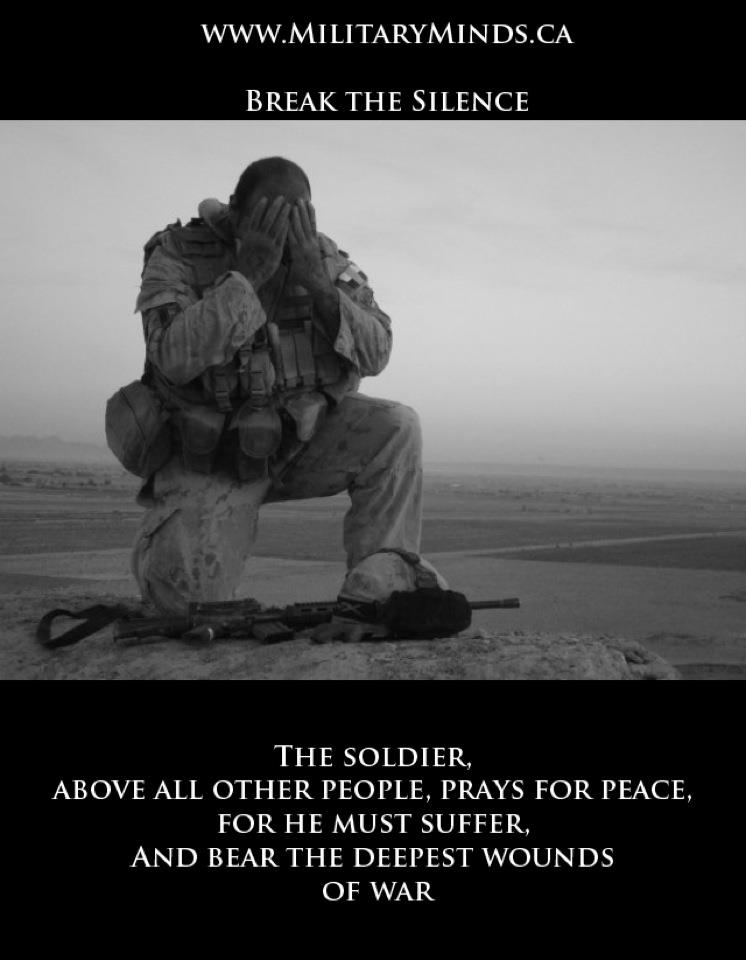
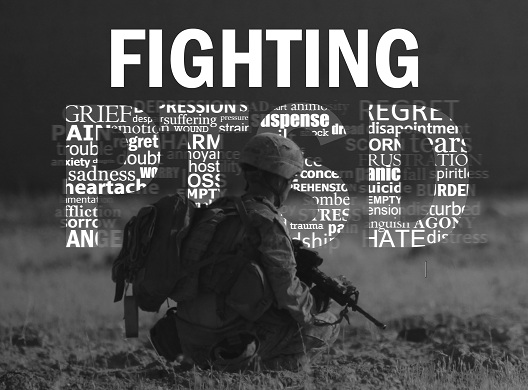
  • Veterans are more likely to have PTSD than civilians. Veterans who deployed to a war zone are also more likely to have PTSD than those who did not deploy.”

VA US Dept of Veteran Affairs (How Common is PTSD in Adults? – PTSD: National Center for PTSD)

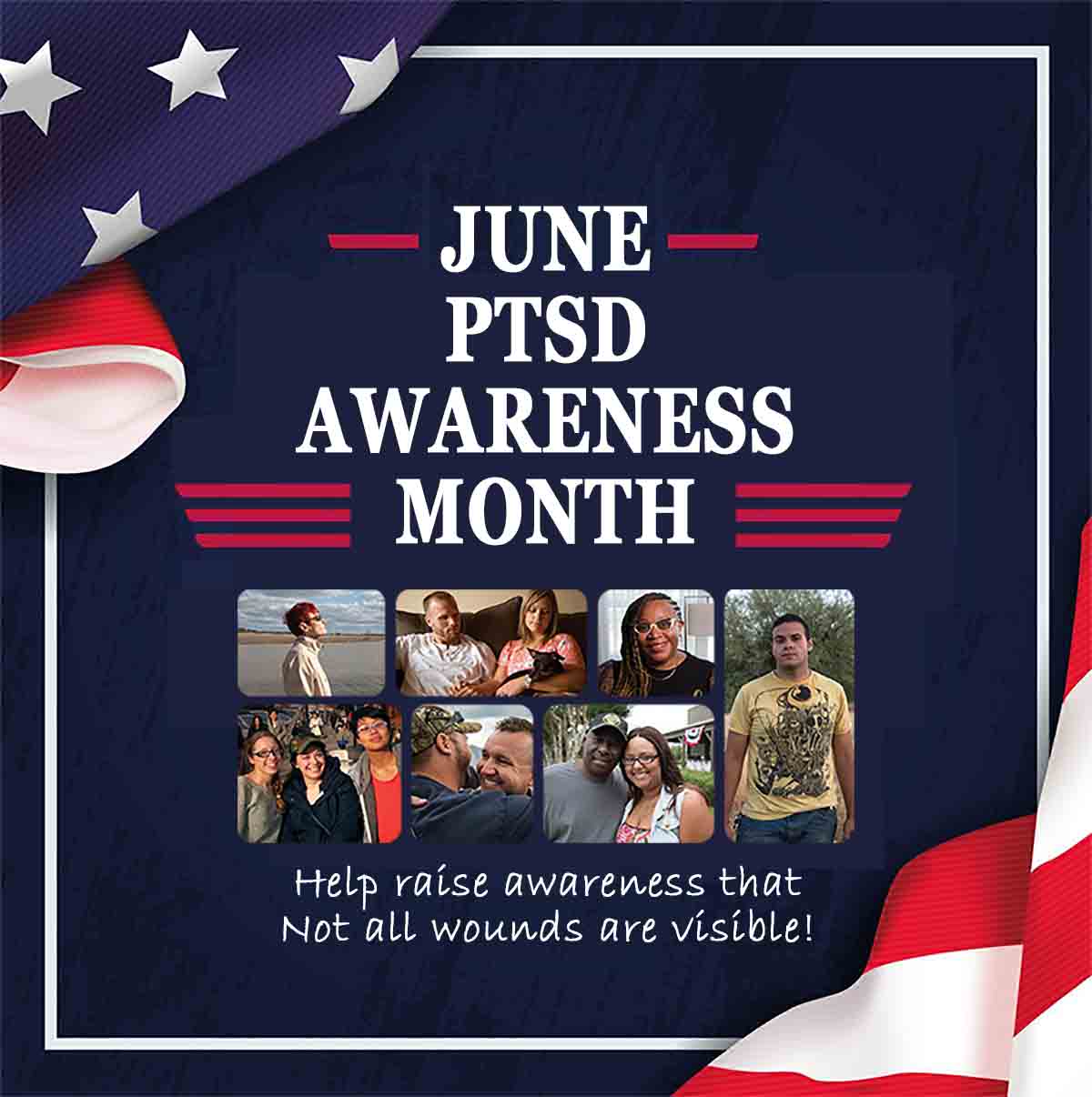
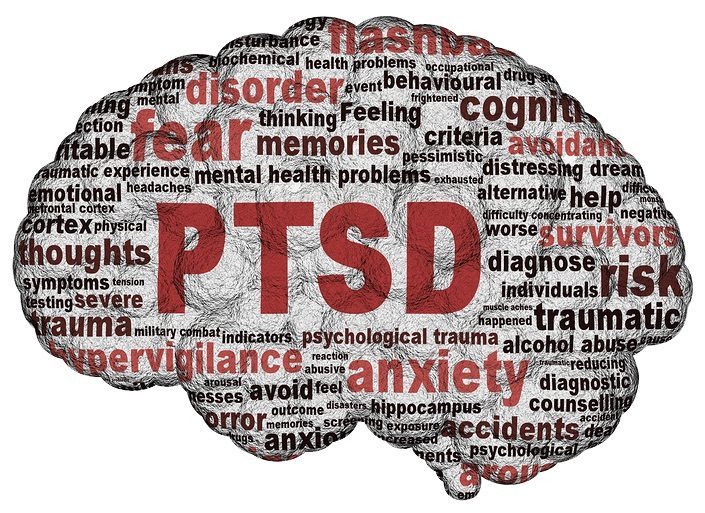
Part II PTSD=Post Traumatic Stress Disorder Awareness Month-Preschool & older-What problems might occur in this person,What can you do to find help,&Treatments!


Can children have PTSD?

Children can have PTSD too. They may have symptoms described above or other symptoms depending on how old they are. As children get older, their symptoms are more like those of adults. Here are some examples of PTSD symptoms in children:

  • Children under 6 may get upset if their parents are not close by, have trouble sleeping, or act out the trauma through play.
  • Children age 7 to 11 may also act out the trauma through play, drawings, or stories. Some have nightmares or become more irritable or aggressive. They may also want to avoid school or have trouble with schoolwork or friends.
  • Children age 12 to 18 have symptoms more similar to adults: depression, anxiety, withdrawal, or reckless behavior like substance abuse or running away.

People in general with PTSD may also have other problems,   These may include:

  • Feelings of hopelessness, shame, or despair
  • Depression or anxiety
  • Drinking or drug problems
  • Physical symptoms or chronic pain
  • Employment problems
  • Relationship problems, including divorce

What helps? Research shows that high levels of social support after the war or event the person has gone through were important for those women  and men Veterans including those not veterans.

Will people with PTSD get better?

“Getting better” means different things for different people. There are many different treatment options for PTSD. For many people, these treatments can get rid of symptoms altogether. Others find they have fewer symptoms or feel that their symptoms are less intense. Your symptoms don’t have to interfere with your everyday activities, work, and relationships.

What can you do to find help?

If you are having a hard time dealing with your wartime memories, there are a number of things that you can do to help yourself. There are also ways you can seek help from others.

  • Do things to feel strong and safe in other parts of your life, like exercising, eating well, and volunteering.
  • Talk to a friend who has been through the war or other hard times. A good friend who understands and cares is often the best medicine.
  • Join a support group. It can help to be a part of a group. Some groups focus on war memories. Others focus on the here and now. Still others focus on learning ways to relax.
  • Talk to a professional. It may be helpful to talk to someone who is trained and experienced in dealing with aging and PTSD. There are proven, effective treatments for PTSD. Your doctor can refer you to a therapist. You can also find information on PTSD treatment within VA at: VA PTSD Treatment Programs.
  • Tell your family and friends about LOSS and PTSD. It can be very helpful to talk to others as you try to place your long-ago wartime experiences into perspective. It may also be helpful for others to know what may be the source of your anger, nerves, sleep, or memory problems. Then they can provide more support.

Don’t be afraid to ask for help. Most of all, try not to feel bad or embarrassed to ask for help. Asking for help when you need it is a sign of wisdom and strength.

Don’t let PTSD get in the way of your life, hurt your relationships, or cause problems at work or school.

PTSD treatment can help.

Learn what treatment is like to help you make choices about what’s best for you.

If you suspect that you or a loved one has post-traumatic stress disorder (PTSD), it’s important to seek help right away. The sooner PTSD is confronted, the easier it is to overcome. If you’re reluctant to seek help, keep in mind that PTSD is not a sign of weakness, and the only way to overcome it is to confront what happened to you and learn to accept it as a part of your past.

TYPES OF TREATMENT:

  • Trauma-focused cognitive-behavioral therapy. Cognitive-behavioral therapy for PTSD and trauma involves carefully and gradually “exposing” yourself to thoughts, feelings, and situations that remind you of the trauma. Therapy also involves identifying upsetting thoughts about the traumatic event–particularly thoughts that are distorted and irrational—and replacing them with more balanced picture.
  • Family therapy. Since PTSD affects both you and those close to you, family therapy can be especially productive. Family therapy can help your loved ones understand what you’re going through. It can also help everyone in the family communicate better and work through relationship problems caused by PTSD symptoms.
  • Medication is sometimes prescribed to people with PTSD to relieve secondary symptoms of depression or anxiety. Antidepressants such as Prozac and Zoloft are the medications most commonly used for PTSD. While antidepressants may help you feel less sad, worried, or on edge, they do not treat the causes of PTSD.
  • EMDR (Eye Movement Desensitization and Reprocessing) incorporates elements of cognitive-behavioral therapy with eye movements or other forms of rhythmic, left-right stimulation, such as hand taps or sounds. Eye movements and other bilateral forms of stimulation are thought to work by “unfreezing” the brain’s information processing system, which is interrupted in times of extreme stress.

When looking for a therapist for post-traumatic stress disorder (PTSD), seek out mental health professionals who specialize in the treatment of trauma and PTSD. You can start by asking your doctor if he or she can provide a referral to therapists with experience treating trauma. You may also want to ask other trauma survivors for recommendations, or call a local mental health clinic, psychiatric hospital, or counseling center.

QUOTE FOR WEDNESDAY:

“Post-traumatic stress disorder (PTSD) is a mental health condition that’s caused by an extremely stressful or terrifying event — either being part of it or witnessing it. Symptoms may include flashbacks, nightmares, severe anxiety and uncontrollable thoughts about the event.

Most people who go through traumatic events may have a hard time adjusting and coping for a short time. But with time and by taking good care of themselves, they usually get better. If the symptoms get worse, last for months or years, and affect their ability to function daily, they may have PTSD.

Getting treatment after PTSD symptoms arise can be very important to ease symptoms and help people function better.”

MAYO CLINIC (Post-traumatic stress disorder (PTSD) – Symptoms and causes – Mayo Clinic)

Part I PTSD=Post Traumatic Stress Disorder Awareness Month-Factors for Veterans-both sexes, S/S of PTSD and best evidenced based treatments for Veterans, by The VA!


Many risk factors revolve around the nature of the traumatic event itself!

Traumatic events are more likely to cause PTSD when they involve a severe threat to your life or personal safety: the more extreme and prolonged the threat, the greater the risk of developing PTSD in response. Intentional, human-inflicted harm—such as rape, assault, and torture— also tends to be more traumatic than “acts of God” or more impersonal accidents and disasters. The extent to which the traumatic event was unexpected, uncontrollable, and inescapable also plays a role.

PTSD can happen to anyone. It is not a sign of weakness. A number of factors can increase the chance that someone will have PTSD, many of which are not under that person’s control. For example, having a very intense or long-lasting traumatic event or getting injured during the event can make it more likely that a person will develop PTSD. PTSD is also more common after certain types of trauma, like combat and sexual assault.

Personal factors, like previous traumatic exposure, age, and gender, can affect whether or not a person will develop PTSD. What happens after the traumatic event is also important. Stress can make PTSD more likely, while social support can make it less likely.

What factors affect Veterans who develops PTSD?

– PTSD can happen to anyone. It is not a sign of weakness. A number of factors can increase the chance that someone will have PTSD, many of which are not under that person’s control. For example, having a very intense or long-lasting traumatic event or getting injured during the event can make it more likely that a person will develop PTSD.

PTSD is also more common after certain types of trauma, like combat and sexual assault.

– Personal factors, like previous traumatic exposure, age, and gender, can affect whether or not a person will develop PTSD. What happens after the traumatic event is also important. Stress can make PTSD more likely, while social support can make it less likely.

– Women changing roles in our military

A growing number of women are serving in the US military. In 2008, 11 of every 100 Veterans (or 11%) from the Afghanistan and Iraq military operations were women. These numbers are expected to keep rising. In fact, women are the fastest growing group of Veterans.

– Know this, MALES experience more traumatic events on average than do females, yet females are more likely to meet diagnostic criteria for Post Traumatic Stress Disorder (PTSD), according to a review of 25 years of research reported in the November issue of Psychological Bulletin, published by the American Psychological .

The lifetime prevalence of PTSD is 10% to 12% in women and 6% to 8% in men. Traumatic events happen to both sexes and can result in the same symptoms.  The differences depend on when the trauma happens, what type of trauma it is, and biological factors unique to women versus men. These things determine whether someone who goes through trauma develops PTSD.

High-impact trauma is a severe type of trauma likely to lead to PTSD symptoms.

Women are generally exposed to more high-impact trauma than men are based on reports. One of the traumas most likely to lead to PTSD is sexual assault. Know one in four women are raped by age 44; 8% of men are.

Women are also more likely to experience sexual abuse at an earlier stage of life. The earlier a person experiences trauma, the more it impacts personality and brain development.

Women are also more likely to experience other high-impact traumas, like domestic violence.

One of the reasons these types of trauma are more likely to lead to PTSD is because feelings of shame and self-blame often accompany sexual and interpersonal violence. While men also experience traumas like sexual assault, abuse, and domestic violence, they do so at a lower rate.

Combat trauma, which PTSD is most associated with, affects men much more often than it does women. It also generally produces less shame and other negative feelings about oneself. The same is true for car accidents and natural disasters.

What stressors do women face in the military?

Here are some stressful things that women have experienced when in the military or might have gone through while deployed:

-Combat Missions even though more men have experienced combat PSTD in research some women have as well.

-Military Sexual Trauma (MST). A number of women and men who have served in the military experience MST. MST includes any sexual activity where you are involved against your will, such as insulting sexual comments, unwanted sexual advances, or even sexual assault.

-Feeling Alone. In tough military missions, feeling that you are part of a group is important.

-Worrying About Family. It can be very hard for women with young children or elderly parents to be deployed for long periods of time. Service members are often given little notice. They may have to be away from home for a year or longer. Some women feel like they are “putting their lives on hold.”

Because of these stressors, many women who return from deployment have trouble moving back into civilian life. While in time most will adjust, a small number will go on to have more serious problems like PTSD.

How many women Veterans have PTSD?

Among women Veterans of the conflicts in Iraq and Afghanistan, almost 20 of every 100 (or 20%) have been diagnosed with PTSD. We also know the rates of PTSD in women Vietnam Veterans. An important study found that about 27 of every 100 female Vietnam Veterans (or 27%) suffered from PTSD sometime during their postwar lives.

To compare, in men who served in Vietnam, about 31 of every 100 (or 31%) developed PTSD in their lifetime.

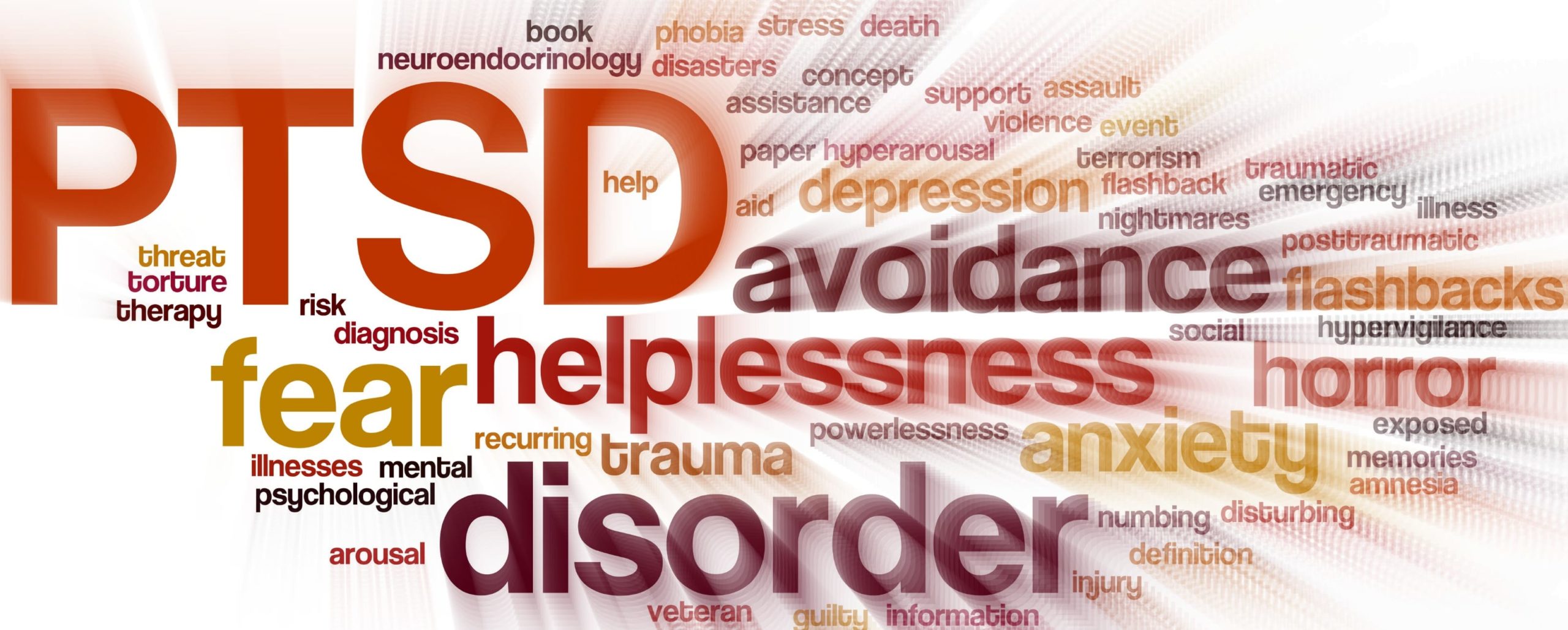
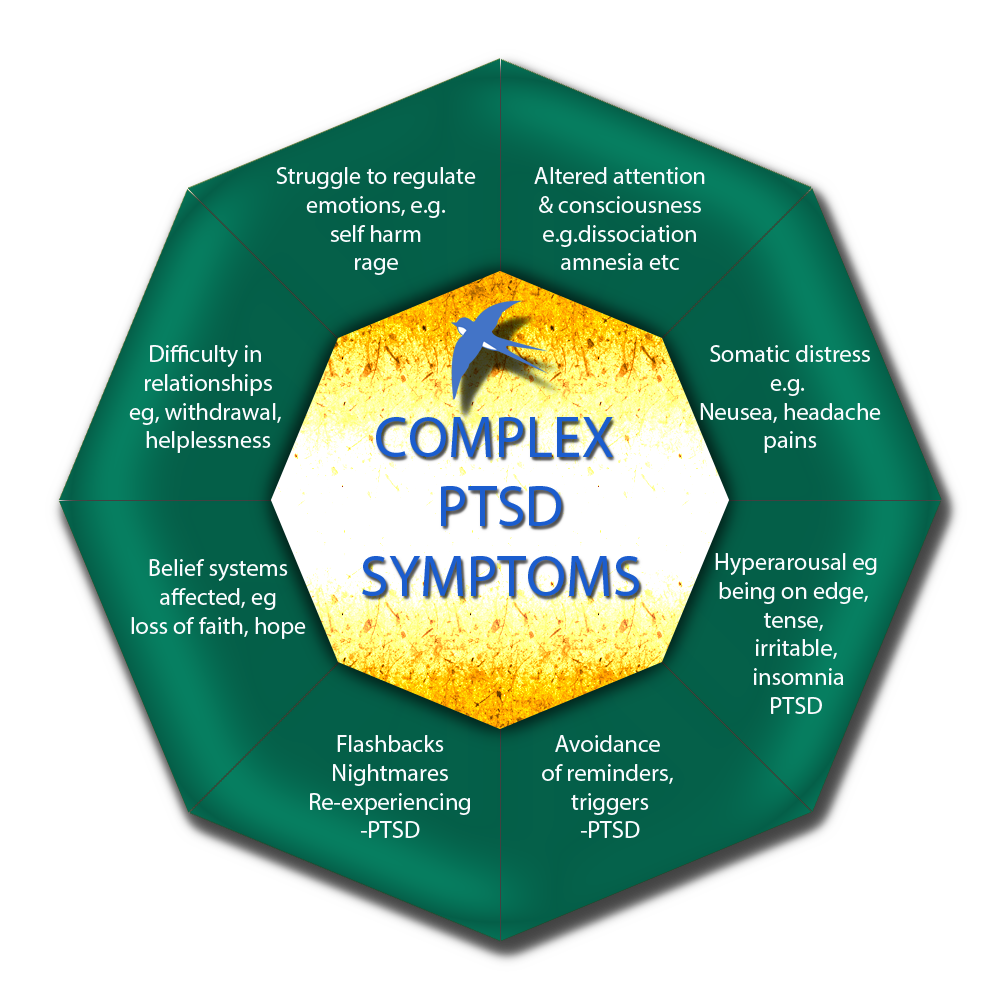
Signs and Symptoms of PTSD for anyone experiencing this disorder:

PTSD symptoms usually start soon after the traumatic event, but they may not appear until months or years later. They also may come and go over many years. If the symptoms last longer than four weeks, cause you great distress, or interfere with your work or home life, you might have PTSD.

There are four types of symptoms of PTSD, but they may not be exactly the same for everyone. Each person experiences symptoms in their own way.

  1. Reliving the event (also called re-experiencing symptoms). You may have bad memories or nightmares. You even may feel like you’re going through the event again. This is called a flashback.
  2. Avoiding situations that remind you of the event. You may try to avoid situations or people that trigger memories of the traumatic event. You may even avoid talking or thinking about the event.
  3. Having more negative beliefs and feelings. The way you think about yourself and others may change because of the trauma. You may feel guilt or shame. Or, you may not be interested in activities you used to enjoy. You may feel that the world is dangerous and you can’t trust anyone. You might be numb, or find it hard to feel happy.
  4. Feeling keyed up (also called hyperarousal). You may be jittery, or always alert and on the lookout for danger. Or, you may have trouble concentrating or sleeping. You might suddenly get angry or irritable, startle easily, or act in unhealthy ways (like smoking, using drugs and alcohol, or driving recklessly.
 

QUOTE FOR FRIDAY:

“The statistics surrounding Veterans and PTSD are alarming. The National Center for PTSD found:

  • At some point in their life, 7% of all Veterans will have PTSD. (That’s 1.26 million Veterans with PTSD.)
  • PTSD is more common among female Veterans (13 out of 100, or 13%) versus male Veterans (6 out of 100, or 6%).

According to the U.S. Department of Veterans Affairs, 29% of Veterans who served in Operations Iraqi Freedom and Enduring Freedom will suffer from PTSD at some point in their life. That’s 551,000 service members from those conflicts alone. ”


QUOTE FOR TUESDAY:

“Actinic keratoses are scaly spots or patches on the top layer of skin. With time they may become hard with a wartlike surface.

Also known as a solar keratosis, an actinic keratosis grows slowly and usually first appears in people over 40. You can reduce your risk of this skin condition by minimizing your sun exposure and protecting your skin from ultraviolet (UV) rays.

Left untreated, the risk of actinic keratoses turning into a type of skin cancer called squamous cell carcinoma is about 5% to 10%.

MAYO CLINIC (Actinic keratosis – Symptoms & causes – Mayo Clinic)

“Keratoacanthoma is a dome-shaped lump or tumor that grows on your skin. Once you spot it, it’s important to talk to your doctor. It sometimes happens to people before they get squamous cell carcinoma, the second most common type of skin cancer. If you catch the problem early, treatment usually works well.”

Web MD (What is Keratoacanthoma? Causes, Symptoms, Prevention, Treatment)

QUOTE FOR MONDAY:

“Squamous cells are flat cells of epithelial origin forming the outermost and uppermost layer of skin and even epidermis. These are keratin containing cells which perform the function of protecting the body against traumas and abrasions by maintaining its continuity.

The factors responsible for both cancers are nearly the same. Prolonged exposure to the sunlight, in particular, the ultraviolet rays is the risk and etiological factor for the skin cancers.”

ePainAssist (Merkel Cell Carcinoma Vs. Squamous Cell Carcinoma)