Archive | December 2024

QUOTE FOR WEDNESDAY:

“The holiday season is known to be a little (or a lot) extra. You may find that you drink more cocktails, eat more sweets or skip your daily walk.

While it’s of course OK to indulge in the treats of the season, doctors also warn that you should be mindful: The rich meals, increased alcohol consumption, heightened stress and disrupted routines of the holiday season are known to be hard on the heart, as proven by the increase in heart attacks this time of year.

“Holiday heart syndrome refers to a cardiac rhythm disturbance, an arrhythmia,” said Dr. Ahmed Tawakol, the co-director of the Cardiovascular Imaging Research Center at Massachusetts General Hospital. It causes an irregular heart rhythm (also known as atrial fibrillation) sometimes in otherwise healthy people after excessive or binge drinking.

“What’s interesting is that we see a surge in heart attacks around stressful periods,” Tawakol said. People are more likely to have heart attacks around earthquakes, sporting events, after elections and “we also see an increase in heart attacks around the holidays,” he noted.

“Chronic stress can increase blood pressure, elevate heart rate and raise cortisol levels, all of which contribute to heart disease over time,” Shetty said.

“Cold weather itself can be a factor in the winter months. If not well protected, the cold can cause … narrowing of the blood vessels, causing one’s heart rate and blood pressure to rise,” Shetty said. “This puts extra strain on the heart, which may not be tolerated by those with heart conditions such as angina or heart failure.”

Shoveling heavy snow can also cause heart problems in susceptible people, according to Tawakol.

When it’s cold out, it’s important that you dress warmly to reduce strain on your heart, Spelsberg said.”.

QUOTE FOR TUESDAY:

We all know that the holidays are a very busy time of year.

And if you follow me, you know that I am all about simplifying the holidays while maintaining the magic.

When it’s time to make the holiday dinner, we are often already exhausted and overwhelmed…not the best time to be cooking a difficult meal.

So simple but great ideas are like:

  1.  Slow Cooker Roast Beef
  2.  Parmesan Chicken Casserole
  3. Christmas Chile Cheese Enchilada Recipe
  4. Instant Pot Garlic Rosemary Pot Roast
  5. Instant Pot Turkey Breast with Gravy Recipe
  6. Slow Cooker Lasagna

Simply Well Balanced (25 Easy Non-Traditional Christmas Dinner Ideas – Simply Well Balanced)


QUOTE FOR MONDAY:

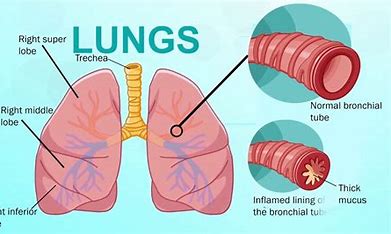
“Bronchitis is defined as an inflammation of the lining of the tubes that carry air to and from your lungs. It is often characterized by coughing spasms that sometimes cause breathlessness. Bronchitis is most common in the winter as a side effect of another virus, cold or flu.”
LOGANSPORT Memorial Center (https://www.logansportmemorial.org/…/common-winter…)

Bronchitis especially in winter season!

Bronchitis is an inflammation of the lining of your bronchial tubes. These tubes carry air to and from your lungs. People who have bronchitis often cough up thickened mucus, which can be discolored. Bronchitis may start suddenly and be short term (acute) or start gradually and become long term (chronic).

Bronchitis is more common in winter and often develops after a cold, sore throat, or flu. The main symptom is a hacking cough, which may bring up yellow-green mucus (phlegm).

Acute bronchitis, which often develops from a cold or other respiratory infection, is very common. Also called a chest cold, acute bronchitis usually improves within a week to 10 days without lasting effects, although the cough may linger for weeks.

Chronic bronchitis, a more serious condition, is a constant irritation or inflammation of the lining of the bronchial tubes, often due to smoking. If you have repeated bouts of bronchitis, you may have chronic bronchitis, which requires medical attention. Chronic bronchitis is one of the conditions included in chronic obstructive pulmonary disease (COPD).

If you have acute bronchitis, you may have cold symptoms, such as:

  • Cough
  • Production of mucus (sputum), which can be clear, white, yellowish-gray or green in color — rarely, it may be streaked with blood
  • Sore throat
  • Mild headache and body aches
  • Slight fever and chills
  • Fatigue
  • Chest discomfort
  • Shortness of breath and wheezing

While these symptoms usually improve in about a week, you may have a nagging cough that lingers for several weeks.

For chronic bronchitis, signs and symptoms may include:

  • Cough
  • Production of mucus
  • Fatigue
  • Chest discomfort
  • Shortness of breath

Chronic bronchitis is typically defined as a productive cough that lasts at least three months, with bouts that recur for at least two consecutive years. If you have chronic bronchitis, you’re likely to have periods when your cough or other symptoms worsen. It’s also possible to have an acute infection on top of chronic bronchitis.

When to see a doctor:

Contact your doctor or clinic for advice if your cough:

  • Is accompanied by a fever higher than 100.4 F (38 C).
  • Produces blood.
  • Is associated with serious or worsening shortness of breath or wheezing.
  • Includes other serious signs and symptoms, for example, you appear pale and lethargic, have a bluish tinge to your lips and nail beds, or have trouble thinking clearly or concentrating.
  • Lasts more than three weeks.

Before you go in, your doctor or clinic can give you guidance on how to prepare for your appointment.

QUOTE FOR FRIDAY:

  • “U.S. prevalence of inflammatory bowel disease (IBD) is estimated between 2.4 and 3.1 million, with differing burden across groups.
  • IBD prevalence and health care costs are rising.
  • In 2018, the total annual U.S. health care costs for IBD were about $8.5 billion.
  • Biologic prescription drugs have shifted the patterns of cost and service use.”

Cener for Disease Control and Prevention – CDC (IBD Facts and Stats | IBD | CDC)

QUOTE FOR THURSDAY:

“Crohn’s disease and ulcerative colitis are both inflammatory bowel diseases with many similarities. Nevertheless, there are some key differences between the two conditions that affect how they are managed. Both Crohn’s diseases and ulcerative colitis cause digestive distress and inflammation in the gastrointestinal tract. However, unlike Crohn’s disease, ulcerative colitis is linked to a response of the immune system.

Crohn’s disease is a chronic inflammatory condition of the gastrointestinal (GI) tract. It belongs to a group of conditions known as inflammatory bowel diseases (IBD).

Crohn’s disease most often affects the end of the small intestine and the beginning of the colon, but it may also affect any part of the GI tract from the mouth to the anus.”

Medical News Today (Crohn’s disease versus ulcerative colitis: What is the difference? medicalnewstoday.com)

QUOTE FOR WEDNESDAY:

CDC states the following:

  • “Influenza (flu) and the common cold are both contagious respiratory illnesses, but they are caused by different viruses.
  • Colds and flu share many symptoms, so it can be difficult to tell the difference between them based on symptoms alone.
  • Cold symptoms are usually milder than flu.
  • Special tests can tell if a person is sick with flu.”

Centers for Disease Control and Prevention (https://www.cdc.gov/flu/about/coldflu.html)

QUOTE FOR TUESDAY:

“Influenza has a long history of devastating epidemics throughout human history, most notably the 1918 Spanish Flu pandemic which infected a large portion of the world’s population and caused millions of deaths; today, the influenza vaccine is crucial because the virus constantly mutates, requiring annual vaccination to prevent widespread outbreaks and reduce the severity of illness in individuals, especially those at high risk of complications. The flu pandemic lasts from 1918 to 1920. From spring of 1918 to spring of 1919, the flu causes more than 550,000 deaths in the U.S. and more than 20 million deaths worldwide.

In the fall of 1918 at Mayo Clinic, people with the flu and other contagious illnesses are cared for in the isolation hospital. Keeping patients with these illnesses isolated and keeping high standards of cleanliness likely prevented infections and saved lives.

 From 2020 Flu vaccines prevent about 7.5 million illnesses, 3.7 million doctor visits, 105,000 hospital stays and 6,300 deaths.”

MAYO CLINIC (https://www.mayoclinic.org/diseases-conditions/history-disease-outbreaks-vaccine-timeline/flu)

QUOTE FOR MONDAY:

“Flu viruses are divided into four types: A, B, C, and D. During flu season (October through May), you’ll mostly hear about flu A and flu B. Flu C viruses only cause mild illness in humans and are not linked to large outbreaks. Flu D viruses do not appear to infect humans at all and are mainly found in cattle.

Now that we know there are two main types of flu viruses that affect humans, you may be wondering: Which flu is worse, A or B? Answering that question starts with learning more about their differences and how they affect us.

While flu A and flu B both cause seasonal flu, there are several differences in terms of their structure, behavior, and who they impact.

Flu A is the more common of the two main flu types, making up about 75% of all cases.”

National Council on Aging – NCOA (https://www.ncoa.org/article/whats-the-difference-between-flu-a-and-flu-b/)