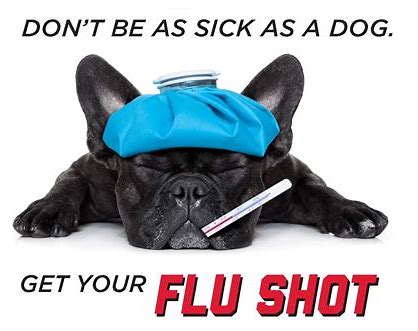
Archives

What is Hemorrhagic Fever”, also called VHF meaning Viral Hemorrhagic!


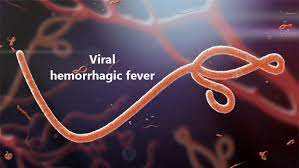
Viral hemorrhagic fevers (VHFs) are a group of illnesses caused by four families of viruses. These include the Ebola and Marburg, Lassa fever, and yellow fever viruses. VHFs have common features: they affect many organs, they damage the blood vessels, and they affect the body’s ability to regulate itself. Some VHFs cause mild disease, but some, like Ebola or Marburg, cause severe disease and death.

VHFs are found around the world. Specific diseases are usually limited to areas where the animals that carry them live. For example, Lassa fever is limited to rural areas of West Africa where rats and mice carry the virus.

The risk for travelers is low, but you should avoid visiting areas where there are disease outbreaks. Because there are no effective treatments for some of these viral infections, there is concern about their use in bioterrorism.

These diseases most commonly occur in tropical areas. In the United States, people who get them usually have recently traveled to one of those areas.

There’s no cure for viral hemorrhagic fevers. There are vaccines for only a few types. Until additional vaccines are developed, the best approach is prevention.

Symptoms

Signs and symptoms of viral hemorrhagic fevers vary by disease. In general, early signs and symptoms can include:

  • Fever
  • Fatigue, weakness or general feeling of being unwell
  • Dizziness
  • Muscle, bone or joint aches
  • Nausea and vomiting
  • Diarrhea

Symptoms that can become life-threatening

More-severe symptoms include:

  • Bleeding under the skin, in internal organs, or from the mouth, eyes or ears
  • Nervous system malfunctions
  • Coma
  • Delirium
  • Kidney failure
  • Respiratory failure
  • Liver failure

Causes

Viral hemorrhagic fevers are spread by contact with infected animals or insects. The viruses that cause viral hemorrhagic fevers live in a variety of animal and insect hosts. Most commonly the hosts include mosquitoes, ticks, rodents or bats.

Some viral hemorrhagic fevers can also be spread from person to person.

Stayed tune tomorrow learning more in Part II on Hemorrhagic Fever!


QUOTE FOR MONDAY:

“COVID-19, which is caused by the 2019 coronavirus, has been dominate news starting 2019. However, you may have first become familiar with the term coronavirus during the severe acute respiratory syndrome (SARS) outbreak in 2003.

Both COVID-19 and SARS are caused by coronaviruses. The virus that causes SARS is known as SARS-CoV, while the virus that causes COVID-19 is known as SARS-CoV-2. There are also other types of human coronaviruses.

Despite similar names, there are several differences between the coronaviruses that cause COVID-19 and SARS.

The MERS virus causes flu-like symptoms, with most patients developing pneumonia as a secondary infection. MERS is caused by a virus in the coronavirus family, and the syndrome is also called MERS-Coronavirus (MERS-CoV). MERS is passed primarily to people from infected camels.  The first generation of Covid.”

The Library of Medicine (SARS, MERS and CoVID-19: An overview and comparison of clinical, laboratory and radiological features – PMC)

QUOTE FOR THE WEEKEND:

“As summer winds down and Labor Day approaches, many people are eager to squeeze in a few last moments outdoors. But, while tick activity has tapered off a bit since peaking in June, the risk for bites remains unusually high, especially in the Northeast and around Philadelphia.

Penn Today spoke with Sharon Tsay, an assistant professor of clinical medicine in the Department of Infectious Diseases at the Perelman School of Medicine, to discuss the tiny arachnids that attach themselves to the skin when they bite and can carry disease-causing germs.

Avoid them, what to do if bitten, including how to recognize the early symptoms of tick-borne illnesses such as Lyme disease:

Tip 1: Wear protective clothing such as long pants, socks, and shoes (not sandals), especially in high grass and/or wooded areas.

Tip 2: Use insect repellent.

Tip 3: Wash clothes and shower within an hour or two after returning from outdoor activity and remove any ticks found.

Tip 4: Be alert to symptoms such as rash, fever, and other flu-like symptoms.

Tick bites aren’t just irritating; they can transmit disease-causing agents, which is the bigger concern. One prominent example is the bacterium that causes Lyme disease, which is regularly found in this area.”

Penn Today (Ticks are still out there—here’s how to avoid them | Penn Today)

Why still be concerned for ticks in the FALL season? Know the type of bacteria the tic carries if infected, the common symptoms, facts to know & the best treatment!

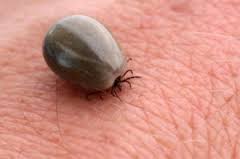
Ticks bite into the skin, then dig into it. Lastly, fills up the blood sac for food.lyme disease lyme disease
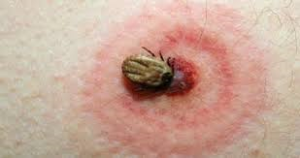
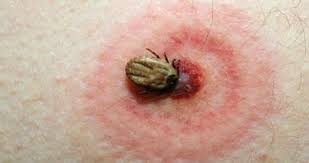
The mark the tick leaves behind on the arm it bit.
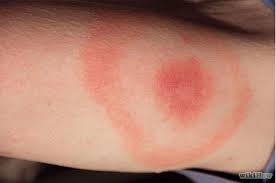
lyme disease b

lyme disease d

A tick typically feeds for several days until it becomes fully engorged with blood. As it fills, its body swells, changing from a flat, seed-like appearance to a plump, globular form. Once engorged, the tick naturally detaches from its host.

This detachment is usually passive; the tick simply releases its grip and falls off. After detaching, the tick seeks a secluded and protected environment. It retreats to areas like leaf litter, cracks, or crevices, where it is less vulnerable to predators or environmental extremes.


Next Stages in the Tick’s Life Cycle

The blood meal a tick consumes is fundamental for its development and reproduction. Different tick life stages have distinct outcomes following engorgement.

For larval and nymphal ticks, a blood meal is a prerequisite for molting into the next developmental stage. After feeding, a six-legged larva transforms into an eight-legged nymph, and a nymph molts into an adult. This transformation allows the tick to grow and progress, preparing it for its next blood meal.

For adult female ticks, the blood meal provides the energy and nutrients necessary for egg production. Once fully fed, a female tick detaches and seeks a sheltered location to lay her eggs. She can lay thousands of eggs, often ranging from 1,000 to 8,000, after which she typically dies.

Male ticks may take smaller, more frequent blood meals. Their primary purpose after feeding is to find a mate. The male tick feeds before mating as well, but he’s often a fraction of the size of the engorged female when mating takes place. Often, the male dies after mating, and the female dies after laying anywhere from 2,000 to 18,000 eggs. Soft ticks are an exception. Many species of soft tick eat several smaller blood meals and lay eggs several times. This is one reason soft ticks don’t consume as much blood in one sitting or swell to the extent that hard ticks do.

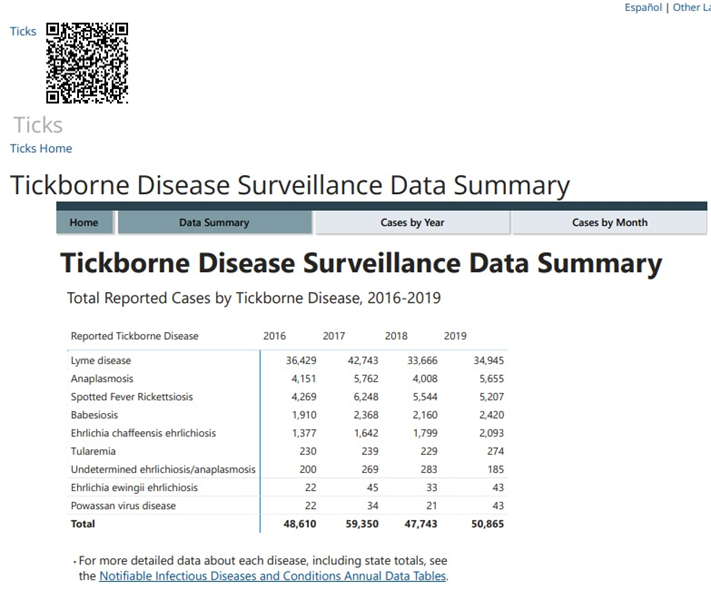
In 2013, there were more than 25,000 confirmed cases of Lyme disease reported across the country, according to the Center For Disease Control And Prevention.
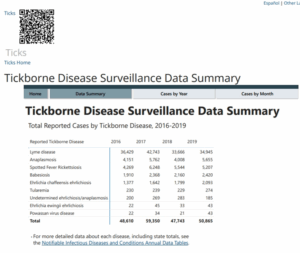
Lyme disease is of course a potentially debilitating infection spread by ticks. A special conference this weekend, now in it’s fourth year — is hoping to help raise awareness.

On Saturday, September 12, the Mt. Valley Lyme Disease Awareness Coalition will hold it’s 4th Annual Lyme Conference. This year’s day long event will be held at Telstar Regional High School in Bethel and is open to the public. Donations at that door to help in their researching.

We’re constantly hearing about the threat of Lyme disease when it comes to our pets. However, sometimes it takes star power in order to bring a dangerous condition into the “Lyme-light” for humans. This is exactly what Yolanda Foster, from the reality television show, Real Housewives of Beverly Hills, and wife of composer David Foster, did after suffering unexplainable symptoms—such as emotional outbursts, nervous system abnormalities, skin issues, and loss brain function. Her diagnoses: chronic Lyme disease.

Lyme disease is a bacterial illness that is spread by the borrelia burgdorferi bacteria in tick insect bites. Once infected, the victim (human or animal) will suffer the consequences in multiple stages that stretch from the first bite to the spread of Lyme antibodies within the blood, and the symptoms.

The most common tick-borne illness in North America and Europe, Lyme disease is transmitted by the bite of an infected blacklegged tick.

The most common signs or symptoms indicating Lyme Disease:

You have flu-like symptoms

One of the common symptoms of Lyme disease is feeling like you have a flu. This means that you’ll begin suffering from a runny nose, fevers, chills, and shaking. All the symptoms you associate with the flu can also indicate that you are in the early stages of Lyme disease and it’s at this point that you should go and see a doctor.

Many people will simply brush off the conditions and take medication bought over the counter, but if you can catch the disease at this stage, it’s far simpler to treat.

You have a stiff neck

If your neck is sore and you have the above-mentioned flu-like symptoms, it’s possible that you have developed Lyme disease. A stiff neck is a really common indicator of having recently contracted the disease. The reason it begins is because of the infection traveling around the body and if you find yourself with this pain, it’s important to get checked right away. Not only that but the pain involved with it can also get worse, making it almost unbearable. At this stage you should definitely see a doctor.

Headaches

On top of the above two symptoms, headaches will usually begin when you are in the early stages of developing the condition. A checkup is essential at this stage, your doctor will be able to provide you with treatment that is more effective the sooner after you contract the disease.

Muscle numbness

Muscle numbness occurs even during the early stages of Lyme disease making it difficult to move and creating either a numbness or a tingling feeling in muscles all over the body. Another common complaint is that the individual has shooting pains that go from the top of the leg to the bottom.

These symptoms are worrisome whether you have Lyme disease or not, so be sure to speak to your doctor as soon as you start experiencing these kinds of serious symptoms.

Fatigue

One of the signature symptoms of Lyme disease that most people have heard about is fatigue. This symptom occurs later on in the disease and is actually known as ‘post-Lyme syndrome’. It is far more than just feeling tired – it makes the muscles completely incapable of moving.

Along with the fatigue, the individual will suffer great pain in their muscles, bones, and joints.

Swelling

This symptom is more common during the early stages of the disease and it includes the swelling of the muscles, joints, and anywhere else in the body. The effect occurs as the body tries to protect itself from the bacteria that has invaded. Swelling is a natural response to many conditions and, as time goes by, the individual will find that the swelling can get worse and worse.

Heart problems

If you have heart problems and your family doesn’t have a history of it, this could be an indicator that you have Lyme disease and simply haven’t realized it yet. This is far less common than other symptoms, but in some cases an irregular heartbeat can actually suggest that you have Lyme disease and left it untreated for a long period of time.

If you have an irregular heartbeat, there’s no need to assume that you have Lyme disease – but you should of course go ahead with all the tests that your doctors want you to go ahead with.

Muscle numbness

Muscle numbness occurs even during the early stages of Lyme disease making it difficult to move and creating either a numbness or a tingling feeling in muscles all over the body. Another common complaint is that the individual has shooting pains that go from the top of the leg to the bottom.

These symptoms are worrisome whether you have Lyme disease or not, so be sure to speak to your doctor as soon as you start experiencing these kinds of serious symptoms.

Bull’s eye rash

The bull’s eye rash is the first sign of Lyme disease, and it occurs around the region that the tick originally embedded itself into the skin. There are lots of ways that this rash might appear, with the first being the obvious bull’s eye shape, with a blistering lesion in the middle and surrounding circles of redness. Some lesions may have a uniform red color, others may be disseminated and others may appear blue-red. The thing to look out for is a large circular rash that appears dark red.

Facial drooping

This is one of the most serious symptoms of Lyme disease and is pretty uncommon, but it’s important to know about nonetheless. This symptom includes the dropping of the face, where muscles stop working and you find it difficult to speak. Some individuals have experienced this symptom, known as facial palsy, to the extent that it resembles a stroke. This is of course something very serious and something you should go straight to hospital about should you begin experiencing it.

Facts to know about lyme disease:

-Lyme disease is caused by bacteria called Borrelia burgdorferi that is only transmitted to humans when they are bitten by an infected tick.

-To infect its host, a tick typically must be attached to the skin for at least 36 hours.

-Most cases of Lyme disease occur in late spring and early summer.

– The most common symptoms of Lyme disease include a red, circular “bulls-eye” rash often accompanied by muscle and joint aches. About 70 to 80 percent of people infected develop the rash, which shows up several days to weeks after the tick bite.

-Lyme disease is diagnosed by medical history, physical exam, and sometimes a blood test. It may take four to six weeks for the human immune system to make antibodies against Borrelia burgdorferi and therefore show up in a positive blood test. That is why patients with the Lyme rash usually have a negative blood test and diagnosis is based on the characteristic appearance of the rash. Patients with other clinical manifestations such as Lyme arthritis will usually have a blood test.  Anyone who has symptoms for longer than six weeks and who has never been treated with antibiotics is unlikely to have Lyme disease if the blood test is negative.

–Most cases of Lyme disease are successfully treated with a few weeks of antibiotics. Using antibiotics for a very long time (months or years) does not offer superior results and in fact can be dangerous, because it can cause potentially fatal complications.

-Approximately 95 percent of all cases of Lyme disease occur in the Northeast and the Upper Midwest.

-Researchers didn’t identify the cause of Lyme disease and connect it with ticks until 1981. The bacterium that causes the disease is named in honor of Willy Burgdorfer, the scientist who made the connection.

-There were nearly 30,000 confirmed cases of Lyme disease in 2009 and more than 8,500 probable cases. The number has risen steadily since 1995, when there were only 11,700 confirmed cases.

– The best treatment for Lyme disease is prevention: Be cautious when walking in the woods, avoiding bushy and grassy areas. Wear long pants and long-sleeved shirts and wear insect repellent containing DEET on exposed skin. After walking in wooded areas, thoroughly check the skin for ticks!  Today in 2022 CDC states “A new active ingredient, discovered and developed by the Centers for Disease Control and Prevention (CDC), has been registered by the Environmental Protection Agency (EPA) for use in insecticides and insect repellents.

The new ingredient, nootkatone, repels and kill ticks, mosquitoes, and a wide variety of other biting pests. Nootkatone is responsible for the characteristic smell and taste of grapefruit and is widely used in the fragrance industry to make perfumes and colognes. It is found in minute quantities in Alaska yellow cedar trees and grapefruit skin.

Nootkatone can now be used to develop new insect repellents and insecticides for protecting people and pets. CDC’s licensed partner, Evolva, is in advanced discussions with leading pest control companies for possible commercial partnerships. Companies interested in developing brand name consumer products will be required to submit a registration package to EPA for review, and products could be commercially available as early as 2022.

“CDC is proud to have led the research and development of nootkatone,” said Jay C. Butler, MD, Deputy Director for Infectious Diseases. “Providing new alternatives to existing bite-prevention methods paves the way to solving one of biggest challenges in preventing vector-borne diseases—preventing bites.”

The E.P.A. has approved nootkatone, which is found in cedars and grapefruit. It repels ticks, mosquitoes and other dangerous bugs for hours, but is safe enough to eat.
QUOTE FOR FRIDAY:

“These are words a parent never wants to hear: “Your child has cancer.”

While relatively rare, pediatric cancers are the leading cause of death from disease among children in the United States.

Over the past several decades, the five-year survival rate for pediatric cancer has improved, increasing from around 58-68% in the 1970s to 83-88% in recent years.

Despite those advances, approximately 1,600 children and adolescents in the United States die of cancer each year.

The most common types of cancers in children are acute lymphocytic leukemia (ALL), brain and other central nervous system (CNS) tumors, lymphoma, germ cell tumors and neoplasms, soft tissue sarcoma, and neuroblastoma.”

American Association for Cancer Research – AACR (Childhood Cancer Awareness Month | AACR)


Childhood Cancer Awareness Month: Leukemia-the life style risk factors, inherited syndromes that put a child at risk for leukemia, & the types of leukemia!


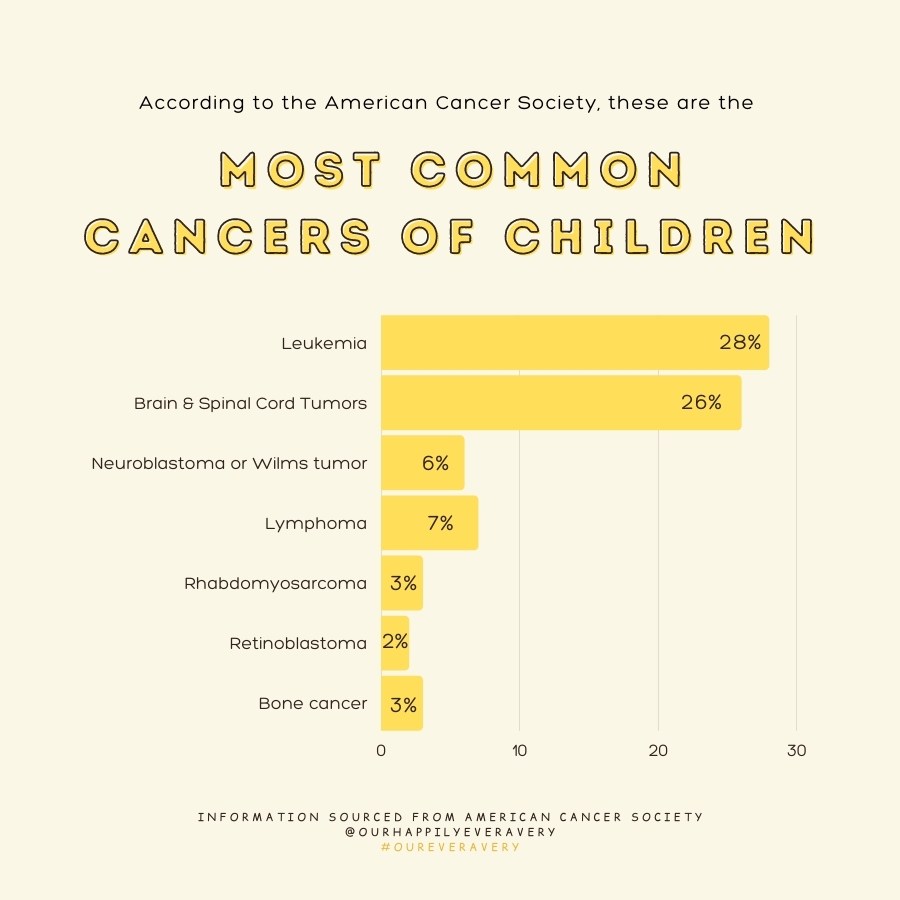
Leukemia is the most common cancer in children and teens, accounting for almost 1 out of 3 cancers. Most childhood leukemias are acute lymphocytic leukemia (ALL). Most of the remaining cases are acute myeloid leukemia (AML). Chronic leukemias are rare in children.

A risk factor is anything that affects a person’s chance of getting a disease such as cancer. Different cancers have different risk factors.

Lifestyle-related risk factors such as tobacco use, diet, body weight, and physical activity play a major role in many adult cancers. But these factors usually take many years to influence cancer risk, and they are not thought to play much of a role in childhood cancers, including leukemias.

There are a few known RISK FACTORS for childhood leukemia.

Inherited syndromes

-Some inherited disorders increase a child’s risk of developing leukemia:

  • Down syndrome (trisomy 21): Children with Down syndrome have an extra (third) copy of chromosome 21. They are many times more likely to develop either acute lymphocytic leukemia (ALL) or acute myeloid leukemia (AML) than are other children, with an overall risk of about 2% to 3%. Down syndrome has also been linked with transient leukemia (also known as transient myeloproliferative disorder) – a leukemia-like condition within the first month of life, which often resolves on its own without treatment.
  • Li-Fraumeni syndrome: This is a rare condition caused by a change in the TP53 tumor suppressor gene. People with this change have a higher risk of developing several kinds of cancer, including leukemia, bone or soft tissue sarcomas, breast cancer, adrenal gland cancer, and brain tumors.

Other genetic disorders (such as neurofibromatosis and Fanconi anemia) also carry an increased risk of leukemia, as well as some other types of cancers.

Siblings (brothers or sisters) with leukemia have a slightly increased chance (2 to 4 times normal) of developing leukemia, but the overall risk is still low. The risk is much higher among identical twins. If one twin develops childhood leukemia, the other twin has about a 1 in 5 chance of getting leukemia as well. This risk is much higher if the leukemia develops in the first year of life.

Having a parent who develops leukemia as an adult does not seem to raise a child’s risk of leukemia.

Exposure to high levels of radiation is a risk factor for childhood leukemia. Japanese atomic bomb survivors had a greatly increased risk of developing AML, usually within 6 to 8 years after exposure. If a fetus is exposed to radiation within the first months of development, there may also be an increased risk of childhood leukemia, but the extent of the risk is not clear.

The possible risks from fetal or childhood exposure to lower levels of radiation, such as from x-ray tests or CT scans, are not known for sure. Some studies have found a slight increase in risk, while others have found no increased risk. Any risk increase is likely to be small, but to be safe, most doctors recommend that pregnant women and children not get these tests unless they are absolutely needed.

What is Leukemia?  First their are types of leukemia, which are cancers of the bone marrow and blood and this is the most common childhood cancers unfortunately.  They account for about 30% of all cancers in children.  The most common types that are found in children they are 1.) acute lymphocytic leukemia (ALL) 2.) acute myelogenous leukemia (AML).

1.)-Acute lymphocytic leukemia (ALL) is a type of cancer of the blood and bone marrow — the spongy tissue inside bones where blood cells are made.

The word “acute” in acute lymphocytic leukemia comes from the fact that the disease progresses rapidly and creates immature blood cells, rather than mature ones. The “lymphocytic” in acute lymphocytic leukemia refers to the white blood cells called lymphocytes, which ALL affects. Acute lymphocytic leukemia is also known as acute lymphoblastic leukemia.

Acute lymphocytic leukemia is the most common type of cancer in children, and treatments result in a good chance for a cure. Acute lymphocytic leukemia can also occur in adults, though the chance of a cure is greatly reduced.

2.)-Acute myelogenous leukemia (AML) is a cancer of the blood and bone marrow — the spongy tissue inside bones where blood cells are made.

The word “acute” in acute myelogenous leukemia denotes the disease’s rapid progression. It’s called myelogenous (my-uh-LOHJ-uh-nus) leukemia because it affects a group of white blood cells called the myeloid cells, which normally develop into the various types of mature blood cells, such as red blood cells, white blood cells and platelets.

Acute myelogenous leukemia is also known as acute myeloid leukemia, acute myeloblastic leukemia, acute granulocytic leukemia and acute nonlymphocytic leukemia.

2.) Acute myelogenous leukemia (AML) is a cancer of the blood and bone marrow — the spongy tissue inside bones where blood cells are made.

The word “acute” in acute myelogenous leukemia denotes the disease’s rapid progression. It’s called myelogenous (my-uh-LOHJ-uh-nus) leukemia because it affects a group of white blood cells called the myeloid cells, which normally develop into the various types of mature blood cells, such as red blood cells, white blood cells and platelets.

Acute myelogenous leukemia is also known as acute myeloid leukemia, acute myeloblastic leukemia, acute granulocytic leukemia and acute nonlymphocytic leukemia.

Updated 09/07/2025


QUOTE FOR THURSDAY:

“In Lower Manhattan on 9/11/01 the plane crashes—which resulted in the collapse of the Twin Towers—created massive dust clouds that filled the air and left hundreds of highly populated city blocks covered with ash, debris, and harmful particles, including asbestos, silica, metals, concrete, and glass. Fires within the debris pile and the collapse of 7 WTC burned through the end of December 2001 with continued flare-ups in 2002, releasing carcinogenic combustion by-products. These contaminants remained in Lower Manhattan and parts of Brooklyn for an undetermined amount of time after 9/11. Responders, local workers, residents, students, and others had potential for acute exposures in the early days and continuing exposure from residual materials—indoors and outside—as well as exposure to toxic gases, smoke, vapors, and combustion by-products from continuing fires.

Officials declared the plane crash in Somerset County near Shanksville, Pennsylvania a crime scene; the crash created hazardous conditions—including fiery hot spots and smoke—for workers and volunteers. At the Pentagon in Arlington, Virginia, responders, cleanup crews, and construction workers were potentially exposed to smoke, jet fuel, heat from the fire, hazardous chemicals, and harmful debris.”

Center for Disease Control and Prevention-CDC / World Trade Health Center (Toxins and Health Impacts: Health Effects of 9/11 – WTC Health Program)


QUOTE FOR TUESDAY:

“Ovarian cancer is one of the leading causes of cancer deaths among women, but recent trends show some hopeful progress.

Survival rates can give you an idea of what percentage of people with the same type and stage of cancer are still alive a certain amount of time (usually 5 years) after they were diagnosed. They can’t tell you how long you will live, but they may help give you a better understanding of how likely it is that your treatment will be successful.

Keep in mind that survival rates are estimates and are often based on previous outcomes of large numbers of people who had a specific cancer, but they can’t predict what will happen in any person’s case. These statistics can be confusing and may lead you to have more questions. Ask your doctor how these numbers might apply to you.

A relative survival rate compares people with the same type and stage of cancer to people in the overall population. For example, if the 5-year relative survival rate for a specific stage of ovarian cancer is 80%, it means that people who have that cancer are, on average, about 80% as likely as people who don’t have that cancer to live for at least 5 years after being diagnosed.

The American Cancer Society relies on information from the Surveillance, Epidemiology, and End Results (SEER) database, maintained by the National Cancer Institute (NCI), to provide survival statistics for different types of cancer.

The SEER database tracks 5-year relative survival rates for ovarian cancer in the United States, based on how far the cancer has spread. The SEER database, however, does not group cancers by AJCC or FIGO stages (stage 1, stage 2, stage 3, etc.). Instead, it groups cancers into localized, regional, and distant stages:

  • Localized: There is no sign that the cancer has spread outside of the ovaries.
  • Regional: The cancer has spread outside the ovaries to nearby structures or lymph nodes.
  • Distant: The cancer has spread to distant parts of the body, such as the liver or lungs.

These numbers are based on people diagnosed with cancers of the ovary (or fallopian tube) between 2015 and 2021, which is the most recent reporting period. These survival rates differ based on the type of ovarian cancer (invasive epithelial, stromal, or germ cell tumor).”

American Cancer Society (Ovarian Cancer Survival Rates | American Cancer Society)

QUOTE FOR MONDAY:

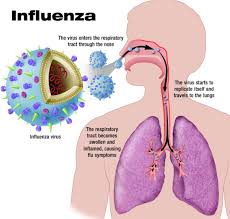
“Influenza (flu) is a potentially serious disease that can lead to hospitalization and sometimes even death. Everyone 6 months and older in the United States, with rare exception, should get a flu vaccine every season. Flu vaccination has been shown to have many benefits including reducing the risk of flu illnesses, hospitalizations and even the risk of flu-related death. All flu vaccines in the United States will be trivalent (three component) vaccines beginning with the 2024-2025 season. For people 65 years and older, there are three flu vaccines that are preferentially recommended.

Influenza (flu) is a potentially serious disease that can lead to hospitalization and sometimes even death. Every flu season is different, and flu can affect people differently, but during typical flu seasons, millions of people get flu, hundreds of thousands of people are hospitalized and thousands to tens of thousands of people die from flu-related causes. Flu can mean a few days of feeling bad and missing work, school, or family events, or it can result in more serious illness.  The flu vaccine can prevent this from happening.”

Center for Disease Control and Prevention – CDC (Key Facts About Seasonal Flu Vaccine | Influenza (Flu) | CDC)


The question asked every fall season is why and who should get the flu shot?

flu

For starters let us look at what is the flu shot first.

The standard flu vaccine (or, the “flu shot”) is made from flu viruses that have been grown on fertilized chicken eggs. The viruses are killed during manufacturing, a process known as “inactivation.” These inactivated viruses are a source of proteins or antigens that trigger a protective antibody response when the vaccine is injected into the arm or thigh muscle. Antibodies against flu viruses begin to appear one to two weeks after getting the flu shot and last for months, and sometimes even up to one year.

The standard flu shot is the main flu vaccine that will be offered at PAMF for the 2015-2016 season.

Three other flu vaccines will also be available to certain patients:

1) FluMist nasal spray vaccine:
FluMist, an intranasal vaccine, is available to patients 2-49 years of age who have no contraindications to it.

2) Fluzone High-Dose:
Fluzone High-Dose vaccine, a flu shot with four times the antigen dose per strain as standard flu vaccine, is approved only for persons 65 years of age or older.

3) Flublok:
Flublok is a recombinant flu vaccine manufactured without the use of eggs. It is indicated for highly egg-allergic persons aged 18 years or older. It is available only in our allergy departments.

PAMF has transitioned from trivalent to quadrivalent flu vaccines (containing 2 A strains and 2 B strains) with the exception of Fluzone High-Dose and Flublok which are still trivalent (2 A strains and 1 B strain). The second B strain was added to quadrivalent vaccines by manufacturers because predicting which flu B strain would circulate in any given season proved difficult. While this is a modest change, scientists hope it will result in increased protection against the flu in coming years. The higher dose of antigen in Fluzone High-Dose vaccine produces higher antibody levels in patients 65 years or older which results in a modest boost in effectiveness compared to the standard-dose vaccine.

Because vaccine strains often change from one year to the next and immunity wanes, flu vaccine must be given every year. In more depth of explaining this is as follows:

Like stated the influenza viruses are constantly changing. They can change in two different ways.

One way they change is called “antigenic drift.” These are small changes in the genes of influenza viruses that happen continually over time as the virus replicates. These small genetic changes usually produce viruses that are pretty closely related to one another, which can be illustrated by their location close together on a phylogenetic tree. Viruses that are closely related to each other usually share the same antigenic properties and an immune system exposed to an similar virus will usually recognize it and respond. (This is sometimes called cross-protection.)

But these small genetic changes can accumulate over time and result in viruses that are antigenically different (further away on the phylogenetic tree). When this happens, the body’s immune system may not recognize those viruses.

This process works as follows: a person infected with a particular flu virus develops antibody against that virus. As antigenic changes accumulate, the antibodies created against the older viruses no longer recognize the “newer” virus, and the person can get sick again. Genetic changes that result in a virus with different antigenic properties is the main reason why people can get the flu more than one time. This is also why the flu vaccine composition must be reviewed each year, and updated as needed to keep up with evolving viruses.

The other type of change is called “antigenic shift.” Antigenic shift is an abrupt, major change in the influenza A viruses, resulting in new hemagglutinin and/or new hemagglutinin and neuraminidase proteins in influenza viruses that infect humans. Shift results in a new influenza A subtype or a virus with a hemagglutinin or a hemagglutinin and neuraminidase combination that has emerged from an animal population that is so different from the same subtype in humans that most people do not have immunity to the new (e.g. novel) virus. Such a “shift” occurred in the spring of 2009, when an H1N1 virus with a new combination of genes emerged to infect people and quickly spread, causing a pandemic. When shift happens, most people have little or no protection against the new virus.

While influenza viruses are changing by antigenic drift all the time, antigenic shift happens only occasionally. Type A viruses undergo both kinds of changes; influenza type B viruses change only by the more gradual process of antigenic drift.

All flu vaccines at PAMF will be Thimerosal-free and latex-free.

Here are a few reasons why you absolutely need to get a flu vaccine this year:

  • Influenza (the flu) circulates all over the world, and it can affect anyone, regardless of their age or health.
  • The flu can lead to complications like pneumonia, ear infections, and sinus infections. It can also worsen existing conditions, like asthma or diabetes.
  • Each year, thousands of people in the U.S. die from the flu and its complications.
  • Influenza (flu) is a potentially serious disease that can lead to hospitalization and sometimes even death. Every flu season is different, and flu can affect people differently, but during typical flu seasons, millions of people get flu, hundreds of thousands of people are hospitalized and thousands to tens of thousands of people die from flu-related causes. Flu can mean a few days of feeling bad and missing work, school, or family events, or it can result in more serious illness.
  • Complications of flu can include bacterial pneumonia, ear infections, sinus infections and worsening of chronic medical conditions, such as congestive heart failure, asthma, or diabetes.
  • An annual seasonal flu vaccine is the best way to help reduce the risk of getting flu and any of its potentially serious complications. Vaccination has been shown to have many benefits including reducing the risk of flu illnesses, hospitalizations and even the risk of flu-related death. While some people who get a flu vaccine may still get sick with influenza, flu vaccination has been shown in several studies to reduce severity of illness.

So you may want to think twice of avoiding the flu shot personally but most of all having your children avoid the flu shot.