Archives

QUOTE FOR THURSDAY:

“Here are some statistics related to sarcoidosis:

  • Incidence: Sarcoidosis is most prevalent in Scandinavian and Northern European countries, with a higher risk for Black individuals compared to White individuals in the U.S.2.
  • Epidemiology: The incidence and prevalence of sarcoidosis vary significantly across populations, with studies indicating that the disease is more common in certain regions and among specific demographics3.
  • Patient Demographics: A survey of 1018 US sarcoidosis patients found that 65% were female, 63% White, 34% Black, and 87% were over 45 years old. The most common organs affected were the lungs (87%), skin (30%), heart (25%), and eyes (25%)5.

These statistics highlight the heterogeneity of sarcoidosis and its impact on different populations.

High quality and systematically collected data, with depth (detailed information per individual) and breadth (many individuals), is needed to further understand the complexity and heterogeneity of sarcoidosis.

NIH National Library of Medicine (Sarcoidosis epidemiology: recent estimates of incidence, prevalence and risk factors – PMC)


QUOTE FOR WEDNESDAY:

“Sarcoidosis is a condition that causes tiny collections of immune system cells in any part of the body. These tiny collections form red, swollen lumps called granulomas. Granulomas most commonly occur in the lungs and the lymph nodes of the chest. They also can occur in the eyes, skin, heart and other organs.

Experts don’t know the exact cause of sarcoidosis, but it’s likely a mix of genetic and environmental factors. Some people appear to have gene changes that make them more likely to develop sarcoidosis. The condition may then be triggered by bacteria, viruses, dust or chemicals.”

MAYO CLINIC (Sarcoidosis – Symptoms and causes – Mayo Clinic)

QUOTE FOR TUESDAY:

“More than half of all Americans age 80 or older either have cataracts or have had surgery to remove cataracts, according to the National Eye Institute (NEI).

The Centers for Disease Control and Prevention (CDC) states that cataract is the leading cause of vision loss in the United States, and the leading cause of blindness worldwide. Prevent Blindness has declared June as Cataract Awareness Month to educate the public on risk factors, symptoms, types of cataract, and cataract surgery.

A cataract is a clouding of the eye’s lens which blocks or changes the passage of light into the eye. The lens of the eye is located behind the pupil and the colored iris and is normally transparent. The lens helps to focus images onto the retina – which transmits the images to the brain.”

Prevent Blindness (https://preventblindness.org/cataract-awareness-june-2022/)

QUOTE FOR MONDAY:

“Cataract or Cataracts generally do not cause pain, redness or tears. However, there is changes in your vision, that can vary from blurred vision, double vision, ghost images, the sense of a film over the eyes or Lights seem too dim for reading or close-up work, or you are dazzled by strong light or changing eyeglass prescriptions often. The change may not seem to help your vision. You may sometimes notice the cataract in your eye. It may look like a milky or yellowish spot in the pupil (the center of your eye is normally black).

Prevent Blindness America wants to educate the public on cataracts who has declared June as Cataract Awareness Month. The national non-profit group provides free information through its dedicated web page at preventblindness.org/cataract, or via phone at (800) 331-2020.”

Prevent Blindness (https://preventblindness.org/cataract-awareness-month/)

QUOTE FOR THE WEEKEND:

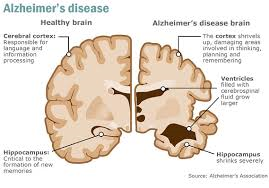
“Alzheimer’s disease is the most common cause of dementia. Alzheimer’s disease is the biological process that begins with the appearance of a buildup of proteins in the form of amyloid plaques and neurofibrillary tangles in the brain. This causes brain cells to die over time and the brain to shrink.

About 6.9 million people in the United States age 65 and older live with Alzheimer’s disease. Among them, more than 70% are age 75 and older. Of the more than 55 million people in the world with dementia, 60% to 70% are estimated to have Alzheimer’s disease.

There is no cure for Alzheimer’s disease.”

MAYO CLINIC (Alzheimer’s disease – Symptoms and causes – Mayo Clinic)

QUOTE FOR FRIDAY:

“APHASIA (Uh-Fay-Zhuh) is a result of a STROKE or BRAIN INJURY, and affects a person’s ability to communicate. It is important to remember that you are still a competent adult, you know what you want to say, you can make your own decisions and you are not deaf. Aphasia usually comes on suddenly from a stroke or brain injury. But in rare cases it may develop gradually. This is called Primary Progressive Aphasia (PPA). If you have aphasia, you may find it hard to: TALK, LISTEN/UNDERSTAND OTHERS WHEN THEY SPEAK, READ, WRITE, USE NUMBERS AND DO CALCULATIONS.”

National Aphasia Association (What is Aphasia? – The National Aphasia Association)

QUOTE FOR THURSDAY:

“The brain is a complex organ that controls thought, memory, emotion, touch, motor skills, vision, breathing, temperature, hunger and every process that regulates our body. Together, the brain and spinal cord that extends from it make up the central nervous system, or CNS.

Weighing about 3 pounds in the average adult, the brain is about 60% fat. The remaining 40% is a combination of water, protein, carbohydrates and salts. The brain itself is a not a muscle. It contains blood vessels and nerves, including neurons and glial cells.

Gray and white matter are two different regions of the central nervous system. In the brain, gray matter refers to the darker, outer portion, while white matter describes the lighter, inner section underneath. In the spinal cord, this order is reversed: The white matter is on the outside, and the gray matter sits within.

The brain sends and receives chemical and electrical signals throughout the body. Different signals control different processes, and your brain interprets each. Some make you feel tired, for example, while others make you feel pain.”

John Hopkins Medicine (Brain Anatomy and How the Brain Works | Johns Hopkins Medicine)


QUOTE FOR WEDNESDAY:

“Allergies and sinus problems are common during the warmer seasons. A reason for this is that plants release pollen in the spring, summer, and fall. People allergic to pollen may experience symptoms similar to a cold during these seasons. However, a cold or flu will usually not last longer than 2 weeks, while allergies can last 6 weeks or longer — depending on the cause of your allergic reaction.

Depending on where you live, another cause of summer sinus problems is the hot and dry air, which can irritate your sinuses and lead to a sinus infection — or sinusitis.”

Medicine Net (Can Hot Weather Cause Sinus Problems?)

Sinusitis and Headaches in hot weather! Learn the difference between viral and bacterial sinus infections (plus the symptoms) and learn some summer health tips even with flying!

During summer and on those very hot days it is marvellous to go to the beach, relax at the pool side, have a barbeque or even picnic out with friends and family but then you may notice that your nose starts to run, you suddenly develop a headache or you feel stuffy.

Sinuses, which are paired air spaces connected to your nose, is lined with very delicate skin called the mucus membrane. The mucus membrane may then become inflamed by many things like bacteria, colds and flu’s, allergies or even a fungus invasion.  We start to feel all those dreadful symptoms when these sinus spaces are blocked, causing mucus build up and pressure.

The most common culprit of summer sinus problems is allergies and hay fever. We don’t hear enough about how pet hair, pollen, dander, dust and dust mites and even milk or how certain food allergies cause sinus problems. But what else about those hot days cause our sinuses to go ballistic?

One often hears about sudden extreme temperature changes causing increased sinus pain and a stuffy or runny nose, but how?

There are millions of tiny hair like structures called cilia that make up the mucus membrane, which lines your nose and sinuses. These cilia work together as a broom, helping to get rid of stagnant mucus that may block the sinuses. Your mucus membranes prefer a moist warm environment as opposed to it being very cold or very hot.

On hot summer days the air is very dry causing the mucus in your nose to become thick and sticky. This makes it difficult for the cilia to move or “sweep” the excess mucus out. This thick mucus then blocks the sinuses. When mucus flow is interrupted or blocked, it often becomes hard in nature and causes pressure and congestion. The pressure and the congestion then cause you to experience pain, stuffiness and headaches.

Know the difference:

Viral sinus infections

They are the most common type of sinusitis. Viruses that cause the common cold are usually the reason for the sinus infection. The symptoms of a viral sinus infection typically last up to seven to ten days.  The first few days your symptoms will worsen and after about the fifth day you may start to see improvement. These types of sinus infections generally go away on their own with rest and vitamin C. The symptoms you may experience while having a viral sinus infection are headaches, congestion, low fever, nasal discharge, and trouble sleeping.

Bacterial Infections

If your cold is lingering around and does not runs its course naturally you may actually have a bacterial sinus infection. Learn the signs that indicate your cold may be a bacterial sinus infection.  Viral sinus infections do not require antibiotics. When you experience sinus infection it will more than likely be a viral sinus infection.

Bacterial sinus infections are less common than viral sinus infections. It may be difficult to tell the difference between bacterial and viral sinus infections because they share common symptoms.

In some cases a viral sinus infection can develop into a bacterial sinus infections. This occurs when bacteria multiplies in fluid-filled sinus pockets. Bacterial sinus infections may also resolve on their own but may require antibiotics to fight off the bacteria.

Know when the signs or symptoms of a viral sinus infection has increased to a bacterial sinus infection are a noticeable increase in the severity of symptoms or failure to get better after seven to ten days.

Some common symptoms of bacterial sinusitis are worsening congestion,  more severe facial pain, and thickening or increase of nasal discharge. Bacterial sinus infections can also return shortly after your symptoms have healed, making you think, why do I keep getting sinus infections? If your nasal discharge or mucus is thick, dark, and/or greenish-yellowish, you may have converted to a bacterial sinus infection. Evaluation by your doctor can determine whether or not you have a bacterial or viral sinus infection. If your symptoms show no sign of improvement after ten days it is safe to say you have developed a bacterial sinus infection.

Summer Sinus Health Tips

  1. Try to Avoid Pollen: Pollen levels are usually highest in the morning so try and stay indoors. Use a HEPA filter, reduce carpeting, and try and vacuum the interior of your home often. Keep your windows closed during especially bad sinus days.

  2. Make sure you always have a Saline Nasal Spray: One of the most helpful precautions to ward off colds are to keep your nasal passages moist. 

  3. Consider Nasal Irrigation: Cleaning out the nasal passages helps remove bacteria, pollutants and other irritants that can lead to sinus pain and infection. The simplest way is to lean over a sink and use a neti pot to run warm saline into and out of your nasal cavity. You can also use a squeeze bottle which is specifically designed to irrigate the nasal passages. 

  4. Avoid nasal irritants: The membranes that line the nostrils and sinuses are very sensitive and can be damaged from an array of irritants. Two common irritants are tobacco smoke and chlorine. Additional items to avoid are exhaust, mold, and smoke of any kind. 

  5. Be prepared when flying: The dry air and poor interior conditions in an airplane cabin are a perfect area for germs and bacteria to collect. Drinking lots of water and sporadically spraying inside your nose with a saline solution can help fight against these conditions.