Archives

Part I PTSD=Post Traumatic Stress Disorder Awareness Month-Factors for Veterans-both sexes, S/S of PTSD and best evidenced based treatments for Veterans, by The VA!


Many risk factors revolve around the nature of the traumatic event itself!

Traumatic events are more likely to cause PTSD when they involve a severe threat to your life or personal safety: the more extreme and prolonged the threat, the greater the risk of developing PTSD in response. Intentional, human-inflicted harm—such as rape, assault, and torture— also tends to be more traumatic than “acts of God” or more impersonal accidents and disasters. The extent to which the traumatic event was unexpected, uncontrollable, and inescapable also plays a role.

PTSD can happen to anyone. It is not a sign of weakness. A number of factors can increase the chance that someone will have PTSD, many of which are not under that person’s control. For example, having a very intense or long-lasting traumatic event or getting injured during the event can make it more likely that a person will develop PTSD. PTSD is also more common after certain types of trauma, like combat and sexual assault.

Personal factors, like previous traumatic exposure, age, and gender, can affect whether or not a person will develop PTSD. What happens after the traumatic event is also important. Stress can make PTSD more likely, while social support can make it less likely.

What factors affect Veterans who develops PTSD?

– PTSD can happen to anyone. It is not a sign of weakness. A number of factors can increase the chance that someone will have PTSD, many of which are not under that person’s control. For example, having a very intense or long-lasting traumatic event or getting injured during the event can make it more likely that a person will develop PTSD.

PTSD is also more common after certain types of trauma, like combat and sexual assault.

– Personal factors, like previous traumatic exposure, age, and gender, can affect whether or not a person will develop PTSD. What happens after the traumatic event is also important. Stress can make PTSD more likely, while social support can make it less likely.

– Women changing roles in our military

A growing number of women are serving in the US military. In 2008, 11 of every 100 Veterans (or 11%) from the Afghanistan and Iraq military operations were women. These numbers are expected to keep rising. In fact, women are the fastest growing group of Veterans.

– Know this, MALES experience more traumatic events on average than do females, yet females are more likely to meet diagnostic criteria for Post Traumatic Stress Disorder (PTSD), according to a review of 25 years of research reported in the November issue of Psychological Bulletin, published by the American Psychological .

The lifetime prevalence of PTSD is 10% to 12% in women and 6% to 8% in men. Traumatic events happen to both sexes and can result in the same symptoms.  The differences depend on when the trauma happens, what type of trauma it is, and biological factors unique to women versus men. These things determine whether someone who goes through trauma develops PTSD.

High-impact trauma is a severe type of trauma likely to lead to PTSD symptoms.

Women are generally exposed to more high-impact trauma than men are based on reports. One of the traumas most likely to lead to PTSD is sexual assault. Know one in four women are raped by age 44; 8% of men are.

Women are also more likely to experience sexual abuse at an earlier stage of life. The earlier a person experiences trauma, the more it impacts personality and brain development.

Women are also more likely to experience other high-impact traumas, like domestic violence.

One of the reasons these types of trauma are more likely to lead to PTSD is because feelings of shame and self-blame often accompany sexual and interpersonal violence. While men also experience traumas like sexual assault, abuse, and domestic violence, they do so at a lower rate.

Combat trauma, which PTSD is most associated with, affects men much more often than it does women. It also generally produces less shame and other negative feelings about oneself. The same is true for car accidents and natural disasters.

What stressors do women face in the military?

Here are some stressful things that women have experienced when in the military or might have gone through while deployed:

-Combat Missions even though more men have experienced combat PSTD in research some women have as well.

-Military Sexual Trauma (MST). A number of women and men who have served in the military experience MST. MST includes any sexual activity where you are involved against your will, such as insulting sexual comments, unwanted sexual advances, or even sexual assault.

-Feeling Alone. In tough military missions, feeling that you are part of a group is important.

-Worrying About Family. It can be very hard for women with young children or elderly parents to be deployed for long periods of time. Service members are often given little notice. They may have to be away from home for a year or longer. Some women feel like they are “putting their lives on hold.”

Because of these stressors, many women who return from deployment have trouble moving back into civilian life. While in time most will adjust, a small number will go on to have more serious problems like PTSD.

How many women Veterans have PTSD?

Among women Veterans of the conflicts in Iraq and Afghanistan, almost 20 of every 100 (or 20%) have been diagnosed with PTSD. We also know the rates of PTSD in women Vietnam Veterans. An important study found that about 27 of every 100 female Vietnam Veterans (or 27%) suffered from PTSD sometime during their postwar lives.

To compare, in men who served in Vietnam, about 31 of every 100 (or 31%) developed PTSD in their lifetime.

Signs and Symptoms of PTSD for anyone experiencing this disorder:

PTSD symptoms usually start soon after the traumatic event, but they may not appear until months or years later. They also may come and go over many years. If the symptoms last longer than four weeks, cause you great distress, or interfere with your work or home life, you might have PTSD.

There are four types of symptoms of PTSD, but they may not be exactly the same for everyone. Each person experiences symptoms in their own way.

  1. Reliving the event (also called re-experiencing symptoms). You may have bad memories or nightmares. You even may feel like you’re going through the event again. This is called a flashback.
  2. Avoiding situations that remind you of the event. You may try to avoid situations or people that trigger memories of the traumatic event. You may even avoid talking or thinking about the event.
  3. Having more negative beliefs and feelings. The way you think about yourself and others may change because of the trauma. You may feel guilt or shame. Or, you may not be interested in activities you used to enjoy. You may feel that the world is dangerous and you can’t trust anyone. You might be numb, or find it hard to feel happy.
  4. Feeling keyed up (also called hyperarousal). You may be jittery, or always alert and on the lookout for danger. Or, you may have trouble concentrating or sleeping. You might suddenly get angry or irritable, startle easily, or act in unhealthy ways (like smoking, using drugs and alcohol, or driving recklessly.


QUOTE FOR FRIDAY:

“The statistics surrounding Veterans and PTSD are alarming. The National Center for PTSD found:

  • At some point in their life, 7% of all Veterans will have PTSD. (That’s 1.26 million Veterans with PTSD.)
  • PTSD is more common among female Veterans (13 out of 100, or 13%) versus male Veterans (6 out of 100, or 6%).

According to the U.S. Department of Veterans Affairs, 29% of Veterans who served in Operations Iraqi Freedom and Enduring Freedom will suffer from PTSD at some point in their life. That’s 551,000 service members from those conflicts alone. ”


QUOTE FOR TUESDAY:

“Actinic keratoses are scaly spots or patches on the top layer of skin. With time they may become hard with a wartlike surface.

Also known as a solar keratosis, an actinic keratosis grows slowly and usually first appears in people over 40. You can reduce your risk of this skin condition by minimizing your sun exposure and protecting your skin from ultraviolet (UV) rays.

Left untreated, the risk of actinic keratoses turning into a type of skin cancer called squamous cell carcinoma is about 5% to 10%.

MAYO CLINIC (Actinic keratosis – Symptoms & causes – Mayo Clinic)

“Keratoacanthoma is a dome-shaped lump or tumor that grows on your skin. Once you spot it, it’s important to talk to your doctor. It sometimes happens to people before they get squamous cell carcinoma, the second most common type of skin cancer. If you catch the problem early, treatment usually works well.”

Web MD (What is Keratoacanthoma? Causes, Symptoms, Prevention, Treatment)

QUOTE FOR MONDAY:

“Squamous cells are flat cells of epithelial origin forming the outermost and uppermost layer of skin and even epidermis. These are keratin containing cells which perform the function of protecting the body against traumas and abrasions by maintaining its continuity.

The factors responsible for both cancers are nearly the same. Prolonged exposure to the sunlight, in particular, the ultraviolet rays is the risk and etiological factor for the skin cancers.”

ePainAssist (Merkel Cell Carcinoma Vs. Squamous Cell Carcinoma)

QUOTE FOR THE WEEKEND:

“With over 5 million cases diagnosed in the United States each year, skin cancer is America’s most common cancer. Fortunately, skin cancer is also one of the most preventable cancers. By sharing facts about the dangers of unprotected sun exposure and encouraging people to check their skin for warning signs, we can and will save lives.”

Skin Cancer Foundation (Skin Cancer Awareness Month)

QUOTE FOR FRIDAY:

Statistics on neuropathy in the United States12345:

  • The prevalence of neuropathic pain is 14.6%.
  • Among those with neuropathic pain, 19.7% had diabetic neuropathy, 27.3% had back and neck pain with neuropathic involvement, and 25.1% had hereditary or idiopathic neuropathy.
  • The prevalence of all types of neuropathy among adults in the United States ranges from 3% to 12%.
  • Peripheral neuropathy affects approximately 7% to 10% of adults in the United States.
  • Approximately 20 million Americans may have some form of peripheral neuropathy.”

National Library of Medicine (The prevalence of probable neuropathic pain in the US: results from a multimodal general-population health survey – PMC)

Part II Peripheral Neuropathy Month-diagnosis of it, treatment for it, prevention of it and management of it!


Peripheral Neuropathy Diagnosis:

The symptoms and body parts affected by peripheral neuropathy are so varied that it may be hard to make a diagnosis. If your healthcare provider suspects nerve damage, he or she will take an extensive medical history and do a number of neurological tests to determine the location and extent of your nerve damage. These may include:

  • Blood tests
  • Spinal fluid tests
  • Muscle strength tests
  • Tests of the ability to detect vibrations

Depending on what basic tests reveal, your healthcare provider may want to do more in-depth scanning and other tests to get a better look at your nerve damage. Tests may include:

  • CT scan
  • MRI scan
  • Electromyography (EMG) and nerve conduction studies
  • Nerve and skin biopsy

Peripheral Neuropathy Treatment:

Usually a peripheral neuropathy can’t be cured, but you can do a lot of things to prevent it from getting worse. If an underlying condition like diabetes is at fault, your healthcare provider will treat that first and then treat the pain and other symptoms of neuropathy.

In some cases, over-the-counter pain relievers can help. Other times, prescription medicines are needed. Some of these medicines include mexiletine, a medicine developed to correct irregular heart rhythms; antiseizure drugs, such as gabapentin, phenytoin, and carbamazepine; and some classes of antidepressants, including tricyclics such as amitriptyline.

Lidocaine injections and patches may help with pain in other instances. And in extreme cases, surgery can be used to destroy nerves or repair injuries that are causing neuropathic pain and symptoms.

Peripheral Neuropathy Prevention:

Lifestyle choices can play a role in preventing peripheral neuropathy. You can lessen your risk for many of these conditions by avoiding alcohol, correcting vitamin deficiencies, eating a healthy diet, losing weight, avoiding toxins, and exercising regularly. If you have kidney disease, diabetes, or other chronic health condition, it is important to work with your healthcare provider to control your condition, which may prevent or delay the onset of peripheral neuropathy

Peripheral Neuropathy Management:

Even if you already have some form of peripheral neuropathy, healthy lifestyle steps can help you feel your best and reduce the pain and symptoms related to the disorder. You’ll also want to quit smoking, not let injuries go untreated, and be meticulous about caring for your feet and treating wounds to avoid complications, such as the loss of a limb.

In some cases, non-prescription hand and foot braces can help you make up for muscle weakness. Orthotics can help you walk better. Relaxation techniques, such as yoga, may help ease emotional as well as physical symptoms.

QUOTE FOR THURSDAY:

“Peripheral neuropathy happens when the nerves that are located outside of the brain and spinal cord (peripheral nerves) are damaged. This condition often causes weakness, numbness and pain, usually in the hands and feet. It also can affect other areas and body functions including digestion and urination.

The peripheral nervous system sends information from the brain and spinal cord, also called the central nervous system, to the rest of the body through motor nerves. The peripheral nerves also send sensory information to the central nervous system through sensory nerves.”

MAYO CLINIC (https://www.mayoclinic.org/diseases-conditions/peripheral-neuropathy/symptoms-causes/syc-20352061)

Part I Peripheral Neuropathy Month! Learn what it is, the causes, the type of peripheral neuropathy and the symptoms!

Peripheral neuropathy is a type of damage to the nervous system. Specifically, it is a problem with your peripheral nervous system. This is the network of nerves that sends information from your brain and spinal cord (central nervous system) to the rest of your body.

Peripheral means away from the core (heart meaning from the core or the brain or spinal cord that is from the area that sends messages causing symptoms away from those organs) and the furthest away from the core or the brain or SC is your feet to understand what peripheral neuropathy effects.

There are more than 100 types of peripheral neuropathy, each with its own set of symptoms and prognosis. Peripheral neuropathy has many different causes.

Most common causes of peripheral neuropathy in the U.S. is diabetes.

Symptoms can range from tingling or numbness in a certain body part to more serious effects, such as burning pain or paralysis.

Peripheral neuropathy has many different causes. Some people inherit the disorder from their parents. Others develop it because of an injury or another disorder.

In many cases, a different type of problem, such as a kidney condition or a hormone imbalance, leads to peripheral neuropathy. One of the most common causes of peripheral neuropathy in the U.S. is diabetes.

CAUSES OF PERIPHERAL NEUROPATHY:

#1 DIABETES

Trauma: Injuries from falls, car accidents, fractures or sports activities can result in neuropathy. Compression of the nerves due to repetitive stress or narrowing of the space through which nerves run are other causes.

Autoimmune disorders and infections: Guillain-Barré syndrome, lupus, rheumatoid arthritis, Sjogren’s syndrome and chronic inflammatory demyelinating polyneuropathy are autoimmune disorders that can cause neuropathy. Infections including chickenpox, shingles, human immunodeficiency virus (HIV), herpes, syphilis, Lyme disease, leprosy, West Nile virus, Epstein-Barr virus and hepatitis C can also cause neuropathy.

Other health conditions: Neuropathy can result from kidney disorders, liver disorders, hypothyroidism, tumors (cancer-causing or benign) that press on nerves or invade their space, myeloma, lymphoma and monoclonal gammopathy.

Medications and poisons: Some antibiotics, some anti-seizures medications and some HIV medications among others can cause neuropathy. Some treatments, including cancer chemotherapy and radiation, can damage peripheral nerves. Exposure to toxic substances such as heavy metals (including lead and mercury) and industrial chemicals, especially solvents, can also affect nerve function.

Vascular disorders: Neuropathy can occur when blood flow to the arms and legs is decreased or slowed by inflammation, blood clots, or other blood vessel disorders. Decreased blood flow deprives the nerve cells of oxygen, causing nerve damage or nerve cell death. Vascular problems can be caused by vasculitis, smoking and diabetes.

Abnormal vitamin levels and alcoholism: Proper levels of vitamins E, B1, B6, B12, and niacin are important for healthy nerve function. Chronic alcoholism, which typically results in lack of a well-rounded diet, robs the body of thiamine and other essential nutrients needed for nerve function. Alcohol may also be directly toxic to peripheral nerves.

Inherited disorders: Charcot-Marie-Tooth (CMT) disease is the most common hereditary neuropathy. CMT causes weakness in the foot and lower leg muscles and can also affect the muscles in the hands. Familial amyloidosis, Fabry disease and metachromatic leukodystrophy are other examples of inherited disorders that can cause neuropathy.

No known cause: Some cases of neuropathy have no known cause.

There are types of Peripheral Neuropathy:

There are more than 100 types of peripheral neuropathy, each with its own set of symptoms and prognosis. To help doctors classify them, they are often broken down into the following categories:

  • Motor neuropathy. This is damage to the nerves that control muscles and movement in the body, such as moving your hands and arms or talking.
  • Sensory neuropathy. Sensory nerves control what you feel, such as pain, temperature or a light touch. Sensory neuropathy affects these groups of nerves.
  • Autonomic nerve neuropathy. Autonomic nerves control functions that you are not conscious of, such as breathing and heartbeat. Damage to these nerves can be serious.
  • Combination neuropathies. You may have a mix of 2 or 3 of these other types of neuropathies, such as a sensory-motor neuropathy.

Signs and Symptoms remember vary from patient to patient:

The symptoms of peripheral neuropathy vary based on the type that you have and what part of the body is affected. Symptoms can range from tingling or numbness in a certain body part to more serious effects such as burning pain or paralysis.

  • Muscle weakness, Cramps, Muscle twitching to Loss of muscle and bone
  • Changes in skin, hair, or nails
  • Numbness, Loss of sensation or feeling in body parts
  • Loss of balance or other functions as a side effect of the loss of feeling in the legs, arms, or other body parts
  • Loss of pain or sensation that can put you at risk, such as not feeling an impending heart attack or limb pain
  • Emotional disturbances, Sleep disruptions
  • Inability to sweat properly, leading to heat intolerance
  • Loss of bladder control, leading to infection or incontinence
  • Dizziness, lightheadedness, or fainting because of a loss of control over blood pressure
  • Diarrhea, constipation, or incontinence related to nerve damage in the intestines or digestive tract
  • Trouble eating or swallowing
  • Life-threatening symptoms, such as difficulty breathing or irregular heartbeat

The symptoms of peripheral neuropathy may look like other conditions or medical problems. Always see your healthcare provider for a diagnosis.

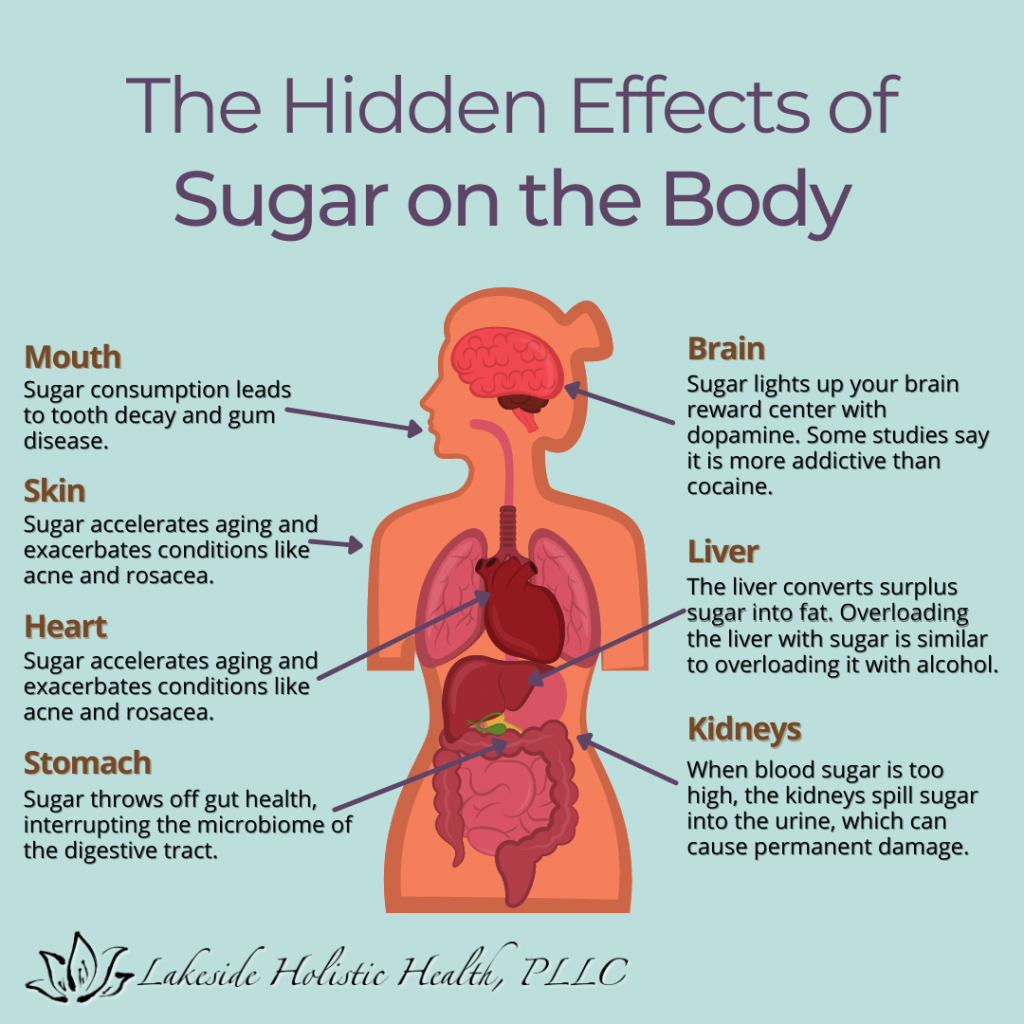
The most common type of peripheral neuropathy is diabetic neuropathy, caused by a high sugar level and resulting in nerve fiber damage in your legs and feet.


QUOTE FOR WEDNESDAY:

“For people who work the night shift, getting enough high quality sleep can be a significant challenge.

Night shifts often interfere with a person’s circadian rhythms, the 24-hour cycle that tells the body when it’s time to sleep or to be awake.  Trusted SourceUpToDateMore than 2 million healthcare providers around the world choose UpToDate to help make appropriate care decisions and drive better health outcomes. UpToDate delivers evidence-based clinical decision support that is clear, actionable, and rich with real-world insights.View Source Circadian rhythms synchronize with exposure to light, with darkness serving as a sleep cue and daylight signaling that it’s time to wake up.

For this reason, people who work night shifts often feel sleepy when they need to work and alert when they want to sleep. These challenges can have serious health and safety consequences, so it’s important for people who work night shifts to carefully plan their sleep schedules and adopt strategies to get the sleep they need.”

Sleep Foundation (The Best Sleep Schedule for Night Shift Workers | Sleep Foundation)