“Endometriosis Awareness takes place across the globe during the month of March (and beyond) with a mission to raise awareness of a disease which affects an estimated 176 million women worldwide.”
endometriosis.org
“Endometriosis Awareness takes place across the globe during the month of March (and beyond) with a mission to raise awareness of a disease which affects an estimated 176 million women worldwide.”
endometriosis.org
“Prothrombin (or factor II) deficiency is a blood disorder that affects the ability of the blood to clot properly. Symptoms of the deficiency include prolonged bleeding, especially after an injury or after surgery. Women with prothrombin deficiency may have heavy menstrual bleeding. The severity of the disease can vary, with some people experiencing severe bleeding without any known cause, and others only experiencing increased bleeding after a surgery or serious injury.””
NIH National Center for Advancing
CDC estimated there were:
Cases: 60.8 million cases (range: 43.3-89.3 million),
Hospitalized: 274,304 hospitalizations (range: 195,086-402,719)
Deaths: 12,469 deaths (range: 8868-18,306) in the United States due to the (H1N1)pdm09-.
Deaths: 5,617
Recovered: 73,731
From March 14, 2020 updated on Covid-19Corono Virus Cases:
Active Cases: 70,764
Closed Cases: 79,348
KNOW TOTAL IN AMERICA SO FAR IS: 2,340
TOTAL CASES IN CHINA IS: 80,824
THE REASON MEDIA SAYS DON’T PANIC. THE PRESIDENT AND GOVERNMENT ARE MAKING SURE STEPS ARE TAKEN TO PREVENT A DISASTER IN THE U.S.!
The coronavirus COVID-19 is affecting 149 countries and territories around the world and 1 international conveyance (the Diamond Princess cruise ship harbored in Yokohama, Japan).
| Country, Other |
Total Cases |
New Cases |
Total Deaths |
New Deaths |
Total Recovered |
Active Cases |
Serious, Critical |
Tot Cases/ 1M pop |
|---|---|---|---|---|---|---|---|---|
| China | 80,824 | +11 | 3,189 | +13 | 65,573 | 12,062 | 3,610 | 56.2 |
| Italy | 17,660 | 1,266 | 1,439 | 14,955 | 1,328 | 292.1 | ||
| Iran | 12,729 | +1,365 | 611 | +97 | 4,339 | 7,779 | 151.5 | |
| S. Korea | 8,086 | +107 | 72 | +5 | 714 | 7,300 | 59 | 157.7 |
| Spain | 6,023 | +791 | 191 | +58 | 517 | 5,315 | 272 | 128.8 |
| Germany | 3,953 | +278 | 8 | 46 | 3,899 | 9 | 47.2 | |
| France | 3,661 | 79 | 12 | 3,570 | 154 | 56.1 | ||
| USA | 2,340 | +93 | 51 | +2 | 49 | 2,240 | 10 | 7.1 |
| Switzerland | 1,375 | +236 | 13 | +2 | 4 | 1,358 | 158.9 | |
| UK | 1,140 | +342 | 21 | +10 | 18 | 1,101 | 20 | 16.8 |
| Norway | 1,035 | +39 | 1 | 1 | 1,033 | 27 | 190.9 | |
| Netherlands | 959 | +155 | 12 | +2 | 2 | 945 | 45 | 56.0 |
| Sweden | 948 | +134 | 2 | +1 | 1 | 945 | 2 | 93.9 |
| Denmark | 827 | +23 | 1 | 826 | 2 | 142.8 | ||
| Japan | 788 | +54 | 22 | +1 | 122 | 644 | 32 | 6.2 |
| Diamond Princess | 696 | 7 | 325 | 364 | 32 | |||
| Belgium | 689 | +130 | 4 | +1 | 1 | 684 | 24 | 59.4 |
| Austria | 655 | +151 | 1 | 6 | 648 | 1 | 72.7 | |
| Qatar | 337 | +17 | 337 | 117.0 | ||||
| Australia | 248 | +49 | 3 | 27 | 218 | 1 | 9.7 | |
| Malaysia | 238 | +41 | 35 | 203 | 4 | 7.4 | ||
| Finland | 225 | +70 | 1 | 224 | 40.6 | |||
| Singapore | 212 | +12 | 97 | 115 | 11 | 36.2 | ||
| Bahrain | 211 | +1 | 60 | 151 | 1 | 124.0 | ||
| Canada | 200 | +2 | 1 | 11 | 188 | 1 | 5.3 | |
| Greece | 190 | 3 | +2 | 2 | 185 | 2 | 18.2 | |
| Slovenia | 181 | +40 | 181 | 4 | 87.1 | |||
| Portugal | 169 | +57 | 2 | 167 | 10 | 16.6 | ||
| Israel | 164 | +21 | 4 | 160 | 3 | 18.9 | ||
| Iceland | 156 | +22 | 156 | |||||
| Brazil | 151 | 1 | 150 | 2 | 0.7 | |||
| Czechia | 150 | +9 | 150 | 2 | 14.0 | |||
| Hong Kong | 138 | +6 | 4 | 78 | 56 | 4 | 18.4 | |
| Philippines | 111 | +47 | 8 | +3 | 2 | 101 | 1 | 1.0 |
| Estonia | 109 | +30 | 109 | 82.2 | ||||
| Kuwait | 104 | +4 | 5 | 99 | 4 | 24.4 | ||
| Romania | 102 | +7 | 6 | 96 | 1 | 5.3 | ||
| Iraq | 101 | 10 | +1 | 24 | 67 | 2.5 | ||
| San Marino | 101 | +21 | 5 | 4 | 92 | 3 | ||
| Indonesia | 96 | +27 | 5 | +1 | 8 | 83 | 0.4 | |
| Lebanon | 93 | +16 | 3 | 1 | 89 | 3 | 13.6 | |
| Egypt | 93 | 2 | 27 | 64 | 0.9 | |||
| Poland | 93 | +25 | 2 | 91 | 3 | 2.5 | ||
| Ireland | 90 | 1 | 89 | 6 | 18.2 | |||
| Saudi Arabia | 86 | 1 | 85 | 2.5 | ||||
| UAE | 85 | 20 | 65 | 2 | 8.6 | |||
| India | 84 | +2 | 2 | 10 | 72 | 0.1 | ||
| Thailand | 82 | +7 | 1 | 35 | 46 | 1 | 1.2 | |
| Russia | 59 | +14 | 8 | 51 | 0.4 | |||
| Taiwan | 53 | +3 | 1 | 20 | 32 | 2.2 | ||
| Vietnam | 53 | +9 | 16 | 37 | 0.5 | |||
| Luxembourg | 51 | +13 | 1 | 50 | ||||
| Chile | 43 | 43 | 2.2 | |||||
| Serbia | 41 | +6 | 41 | 1 | 4.7 | |||
| Albania | 38 | +5 | 1 | 37 | 2 | 13.2 | ||
| Peru | 38 | 38 | 1.2 | |||||
| South Africa | 38 | +14 | 38 | 0.6 | ||||
| Palestine | 38 | +3 | 38 | 7.4 | ||||
| Algeria | 37 | +11 | 3 | +1 | 10 | 24 | 0.8 | |
| Croatia | 37 | +5 | 1 | 36 | 9.0 | |||
| Brunei | 37 | 37 | ||||||
| Panama | 36 | +9 | 1 | 35 | 8.3 | |||
| Argentina | 34 | 2 | 32 | 1 | 0.8 | |||
| Slovakia | 32 | 32 | 5.9 | |||||
| Bulgaria | 31 | 2 | +1 | 29 | 4.5 | |||
| Pakistan | 31 | +3 | 2 | 29 | 0.1 | |||
| Georgia | 30 | +5 | 30 | 1 | 7.5 | |||
| Belarus | 27 | 3 | 24 | 2.9 | ||||
| Latvia | 26 | +9 | 1 | 25 | 13.8 | |||
| Mexico | 26 | +11 | 4 | 22 | 1 | 0.2 | ||
| Costa Rica | 26 | +3 | 26 | 1 | 5.1 | |||
| Hungary | 25 | +6 | 1 | 24 | 2.6 | |||
| Ecuador | 23 | 1 | 22 | 1 | 1.3 | |||
| Colombia | 22 | +6 | 22 | 0.4 | ||||
| Senegal | 21 | 2 | 19 | 1.3 | ||||
| Cyprus | 21 | +7 | 21 | 17.4 | ||||
| Oman | 19 | 9 | 10 | 3.7 | ||||
| Bosnia and Herzegovina | 18 | 18 | 5.5 | |||||
| Malta | 18 | +6 | 1 | 17 | ||||
| Morocco | 17 | +10 | 1 | 1 | 15 | 1 | 0.5 | |
| Tunisia | 16 | 16 | 2 | 1.4 | ||||
| Azerbaijan | 15 | 1 | 3 | 11 | 1.5 | |||
| Armenia | 15 | +7 | 15 | 5.1 | ||||
| North Macedonia | 13 | 1 | 12 | 6.2 | ||||
| Dominican Republic | 11 | +6 | 11 | 1.0 | ||||
| Afghanistan | 10 | +3 | 10 | 0.3 | ||||
| Macao | 10 | 10 | 0 | |||||
| Sri Lanka | 10 | +4 | 1 | 9 | 0.5 | |||
| Bolivia | 10 | 10 | 0.9 | |||||
| Maldives | 10 | +1 | 10 | |||||
| Faeroe Islands | 9 | +6 | 9 | |||||
| Lithuania | 8 | +2 | 8 | 2.9 | ||||
| Jamaica | 8 | 8 | 2.7 | |||||
| Cambodia | 7 | 1 | 6 | 0.4 | ||||
| Paraguay | 7 | +1 | 7 | 1 | 1.0 | |||
| New Zealand | 6 | 6 | 1.2 | |||||
| French Guiana | 6 | 6 | ||||||
| Kazakhstan | 6 | +2 | 6 | 0.3 | ||||
| Martinique | 6 | +3 | 6 | |||||
| Moldova | 6 | 6 | 1.5 | |||||
| Réunion | 5 | 5 | ||||||
| Turkey | 5 | 5 | 0.1 | |||||
| Cuba | 4 | 4 | 0.4 | |||||
| Liechtenstein | 4 | 4 | ||||||
| Uruguay | 4 | 4 | 1.2 | |||||
| Ukraine | 3 | 1 | 2 | 0.1 | ||||
| Bangladesh | 3 | 2 | 1 | |||||
| Channel Islands | 3 | 3 | ||||||
| French Polynesia | 3 | 3 | ||||||
| Puerto Rico | 3 | 3 | 1.0 | |||||
| Monaco | 2 | 2 | ||||||
| Nigeria | 2 | 2 | ||||||
| Aruba | 2 | 2 | ||||||
| Burkina Faso | 2 | 2 | 0.1 | |||||
| Cameroon | 2 | 2 | 0.1 | |||||
| DRC | 2 | 2 | ||||||
| Ghana | 2 | 2 | 0.1 | |||||
| Honduras | 2 | 2 | 0.2 | |||||
| Namibia | 2 | +2 | 2 | 0.8 | ||||
| Saint Martin | 2 | 2 | ||||||
| Trinidad and Tobago | 2 | +1 | 2 | 1.4 | ||||
| Venezuela | 2 | 2 | 0.1 | |||||
| Guyana | 1 | 1 | 0 | |||||
| Sudan | 1 | 1 | 0 | |||||
| Andorra | 1 | 1 | ||||||
| Jordan | 1 | 1 | 0 | 0.1 | ||||
| Nepal | 1 | 1 | 0 | |||||
| Antigua and Barbuda | 1 | 1 | ||||||
| Bhutan | 1 | 1 | ||||||
| Cayman Islands | 1 | 1 | ||||||
| Ivory Coast | 1 | 1 | ||||||
| Curaçao | 1 | 1 | ||||||
| Ethiopia | 1 | 1 | ||||||
| Gabon | 1 | 1 | 0.4 | |||||
| Gibraltar | 1 | 1 | 0 | |||||
| Guadeloupe | 1 | 1 | ||||||
| Guatemala | 1 | 1 | 0.1 | |||||
| Guinea | 1 | 1 | 0.1 | |||||
| Vatican City | 1 | 1 | ||||||
| Kenya | 1 | 1 | ||||||
| Mauritania | 1 | 1 | 0.2 | |||||
| Mongolia | 1 | 1 | 0.3 | |||||
| Rwanda | 1 | +1 | 1 | 0.1 | ||||
| St. Barth | 1 | 1 | ||||||
| Saint Lucia | 1 | 1 | ||||||
| St. Vincent Grenadines | 1 | 1 | ||||||
| Suriname | 1 | 1 | ||||||
| Eswatini | 1 | +1 | 1 | 0.9 | ||||
| Togo | 1 | 1 | 0.1 | |||||
| U.S. Virgin Islands | 1 | +1 | 1 | |||||
| Total: | 150,112 | 4,641 | 5,617 | 201 | 73,731 | 70,764 | 5,708 | 19.3 |
“Factor V (FV) deficiency was first described in a Norwegian patient in 1943 and reported by Dr. Paul Owren in 1947. Its incidence is about 1 in 1 million; fewer than 200 cases have been documented worldwide. It should not be confused with factor V Leiden, a clotting disorder.
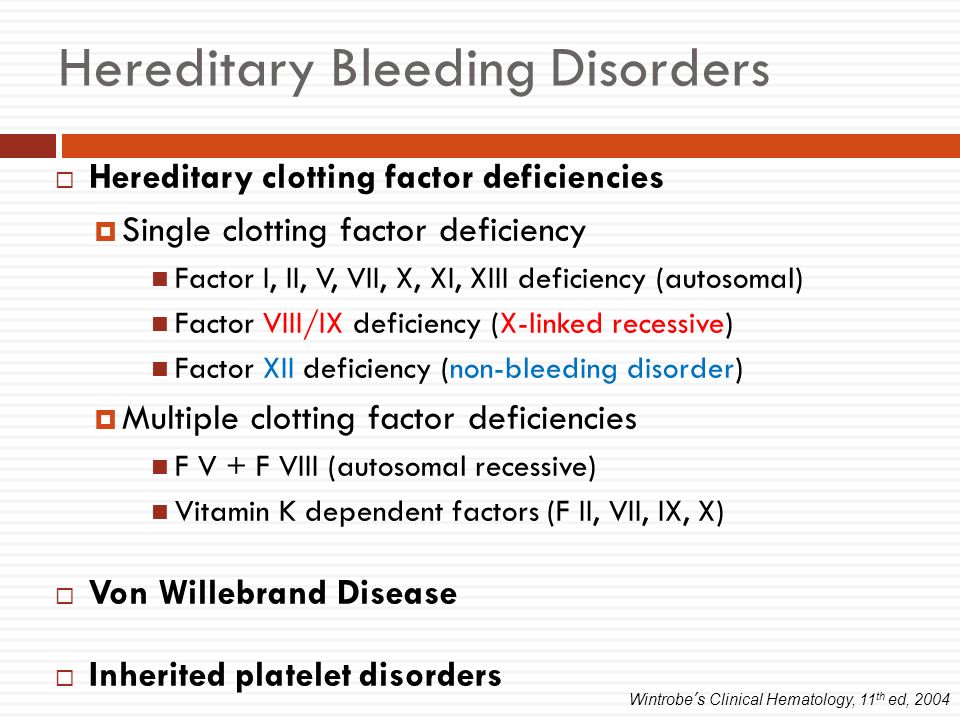
The FV protein is a catalyst, accelerating the process by which prothrombin is converted to thrombin, the initial step in clot formation. FV deficiency is usually inherited in an autosomal recessive fashion, meaning both parents must carry the gene to pass it on to their children; it affects men and women equally.”
National Hemophilia Foundation
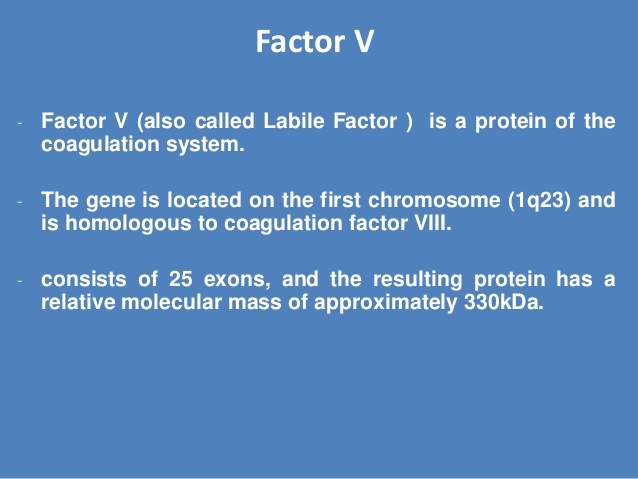
Factor V (FV) deficiency was first described in a Norwegian patient in 1943 and reported by Dr. Paul Owren in 1947. Its incidence is about 1 in 1 million; fewer than 200 cases have been documented worldwide. It should not be confused with factor V Leiden, a clotting disorder.
The FV protein is a catalyst, accelerating the process by which prothrombin is converted to thrombin, the initial step in clot formation. FV deficiency is usually inherited in an autosomal recessive fashion, meaning both parents must carry the gene to pass it on to their children; it affects men and women equally.
Common characteristics of FV deficiency are bruising, bleeding under the skin, and nose, gum and mouth bleeds. Babies with severe FV deficiency are at increased risk of intracranial hemorrhage, or bleeding in the brain. People with severe FV deficiency can also experience bleeding in the lungs and gastrointestinal tract, which can be life threatening. Women frequently have menorrhagia, long, heavy periods.
Diagnosis is made through activated partial thromboplastin time (aPTT) test, prothrombin time (PT) test and thrombin clotting time (TCT) test. Diagnosis can be confirmed with a factor V assay. Factor V is found in both plasma and platelets, so platelet function may be affected.
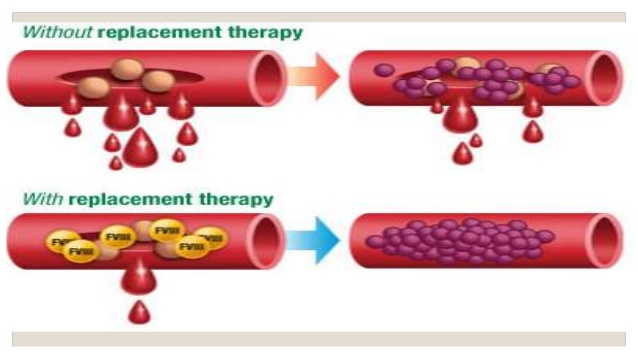
Fresh frozen plasma (FFP) is the only treatment available, as no commercially available factor V concentrate exists. In acute cases of severe bleeding, the addition of platelet concentrates may be needed. Solvent-detergent FFP may contain a more reliable level of FV than standard FFP.
Combined factor VIII (FVIII) and factor V deficiency is a very rare disorder, found in fewer than 100 patients from 60 families worldwide, mostly in Iran, Israel and Italy. Most cases are mild to moderate. Symptoms can include frequent nosebleeds, easy bruising, and excessive bleeding after injury or surgery. Women can experience menorrhagia and postpartum hemorrhage. Treatment includes fresh frozen plasma. In some cases, bleeds may be treated with FVIII concentrates and desmopressin acetate, the synthetic version of the hormone vasopressin.
“Von Willebrand disease (VWD) is a genetic disorder caused by missing or defective von Willebrand factor (VWF), a clotting protein. VWF binds factor VIII, a key clotting protein, and platelets in blood vessel walls, which help form a platelet plug during the clotting process. Von Willebrand disease is a lifelong bleeding disorder in which your blood doesn’t clot well=Bleeding.”
MAYO Clinic
“Chronic kidney disease (CKD) is a condition characterized by a gradual loss of kidney function over time. Chronic kidney disease includes conditions that damage your kidneys and decrease their ability to keep you healthy by doing its functions. If kidney disease gets worse, wastes can build to high levels in your blood and make you feel sick. You may develop complications like high blood pressure, anemia (low blood count), weak bones, poor nutritional health and nerve damage. Also, kidney disease increases your risk of having heart and blood vessel disease.”
National Kidney Foundation
“Acute kidney injury (AKI) is a sudden episode of kidney failure or kidney damage that happens within a few hours or a few days. AKI causes a build-up of waste products in your blood and makes it hard for your kidneys to keep the right balance of fluid in your body. AKI can also affect other organs such as the brain, heart, and lungs. Acute kidney injury is common in patients who are in the hospital, in intensive care units, and especially in older adults.”
National Kidney Foundation (www.kidney.org)
“Most people know that a major function of the kidneys is to remove waste products and excess fluid from the body. These waste products and excess fluid are removed through the urine. The production of urine involves highly complex steps of excretion and re-absorption. This process is necessary to maintain a stable balance of body chemicals.”
National Kidney Foundation (www.kidney.org)
“Brain Injury Awareness Month, observed each March, was established 3 decades ago to educate the public about the incidence of brain injury and the needs of persons with brain injuries and their families (1). Caused by a bump, blow, or jolt to the head, or penetrating head injury, a traumatic brain injury (TBI) can lead to short- or long-term changes affecting thinking, sensation, language, or emotion.
A report in this issue of MMWR found that during 2010–2016, nearly 2 million children had a TBI-related emergency department visit because of sports- and recreation-related activities (2). TBIs associated with football, bicycling, playground activities, basketball, and soccer contributed to the majority of these visits (2).”
Centers for Disease Control Prevention/Brain Injury Association