Archives

Corona VIrus

Coronaviruses (CoV) are a large family of viruses that cause illness ranging from the common cold to more severe diseases such as Middle East Respiratory Syndrome (MERS-CoV) and Severe Acute Respiratory Syndrome (SARS-CoV). A novel coronavirus (nCoV) is a new strain that has not been previously identified in humans.

Coronaviruses are zoonotic, meaning they are transmitted between animals and people.  Detailed investigations found that SARS-CoV was transmitted from civet cats to humans and MERS-CoV from dromedary camels to humans. Several known coronaviruses are circulating in animals that have not yet infected humans.

Common signs of infection include respiratory symptoms, fever, cough, shortness of breath and breathing difficulties. In more severe cases, infection can cause pneumonia, severe acute respiratory syndrome, kidney failure and even death.

Standard recommendations to prevent infection spread include regular hand washing, covering mouth and nose when coughing and sneezing, thoroughly cooking meat and eggs. Avoid close contact with anyone showing symptoms of respiratory illness such as coughing and sneezing.

The SARS-CoV-2 virus is a betacoronavirus, like MERS-CoV and SARS-CoV. All three of these viruses have their origins in bats; but also SARS-CoV is transmitted from civet cats to humans.  Commonly called civet cats, civets are not cats. In fact, they are more closely related to mongooses than they are to cats.  The sequences from U.S. patients are similar to the one that China initially posted, suggesting a likely single, recent emergence of this virus from an animal reservoir.

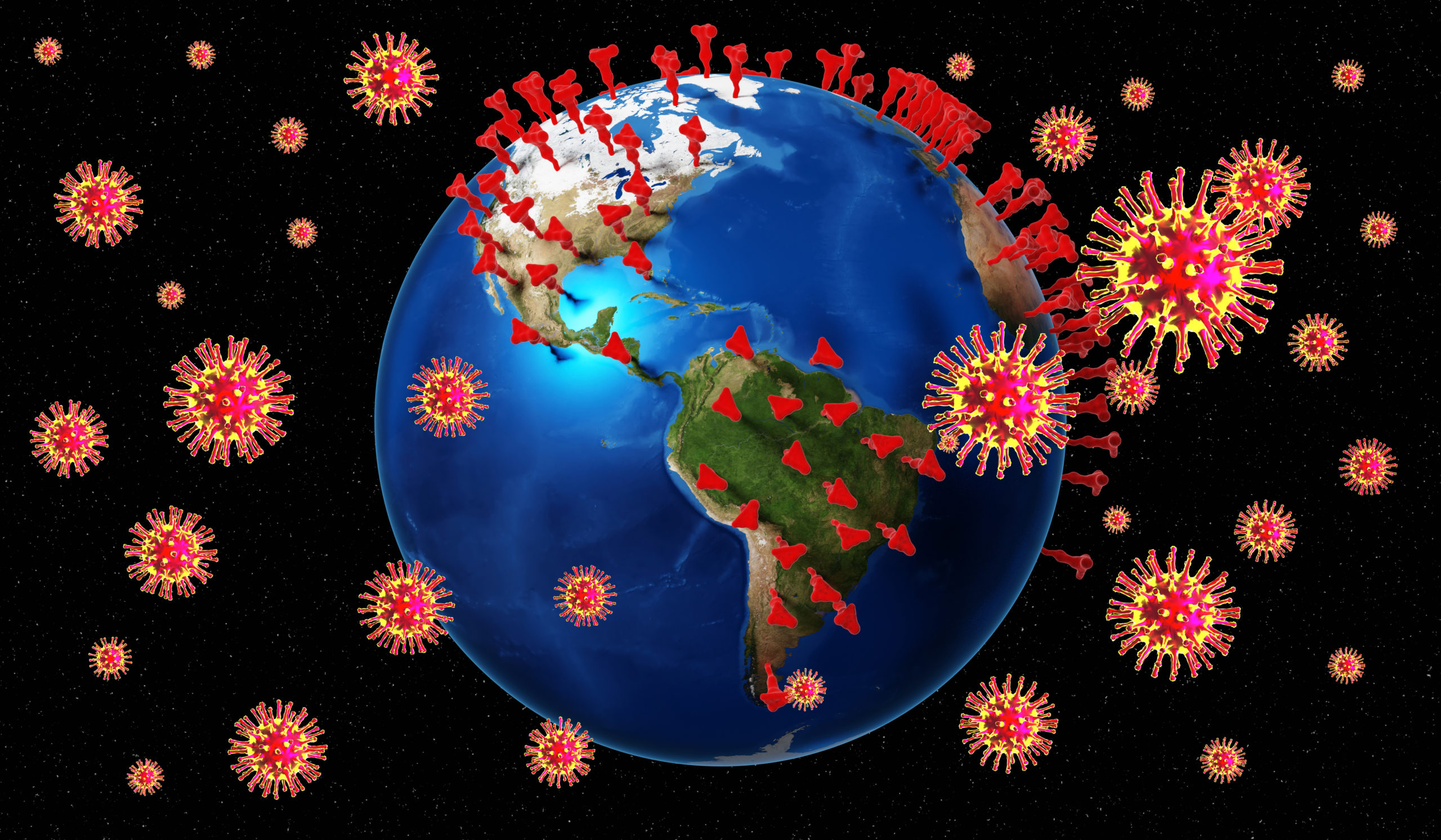
CDC is closely monitoring an outbreak of respiratory illness caused by a novel (new) coronavirus. The outbreak first started in Wuhan, China, but cases have been identified in a growing number of other international locations, including the United States.

Most Important to know is standard recommendations to prevent infection spread include regular hand washing, covering mouth and nose when coughing and sneezing, thoroughly cooking meat and eggs. Avoid close contact with anyone showing symptoms of respiratory illness such as coughing and sneezing.


QUOTE ON THE WEEKEND:

Every day, seven out of 10 deaths are caused by chronic diseases. Studies show that preventable chronic conditions cost the U.S. nearly $347 billion in 2010. It is a crisis that consumes 86 percent of our nation’s total health care expenditures. The daily toll is alarming, costly, and most importantly, preventable

NCBI

QUOTE FOR THE FRIDAY:

Viruses are tinier than bacteria. … All viruses have is a protein coat and a core of genetic material, either RNA or DNA. Unlike bacteria, viruses can’t survive without a host. They can only reproduce by attaching themselves to cells.  Remember antibiotics are only good in treating bacterial infections.”

MAYO CLINIC

QUOTE FOR THURSDAY:

“Dogs provide many important psychological and physical benefits for their owners, and are positive sources of social support, as well as motivating people to get out and exercise more. Exercise boosts energy levels, quality of sleep, self-esteem, and general mood, as well as reducing the risk of major illnesses (including depression) and chronic diseases. Dog ownership is also proven to help build immunity to germs and reduce the development of allergies; a recent study showed that the risk of eczema for children at 4 years old is significantly reduced if a dog lives in the house.”

Companions for Heroes

QUOTE FOR WEDNESDAY:

“Zika virus disease is caused by a virus transmitted primarily by Aedes mosquitoes, which bite during the day. Symptoms are generally mild and include fever, rash, conjunctivitis, muscle and joint pain, malaise or headache. Symptoms typically last for 2–7 days.”

World Health Organization

QUOTE FOR TUESDAY:

Erectile dysfunction (ED) is the inability to get or keep an erection firm enough to have sexual intercourse. It’s sometimes referred to as impotence, although this term is now used less often. Occasional ED isn’t uncommon. Many men experience it during times of stress.”

Healthline.com

QUOTE FOR MONDAY:

“Condomology is an ASHA program to ensure that the facts about condoms are available and understood by all so consumers can make informed choices about their sexual health.”

American Sexual Health Association (ashasexualhealth.org)

QUOTE FOR THE WEEKEND:

“Nearly 21 million Americans in the United States have diabetes, a disease that makes the body less able to convert sugar to energy. More than 6 million of these people don’t even know they have it. Most people with diabetes have Type 2, which is linked to lack of exercise and being overweight. Over time, this can damage organs, including the brain. Scientists are finding more evidence that could link Type 2 diabetes with Alzheimer’s disease, the most common form of dementia and the seventh leading cause of death in the United States.”

Alzheimer’s Association (alz.org)

QUOTE FOR FRIDAY:

“Irritable bowel syndrome (IBS) is a group of symptoms that occur together, including repeated pain in your abdomen and changes in your bowel movements, which may be diarrhea, constipation, or both. With IBS, you have these symptoms without any visible signs of damage or disease in your digestive tract.  IBS is a functional gastrointestinal (GI) disorder.”

NIH National Institute of Diabetes and Digestive and Kidney Diseases

Irritable Bowel Syndrome

Irritable bowel syndrome (IBS) is a common disorder that affects the large intestine (colon). Irritable bowel syndrome commonly causes cramping, abdominal pain, bloating, gas, diarrhea and constipation. IBS is a chronic condition that you will need to manage long term.

Even though signs and symptoms are uncomfortable, IBS — unlike ulcerative colitis and Crohn’s disease, which are forms of inflammatory bowel disease — doesn’t cause changes in bowel tissue or increase your risk of colorectal cancer.

Only a small number of people with irritable bowel syndrome have severe signs and symptoms. Some people can control their symptoms by managing diet, lifestyle and stress. Others will need medication and counseling.

The signs and symptoms of irritable bowel syndrome can vary widely from person to person and often resemble those of other diseases. Among the most common are:

  • Abdominal pain or cramping
  • A bloated feeling
  • Gas
  • Diarrhea or constipation — sometimes alternating bouts of constipation and diarrhea
  • Mucus in the stool
  • For most people, IBS is a chronic condition, although there will likely be times when the signs and symptoms are worse and times when they improve or even disappear completely.

When to see a doctor:

Although as many as 1 in 5 American adults has signs and symptoms of irritable bowel syndrome, fewer than 1 in 5 who have symptoms seek medical help. Yet it’s important to see your doctor if you have a persistent change in bowel habits or if you have any other signs or symptoms of IBS because these may indicate a more serious condition, such as colon cancer.

Symptoms that may indicate a more serious condition or tell your MD stat; even call 911:

  • Rectal bleeding
  • Abdominal pain that progresses or occurs at night
  • Weight loss

Causes of IBS:

The exact cause  of irritable bowel syndrome (IBS) has not been determined, although there are several theories. One theory is that IBS may be an immune disorder, or one in which the intestines of the affected person are highly sensitive in responding to stress and bacteria. Certain foods are thought to trigger IBS flare-ups, including dairy products and gluten, which is present in wheat, barley and rye.

The epithelial layer, or lining, of the large intestine controls the amount of fluid in the bowel. In IBS, there appears to be a disruption in the function of fluid absorption. This can result in excessive fluid in the colon, which causes diarrhea and watery stools. Or, if the lining of the colon absorbs too much fluid from the colon contents, the stool may become dry, leading to constipation.