Archives

ALS Awareness Month-What it is, how its diagnosed and the signs/symptoms!


What is ALS amyotrophic lateral sclerosis?

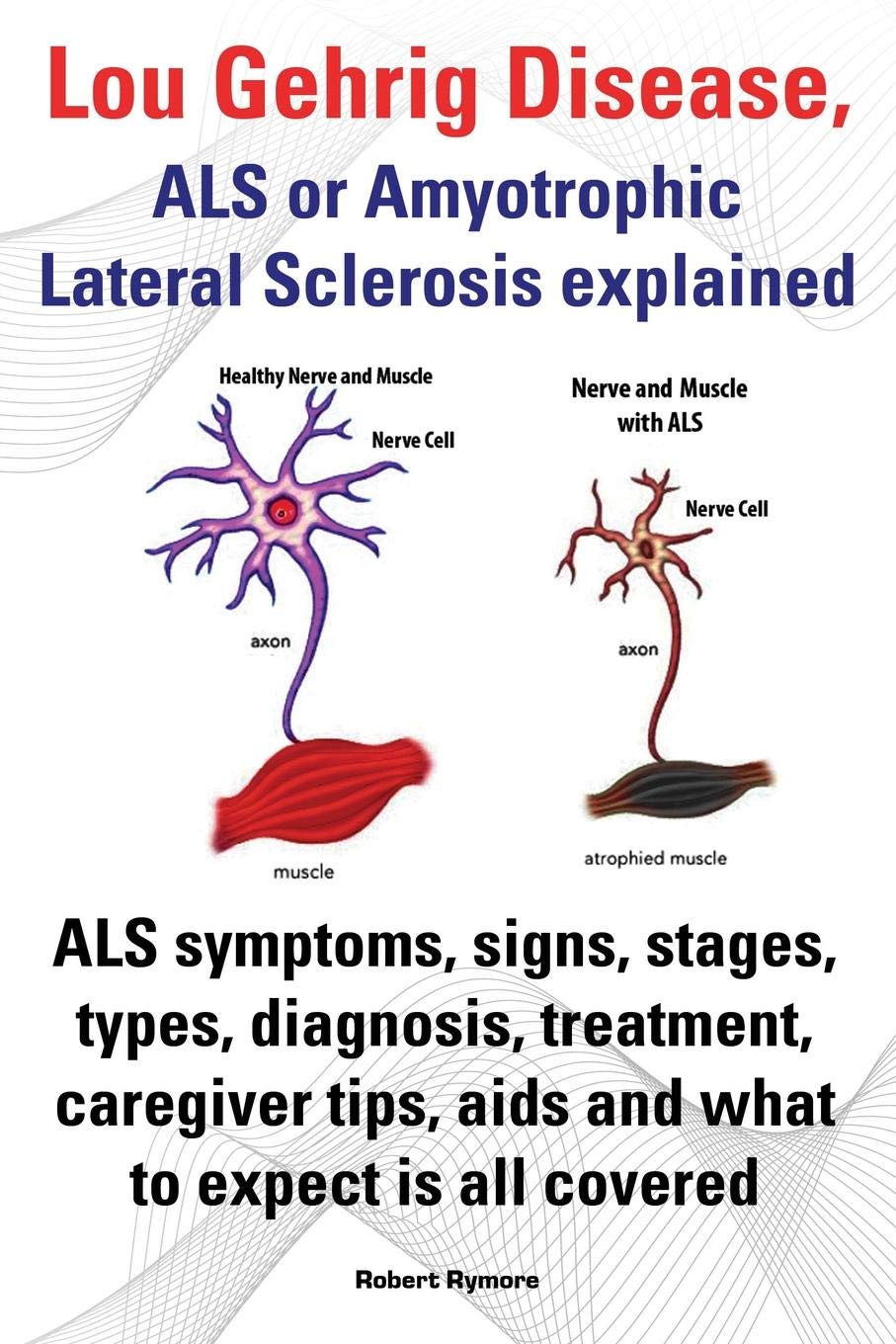
It is a rare neurological disease affecting nerve cells that control voluntary muscle movement.  Amyotrophic Lateral Sclerosis or ALS, more commonly known as Lou Gehrig’s disease, is a terminal and progressive motor neuron disease. ALS specifically targets and kills the motor neurons responsible for controlling the vast majority of skeletal muscles in the human body, which eventually leads to respiratory failure and death.

Individuals with ALS experience a degeneration of their motor neurons, which causes the muscles to stop receiving the signals needed to function. After a certain time, the brain completely loses its ability to control voluntary movements, hence, people with ALS are unable to walk, move, or even breathe properly.

ALS belongs to, and is perhaps the most common example of, a group of neurological disorders known as Motor Neuron Diseases.  These diseases affect the body by causing the death of millions of neurons found in the motor cortex of the brain as well as the spinal cord. These nerve cells are directly responsible for the regulation and control of skeletal muscle function.

How ALS is diagnosed:

Considering the damage ALS can do, it became essential to spread the message regarding the disease so that people could treat it at an early stage. Though there is no cure for ALS but early detection can help in improving the quality of life of those with the disease. 

The signs and symptoms of this diagnosis:

1-Fatigue

A positive diagnosis of ALS is based primarily on a patient’s symptomatology.  Unfortunately there is no test that can currently provide a more conclusive assessment.

There are many diseases whose symptoms resemble those observed in patients with ALS. Therefore, diseases such as cervical osteoarthritis, cervical hernias that compress the spinal cord, heavy metal poisoning, and some infectious diseases such as Lyme disease or syphilis, can delay a correct diagnosis of ALS immediately.

As such, when ALS is suspected, it is common practice to rule out other diseases through a variety of tests including but not limited to lumbar punctures, MRIs, and electromyographic studies. In some cases, it might be necessary to perform a biopsy of muscle tissue in order to assuage any remaining doubts.

Often, the earliest symptoms of ALS are ignored or outright dismissed. Therefore, better understand this disease’s signs and symptoms.

2-Loss of strength

Pt’s with ALS eventually lose the ability to control all voluntary movement. During the progression of the disease, which typically lasts for several years, patients will experience a cumulative loss of muscle strength.

In most cases, the first muscles affected by the disease are those of the arms and legs which results in patients experiencing awkwardness when walking or moving about, an increased propensity for stumbling or tripping, and difficulty performing everyday tasks especially fine motor tasks like texting on the phone, typing, and even tying shoe or sneaker laces.

3-Muscle Atrophy

This is when the muscle actually deteriorates and muscle is lost.  Leading to muscle dystrophy,in the specific case of ALS, it occurs due to a dramatic reduction in the connection between nerves and muscle fibers caused by the death of motor neurons.  It often culminates to paresthesia to partial or total paralysis.

4-Fasciculations

Fasciculations are slight and involuntary muscular contractions that occur underneath the skin, but that do not produce any observable limb movement. Fasciculations are visible to the naked eye and are sometimes described as looking like small worms are moving within the muscle. These contractions occur because of spontaneous nerve discharges that fire within clumps of skeletal muscle fibers.  They can occur due to damage present in the lower motor neurons. They could be considered an early warning sign of the possible onset of ALS.

5-Cramps

Muscle cramps are highly common in patients who have ALS, and their incidence increases as the disease progresses. These sustained involuntary contractions of the muscles are typically accompanied by palpable contractures, can last anywhere from 30 to 45 seconds, and tend to be extremely painful.  Spasticity could develop and may not allow certain movements as a consequence of cramps;  in which antagonistic muscle groups participate.

Other Symptoms include:

  • Tripping and falling
  • Hand weakness or clumsiness
  • Slurred speech or trouble swallowing
  • twitching in your arms, shoulders and tongue
  • Inappropriate crying, laughing or yawning
  • Cognitive and behavioral changes

QUOTE FOR WEDNESDAY:

“There’s no cure for celiac disease — but for most people, following a strict gluten-free diet can help manage symptoms and promote intestinal healing.  There are things that you can do and mainly one intervention is in your diet!”

MAYO CLINIC

QUOTE FOR TUESDAY:

“Celiac disease is a chronic digestive and immune disorder that damages the small intestine. The disease is triggered by eating foods containing gluten. Gluten is a protein found naturally in wheat, barley, and rye, and is common in foods such as bread, pasta, cookies, and cakes. Many products contain gluten, such as prepackaged foods, lip balms and lipsticks, toothpastes, vitamin and nutrient supplements, and, rarely, medicines.

Celiac disease can be serious. The disease can cause long-lasting digestive problems and keep your body from getting all the nutrients it needs. Celiac disease can also affect the body outside the small intestine.”

NIH National Institute of Diabetes and Digestive and Kidney Diseases

QUOTE FOR MONDAY:

“Coffee is loaded with antioxidants and offers many benefits.  Notably, coffee drinkers have a lower risk of serious diseases, such as type 2 diabetes and Parkinson’s..  At the same time, the creamers, syrups, additives, and sugars that are frequently added to coffee are highly unhealthy.  These products are just as harmful as any other sugar-sweetened beverage.   Pizza is one of the world’s most popular junk foods.  Most commercial pizzas are made with unhealthy ingredients, including highly refined dough and heavily processed meat. Pizza also tends to be extremely high in calories.”

healthline.com

Part III Foods bad in our diet and to avoid (on a routine basis)

Processed Meat

Even though unprocessed meat can be healthy and nutritious, the same is NOT true for processed meats.

Studies show that people who eat processed meats have a higher risk of many serious diseases, including colon cancer, type 2 diabetes and heart disease.

Most of these studies are observational in nature, so they can not prove that the processed meat caused the diseases.

However, the statistical link is strong and consistent among studies, so I do believe there is something to it.

Alternatives: If you want to eat bacon, sausages, pepperoni and other “processed” meats, then choose wisely and try to buy them locally from sellers who don’t add a lot of unhealthy ingredients. Quality counts.

Processed Cheese

Regular cheese is healthy.

It is loaded with nutrients, and a single slice of cheese contains all the same nutrients as an entire glass of milk.

However, processed cheese products are nothing like regular cheese. They are mostly made with filler ingredients that are combined and engineered to have a similar look and texture as cheese.

Cheese is healthy, but processed cheese is not. Read labels, and make sure that the cheese you’re eating is actually cheese.

Alternatives: Eat real cheese instead.

Most Fast Food Meals

Generally speaking, “fast food” chains serve only junk foods.

The majority of the food they offer is mass-produced, highly engineered junk food with very little nutritional value.

These places are often very cheap, but keep in mind that junk food costs you twice.

For every penny you save there, chances are that it’s going to cost you many times more in the future. Poor health is expensive (obesity, diabetes, hearth disease, hypertension, most I go on).

Alternatives: Fortunately, all sorts of healthy fast food places have started to appear. Chipotle is one great example.

High-Calorie “Coffee” drinks

Coffee has been unfairly demonized.

It is actually very healthy, and loaded with antioxidants.

Studies also show that coffee drinkers have a lower risk of serious diseases, like type 2 diabetes and Parkinson’s.

Unfortunately, stuff is sometimes added to coffee that turns this wonderful beverage into harmful sludge.

If your “coffee” has a ton of artificial creamer and sugar, then it is NOT good for you.

It is loaded with liquid, empty calories, and will be just as unhealthy as any other sugar-sweetened beverage.

Alternatives: Drink plain coffee instead. Black is best, but small amounts of heavy cream or full-fat milk are fine as well.

Anything That is High in Sugar, Refined Grains and Vegetable Oils

One of the most important things you can do to eat healthier, is to read labels.

It is important to avoid (or at least minimize) foods that contain:

  • Added sugar (and high fructose corn syrup).
  • Refined grains like white flour.
  • Industrial vegetable oils.
  • Artificial trans fats.

These are some of the unhealthiest (and most common) ingredients in the modern diet.

The importance of reading labels can not be overstated, and this applies to all foods, even so-called health foods.

Most Highly Processed Foods

By far the simplest way to eat healthy and lose weight, is to avoid processed foods as much as possible.

Put simply, if it looks like it was made in a factory, then it’s probably bad for you.

A good rule to remember, is that real food doesn’t need an ingredients list, because real food IS the ingredient.

QUOTE FOR THE WEEKEND:

“You should limit your sugar intake no matter what, but especially if you have arthritis.  Ultra-processed items like fast food, breakfast cereal, and baked goods are typically high in refined grains, added sugar, preservatives, and other potentially inflammatory ingredients, all of which may worsen arthritis symptoms.  As alcohol may worsen arthritis symptoms, anyone with inflammatory arthritis should restrict or avoid it.”

healthline.com

QUOTE FOR FRIDAY:

“Cookies, cakes, ice cream, pastries and other sweets are unhealthy foods that tend to be high in cholesterol, as well as added sugars, unhealthy fats and calories. Frequently indulging in these foods can negatively impact overall health and lead to weight gain over time.”

Healthline.com

QUOTE FOR THURSDAY:

“In ancient times, asparagus was renowned as an aphrodisiac, and maybe for good reason. This succulent, savory vegetable contains a stimulating blend of nutrients that help boost energy, cleanse the urinary tract and neutralize excess ammonia, which can cause fatigue and sexual disinterest.Asparagus is extremely low in calories at about 20 per serving (five spears), has no fat, and is low in sodium.  Plus the vegetable contains the amino acid asparagine, which is important in the development and function of the brain, according to a study published in 2013 in the journal Neuron. Asparagus is high in anti-inflammatory nutrients.”

LIVESCIENCE

QUOTE FOR WEDNESDAY:

“Hepatitis C is a viral infection that causes liver inflammation, sometimes leading to serious liver damage. The hepatitis C virus (HCV) spreads through contaminated blood. The largest group at risk includes everyone born between 1945 and 1965 — a population five times more likely to be infected than those born in other years.”

MAYO CLINIC

QUOTE FOR MONDAY:

“When you stay awake all night or otherwise go against natural light cycles, your health may suffer. Long-term disruption of circadian rhythms has been linked to obesity, diabetes, and other health problems related to the body’s metabolism.  Further research is needed to better understand the role of these metabolic pathways in obesity, diabetes, and other medical conditions for which shift workers are at increased risk.”.

National Institute of Health (NIH) by Geri Piazzi