Archives

QUOTE FOR THE WEEKEND:

“Ticks are most active in the spring in most climates, but they do not disappear in the fall. Fall is often the time of year pet parents find the most ticks. This is due to ticks settling into fall foliage for a nice, cozy winter.  Remember the fall is right around the corner!  Ticks are not just a summer problem. While some types of ticks may slow down when it gets colder, others are just getting started. A lot of the risk depends on the species of ticks you are dealing with, and your region of the country. Simply put, ticks should be considered as a year-round health threat, with autumn being a major tick season.”

PetHealthNetwork

QUOTE FOR FRIDAY:

“Aortic aneurysms can be hard to find because early symptoms often don’t exist. It’s only until the blood vessel ruptures that symptoms appear.  Most aneurysms come with few warnings signs until tearing or rupturing occurs.   Although aneurysms contribute to more than 25,000 deaths in the United States each year, it’s actually possible to live with and successfully treat an aortic aneurysm.  Early detection is vital, however.”.

Penn Medicine

QUOTE FOR THURSDAY:

“On Sept. 12, 2003 — Popular TV and movie star John Ritter had died from an undetected flaw in his heart called an aortic dissection. An aortic aneurysm is an abnormal bulge that occurs in the wall of the major blood vessel (aorta) that carries blood from your heart to your body. Aortic aneurysms can occur anywhere in your aorta and may be tube-shaped (fusiform) or round (saccular). Aortic aneurysms include: Abdominal aortic aneurysm.  The aortic bifurcation is the point at which the abdominal aorta bifurcates (forks) into the left and right common iliac arteries. External iliac artery supplies the part of the abdominal wall and the lower limb. It has three major branches: inferior epigastric, deep circumflex iliac and femoral arteries.“
MAYO CLINIC

QUOTE FOR WEDNESDAY:

“Dry skin, itching, bruises, wrinkles, age spots, skin tags, skin cancer, and more can all happen to your skin as you get older. Your skin is the largest organ in the body, and it’s valuable to take the proper steps to keep your skin healthy. “

Dermatology Center (https://www.wvdermcenter.com)

QUOTE FOR TUESDAY:

“Menopause is a point in time 12 months after a woman’s last period. The years leading up to that point, when women may have changes in their monthly cycles, hot flashes, or other symptoms, are called the menopausal transition, or perimenopause.

The menopausal transition most often begins between ages 45 and 55. It usually lasts about 7 years but can last as long as 14 years. During the menopausal transition, the body’s production of estrogen and progesterone, two hormones made by the ovaries, varies greatly. Bones become less dense, making women more vulnerable to fractures. During this period, too, the body begins to use energy differently, fat cells change, and women may gain weight more easily.”

NIH National Institute on Aging

QUOTE FOR MONDAY:

“The call for articles on the long term health effects of the 11 September 2001 terrorist attacks (9/11) has resulted in twenty-three papers that add a significant amount of information to the growing body of research on the effects of the World Trade Center (WTC) disaster almost two decades later. The attacks on 9/11 were a paradigm altering event in US history and have had major repercussions in the political landscape and response to terrorism. The toll of 9/11 includes the continued impact of accumulated health effects among those who were directly exposed to either the air pollution or re-suspended material that resulted from the collapse of the two WTC towers, and physical injuries or psychological trauma. This includes a wide range of physical and mental health disorders that continue to plague thousands of people 20 years later as well as newly identified conditions emerging as a result of prolonged disease latency.  Respiratory and lung problems are among the most prevalent and highly persistent physical health problems arising from 9/11 exposure to dust clouds from the collapsing building and the subsequent re-suspension of dust ”

U.S. Library of Medicine/National Institute of Health


QUOTE FOR THE WEEKEND:

“Idiopathic thrombocytopenic purpura (ITP) is the condition of having a low platelet count (thrombocytopenia) of no known cause (idiopathic).  Although most cases are asymptomatic, very low platelet counts can lead to a bleeding.Detection of antiplatelet antibodies in the blood is considered to confirm the diagnosis of ITP.[] Treatment should be restricted to those patients with moderate or severe thrombocytopenia who are bleeding or at risk of bleeding. It should be limited in duration unless demonstrated that symptomatic thrombocytopenia persists. Patients with mild, asymptomatic thrombocytopenia, discovered incidentally on a routine blood count, should not be treated.”.

NCBI (U.S. Narional Library of Medicine/National Institute of Health)

Part II ITP Awareness Month

COMPLICATIONS:

-A rare complication of ITP, bleeding into the brain, which can be fatal.

-Pregnancy

In pregnant women with ITP, the condition doesn’t usually affect the baby. But the baby’s platelet count should be tested soon after birth.

If you’re pregnant and your platelet count is very low or you have bleeding, you have a greater risk of heavy bleeding during delivery.

DIAGNOSIS:

1.  M.D. will exclude other possible causes of bleeding and a low platelet count, such as an underlying illness or medications being the cause of low platelet count, not ITP.

2. Take a history of the child or adult, including their family.

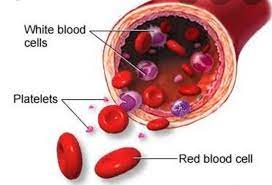
3. Complete blood count (CBC).  Looks at red blood, white blood and platelet cells counts.

4 Blood smear. This test is often used to confirm the number of platelets observed in a complete blood count.

5.Bone marrow exam. This test may be used to help identify the cause of a low platelet count, though the American Society of Hematology doesn’t recommend this test for children with ITP.  All cells (platelets) are produced in the bone marrow.  Bone marrow will be normal because a low platelet count is caused by the destruction of platelets in the bloodstream and spleen — not by a problem with the bone marrow.

TREATMENT:

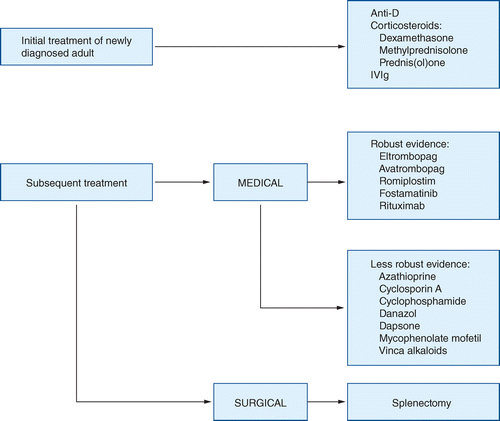
People with mild idiopathic thrombocytopenic purpura may need nothing more than regular monitoring and platelet checks. Children usually improve without treatment. Most ITP adults will eventually need treatment as it gets worse or becomes chronic.

1-The M.D will stop any meds that inhibit platelet production=Anti-platelet Meds (Ex. aspirin, ibuprofen (Advil, Motrin IB, others), ginkgo biloba and warfarin, also known as Coumadin)

2-Drugs that suppress your immune system.  M.D. might start you on oral corticosteroid, such as prednisone and when platelet count is normal gradually decrease the dosing till no longer on it.  The problem is that many adults experience a relapse after stopping corticosteroids. A new course of corticosteroids may be pursued, but long-term use of these medications is unusual, due to its long term side effects. These include cataracts, high blood sugar, increased risk of infections and thinning of bones (osteoporosis).

3-Injections to increase your blood count (Ex. immune globulin (IVIG). This drug may also be used if you have critical bleeding or need to quickly increase your blood count before surgery. The effect usually wears off in a couple of weeks.

4-Drugs that boost platelet production.  Examples romiplostim (Nplate) and eltrombopag (Promacta) — help your bone marrow produce more platelets.

5-Other immune-suppressing drugs. Rituximab (Rituxan) helps reduce the immune system response that’s damaging platelets, thus raising the platelet count.

6-Removal of your spleen.

7-Other drugs. Azathioprine (Imuran, Azasan) has been used to treat ITP. But it can cause significant side effects.

Review all treatments with your personal doctor.
QUOTE FOR THURSDAY:

“Immune thrombocytopenic purpura (ITP) is a blood disorder characterized by a decrease in the number of platelets in the blood. Platelets are cells in the blood that help stop bleeding. A decrease in platelets can cause easy bruising, bleeding gums, and internal bleeding. This disease is caused by an immune reaction against one’s own platelets. It has also been called autoimmune thrombocytopenic purpura.  Thrombocytopenia meaning a decreased number of platelets in the blood and purpura refers to the purple discoloring of the skin, as with a bruise.”

John Hopkins Medicine

QUOTE FOR WEDNESDAY:

“Your body needs cholesterol to build healthy cells, but high levels of cholesterol can increase your risk of heart disease. With high cholesterol, you can develop fatty deposits in your blood vessels. Eventually, these deposits grow, making it difficult for enough blood to flow through your arteries.”

MAYO CLINIC