
Archives

QUOTE FOR WEDNESDAY:

“The United States is undergoing an epidemic of deaths caused by prescription drug overdoses. Every 19 minutes, someone in the United States dies from an unintentional prescription drug overdose. One major contributing factor to the rise in such deaths is the increased use of opioid analgesics.

Marijuana use, which is prevalent among youth, has been shown to interfere with short-term memory, learning, and psychomotor skills. Motivation and psychosexual/emotional development also may be affected. 

Early adolescent marijuana use increases the risk in late adolescence of not graduating from high school, delinquency, having multiple sexual partners, and not always using condoms.In addition, early adolescent marijuana use is related to later adolescent problems that limit the acquisition of skills necessary for employment and heighten the risks of contracting HIV and abusing legal and illegal substances. 

Any illicit drug use by adolescents can have immediate and long-term health and social consequences. Overall, mental health problems including depression, developmental lags, apathy, withdrawal, conduct problems, personality disorders, suicidal thoughts, attempted suicide, suicide, and other psychosocial dysfunctions are frequently linked to substance abuse among adolescents. Drug abuse has been shown to increase the likelihood of psychiatric disorders. 

Abuse of specific drugs exposes users to a range of serious consequences. Cocaine use is linked with health problems including eating disorders, disabilities, and death from heart attacks and strokes. Hallucinogens can affect brain chemistry and result in problems with learning new information and memory. Methamphetamine can cause rapid heart rate, increased blood pressure, and damage to the small blood vessels in the brain that can lead to stroke. Heroin use can result in slow and shallow breathing, convulsions, coma, and even death.”.

National Drug Intelligence Center (https://www.justice.gov/archive/ndic/pubs11/12430/index.htm#significant)

QUOTE FOR TUESDAY:

“The following facts on data by American Addiction Centers:

  • According to the National Survey on Drug Use and Health (NSDUH), 19.7 million American adults (aged 12 and older) battled a substance use disorder in 2017.1
  • Almost 74% of adults suffering from a substance use disorder in 2017 struggled with an alcohol use disorder.1
  • About 38% of adults in 2017 battled an illicit drug use disorder.1
  • That same year, 1 out of every 8 adults struggled with both alcohol and drug use disorders simultaneously.1
  • In 2017, 8.5 million American adults suffered from both a mental health disorder and a substance use disorder, or co-occurring disorders.1
  • Drug abuse and addiction cost American society more than $740 billion annually in lost workplace productivity, healthcare expenses, and crime-related costs.2

American Addiction Centers (https://americanaddictioncenters.org/rehab-guide/addiction-statistics)

“

QUOTE FOR MONDAY:

“Drug addiction is one of the most prevalent health-related issues that Americans of all demographics currently face. Drug addiction is a non-discriminatory disease, and it can affect anyone regardless of their sex, gender, age, occupation or current economic standing. The consequences associated with drug abuse are far-reaching and vary significantly depending on the type of chemical substance involved. Some consistent consequences, however, include interpersonal problems, issues at work or school, legal issues, financial insecurity, a range of health-related complications and a rapid deterioration of all other areas of life.

According to a recent study published by the National Institute of Health, it is estimated that 10 percent of all Americans have struggled with a drug abuse disorder of some severity at least once during their lifetimes. Sadly, of these men, women and adolescents, 75 percent reported that they did not seek or receive the professional drug addiction treatment they required. Ten percent of American men and women equate to roughly 23 million individuals.”

Princeton Detox and Recovery Center (https://www.princetondetox.com/10-facts-about-drug-addiction/?swp=drug%20and%20alcohol&campaign=173086)

*National Alcohol and Drug Facts Week


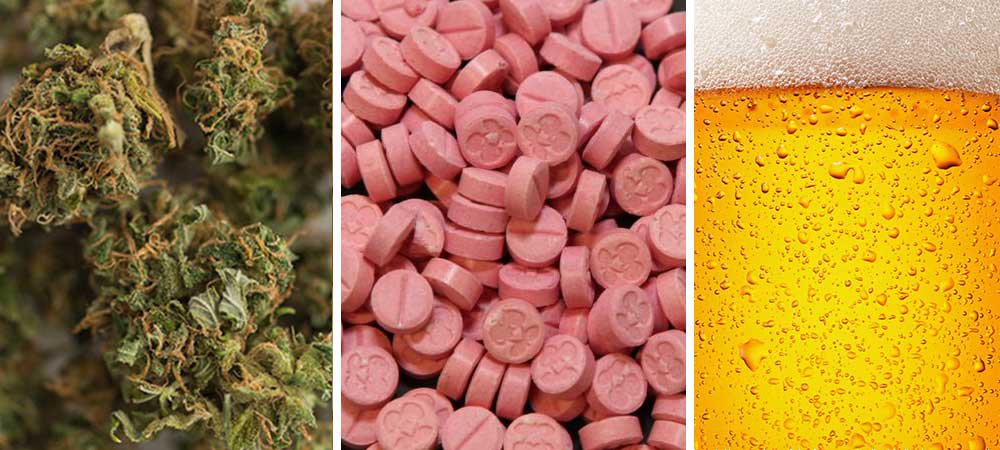
As the legalization of medical marijuana and marijuana use are both on the rise in the United States, people are not necessarily using alcohol less and may be unaware of the risks of combining alcohol and marijuana, according to researchers.

A new study from Penn State found that compared to people who only drank alcohol, those who used alcohol and marijuana simultaneously were more likely to drink heavier and more often. They were also more likely to experience alcohol-related problems — like impulsive actions they later regretted.

“The results suggest that individuals who simultaneously use alcohol and marijuana are at a disproportionately higher risk for heavy, frequent and problematic substance use,” said Ashley Linden-Carmichael, assistant research professor at the Edna Bennett Pierce Prevention Research Center at Penn State.

The researchers said the findings — recently published in the journal Substance Use and Misuse — also suggest that prevention and intervention programs should take into account not just alcohol, but also if people are using additional substances, as well.

“Right now, a lot of campus programs focus on whether students are drinking, and while sometimes they are asked about other substances, it’s not necessarily whether they’re using these substances simultaneously,” Linden-Carmichael said. “I think we do need to be asking about whether they’re drinking in combination with other drugs, and educating students about how that exacerbates their risk.”

According to the researchers, marijuana use is at an all-time high among young adults in the U.S., possibly leading to people using marijuana and alcohol simultaneously.

“The problem with simultaneous use is that it can affect people cognitively and perceptually, and also have an impact on motor impairment,” Linden-Carmichael said. “There is a burgeoning area of research that is examining why people are using marijuana and alcohol together and what those effects are.”

Healthline states When it comes to drugs, alcohol and weed are among the most commonly used substances. But what really happens when they team up?   Occasionally mixing alcohol and weed — also known as crossfading — likely won’t lead to major health problems. But there are a lot of variables to consider, including which one you use first and how you consume them.  If you aren’t careful, the duo can lead to a case of the spins or a green out, two reactions that can turn a fun night out into a nauseated night in.  It’s also important to remember that people can have very different reactions to the same mix of alcohol and weed. If you’re out in a group, one person’s reaction might be very different than yours.

Drinking before using weed can intensify weed’s effects. This is because alcohol increases the absorption of weed’s main psychoactive ingredient, delta-9-tetrahydrocannabinol (THC).

This generally results in a stronger high. While this might be nice for some folks, it can cause others to green out. This refers to a range of unpleasant physical symptoms that can result from a strong high.

Symptoms of a green out include:

  • sweating
  • dizziness
  • nausea
  • vomiting

Alcohol before weed: Proceed with caution

Drinking alcohol before using weed can ramp up the effects of THC. If you’re a seasoned pro, this might not be a huge deal. But if you’re sensitive to weed or don’t have much experience using it, it’s best to avoid mixing the two. If you do, move slowly and be sure to listen to your body.

QUOTE FOR THE WEEKEND:

“Balance” is the latest word on heart-healthy eating, according to the American Heart Association Scientific Statement that encourages people to adapt broad eating habits instead of focusing on single foods — and it’s not one size fits all.

Healthy eating starts with healthy food choices. You don’t need to be a chef to create nutritious, heart-healthy meals your family will love. Learn what to look for at the grocery store, restaurants, your workplace and any eating occasion.”
American Heart Association (https://newsroom.heart.org/events/march-is-national-nutrition-month)

QUOTE FOR FRIDAY:

“The World Sleep Society’s annual World Sleep Day is being held on Friday 17 March. This year’s theme is Sleep is Essential for Health.

Sleep is an essential, core pillar of health and is often under-valued and poorly understood. It’s as important as diet and exercise. The Sleep Health Foundation aims to raise the awareness of the importance of sleep and The World Sleep Society’s annual World Sleep Day is a great opportunity to do this.”

Sleep Health Foundation (https://www.sleephealthfoundation.org.au/key-events/world-sleep-day-2023.html)

QUOTE FOR THURSDAY:

“Obesity is a complex disease involving an excessive amount of body fat. So what does this mean? When it comes to sleep, can you have too much of a good thing? It’s true a good night’s sleep is essential for health. But oversleeping has been linked to a host of medical problems, including diabetes, heart disease, and increased risk of death.  Know diabetes and heart disease can be linked to obese.

WebMD (https://www.webmd.com/sleep-disorders/physical-side-effects-oversleeping)

Sleep Stages I,II,III,IV, & Deep REM.

brain-wave-5  sleepstages

sleepy                 sleepy2

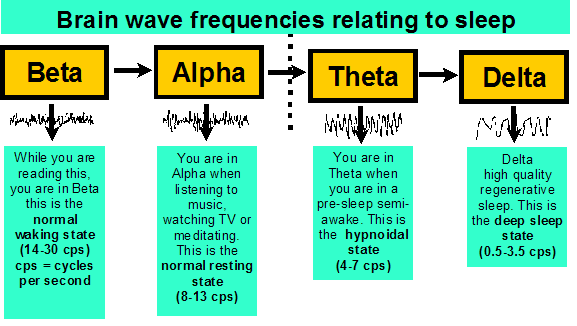
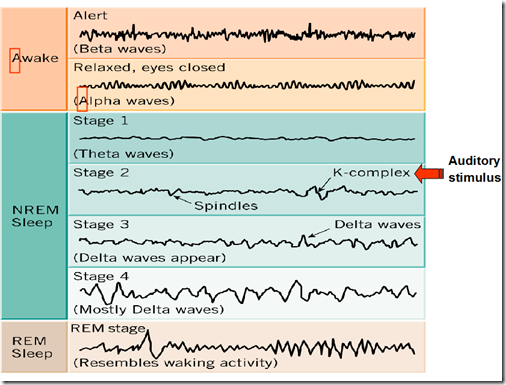
When awake, most people exhibit the brain wave patterns that can be classified into two types of waves, beta and alpha. Beta waves are those associated with day to day wakefulness. These waves are the highest in frequency and lowest in amplitude, and also more desynchronous than other waves. That is, the waves are not very consistent in their pattern. This desynchrony makes sense given that day to day mental activity consists of many cognitive, sensory, and motor activities and experiences, and, thus, when awake, we are mentally desynchronous as well. During periods of relaxation, while still awake, our brain waves become slower, increase in amplitude and become more synchronous. These types of waves are called alpha waves. For example, such brain waves are often associated with states of relaxation and peacefulness during meditation and biofeedback.

The first stage of sleep is characterized by theta waves, which are even slower in frequency and greater in amplitude than alpha waves. The difference between relaxation and stage 1 sleep is gradual and subtle. As the sleeper moves to stage 2 sleep theta wave activity continues, interspersed with two unusual wave phenomena. These phenomena, which occur periodically every minute or so, and are defining characteristics of stage 2 sleep, are termed sleep spindles and K complexes. The former is a sudden increase in wave frequency, and the latter is a sudden increase in wave amplitude. Stages 1 and 2 are relatively “light” stages of sleep. In fact, if someone is awoken during one of these stages, he or she will often report no being asleep at all.

Stage 1 is light sleep where you drift in and out of sleep and can be awakened easily. In this stage, the eyes move slowly and muscle activity slows. During this stage, many people experience sudden muscle contractions preceded by a sensation of falling. The first stage of sleep is characterized by theta waves, which are even slower in frequency and greater in amplitude than alpha waves. The difference between relaxation and stage 1 sleep is gradual and subtle. As the sleeper moves to stage 2 sleep theta wave activity continues, interspersed with two unusual wave phenomena. These phenomena, which occur periodically every minute or so, and are defining characteristics of stage 2 sleep, are termed sleep spindles and K complexes. The former is a sudden increase in wave frequency, and the latter is a sudden increase in wave amplitude. Stages 1 and 2 are relatively “light” stages of sleep. In fact, if someone is awoken during one of these stages, he or she will often report not being asleep at all.

In stage 2, eye movement stops and brain waves become slower with only an occasional burst of rapid brain waves.

When a person enters stage 3, extremely slow brain waves called delta waves are interspersed with smaller, faster waves.

In stage 4, the brain produces delta waves almost exclusively.

Stages 3 and 4 are referred to as deep sleep or delta sleep, and it is very difficult to wake someone from them. In deep sleep, there is no eye movement or muscle activity. This is when some children experience bedwetting, sleepwalking or night terrors. In 2008 the sleep profession in the US eliminated the use of stage 4. Stages 3 and 4 are now considered stage 3 by them.

Slow wave sleep comes mostly in the first half of the night, REM in the second half.  Waking may occur after REM.  If the waking period is long enough, the person may remember it the next morning.  Short awakenings may disappear with amnesia.

In the REM period, breathing becomes more rapid, irregular and shallow, eyes jerk rapidly and limb muscles are temporarily paralyzed. Brain waves during this stage increase to levels experienced when a person is awake. Also, heart rate increases, blood pressure rises, males develop erections and the body loses some of the ability to regulate its temperature. This is the time when most dreams occur, and, if awoken during REM sleep, a person can remember the dreams. Most people experience three to five intervals of REM sleep each night.

Infants spend almost 50% of their time in REM sleep. Adults spend nearly half of sleep time in stage 2, about 20% in REM and the other 30% is divided between the other three stages. Older adults spend progressively less time in REM sleep.


QUOTE FOR WEDNESDAY:

“Sleep quality is different from sleep quantity. Sleep quantity measures how much sleep you get each night, while sleep quality measures how well you sleep.

Measuring sleep quantity is simple, as it’s quick to determine if you’re getting the recommended amount of sleep per night (usually defined as 7-9 hours for adults). Measuring sleep quality is a little more of an art than a science. Generally, good sleep quality is defined by the following characteristics:

  • You fall asleep soon after getting into bed, within 30 minutes or less.
  • You typically sleep straight through the night, waking up no more than once per night.
  • You’re able to sleep the recommended amount of hours for your age group.
  • You fall back asleep within 20 minutes if you do wake up.
  • You feel rested, restored, and energized upon waking up in the morning.”.

Sleep Foundation (https://www.sleepfoundation.org/sleep-hygiene/how-to-determine-poor-quality-sleep)

How well do you sleep?

sleep1                                          sleep 2

When you go to bed do you wake up to the slightest noise (car going by the house, a dog barking outside, the heat going on or the cat fight outside)?  I know I do and have for years; unfortunately the slightest noise wakes me up, even a pin dropping to the floor and probably live on 5 to 6 hours a day of sleep.  Some people even feel when they are scrambling to meet the countless demands of their day, cutting back on sleep might seem like the only answer. Who can afford to spend so much time sleeping, anyway? The truth is you can’t afford not to. Even minimal sleep loss takes a toll on your mood, energy, and ability to handle stress. By understanding your nightly sleep needs and what you can do to bounce back from chronic sleep loss, you can finally get on a healthy sleep schedule or pattern.

Sleep deprivation

Many of us try to sleep as little as possible. There are so many things that seem more interesting or important than getting a few more hours of sleep, but just as exercise and nutrition are essential for optimal health and happiness, so is sleep. The quality of your sleep directly affects the quality of your waking life, including your mental sharpness, productivity, emotional balance, creativity, physical vitality, and even your weight. No other activity delivers so many benefits with so little effort!

According to the National Institutes of Health, the average adult sleeps less than seven hours per night. In today’s fast-paced society, six or seven hours of sleep may sound pretty good. In reality, though, it’s a recipe for chronic sleep deprivation.

Remember sleep deprivation can affect you like a drunk.  This could be many symptoms like fatigue, lethargy, lack of motivation, moodiness and irritability, reduced creativity and problem-solving skills, inability to cope with stress, reduced immunity; frequent colds and infections, concentration and memory problems, weight gain, impaired motor skills, increased risk of accidents, difficulty making decisions to even increased risk of diabetes, heart disease, and other health problems.

 There is a big difference between the amount of sleep you can just get by on to get through your day  compared to the amount you need to function optimally. Just because you’re able to operate on seven hours of sleep doesn’t mean you wouldn’t feel a lot better and get more done if you spent an extra hour or two in bed.

While sleep requirements vary slightly from person to person, most healthy adults need between seven and a half to nine hours of sleep per night to function at their best. Children and teens need even more (see Average Sleep Needs table below). And despite the notion that our sleep needs decrease with age, older people still need at least seven and a half to eight hours of sleep. Since older adults often have trouble sleeping this long at night, daytime naps can help fill in the gap.

The best way to figure out if you’re meeting your sleep needs is to evaluate how you feel as you go about your day. If you’re logging enough hours, you’ll feel energetic and alert all day long, from the moment you wake up until your regular bedtime.

Consistency doing the following measures is the key to prevent sleep deprivation: Settle short-term sleep debt with an extra hour or two per night, Keep a sleep diary, Take a sleep vacation to pay off a long-term sleep debt, finally you must make sleep a priority.

Understanding sleep

Sleep isn’t exactly a time when your body and brain shut off. While you rest, your brain stays busy, overseeing a wide variety of biological maintenance that keeps your body running in top condition, preparing you for the day ahead. Without enough hours of restorative sleep, you won’t be able to work, learn, create, and communicate at a level even close to your true potential. Regularly skimp on “service” and you’re headed for a major mental and physical breakdown.

The good news is that you don’t have to choose between health and productivity. As you start getting the sleep you need, your energy and efficiency will go up. In fact, you’re likely to find that you actually get more done during the day than when you were skimping on shuteye.

It’s not just the number of hours in bed that’s important—it’s the quality of those hours of sleep. If you’re giving yourself plenty of time for sleep, but you’re still having trouble waking up in the morning or staying alert all day, you may not be spending enough time in the different stages of sleep.

Each stage of sleep in the sleep cycle offers benefits to the sleeper. However, deep sleep (Stage N3) and REM sleep are particularly important.  Learn more about the stages of sleep tomorrow and maybe it will help you strive for better health!