Archives

Part II Guillain-Barre Syndrome

Complications

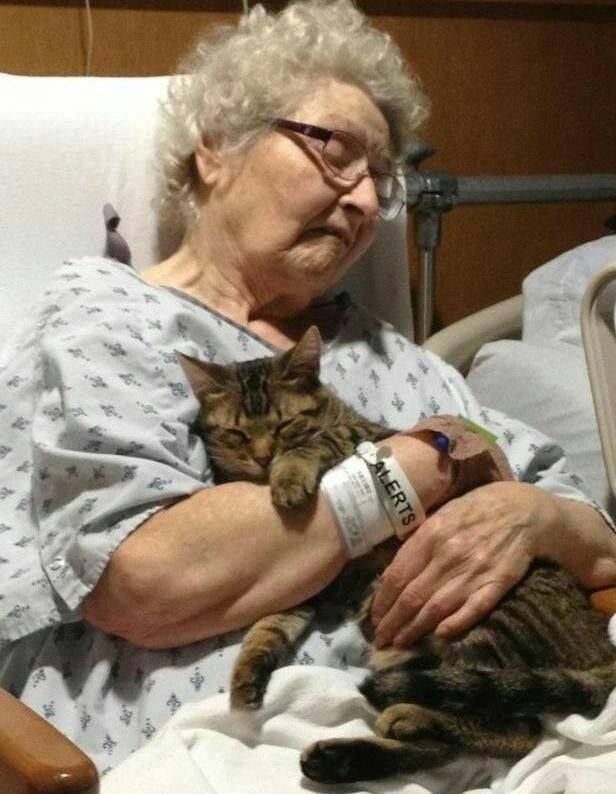
Guillain-Barre syndrome affects your nerves. Because nerves control your movements and body functions, people with Guillain-Barre may experience:

  • Breathing difficulties. The weakness or paralysis can spread to the muscles that control your breathing, a potentially fatal complication. Up to 30 percent of people with Guillain-Barre syndrome need temporary help from a machine to breathe when they’re hospitalized for treatment.
  • Residual numbness or other sensations. Most people with Guillain-Barre syndrome recover completely or have only minor, residual weakness, numbness or tingling.
  • Heart and blood pressure problems. Blood pressure fluctuations and irregular heart rhythms (cardiac arrhythmias) are common side effects of Guillain-Barre syndrome.
  • Pain. Up to half of people with Guillain-Barre syndrome experience severe nerve pain, which may be eased with medication.
  • Bowel and bladder function problems. Sluggish bowel function and urine retention may result from Guillain-Barre syndrome.
  • Blood clots. People who are immobile due to Guillain-Barre syndrome are at risk of developing blood clots. Until you’re able to walk independently, taking blood thinners and wearing support stockings may be recommended.
  • Pressure sores. Being immobile also puts you at risk of developing bedsores (pressure sores). Frequent repositioning may help avoid this problem.
  • Relapse. Around 3 percent of people with Guillain-Barre syndrome experience a relapse.

Severe, early symptoms of Guillain-Barre syndrome significantly increase the risk of serious long-term complications. Rarely, death may occur from complications such as respiratory distress syndrome and heart attack.

Types of Guillean-Barre Syndrome:

Once thought to be a single disorder, Guillain-Barre syndrome is now known to occur in several forms. The main types are:

  • Acute inflammatory demyelinating polyradiculoneuropathy (AIDP), the most common form in the U.S. The most common sign of AIDP is muscle weakness that starts in the lower part of your body and spreads upward.
  • Miller Fisher syndrome (MFS), in which paralysis starts in the eyes. MFS is also associated with unsteady gait. MFS occurs in about 5 percent of people with Guillain-Barre syndrome in the U.S. but is more common in Asia.
  • Acute motor axonal neuropathy (AMAN) and acute motor-sensory axonal neuropathy (AMSAN) are less common in the U.S. But AMAN and AMSAN are more frequent in China, Japan and Mexico.

When to see a doctor

Call your doctor if you have mild tingling in your toes or fingers that doesn’t seem to be spreading or getting worse. Seek emergency medical help if you have any of these severe signs or symptoms:

  • Tingling that started in your feet or toes and is now moving up your body
  • Tingling or weakness that’s spreading rapidly
  • Difficulty catching your breath or shortness of breath when lying flat
  • Choking on saliva

Guillain-Barre syndrome is a serious condition that requires immediate hospitalization because it can worsen rapidly. The sooner appropriate treatment is started, the better the chance of a good outcome.

How Guillean-Barre is Diagnosed:

Guillain-Barre syndrome can be difficult to diagnose in its earliest stages. Its signs and symptoms are similar to those of other neurological disorders and may vary from person to person.

Your doctor is likely to start with a medical history and thorough physical examination.

Your doctor may then recommend:

  • Spinal tap (lumbar puncture). A small amount of fluid is withdrawn from the spinal canal in your lower back. The fluid is tested for a type of change that commonly occurs in people who have Guillain-Barre syndrome.
  • Electromyography. Thin-needle electrodes are inserted into the muscles your doctor wants to study. The electrodes measure nerve activity in the muscles.
  • Nerve conduction studies. Electrodes are taped to the skin above your nerves. A small shock is passed through the nerve to measure the speed of nerve signals.

Treatment

There’s no cure for Guillain-Barre syndrome. But two types of treatments can speed recovery and reduce the severity of the illness:

  • Plasma exchange (plasmapheresis). The liquid portion of part of your blood (plasma) is removed and separated from your blood cells. The blood cells are then put back into your body, which manufactures more plasma to make up for what was removed. Plasmapheresis may work by ridding plasma of certain antibodies that contribute to the immune system’s attack on the peripheral nerves.
  • Immunoglobulin therapy. Immunoglobulin containing healthy antibodies from blood donors is given through a vein (intravenously). High doses of immunoglobulin can block the damaging antibodies that may contribute to Guillain-Barre syndrome.

These treatments are equally effective. Mixing them or administering one after the other is no more effective than using either method alone.

You also are likely to be given medication to:

  • Relieve pain, which can be severe
  • Prevent blood clots, which can develop while you’re immobile

People with Guillain-Barre syndrome need physical help and therapy before and during recovery.

QUOTE FOR TUESDAY:

“Guillain-Barre (gee-YAH-buh-RAY) syndrome is a rare disorder in which your body’s immune system attacks your nerves. Weakness and tingling in your hands and feet are usually the first symptoms.

These sensations can quickly spread, eventually paralyzing your whole body. In its most severe form Guillain-Barre syndrome is a medical emergency. Most people with the condition must be hospitalized to receive treatment.”

MAYO CLINIC

QUOTE FOR MONDAY:

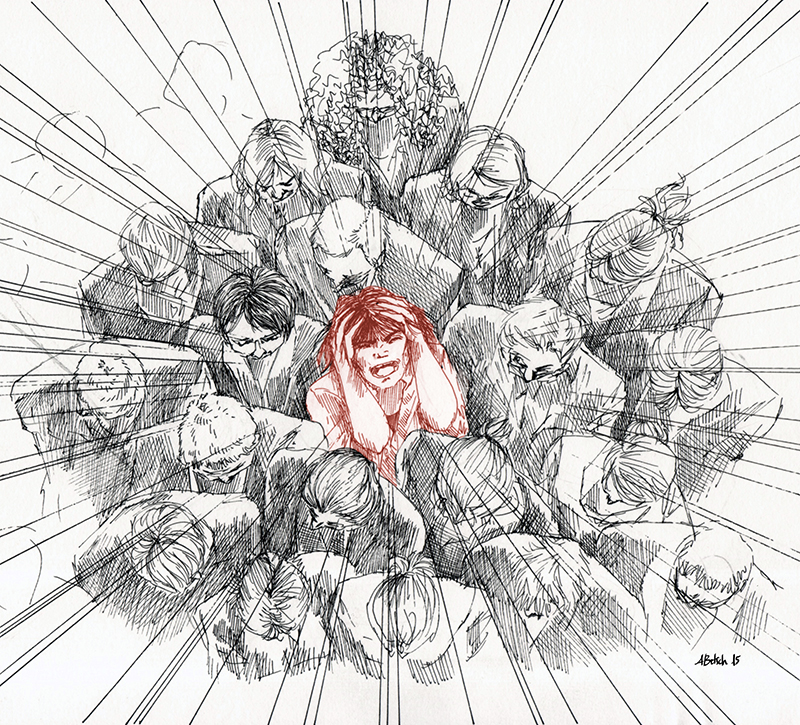
“The critical inner voice supports an individual’s negative identity, leading to both self-attacks and hostility toward others. This helped me to identify a split in the personality between the self system and the anti-self system. The division of the mind reflects a primary divide between forces that represent the self and those that oppose or attempt to destroy it.

Destructive actions directed against other people occur when feelings of frustration are combined with negative cognitive processes. Since people filter events through the voice process, during times of stress even innocuous incidents can be imbued with a negative loading.

Some people tend to distort others or view them with suspicion, resulting in a basic paranoid or victimized orientation toward life. Their voices impart negative information to them about others: He’s just taking advantage of you. Or, She’s always intruding into your life. Extreme negative voices are at the core of all forms of criminal and domestic violence and explosive behavior.”

Psychology Today (https://www.psychologytoday.com/us/blog/the-human-experience/201901/insight-the-violent-mind)

QUOTE FOR THE WEEKEND:

“Currently, some 50% of the US population has a chronic disease, creating an epidemic, and 86% of health care costs are attributable to chronic disease. The medical profession and its leadership did not recognize or respond appropriately to the rising prevalence of chronic disease. As a consequence, a health care crisis emerged, with inadequate access to care and quality of care together with excessive costs. In the years since the 1950s, when the chronic disease prevalence grew, the clinical literature did not follow. It remained preoccupied with acute disease. Similarly, medical education did not change. Studies and critiques gave little or modest attention to the rising dominance of chronic disease and neglected elements of good care.  Now, the medical profession and its leadership are confronted by the responsibility to build a practice of medicine with a health care system that better meet the needs of patients with chronic illness & reduces the health care crisis.”.

National Library of Medicine NIH

QUOTE FOR FRIDAY:

“4 Types of Spina Bifida. Many babies with myelomeningocele tend to be in a feet-first (breech) position. If your baby is in this position or if your doctor has detected a large cyst or sac, cesarean birth may be a safer way to deliver your baby. Myelomeningocele requires surgery to close the opening in the baby’s back within 72 hours of birth. Performing the surgery early can help minimize the risk of infection associated with the exposed nerves. It may also help protect the spinal cord from more trauma. During the procedure, a neurosurgeon places the spinal cord and exposed tissue inside the baby’s body and covers them with muscle and skin.  Than its  treatment for complications — such as weak legs, bladder and bowel problems, or hydrocephalus — typically begins soon after birth. Ongoing care and even though there is no cure most people with spina bifida lead long and productive lives. !”.

MAYO CLINIC

QUOTE FOR THURSDAY:

“Hispanic women have the highest rate of having a child affected by spina bifida, when compared with non-Hispanic white and non-Hispanic black women. The estimated lifetime cost of care for a person with spina bifida, with caregiving costs, is $791,900. ”

Center for Disease Control and Prevention – CDC (https://www.cdc.gov/ncbddd/spinabifida/data.html)

Part IV Breast Cancer Awareness Month – Know the modified risk factors you can change!

Non-modifiable risk factors to breast cancer means factors we cannot change:


Modifiable risks risk factors to breast cancer. This means factors we can control:

Weight. Being overweight is associated with increased risk of breast cancer, especially for women after menopause. Fat tissue is the body’s main source of estrogen after menopause, when the ovaries stop producing the hormone. Having more fat tissue means having higher estrogen levels, which can increase breast cancer risk.

Diet. Studies are looking at the relationship between diet and breast cancer risk and the risk of recurrence. The Women’s Health Initiative Trial suggested that a diet very low in fat may reduce the risk of breast cancer. More research is needed in this important area for women who are interested in eating well to reduce their risk of ever getting breast cancer.

Diet pretty much affects your weight.  Unless you have a high metabolism or are severely active eating fattening foods will put on weight.

In the meantime, here’s what dietitians suggest:

  • Keep your body weight in a healthy range for your height and frame. Body mass index, though not a perfect measurement, can help you estimate your healthy weight.
  • Eat plenty of vegetables and fruit (more than 5 cups a day).
  • Try to limit your saturated fat intake to less than 10% of your total calories per day and limit your fat intake to about 30 grams per day.
  • Eat foods high in omega-3 fatty acids.
  • Avoid trans fats, processed meats, and charred or smoked foods.

You’ll find that processed foods generally don’t fit in this type of diet as well as fresh foods do. For more information, visit our page on healthy eating to reduce risk of breast cancer in the Nutrition section.

Exercise. Evidence is growing that exercise can reduce breast cancer risk. The American Cancer Society recommends engaging in 45-60 minutes of physical exercise 5 or more days a week.

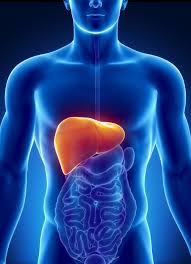
Alcohol consumption. Studies have shown that breast cancer risk increases with the amount of alcohol a woman drinks. Alcohol can limit your liver’s ability to control blood levels of the hormone estrogen, which in turn can increase risk.

Smoking. Smoking is associated with a small increase in breast cancer risk.

Exposure to estrogen. Because the female hormone estrogen stimulates breast cell growth, exposure to estrogen over long periods of time, without any breaks, can increase the risk of breast cancer. Some of these risk factors are under your control, such as:

  • taking combined hormone replacement therapy (estrogen and progesterone; HRT) for several years or more, or taking estrogen alone for more than 10 years
  • being overweight
  • regularly drinking alcohol

Recent oral contraceptive use. Using oral contraceptives (birth control pills) appears to slightly increase a woman’s risk for breast cancer, but only for a limited period of time. Women who stopped using oral contraceptives more than 10 years ago do not appear to have any increased breast cancer risk.

Stress and anxiety. There is no clear proof that stress and anxiety can increase breast cancer risk. However, anything you can do to reduce your stress and to enhance your comfort, joy, and satisfaction can have a major effect on your quality of life. So-called “mindful measures” (such as meditation, yoga, visualization exercises, and prayer) may be valuable additions to your daily or weekly routine. Some research suggests that these practices can strengthen the immune system.

The National Cancer Institute estimates an outstanding 80% of cancer in America is do to our lifestyles particularly DIET and EXERCISE. That includes Breast Cancer. I am not saying it is the only reason but a large percentage has to do with it and with changing it to a healthy one if your diet is not already including your exercise it lowers the probability for a large amount of people in America from getting cancer.  This principle also pertains to many other diseases (Ex. Obesity, High blood pressure, Diabetes, etc…)

Breast cancer is a polygenic and multifactorial disease for which estrogens have been recognized as the main risk factor, and for which lifestyle plays a key role. Previous epidemiologic cancer research performed in Uruguayan population delimited its dietary and anthropometric profiles (use for identification, use for the purposes of understanding human physical variation and in various attempts to correlate physical with racial and psychological traits). Recognizing the difficulty for universalizing a nutritional basis for prevention due to different eating patterns among regions and countries, what was summarized was the existent knowledge linking nutrition, estrogens, metabolism and Breast Cancer. As an attempt towards primary prevention of Breast Cancer, present recommendations mainly based on country-specific research findings and modifiable putative risk and protective factors, proposing to modify the intake of meats and other fatty foods – especially sources of Ω-6 and Ω-3 fatty acids – adding olive oil, selected vegetables, citrus fruits and working towards adequate body fat/muscle proportions. From a medical and ethical viewpoint, it is justified to recommend certain nutritional changes to women, because no adverse side effects are expected to occur.

There is evidence for an inverse association between physical activity and breast cancer risk. The evidence is stronger for postmenopausal breast cancer than for premenopausal breast cancer.

The National Cancer Institute states 80 percent of all cancers is due to our lifestyles. For some who are already active and eating healthy your already ahead of many in prevention of cancer but for those who don’t you dramatically alter your risks going towards higher probability of possibility getting cancer. If your one of those people I have great news this risk is controllable and you can fix it.

The modifiable risk factors are ones like your eating and exercise, which you have full control of. I am not saying become a weight lifter or workout in a gym 4 x/wk if you don’t now. What I am saying is increase your activity with some exercise like walking a mile a day or what you can tolerate and increase your exercise overtime.  If you get yourself up to 2 to 5 miles a day, great! If you become a regular at the gym or weight lifter great but you don’t have to go to that extreme of being a Sylvester Stallone or Rocky.

Non modifiable+modifiable risk factors:


QUOTE FOR TUESDAY:

“U.S. We rarely think about breathing except when we have trouble doing so and that’s why every October is Healthy Lung Month.  Tuberculosis, or TB, has been among the most prominent lung diseases in history, with traces of it even being found in ancient Egyptian mummies. It was tuberculosis that prompted the start of the American Lung Association in 1904.  

More recently anti-smoking movements have joined in the healthy lung movement. Cigarette packaging warnings were established in 1966 and years of campaigning have  successfully led to the change in perception of smoking among the American public, with Americans now realizing smoking is a major cause of cancer.

Lung disease affects a huge number of Americans. Around 10 million are diagnosed with chronic bronchitis each year, 25 million are believed to be living with asthma, and over 150,000 die from lung cancer annually. Our lungs are important and Healthy Lung Month is an opportunity to create awareness around healthy lifestyle choices. ”

National TODAY (https://nationaltoday.com/healthy-lung-month/)


QUOTE FOR MONDAY:

“Bullying is a form of aggressive behavior in which someone intentionally and repeatedly causes another person injury or discomfort. Bullying can take the form of physical contact, words, or more subtle actions.

The bullied individual typically has trouble defending him or herself and does nothing to “cause” the bullying.

Cyberbullying is verbally threatening or harassing behavior conducted through such electronic technology as cell phones, email, social media, or text messaging.”

American Psychological Association (https://www.apa.org/topics/bullying)

QUOTE FOR THE WEEKEND:

3 Principles to Keep Love Alive:

1. The act of loving is gratifying for both the lover and the loved one.

The state of being in love is passive and easily dissolves into an internal fantasy about being in love. This fantasy gradually becomes a substitute for actual love. The act of loving involves behaviors that keep a close relationship alive and vital

2. Maintain your individuality and appreciate your partner’s individuality.

When you know someone well or long, it is easy to lose sight of them as an individual person. Therefore, it is important to respect your partner by encouraging his or her unique interests and personal goals, independent of yours. This means being sensitive to your partner’s wants, desires, and feelings, and placing as much value on them as you do on your own. It means regarding your partner separate from any expectations you may have or any role he or she may be fulfilling in relation to you.

3.     Ignore your critical inner voice

To varying degrees, we all have an enemy within, a part of ourselves that operates inside our heads much like a malicious coach, criticizing us and offering up bad advice. This enemy, with its destructive point of view, is your critical inner voice. It supports your defenses, which wouldn’t be a bad thing except that, for the most part, your defenses are archaic. And lastly, when we are romantic, we can ignore our critical inner voice when it tries to influence us to defend ourselves and not be loving and vulnerable.

PsychAlive